Apple TV 4K Rumored to Support Four HomePods for Surround Sound
Last month, a proven leaker revealed that Apple has tested the ability to connect four HomePods to an Apple TV 4K for surround sound, with the HomePods intended to be arranged in front-left, front-right, rear-left, and rear-right positions. Now further evidence of this functionality has surfaced ahead of an announcement from Apple.
First, the same leaker known as "pdfu" has uncovered additional code related to a four-HomePod surround sound system in the latest beta of audioOS, which is Apple's internal name for the HomePod's operating system. For example, on the third audioOS 27.2 beta, he said that "Siri can match a speaker to its surround system."
Second, MacRumors contributor Aaron Perris discovered that the third beta of macOS 27.2 contains two new SF Symbols depicting a group of four speakers in a room. While the HomePod is not mentioned in the names of the symbols, one of them appears to show a basic top-down view of HomePods, and the other mentions that the four speakers are part of a home theater setup. The timing of these symbols being added by Apple suggests they could be related to the rumored four-HomePod surround sound functionality.
Apple plans to unveil new HomePod mini and Apple TV 4K models on Tuesday, October 13, according to Bloomberg's Mark Gurman, while he said that the full-sized HomePod will be updated "eventually." However, it is unclear if this surround-sound functionality will require new HomePods. The leaker "pdfu" previously said that Apple tested two different setups, including four second-generation HomePods, and two second-generation HomePods in front positions paired with two unreleased speakers in rear positions.
It is also unclear if any existing Apple TV 4K models will support four HomePods, or if the functionality will be limited to the upcoming model.
Currently, you can set two HomePod or HomePod mini speakers as the default audio output on all Apple TV 4K models for stereo sound.
With new HomePod and Apple TV models on the horizon, and all of the mounting evidence across Apple's software code and symbols, it seems likely that Apple will unveil this new functionality fairly soon, barring any last-minute issues.
In an electric car, the (enormous) battery is a major part of the price. If electric car prices are decreasing, battery costs must be decreasing, because it’s not like the cost of fabricating rubber, aluminum, glass, and steel into car shapes can decline that much,
In an electric car, the (enormous) battery is a major part of the price. If electric car prices are decreasing, battery costs must be decreasing, because it’s not like the cost of fabricating rubber, aluminum, glass, and steel into car shapes can decline that much, right?
On an electric scooter, though, the effect of battery price has to be even more dramatic because scooters are such lightweight, compact, and simple machines. They aren’t much more than a battery and an electric motor to begin with. Remember the Zappy electric scooter from twenty years ago?
What killed the electric scooter back then is the same thing that killed the electric car of year 2000: terrible lead-acid battery technology. It’s too heavy, it lacks power, it doesn’t have enough range, it takes too long to charge. These are all different ways of saying the same thing: the battery sucks. It wasn’t until Lithium Ion batteries matured that both the electric car and the electric scooter – and pretty much electric everything, if you think about it – became viable.
Thus, one way to see if Lithium Ion battery prices are indeed generally dropping independent of all other manufacturing concerns is to examine the cost of electric scooters over the last few years. Let’s consider one of the most popular models, the Xiaomi Mi M365:
This graph only shows roughly two years, from January 2018 to now; it looks like the original price for the Xiaomi M365 when it hit the US market in early 2017 was around $800. So the price of a popular, common electric scooter has halved in three years. Very good news indeed for electric vehicles of all types!
This dramatic drop in electric scooter price from 2016 to 2019 may not be surprising versus the parallel rise of the quasi-legal electric scooter smartphone app rental industry over roughly the same time period, in the form of Bird, Lime, Skip, Spin, Scoot, etc.
Early versions of Bird scooters were actual Xiaomi M365s, slightly modified for rental. Only by late 2018 had they migrated to custom built, ruggedized scooters optimized for the rental market. The rental industries have their own challenges, and ironically have started to pivot to monthly rentals rather than the classic 15 cents per minute.
Bird has experimented with its business model in recent months. In early March, the company altered its repair program in Los Angeles, which had relied on gig workers to fix broken scooters. It moved repairs in-house (though scooters are still charged each night by an army of gig workers). Later that month, the company introduced scooters with locks in some markets, in a bid to prevent theft and vandalism.
In April, it announced the launch of a more traditional rental program in San Francisco and Barcelona, in which users could pay $25 per month to rent a Xiaomi m365 from the company rather than paying per ride.
But this isn’t meant to be a blog entry about the viability of scooter rental company business models.
I want to tackle a more fundamental question: are electric scooters the future of transportation?
Even Uber, as screwed up of a company as they still are, knows cars are overkill for a lot of basic transportation needs:
We have plenty of scooters here at my house, and the family and I enjoy them greatly, but I have never actually ridden or owned an electric scooter. So I bought one. It is of course the popular, inexpensive, and well reviewed Xiaomi Mi M365.
Here’s a picture of my electric scooter inside my electric car. (I apologize that I didn’t have an electric bicycle to park next to it for maximum smugness, but you can bet your sweet electrons I’ll work on that next!)
The short version of my review is this electric scooter is incredibly fun, works great, and if you can get it for a price around $300, practically a no-brainer. I love it, my kids love it, and as long as you’re conceptually OK with the look, unlike Elon Musk, 🛴💨 then you’ll probably love it too.
I found a neat video covering the “one year later” experience of owning the scooter, and what you might eventually run into or want to tweak.
(The main thing to take away from this video is that flats super suck on tires this small, so be warned. I put Slime in my Mi’s tires out of an abundance of caution, but you could also go with solid tubeless tires – at the cost of some ride comfort – if you’re really worried.)
That’s not to say that the electric scooter experience is perfect. There are some challenges with electric scooters, starting with the biggest one: your local government has no idea how to regulate the darn things.
Is this regulated like a bicycle? If not, why not?
Are they allowed on the sidewalk?
Do you have to ride them in the road, with cars… uh, depending on the speed limit?
Do you need a driver’s license?
Do you need a helmet?
Are you even allowed to legally ride them in public at all outside of private property?
The answers also vary wildly depending on where you live, and with no consistency or apparent logic. Here are the current electric scooter laws in California, for what it’s worth, which require the rider to have a valid driver’s license (unlike electric bicycles) and also disallow them from sidewalks, both of which I feel are onerous and unnecessary restrictions.
One aspect of those laws I definitely agree with, however, is the 15 mile per hour speed restriction. That’s a plenty brisk top speed for a standing adult with no special safety equipment. Anything faster starts to get decidedly… uncomfortable. Consider this monster of a 1165KWh electric scooter, with dual motors and dual suspension that goes up to forty freakin’ miles per hour.
That… is… terrifying. Even the reviewer, in full motorcycle safety gear, wasn’t willing to push it all the way to 40 MPH. And I don’t blame him! But now that I’ve shown you the undisputed Honda Civic everyman budget model of electric scooter in the M365, hopefully this gives you a taste of the wider emerging diversity in these kinds of minimalistic electric vehicles. If you want a luxury electric scooter, an ultralight electric scooter, a rugged offroad electric scooter… all things are possible, for a price.
Another reason the M365 is available for so cheap is that is successor, the Xiaomi M365 Pro, was recently released, although it is not quite possible to obtain in the US at the moment.
Having ridden my M365 a fair bit, I can confirm all the Pro improvements are welcome, if incremental: bigger battery and disc brake, more power, better display, improved latch mechanism, etc.
None of those Pro improvements, however, are worth a 2× increase in price so I’d recommend sticking with the M365 for now because its value proposition is off the charts. Did I mention there’s a Bluetooth connection, and an app, and it is possible to hack the M365 firmware? Pretty cool how electric vehicles are inherently digital, isn’t it?
Here are a few other observations after riding my M365 around a fair bit:
Please be respectful around pedestrians. Most of the sidewalks around here are not busy at all, but the pedestrians I encountered on the electric scooter were definitely more freaked out than I’ve seen before when using regular kick scooters (or skateboards) on the sidewalk, which did surprise me. An electric scooter has more heft to it, both physically at 26 pounds, and in the 15 mile per hour speed it can reach – but also mentally in terms of how it looks and how people approach it. I recommend slowing down to just above walking speed when encountering pedestrians, and if there is a bike lane available, I’d definitely recommend using that.
Hills work great. The kryptonite of traditional kick scooters is hills, and I’m pleased to report that even with a cough sizable adult such as myself riding, I was able to sustain a respectable above-walking speed on most reasonable hills. Where I looked at a hill and thought “this probably should work,” it did. That’s impressive, considering this isn’t the upgraded Pro model with bigger battery and more powerful motor. On flats and downhills the performance is superb, as you’d expect. That said, if you are a really big or tall adult, or live in a particularly hilly area, wait for the Pro model or an equivalent.
Portability is good, but borderline. At ~26 pounds, the electric scooter is reasonably portable, but it’s not something you a) could really get away with taking inside a restaurant / store with you to prevent theft or b) want to be carrying around on your person for any significant length of time. It’s not nearly as nimble or portable as a kick scooter, but that’s a high bar. You’ll need to carry a bike lock and think about how to lock your scooter on bike racks, which turned out to be… more geometrically challenging than I anticipated due to the small tires, disc brakes, and the engine in the front wheel. They need more obvious locking points on the chassis.
To be honest with you I’m still bitter about the whole Segway debacle. There was so much hype back in the day. That ridiculous thing was supposed to change the world. Instead, we got… Paul Blart Mall Cop.
A Segway was $5,000 at launch in 2001, which is a whopping $7,248 in inflation adjusted dollars. Here in 2019, cheap $200 to $300 electric scooters are basically the transformational technology the Segway was supposed to be, aren’t they? Are electric scooters the future of (most) transportation? I’m not sure, but I do like where we’re headed, even if it took us twenty years to get there.
These Sony Open-Ear LinkBuds Are 31% Off for October Prime Day
Sony’s open-ear, clip-on earbuds are at their lowest price ever for October Prime Day.
We may earn a commission from links on this page. Deal pricing and availability subject to change after time of publication.
The October Prime Day sale is officially here, and the best deals on headphones, fitness tech, and other essentials from premium brands are popping up all over Amazon. Right now, these Sony LinkBuds Clip Open Earbuds are down to $158 (originally $229.99), an all-time low according to price tracking tools.
One of the top Prime Day earbuds deals for people who dislike conventional in-ear buds, the Sony LinkBuds Clip gets praise in PCMag for crystal-clear audio and long-lasting battery life. With a lightweight clip-on design that sits outside the ear canal and lets you hear background noise like traffic or announcements, they’re a useful essential for errand runs, busy workdays, dog walks, and other settings where you don’t want total noise cancellation. An IPX4 rating can handle sweat and light rain, while multipoint pairing lets you stay connected to devices without constant re-pairing.
The earbuds last up to 37 hours and offer nine hours of continuous use per charge, far more than the AirPods 4 with ANC, which last five hours with ANC off and four with it on. A three-minute charge provides around an hour of playback. The app makes the sound heavily customizable, and while sound quality is robust and impressive, it’s not quite as bass-forward as in-ear buds.
Though they can’t overcome the limitations most open-ear designs face, the Sony LinkBuds Clip Open Earbuds are a reliable, long-lasting option for settings where you need situational awareness.
October Prime Day FAQs
How does Prime Day work?
Prime Day lets Prime Members shop online for thousands of products with big discounts. It only lasts two days, so make sure you check out everything we know about the sale before it starts.
Is Prime Day only for Prime Members?
Yes, you will need to be a Prime Member to shop the exclusive sales during Amazon's Prime Big Deal Days. Prime membership starts at $14.99 per month.
What goes on sale on Prime Day?
Since Prime Big Deal Days happens in the fall, you're likely to see more deals on gaming and indoor gym equipment. Amazon has already announced some of the 35 categories that will be on sale, including beauty, tech, kitchen, fashion, and home. Some brands Amazon has already mentioned are: Shark, Princess Polly, Soundcore by Anker, UGG, Nest New York, Sony, Tarte, Adidas, and Barefoot Dreams.
Your Mac Should Be Doing More of the Work. Here's How MacPaw Helps
Setapp, CleanMyMac, and Eney take everyday Mac work off your hands without adding one more thing to manage.
The work you actually sat down to do rarely gets interrupted by something dramatic. It gets interrupted by housekeeping—a quick fix here, a quick lookup there, each one small enough to feel harmless and just long enough to break your focus.
This is true for freelancers, founders, designers, and developers. But it’s also true for work-from-home employees and busy people in general. And it’s not that any of these tasks are difficult (which almost makes them more annoying); it’s that each one takes just enough time and attention to pull you away from whatever you actually sat down to do. Little interruptions may not seem like much, but they add up to a surprising amount of time spent taking care of your Mac instead of letting your Mac take care of you.
MacPaw has spent 18 years building tools that take everyday work off Mac users' hands by noticing the small stuff you've stopped noticing, and quietly handling it for you. For anyone whose Mac doubles as an office, the files, apps, and projects add up—but the upkeep shouldn't have to.
Here’s how MacPaw’s products help you save time and frustration while using your trusty Mac computer.
The cleanup you keep putting off
When storage starts disappearing, you can open folders one by one, sort through old downloads, track down duplicate files, and try to uncover large files that are eating up space and collecting dust. Or, you can make that maintenance somebody else's problem.
CleanMyMac keeps everyday care in one place, so maintenance takes less of your attention. If you work with video or like to keep many applications open at once, freeing up space can help your Mac work as intended. You’ll spend less time staring at the dreaded spinning color wheel and more time getting things done.
The small, niche task that might already have a plug-and-play solution
Sometimes you just need an app for one specific task. Maybe you need to compress a video before sending it to a client. The job itself takes two minutes, but first you have to find an app, compare your options, figure out whether you trust it, download it, and possibly even pay for yet another subscription.
Setapp cuts out much of the scavenger hunt by giving you one trusted place to look for the right app, so a two-minute task doesn't start with 15 minutes of searching, comparing, and managing software. It also makes it easy to discover time-savers and cool tricks you didn't even realize were possible on a Mac.
The thing you did once before, but can't remember how
Splitting a PDF or trimming the first few seconds from a video isn't complicated, but if you only do it occasionally, you might still end up digging through menus or Googling it all over again. Eney is MacPaw's on-device helper for handling straightforward tasks like these. Instead of relearning the process every time, ask Eney to take care of it on your Mac.
Go on, then—forget the steps. For straightforward tasks like these, Eney can handle them on your Mac.
There's no shortage of software promising to make you more productive, but finding, installing, learning, and managing all those tools can become another job of its own. The next time a small Mac task pulls you away from what you meant to do, see how MacPaw can help.
And there's more on the way. MacPaw is currently developing its own on-device AI stack for the Mac — an AI runtime called Elix and a memory layer called Mnemos — designed to make its products smarter, keep more of the work and your data on your Mac, and understand what you need before you have to spell it out.
Your Mac should do more for you without giving you more to manage. Explore MacPaw to see how Setapp, CleanMyMac, Eney, and other tools take everyday work off your hands.
In 1931, at the height of the Great Depression, James Truslow Adams first defined the American Dream as
“[...] a land in which life should be better and richer and fuller for everyone, with opportunity for each according to ability or achievement. [...] not a dream of motor cars and high wages merely, but a dream of social order in which [everyone] shall be able to attain to the fullest stature of which they are innately capable, and be recognized by others for what they are, regardless of the fortuitous circumstances of birth or position”
I wanted to know what these words meant to us today. I needed to know what parts of the American Dream we all still had in common. I had to make some sense of what was happening to our country. I’ve been writing on my blog since 2004, and on November 7th, I started writing the most difficult piece I have ever written.
I asked so many Americans to tell me what the American Dream personally meant to them, and I wrote it all down.
Later in November, I attended a theater performance of The Outsiders at my son’s public high school – an adaptation of the 1967 novel by S.E. Hinton. All I really knew was the famous “stay gold” line from the 1983 movie. But as I sat there in the audience among my neighbors, watching the complete story acted out in front of me by these teenagers, I slowly realized what “stay gold” meant: sharing the American Dream.
We cannot merely attain the Dream. The dream is incomplete until we share it with our fellow Americans. That act of sharing is the final realization of everything the dream stands for.
Thanks to S.E. Hinton, I finally had a name for my essay, “Stay Gold, America.” I published it on January 7th, with a Pledge to Share the American Dream.
Beyond that, we made many additional one million dollar donations to reinforce our technical infrastructure in America – Wikipedia, The Internet Archive, The Common Crawl Foundation, Let’s Encrypt, pioneering independent internet journalism, and several other crucial open source software infrastructure projects that power much of the world today.
I encourage every American to contribute soon, however you can, to organizations you feel are effectively helping those most currently in need.
But short term fixes are not enough.
The Pledge To Share The American Dream requires a much more ambitious second act – deeper, long term changes that will take decades. Over the next five years, my family pledges half our remaining wealth to plant a seed toward foundational long term efforts ensuring that all Americans continue to have the same fair access to the American Dream.
Let me tell you about my own path to the American Dream. It was rocky. My parents were born into deep poverty in Mercer County, West Virginia, and Beaufort County, North Carolina. Our family eventually clawed our way to the bottom of the middle class in Virginia.
I won’t dwell on it, but every family has their own problems. We did not remain middle class for long. But through all this, my parents got the most important thing right: they loved me openly and unconditionally. That is everything. It’s the only reason I am standing here in front of you today.
With my family’s support, I managed to achieve a solid public education in Chesterfield County, Virginia, and had the incredible privilege of an affordable state education at the University of Virginia. This is a college uniquely rooted in the beliefs of one of the most prominent Founding Fathers, Thomas Jefferson. He was a living paradox. A man of profound ideals and yet flawed – trapped in the values of his time and place.
Still, he wrote “Life, liberty, and the pursuit of happiness” at the top of the Declaration of Independence. These words were, and still are, revolutionary. They define our fundamental shared American values, although we have not always lived up to them. The American Dream isn’t about us succeeding, alone, by ourselves, but about connecting with each other and succeeding together as Americans.
I’ve been concerned about wealth concentration in America ever since I watched a 2012 video by politizane illustrating just how extreme wealth concentration already was.
I had no idea how close we were to the American Gilded Age from the late 1800s. This period was given a name in the 1920s by historians referencing Mark Twain’s 1873 novel, The Gilded Age, A Tale of Today.
During this time, labor strikes often turned violent, with the Homestead Strike of 1892 resulting in deadly confrontations between workers and Pinkerton guards hired by factory owners. Rapid industrialization created hazardous working conditions in factories, mines, and railroads, where thousands died due to insufficient safety regulations and employers who prioritized profit over worker welfare.
In January 2025, while I was still writing “Stay Gold, America”, we entered the period of greatest wealth concentration in the entirety of American history. As of 2021, the top 1% of households controlled 32% of all wealth, while the bottom 50% only have 2.6%. It’s difficult to find more recent data, but wealth concentration has only intensified in the last four years.
We can no longer say “Gilded Age.”
We must now say “The First Gilded Age.”
Today, in our second Gilded Age, more and more people find their path to the American Dream blocked. When Americans face unaffordable education, lack of accessible healthcare, or lack affordable housing, they aren’t just disadvantaged – they’re trapped, often burdened by massive debt. They have no stable foundation to build their lives. They watch desperately, working as hard as they can, while life simply passes them by, without even the freedom to choose their own lives.
They don’t have time to build a career. They don’t have time to learn, to improve. They don’t get to start a business. They can’t choose where their kids will grow up, or whether to have children at all, because they can’t afford to. Here in the land of opportunity, the pursuit of happiness has become an endless task for too many.
We are denying people any real chance of achieving the dream that we promised them – that we promised the entire world – when we founded this nation. It is such a profound betrayal of everything we ever dreamed about. Without a stable foundation to build a life on, our fellow Americans cannot even pursue the American Dream, much less achieve it.
I ask you this: as an American, what is the purpose of a dream left unshared with so many for so long? What’s happening to our dream? Are we really willing to let go of our values so easily? We’re Americans. We fight for our values, the values embodied in our dream, the ones we founded this country on.
Why aren’t we sharing the American Dream?
Why aren’t we giving everyone a fair chance at Life, Liberty, and the Pursuit of Happiness by providing them the fundamentals they need to get there?
The Dream worked for me, decades ago, and I deeply believe that the American Dream can still work for everyone – if we ensure every American has the same fair chance we did. The American Dream was never about a few people being extraordinarily wealthy. It’s about everyone having an equal chance to succeed and pursue their dreams – their own happiness. It belongs to them. I think we owe them at least that. I think we owe ourselves at least that.
What can we do about this? There are no easy answers. I can’t even pretend to have the answer, because there isn’t any one answer to give. Nothing worth doing is ever that simple. But I can tell you this: all the studies and all the data I’ve looked at have strongly pointed to one foundational thing we can do here in America over the next five years.
Natalie Foster, co-founder of the Economic Security Project, makes a powerful case for the idea that, with all this concentrated wealth, we can offer a Guaranteed Minimum Income in the poorest areas of this country – the areas of most need, where money goes the farthest – to unlock vast amounts of untapped American potential.
This isn’t a new idea. We’ve been doing this a while now in different forms, but we never called it Guaranteed Minimum Income.
In 1797, Thomas Paine proposed a retirement pension funded by estate taxes. It didn’t go anywhere, but it planted a seed. Much later we implemented the Social Security Act in 1935 . The economic chaos of the Great Depression coupled with the inability of private philanthropy to provide economic security inspired Franklin Roosevelt’s New Deal government programs. The most popular and effective program to emerge from this era was Social Security, providing a guaranteed income for retirees. Before Social Security, half of seniors lived in poverty. Today only 10% of seniors live in poverty.
In his 1967 book Where Do We Go From Here: Chaos or Community, Martin Luther King Jr made the moral case for a form of UBI, Universal Basic Income. King believed that economic insecurity was at the root of all inequality. He stated that a guaranteed income — direct cash disbursements — was the simplest and best way to fight poverty.
In 1972, Congress established the Supplemental Security Income (SSI) program, providing direct cash assistance to low-income elderly, blind, and disabled individuals with little or no income. This cash can be used for food, housing, and medical expenses, the essentials for financial stability. As of January, 2025, over 7.3 million people receive SSI benefits.
In 1975, Congress passed the Tax Reduction Act, establishing the Earned Income Tax Credit. This tax credit benefits working-class parents with children, encouraging work by increasing the income of low-income workers. In 2023, it lifted about 6.4 million people out of poverty, including 3.4 million children. According to the Census Bureau, it is the second most effective anti-poverty tool after Social Security.
In 2019, directly inspired by King, mayor Michael Tubbs – at age 26, one of the youngest mayors in American history – launched the $3 million Stockton Economic Empowerment Demonstration. It provided 125 residents with $500 per month in unconditional cash payments for two years. The program found that recipients experienced improved financial stability, increased full-time employment, and enhanced well-being.
In my “Stay Gold, America” blog post, I referenced the Robert Frost “Stay Gold” poem and S.E. Hinton’s famous famous novel The Outsiders, urging us to retain our youthful ideals as we grow older. Ideals embodied in the American Dream.
Which brings us to another Robert Frost poem, The Road Not Taken. Our proposal to ensure access to the American Dream is to follow the path less travelled by: Guaranteed Minimum Income. GMI is a simpler, more practical, more scalable plan to directly address the root of economic insecurity with minimum bureaucracy.
We are partnering with GiveDirectly, who oversaw the most GMI studies in the United States, and OpenResearch, who just completed the largest, most detailed GMI study ever conducted in this country in 2023. We are working together to launch a new Guaranteed Minimum Income initiative in rural American communities.
Network effects within communities explain why equality of opportunity is so effective, and why a shared American Dream is the most powerful dream of all. The potential of the American Dream becomes vastly greater as more people have access to it, because they share it.
They share it with their families, their friends, and their neighbors. The groundbreaking, massive 2023 OpenResearch UBI study data showed that when you give money to the poorest among us, they consistently go outof their way to share that money with others in desperate need.
The power of opportunity is not in what it can do for one person, but how it connects and strengthens bonds between people. When you empower a couple, you allow them to build a family. When you empower families, you allow them to build a community. When you guarantee fundamentals, you’re providing a foundation for those connections to grow and thrive. This is the incredible power and value of community. That is what we are investing in – each other.
A system where there are no guarantees creates conflict. It creates inequality. A massive concentration of wealth in so few hands weakens connections between us and prevents new ones. America began as a place of connection. Millions of us came together to build this nation, not individually, but together. Equality is connection, and connection is more valuable than any product any company will ever sell you.
Why focus on rural communities? There are consistently higher poverty rates in rural counties, with fewer job opportunities, lower wages, and worse access to healthcare and education. It’s not a new problem, either — places like Appalachia, the Mississippi Delta, and American Indian reservations have been stuck in poverty for decades, with some counties like Oglala Lakota, SD (55.8%) and McDowell, WV (37.6%) hitting extreme levels. Meanwhile, urban counties rarely see numbers that high. The data from the US Census and USDA Economic Research Service make it clear: if you’re poor in America, being rural makes it even harder to escape.
Rural areas also offer smaller populations, which is helpful because we need to start small with lots of tightly controlled studies that we can carefully scale and improve on for larger areas. We hope to build a large body of scientific data showing that GMI really does improve the lives, and the communities, of our fellow Americans.
The initial plan is to target a few counties that I have a personal connection to, and are still currently in poverty, decades later:
My father was born in Mercer County, West Virginia, where the collapse of coal mining left good people struggling to survive. Their living and their way of life is now all but gone, and good jobs are hard to find.
My mother’s birthplace, Beaufort County, North Carolina, has been hit just as hard, with farming and factory jobs disappearing and families left wondering what’s next.
Our third county is yet to be decided, but will be a community also facing the same systemic, generational obstacles to economic stability and achieving the American Dream.
We will work with existing local groups to coordinate GMI studies where community members choose to enroll. We will conduct outreach and and provide mentorship to these opt-in study participants. It will be teamwork between Americans.
We hope Veterans will play a crucial role in our effort. We plan to work with local communities and veteran-serving organizations to engage veterans to support and execute our GMI programs – the same veterans who served our country with distinction, returning home with exceptional leadership skills and a deep commitment to their communities. Their involvement ensures these programs reflect core American values of self-reliance and community service to fellow Americans.
We’ll also partner with established community organizations — churches, civic groups, community colleges, local businesses. These partnerships help integrate our GMI studies with existing support systems, rather than creating new ones.
GiveDirectly and OpenResearch will build on their existing body of work, gathering extensive data from these refined studies. We’ll measure employment, entrepreneurship, education, health, and community engagement. We’ll conduct regular interviews with participants to understand their experience. How is this working for you? How can we make it better? You tell us. How can we make it better together?
Economic security isn’t only about individual well-being – it’s the bedrock of democracy. When people aren’t constantly worried about feeding themselves, feeding their family, having decent healthcare, having a place to live… we have given them room to breathe. We have given them freedom. The freedom to raise their children, the freedom to start businesses, the freedom to choose where they work, the freedom to volunteer... the freedom to vote.
This isn’t about ideology or government. It’s about us, as Americans, working together to invest in our future – possibly the greatest unlocking of human potential in our entire history. I do not say these things lightly. I’ve seen it work. I’ve looked at all the existing study data. A little bit of money is incredibly transformational for people in poverty – the people who need it the most – the people who cannot live up to their potential because they’re so busy simply trying to survive. Imagine what they could do if we gave them just a little breathing room.
GMI is a long term investment in the future of what America should be, the way we wrote it down in the Declaration of Independence, perhaps incompletely – but our democracy was always meant to be malleable, to change, to adapt, and improve.
I’d like to conclude by mentioning Aaron Swartz. He was a precocious teenage programmer much like myself. Aaron helped develop RSS web feeds, co-founded Reddit, and worked with Creative Commons to create flexible copyright licenses for the common good. He used technology to make information universally accessible to everyone.
Aaron created a system to download public domain court documents from PACER, a government database that charged fees for accessing what he believed should be freely available public information. A few years later, while visiting MIT under their open campus policy and as a research fellow at Harvard, he used MIT’s network to download millions of academic articles from JSTOR, another fee-charging online academic journal repository, intending to make this knowledge freely accessible. Since taxpayers had funded much of this research, why shouldn’t that knowledge be freely available to everyone?
What Aaron saw as an act of academic freedom and information equality, authorities viewed as a crime—he was arrested in January 2011 and charged with multiple felonies for what many considered to be nothing more than accessing knowledge that should have been freely available to the public in the first place.
Despite JSTOR declining to pursue charges and MIT eventually calling for leniency, federal prosecutors aggressively pursued felony charges against Aaron with up to 35 years in prison. Facing overwhelming legal pressure and the prospect of being labeled a felon, Aaron took his own life at 26. This sparked widespread criticism of prosecutorial overreach and prompted discussions about open access to information. Deservedly so. Eight days later, in this very hall, there was a standing room only memorial service praising Aaron for his commitment to the public good.
Aaron pursued what was right for we, the people. He chose to build the public good despite knowing there would be risks. He chose to be an activist. I think we should all choose to be activists, to be brave, to stand up for our defining American principles.
There are two things I ask of you today.
Visit givedirectly.org/rural-us where we’ll be documenting our journey and findings from the initial three GMI rural county studies. Let’s find out together how guaranteed minimum income can transform American lives.
Talk about Guaranteed Minimum Income in your communities. Meet with your state and local officials. Share the existing study data. Share outcomes. Ask them about conducting GMI studies like ours in your area. We tell ourselves stories about why some people succeed and others don’t. Challenge those stories. Economic security is not charity. It is an investment in vast untapped American potential in the poorest areas of this country.
My family is committing 50 million dollars to this endeavor, but imagine if we had even more to share. Imagine how much more we could do, if we build this together, starting today. Decades from now, people will look back and wonder why it took us so long to share our dream of a better, richer, and fuller life with our fellow Americans.
I hope you join us on this grand experiment to share our American Dream. I believe everyone deserves a fair chance at what was promised when we founded this nation: Life, Liberty, and the pursuit of The American Dream.
Soaring to the Future: A Comprehensive Analysis of Artificial Intelligence in Aviation
Standing on the cusp of a new era powered by artificial intelligence (AI), the aviation sector is a monument to human ingenuity and mechanical expertise. For more than a century, autopilots have been an essential component of aviation. However, artificial intelligence (AI) is radically changing these systems, turning them from simple aids for flight stabilityContinue reading "Soaring to the Future: A Comprehensive Analysis of Artificial Intelligence in Aviation"
Standing on the cusp of a new era powered by artificial intelligence (AI), the aviation sector is a monument to human ingenuity and mechanical expertise. For more than a century, autopilots have been an essential component of aviation. However, artificial intelligence (AI) is radically changing these systems, turning them from simple aids for flight stability into sophisticated, intelligent co-pilots that may eventually usher in an era of autonomous flying. AI has a significant impact on many facets of aviation operations, including design, production, air traffic control, and passenger experience, but it is not limited to the cockpit.
The Power Under the Wings: Revealing AI’s Workings
The ability of computer systems to replicate human cognitive processes like pattern recognition, decision-making, and learning from large datasets is the essence of artificial intelligence (AI). These sophisticated computers take on tasks that have historically required human participation by utilizing complex algorithms and enormous processing capacity. The potential for AI technology to optimize and completely transform every aspect of aviation operations is only growing as it develops. Particularly influential in the aviation industry are two of AI’s main subfields:
Machine Learning (ML): ML algorithms are remarkably good at learning from data without the need for explicit programming. Many uses of machine learning (ML) exist in the aviation industry, such as:
Predictive Flight Delay Mitigation: In order to predict possible delays with remarkable precision, machine learning (ML) algorithms can examine previous data pertaining to weather patterns, mechanical anomalies, and air traffic control (ATC) procedures. This enables airlines to best use resources, reduce passenger inconvenience, and make preemptive schedule adjustments.
Air Traffic Management (ATM) Optimization: Advanced machine learning algorithms are capable of analyzing real-time air traffic data to generate flight paths that are optimized, lessen airspace congestion, and guarantee the safe and effective passage of aircraft.
Highly customized travel recommendations can be provided by airlines by using machine learning to examine enormous amounts of passenger data and booking patterns. Increased client loyalty and satisfaction may result from this data-driven strategy.
Deep Learning (DL): Modeled after the human brain, deep learning is a more sophisticated subfield of machine learning. Massive amounts of complex data are easily processed by DL, which makes it perfect for the following applications:
Predictive Maintenance: By analyzing sensor data from airplanes, deep learning algorithms may identify anomalies and anticipate possible maintenance problems before they become expensive breakdowns. This proactive strategy reduces operational disruptions and guarantees the fleet’s continuous airworthiness.
Improved Aviation Safety: Deep learning is able to locate patterns and trends in enormous flight data sets that may be linked to aviation mishaps. Airlines can use this information to put specific safety measures in place and drastically lower their accident rates.
Artificial Intelligence in Operation: Coordinating a Smooth Flight Path
Artificial Intelligence has a noticeable impact on many aspects of the aviation ecosystem, including design, production, flight operations, and passenger experience. Here’s a closer look at the particular uses:
Design and Manufacturing of Aircraft: AI-driven design software can optimize aircraft structures for increased strength, lighter weight, and better fuel economy. Furthermore, repetitive processes in manufacturing can be automated by AI-powered robots, improving accuracy and efficiency.
AI-assisted flight planning software can optimize flight paths for greater fuel efficiency, lower emissions, and faster travel times. This is known as intelligent flight operations. AI-powered autopilot systems can also manage standard flight operations, freeing up pilots to concentrate on crucial decision-making in emergency situations.
Streamlined Airport Operations: By maximizing taxiway usage, gate distribution, and baggage handling, AI can simplify ground operations at airports. This decreases departure times, eases traffic, and improves the quality of the customer experience overall.
Tailored Traveler Experience: AI-driven chatbots can offer immediate customer support, respond to inquiries on flights, and help with reservation modifications. AI may also customize in-flight entertainment options and provide destination recommendations based on historical traveller preferences, therefore making flying more enjoyable for passengers.
Artificial Intelligence-Powered Sky: A Future Perspective
Though the application of AI in aviation is still in its infancy, the potential for change is enormous. We may anticipate seeing even more ground-breaking applications of AI technology emerge as it continues to advance at an exponential rate, including:
The ultimate goal of artificial intelligence (AI) in aviation is the construction of fully autonomous passenger aircraft, however this goal is not expected to materialize anytime soon. This would revolutionize air travel by lowering operating costs, boosting productivity, and maybe opening up air travel to a larger group of people.
Next-Generation Air Traffic Management: By reducing delays and greatly expanding the airspace’s capacity, sophisticated AI systems might control air traffic with previously unheard-of efficiency.
Hyper-Personalized In-Flight Experiences: Artificial intelligence has the potential to further customize the in-flight experience by adjusting everything from lighting and cabin temperature to available food and beverages and specific passenger preferences.
These developments portend safer, more efficient, and far more customized air travel in the future. But despite the obvious advantages, there are some important questions raised by the growing use of AI in aviation:
Ethical Concerns: Aviation AI development and application must follow the strictest ethical guidelines. It is important to give serious consideration to issues like algorithmic bias, data privacy, and the possibility of employment displacement in the aviation sector.
The regulatory landscape must change in tandem with AI technology to guarantee its ethical and safe application in the aviation sector. Establishing public trust and confidence in AI-driven aviation systems requires well-defined policies and supervision procedures.
Human-Machine Collaboration: Although AI has amazing potential, human knowledge will always be valuable in the aviation industry. Instead than trying to completely replace human decision-making, the goal should be to create a collaborative atmosphere where AI can support it.
Finally, AI has the potential to completely transform the aviation sector and bring in a new era of unheard-of efficiency, safety, and customisation. We can make sure that the skies of the future are safer, more enjoyable, and not only more accessible for everyone by using AI safely and ethically.
These Are the Best Laptop Deals From the October Prime Day Sale
There are a lot of early laptop sales out there, but only some of them are worth your time.
We may earn a commission from links on this page. Deal pricing and availability subject to change after time of publication.
There's good news and bad news when it comes to laptop deals ahead of Amazon's October Prime Day sale. The good news: You'll find no shortage of discounts on these devices right now. The bad news? Most of those deals aren't worth your time. While you might see some massive price cuts on laptops, either the brand isn't reputable, or the machine is actually pretty old. Sure, it may technically be 40% off the original price, but that doesn't mean much when the original retail price is from five years ago.
As such, I've been searching for deals that are actually worth your money; even on sale, a laptop is a big purchase, so I don't want you to buy something that will fail you shortly after it arrives. Here's what I've found so far, including some smaller discounts on MacBooks and significant savings on specific MacBook Air and MacBook Pro models. There are also some good deals on Windows laptops, for basic users and gamers alike.
M5 MacBook Air (13-inch)
If you're in the market for a new MacBook Air, you can save quite a bit by buying through Amazon. Let's start with the 13-inch model. Right now, Amazon is taking $200 off all its storage and RAM variants, but for most people, the base 16GB RAM/512GB SSD will be plenty. That means a laptop that retails for $1,299 now only costs $1,099. If you've been thinking about picking up a new MacBook, I personally think this is the way to go.
While Apple wants you to spend $1,499 on the 15-inch M5 MacBook Air, Amazon will take $200 off that price. That's also true if you opt for the model with 24GB RAM, but the 15-inch MacBook Air's base model will be plenty of computer for most people. With it, you get Apple's M5 chip, a 15.3-inch display, 512GB of storage, and 16GB of RAM.
If you're looking for a more "premium" MacBook without spending upwards of than $2,000, the M5 MacBook Pro might be the move. It uses the same M5 chip as the MacBook Air, but comes with the hardware perks of the Pro line, including a 14.2-inch mini-LED display, built-in fans, an HDMI port, and an SD card reader. It offers the best of both MacBook worlds, but at a better price than the Pros: Right now, Amazon will sell you one with 16GB of RAM and 1TB of storage for $1,839, $160 off the retail price of $1,999.
If you need more power, you'll find great deals on Apple's Pro MacBooks as well. The cheapest option right now is the M5 Pro with 24GB of RAM and 1TB of storage, which Amazon currently sells for $2,299, but you'll find other M5 Pro models have been discounted. That includes the upgraded M5 Pro with an 18-core CPU and 20-core GPU, which Amazon is selling for $2,699, or $500 off its retail price. If you're looking for a larger display, the 16-inch model is currently $2,749, or $250 off, while the upgraded model with 48GB of RAM, an 18-core CPU, and a 20-core GPU is $300 off at $3,299.
If you want the best Apple has to offer, there's M5 Max. These laptops are anything but cheap, even with their pre-October Prime Day discounts, but if you're already looking at these models, any deal will be appreciated. This 14-inch M5 Max MacBook Pro, with 36GB of RAM and a 1TB SSD, is 15% off at $3,499, down $600. That's the best deal in this category. Looking at the larger models, this 16-inch M5 Max MacBook Pro is $3,899, down $500, for 36GB of RAM and 2TB of storage. If you upgrade to the 48GB RAM model, which adds two extra GPU cores to the mix, you'll spend $4,499, also $500 off the list price.
CNET's favorite overall Windows laptop, the HP OmniBook Ultra 14, is currently $500 off—at least, if you buy it through HP. You'll need to apply the discount code "PREMIUM500" at checkout, but it brings the price down from $1,819.99 to $1,319.99. That said, you can choose one of the more powerful configurations and still take $500 off, but this cheapest option comes with an Intel Core Ultra 7 356H chip, 16GB of RAM, a 512BGB SSD, and a 14-inch 3K OLED display.
If you need a Windows laptop with a large screen that can churn through basic tasks like email, web browsing, and office work, this option from Dell might be worth your time. This machine comes with a 15.6-inch 1080p display with 8GB of RAM, a 512GB SSD, and an Intel 13th Generation Core i5 chip. Its retail price of $849.99 is a bit steep for what you get, but right now, Best Buy has the laptop $380 off. For $479.99, this is a great choice for most computing needs—though if you know you'll have more demanding work, this likely isn't the machine for you.
This gaming laptop from Gigabyte is a great pickup. In fact, it's PCMag's choice for the best midrange gaming laptop of 2026. The outlet praises the performance you get for the money, especially with an 18-inch display at 165Hz. It even ekes out some solid battery life, though you typically get the most out of a gaming laptop when it's plugged into power. While this Gigabyte laptop retails for $2,099.99, Amazon currently has it for 13% off that price, or a $263.01 discount.
The Acer Swift Go 16 AI has a mouthful of a name, but that doesn't mean it's not a great laptop. This is Wirecutter's favorite big Windows laptop, with a sharp 16-inch 1200p OLED touchscreen display, an Intel Core Ultra 5 Series 3 2026 chip, 16GB of RAM, and 512GB of storage. This machine typically retails for a solid $999.99, but Best Buy currently has it $100 off. If you need a larger Windows laptop with more power than the Dell listed above, this is a great choice for $899.
Amazon Prime Day is an annual event held in June or July. Amazon's October Prime Day event, known as Prime Big Deal Days, is a two-day sale that starts Oct. 6 and ends on Oct. 7.
What goes on sale during October Prime Day?
Since Prime Big Deal Days happens in the fall, you're likely to see more deals on gaming and indoor gym equipment. Amazon has already announced some of the 35 categories that will be on sale, including beauty, tech, kitchen, fashion, and home. Some brands Amazon has already mentioned are: Shark, Princess Polly, Soundcore by Anker, UGG, Nest New York, Sony, Tarte, Adidas, and Barefoot Dreams.
Is Prime Day once a year?
Prime Day happens every summer. Prime Big Deal Days (or October Prime Day) happens every October. Amazon's Big Spring Sale happens every spring.
Anandam Hospitals is a doctor-owned, doctor-led boutique super speciality and tertiary care hospital located in Bawadia Kalan, Bhopal, Madhya Pradesh.
Advanced multi-speciality care across Cardiac Sciences, Neurosciences, Gastrosciences, Orthopaedics, Urology, Obstetrics and Gynaecology, Critical Care, Pulmonology, and more
Internationally renowned specialists across 30+ super specialities and sub-specialities
Services spanning health check programmes, 24/7 emergency and ambulance, advanced diagnostics and imaging, home healthcare, and international patient services
Built on the belief that healthcare must feel human: combining clinical precision with personalised, compassionate patient care
The Challenge
Anandam Hospitals needed a digital presence that matched the standard of care it delivered inside its walls. A new hospital entering a competitive market needed a website that could communicate clinical depth, build patient trust, and convert visitors into appointment bookings from day one.
No existing website to build from, requiring a full ground-up build
30+ specialities and multiple service categories needed clear, navigable structure for patients with no medical knowledge
Doctor profiles, speciality pages, and service pages all needed individual pages that were both patient-friendly and search-engine ready
Emergency services and appointment booking needed to be instantly accessible at every point across the site
The website had to serve multiple audiences simultaneously: patients, caregivers, referring doctors, and international patients
A slow or poorly structured site in the healthcare space directly costs appointment conversions and patient trust
The Strategy
Pixel Studios built the Anandam Hospitals website from the ground up, delivering a 50-page platform designed for patient navigation, clinical credibility, and search visibility across every key speciality and service.
1. UI/UX Design and Information Architecture
Designed a clean, premium visual identity suited to a boutique luxury super speciality hospital positioning
Information architecture structured around three core patient needs: find a speciality, find a doctor, and book an appointment
Homepage built to communicate clinical authority, technology infrastructure, and compassionate care within the first scroll
Navigation designed for patients with no medical background, using plain language categories alongside clinical speciality names
Mobile-first responsive design across all 50 pages for patients and caregivers accessing the site on mobile devices
Page hierarchy structured so every patient, whether searching for cardiac care or emergency services, reaches the right page within two clicks
2. Speciality Pages
Built dedicated pages for each of Anandam's 30+ specialities and sub-specialities including:
Gastroenterology, Gastrosciences, GI Surgery, Hepatology
Orthopaedics, General Surgery, Urology, Nephrology, Pulmonology and Chest Medicine, Obstetrics and Gynaecology, Internal Medicine, Critical Care and ICU Services, Dentistry and Implantology
Each speciality page structured with condition overview, treatment approach, clinical capabilities, and a direct appointment booking CTA
Pages written for patient comprehension first, search engine indexing second, with both outcomes achieved through structured, intent-matched content
3. Doctor Profile Pages
Built individual doctor profile pages for each specialist at Anandam Hospitals
Each profile covering specialisation, qualifications, clinical experience, areas of expertise, and appointment booking integration
Doctor pages built as trust-building assets for patients evaluating specialists before booking, and as SEO entry points for doctor-name and speciality-based searches
4. Service Pages
Built dedicated pages across Anandam's full service portfolio:
Health Check Programmes
24/7 Emergency and Ambulance Services
Advanced Diagnostics and Imaging
Patient Services
International Patient Services
Home Healthcare Services
Each service page structured around patient decision-making: what the service covers, who it is for, and how to access it
5. Emergency and Conversion Features
Emergency button placed prominently in the header across all 50 pages with direct click-to-call to the 24/7 emergency line
WhatsApp chat button integrated site-wide for immediate patient communication without navigating to a contact page
Appointment booking system integrated with speciality selection, allowing patients to choose their department and submit directly
Book an Appointment, Chat with Us, 24/7 Support, and Home Assistance CTAs accessible from every page on both desktop and mobile
Multiple conversion pathways built across every page type so no patient reaches a dead end
6. SEO-Optimised Page Architecture
Every page built with clean URL structures, optimised meta titles, meta descriptions, and header tag hierarchies from day one
Schema markup implemented for Hospital, Medical Speciality, Physician, FAQ, and Local Business across relevant pages
Internal linking structured across speciality, doctor, and service pages to distribute authority and improve crawlability
Blog section built and populated with SEO and GEO-ready articles across cardiology, general health, and specialist topics
Page speed optimised for Core Web Vitals performance across desktop and mobile for high search ranking eligibility from launch
Results
Metric
Result
Total Pages Delivered
50 pages built from scratch
Speciality Pages
30+ dedicated clinical speciality pages
Doctor Profile Pages
Individual pages for all specialists
Site Speed
Optimised for Core Web Vitals across desktop and mobile
Emergency Access
One-click emergency button across all 50 pages
Appointment Booking
Integrated speciality-specific booking across the site
WhatsApp Integration
Site-wide chat access for immediate patient communication
SEO Readiness
Every page optimised from launch with schema and structured content
Device Optimisation
Fully responsive across mobile, tablet, and desktop
Conclusion
Anandam Hospitals launched with a 50-page website design that communicates the full depth of its clinical capabilities, builds patient trust through structured doctor and speciality pages, and converts visitors into appointment bookings through friction-free access to emergency services, WhatsApp, and online booking across every page.
For hospitals and healthcare providers looking for healthcare website development that serves patients, supports clinical credibility, and ranks from day one, the model is clear: build for navigation first, optimise for search second, and give every patient a direct path from question to appointment.
Ready to build a hospital website that works as hard as your clinical team? Let’s talk.
I’m a Deals Writer, and These Are My Top 10 Tech Deals This Week
Find great deals on Amazon products, the GoPro LIT Hero, OLED TVs, TCL tablets, and more.
We may earn a commission from links on this page. Deal pricing and availability subject to change after time of publication.
As Lifehacker's deals writer, I'm always looking for the best bargains on TVs, speakers, laptops, and other tech. Now that it's Friday, I've gathered together this week's sales highlights, all of which I've vetted using my favorite price-tracking tools to make sure they are actually good deals.
This week, you can find bargains on Amazon products thanks to the early October Prime Day sale, and good discounts on the GoPro LIT Hero, OLED TVs, TCL tablets, and more.
The refurbished Kindle Scribe is discounted right now, making it a great opportunity to get one for much less than it normally costs. The 64GB model is down to $319.99 right now, and since a brand-new unit costs $449.99, the savings are significant. The smaller configurations are discounted too.
The Kindle Kids is 32% off
A Kindle Kids edition is 32% off, down to $122.99 (originally $179.99). This is the lowest price since Amazon recently hiked prices on basically the entire Kindle lineup. The e-reader encourages learning with features like the Vocabulary Builder and Word Wise (it displays definitions directly above difficult words as you read), works within the Amazon ecosystem, and comes with a year-long subscription to Kindle Kids+ and a protective case in a bunch of colorful, unique styles. (Note that this sale is for the 2024 version of the device, not the new one Amazon announced this week.)
The Amazon Eero Max 7 Mesh 2-Pack is $350 off
Good wifi is a vital part of any modern home, and you'll struggle to beat the Eero Max 7 mesh system for reaching all corners of your property with the fastest possible speeds. If your home has a complicated layout or thick walls, and you've struggled to get a good signal in the past, give the Max 7 a go (it worked great for me). It's down to $1,189.99, a $350 drop from the original $1,699.99.
A Blink floodlight camera for $40
The Blink Outdoor 4 Floodlight Camera is down to $39.99 on Amazon, a sizable discount from its $99.99 list price. This motion-activated floodlight doesn't require wiring, making it an easy way to cover a backyard, a driveway, a side yard, or whichever corner of your property never seems to get enough light. For more information, check out this PCMag review.
The GoPro Lit Hero is $65 off
The GoPro Lit Hero is down to $204.75 from its $270 launch price, the lowest price recorded. It records up to 4K at 60fps, captures 12MP photos, and is waterproof down to 16 feet without needing extra housing. Startup speeds are fast, autofocus works reliably, and the battery lasts around 90 minutes of continuous shooting (the battery is sealed and cannot be swapped out mid-day). The built-in LED light is also brighter than expected for a camera this small, although it feels more useful underwater or during emergencies than for everyday clips.
This clip-on Ultimate Ears speaker is $42
The Ultimate Ears Miniroll is down to $41.99 (originally $79.99), the lowest it has sold for so far. It’s a small, flat, puck-shaped Bluetooth speaker that weighs just over half a pound, with a removable rubber strap you can attach to a backpack, bike handlebar, or shower caddy. Despite its size, the Miniroll can get surprisingly loud—which PCMag confirms in its review—and at moderate volume, it has enough sound for a kitchen or backyard without sounding thin. As for its battery life, you get about 12 hours of playback before it needs a charge over USB-C, while its IP67 rating protects it from dust and a brief dunk in water.
A paper-like TCL tablet for $120 off
TCL's NXTPAPER 14 Android tablet, which has a massive matte screen with different viewing modes for reading, streaming video, and writing, is $349.98 (originally $469.99) after a 26% discount. With a 14.3-inch display, the NXTPAPER 14 might not be as portable as other tablets on the market, but the screen itself is the biggest perk. The matte display has a paper-like feel and three different viewing modes: You can switch from black-and-white Ink Paper Mode to Color Paper Mode (a must for comics) to full color (for streaming video or using other full-motion apps) with the push of a button.
The Amazon Fire HD 10 Tablet is 50% off
The Fire HD 10 might not be winning any tech awards, but it's an amazing value, offering a good balance of performance and affordability for anyone who wants a tablet to stream movies and TV, play casual games, browse the web, and read or listen to music and podcasts. Right now, the Amazon Fire HD 10 tablet is 50% off, bringing its price down to a record low of $72.99.
A premium OLED TV with a $1,000 discount
If you're looking for a premium model, Samsung’s 65-inch S90H OLED TV is down to $1,697.99 from $2,697.99 at launch, saving you $1,000. The sale price is easier to justify when you consider that this is a new 2026 model. If the 65-inch model does not suit your space, Samsung also sells the S90H in 42-, 48-, 55-, 77-, and 83-inch versions, and those sizes are discounted as well.
An Acer OLED gaming monitor for 43% off
The Acer Predator X27U is a premium gaming monitor that gets most things right—the 240Hz refresh rate and 0.03ms response time make fast shooters and racing games feel incredibly smooth, especially if you are coming from a standard 144Hz LCD panel. Motion blur is minimal, and its FreeSync Premium compatibility helps reduce tearing without much setup hassle. The 1440p resolution also feels like a good balance for most people. You get sharper visuals than 1080p without needing the kind of graphics card power that 4K gaming still demands. Plus, its stand adjusts for height, tilt, swivel, and pivot, which sounds minor until you spend eight hours staring at a screen positioned slightly wrong. At $314.99 (originally $549.99), this is an incredible deal for a gaming monitor.
Det finns något tidlöst över en riktigt bra shoot 'em up. Hyperwired försöker fånga den klassiska arkadkänslan genom att kasta spelaren rakt ut i rymden där fiendesvärmar, projektiler och snabba beslut står i fokus. Uppdraget är enkelt: navigera genom banorna och besegra motståndet.
Rymdskeppet släpar på ett litet "jack" mitt i kaoset på skärmen. Målet är att överleva och koppla upp kabeln i utspridda terminaler för att låsa upp vägen till nästa etapp. Hyperwired vägrar hålla spelaren i handen. Handlingen startar direkt och kräver egen mekanisk förståelse. Det tog exempelvis en bra stund innan jag insåg att de små skeppen på skärmen går att samla på för att bygga upp en stridande armé vid min sida. Den typen av fynd känns befriande i en tid där många spel förklarar varje detalj med långa instruktioner och ständiga hjälprutor.
Spelet tar innebörden "Feeling Jacked" till en helt ny nivå
Trots att spelet tar omkring en timme att spela igenom från start till slut lyckas Hyperwired hålla intresset uppe. Banorna presenteras inte i linjär ordning utan slumpas mellan spelomgångarna, vilket gör varje genomspelning unik. Miljöerna varierar betydligt mer än förväntat, vilket hindrar spelet från att kännas enformigt innan eftertexterna rullar. Fienderna består av flygande farkoster, kanoner och enstaka utomjordiska tusenfotingar. Antalet fiendetyper är begränsat, men motståndet känns ändå förvånansvärt varierat.
Mellan banorna väljs de uppgraderingar som formar resten av spelomgången. Högre hastighet, kraftfullare missiler och andra förbättringar ger en tydlig progression. Systemet är enkelt och skapar en personlig twist där spelaren avgör skeppets utveckling.
Valen är inte enormt många, men de gör att ingen spelomgång blir den andra lik i kombination med de slumpmässigt utvalda banorna. Nya skepp med unika egenskaper låses upp under spelets gång. Vissa är snabbare medan andra har mer hälsa (HP). Hyperwired briljerar inte med djupa rollspelsmekaniker, det lyckas ge tillräckligt med frihet för att skapa ett ägarskap över spelstilen. Små detaljer gör spelet mer genomtänkt än vad den enkla presentationen först antyder.
Den största besvikelsen är ljudbilden. Efter fjärde banan började jag fundera på om någon glömt resten av soundtracket på en annan rymdstation. I en genre där högt tempo och omspelbarhet är avgörande hade ett större musikaliskt utbud höjt helhetsintrycket. Speciellt under den första timmens introduktion blir den repetitiva musiken utmattande för det psykiska välbefinnandet.
Antingen skjuter du allt eller flyr du från allt.
Vapenuppsättningen hade också mått bättre om den hade en större variation. Tre centrala mätare styr hela spelupplevelsen: livsmätaren, ammunitionsmätaren och energimätaren. Liv och ammunition kräver ständigt fokus under striderna, medan energimätaren främst används för att bogsera de insamlade småskeppen. Grundutbudet av färdigheter med möjligheten att kasta förödande bomber och sakta ner tiden är välkomna verktyg i kampen genom banorna.
Uppgraderingarna efter avklarade banor gör visserligen skeppet starkare, själva striderna förändras aldrig särskilt mycket mekaniskt. Efter en stund har spelet visat det mesta av sin arsenal, vilket gör att utvecklingen tappar sin lyskraft.
Den visuella läsbarheten brister stundtals. När skärmen fylls av fiender, projektiler, explosioner, uppgraderingar och egna följeskepp blir det svårt att urskilja händelserna. Intensiteten är uppskattad, men vissa sekvenser blir mer röriga än utmanande. Ibland hängde inte spelet med pågrund av allt som ägde rum på skärmen och jag fann mig själv frågandes om jag hade tryckt på slowmotion eller om det var lagg.
Samtidigt fungerar Hyperwired oerhört bra tack vare kärnmekaniken. Kombinationen av att rensa banor från fiender, leta upp terminalerna och välja skeppets utveckling ger spelet en egen identitet bland andra shoot 'em ups. Det uppfinner inte genren på nytt, Hyperwired sätter istället en tydlig egen prägel.
Kaoset kan dyka upp när du minst anar det i Hyperwired.
Hyperwired når aldrig genrens absoluta toppar, men står stadigt på egna ben. Den korta speltiden hindrar konceptet från att bli uttjatat. Spelet kommer inte att skriva om historieböckerna, det vet exakt vad det vill vara. Hyperwired behöver inte mer än en timme för att påminna om varför denna genre fortfarande är omöjlig att tröttna på.
Ireland’s 2027 budget offers tax break to help people invest savings
The Irish are hoping to woo some of the €170 billion sitting in low-interest deposit accounts into riskier investments with higher returns.
DUBLIN — Ireland will create a new national savings system to spur tax-free investments in stocks and bonds, the government announced Tuesday as the centerpiece of its next tax-cutting budget.
The measure is designed to woo at least some of the more than €170 billion currently resting in Irish savers’ bank accounts, most of which is earning paltry rates of interest, into riskier investments with much higher potential returns.
The move represents Ireland’s national riposte to pressure from several other European Union countries to boost consumer investment in stocks and bonds on a union-wide basis. Ireland is among the EU members resistant to creating a proposed “Savings and Investments Union” regulated from Brussels, not Dublin.
Presenting his 2027 budget, Finance Minister Simon Harris told lawmakers that residents would be able to open Irish Investment Accounts starting in July. He said individuals could use those accounts to invest in stocks, bonds and exchange-traded funds (ETFs), many of which are listed on the Dublin stock exchange, via a list of state-approved banks and brokers.
The first €50,000 in each account would not be taxed, while any balances above that would be charged 1% on the excess amount, he said. This means a fund valued at €100,000, for example, would face an annual tax liability of €500.
Under the plan, most investors would take a few years to grow their accounts to the €50,000 threshold. Annual contributions to each account would be capped at €12,000, Harris said, underscoring the center-right government’s aim to spur investment by middle-class savers, not the wealthy.
This approach, he said, “strikes a balance between encouraging small-scale investment, while ensuring that those with greater means continue to make a fair contribution.”
Investment firms offered a muted welcome, noting that Harris’ regime retained significant disincentives.
“Today was the government’s chance to get Ireland investing, and it has missed it,” said Michael Healy, chief executive of online trading and investment platform IG Consumer.
Healy dismissed Ireland’s plans as “fundamentally flawed,” as they will tax all balances above €50,000, regardless of whether they have recorded any gains that year. “Someone could face a tax bill even when their investments have fallen in value — effectively paying tax on losses,” he said.
The Fermi Paradox is a contradiction between high estimates of the probability of the existence of extraterrestrial civilizations, such as in the Drake equation, and lack of any evidence for such civilizations.
There are billions of stars in the galaxy that are similar to the Sun, including many billions of years older than Earth.
With high probability, some of these stars will have Earth-like planets, and if the Earth is typical, some might develop intelligent life.
Some of these civilizations might develop interstellar travel, a step the Earth is investigating now.
Even at the slow pace of currently envisioned interstellar travel, the Milky Way galaxy could be completely traversed in about a million years.
According to this line of thinking, the Earth should have already been visited by extraterrestrial aliens. In an informal conversation, Fermi noted no convincing evidence of this, nor any signs of alien intelligence anywhere in the observable universe, leading him to ask, “Where is everybody?”
Many have argued that the absence of time travelers from the future demonstrates that such technology will never be developed, suggesting that it is impossible. This is analogous to the Fermi paradox related to the absence of evidence of extraterrestrial life. As the absence of extraterrestrial visitors does not categorically prove they do not exist, so the absence of time travelers fails to prove time travel is physically impossible; it might be that time travel is physically possible but is never developed or is cautiously used. Carl Sagan once suggested the possibility that time travelers could be here but are disguising their existence or are not recognized as time travelers.
It seems, to me at least, clear evidence that time travel is not possible, given the enormous amount of time behind us. Something, somewhere, would certainly have invented it by now... right?
The Great Filter theory says that at some point from pre-life to Type III intelligence, there’s a wall that all or nearly all attempts at life hit. There’s some stage in that long evolutionary process that is extremely unlikely or impossible for life to get beyond. That stage is The Great Filter.
We are not a rare form of life, but near the first to evolve
Almost no life makes it to this point
Those are three Great Filter possibilities, but the question remains: why are we so alone in the observable universe? I grant you that what we can observe is appallingly tiny given the unimaginable scale of the universe, so “what we can observe” may not be enough by many orders of magnitude.
I encourage you to read the entire article, it’s full of great ideas explained well, including many other Great Filter possibilities. Mostly I wanted to share my personal theory of why we haven’t encountered alien life by now. Like computers themselves, things don’t get larger. They get smaller. And faster. And so does intelligent life.
Why build planet-size anything when the real action is in the small things? Small spaces, small units of time, everything gets smaller.
Large is inefficient and unnecessary. Look at the history of computers: from giant to tiny and tinier. From slow to fast and faster. Personally, I have a feeling really advanced life eventually does away with all physical stuff that slows you down as soon as they can, and enters the infinite spaces between:
This is, of course, a variant on the Fermi paradox: We don’t see clues to widespread, large-scale engineering, and consequently we must conclude that we’re alone. But the possibly flawed assumption here is when we say that highly visible construction projects are an inevitable outcome of intelligence. It could be that it’s the engineering of the small, rather than the large, that is inevitable. This follows from the laws of inertia (smaller machines are faster, and require less energy to function) as well as the speed of light (small computers have faster internal communication). It may be – and this is, of course, speculation – that advanced societies are building small technology and have little incentive or need to rearrange the stars in their neighborhoods, for instance. They may prefer to build nanobots instead.
This Is the Massage Gun I'm Buying During the October Prime Day Sale
I feel more relaxed just thinking about this deal.
We may earn a commission from links on this page. Deal pricing and availability subject to change after time of publication.
As a marathon runner, I take my recovery seriously. After trying out dozens of different products over the years, I've found what actually matters when shopping for massage guns and recovery tools. It's not hyperbole to say that massage guns have changed my life as an athlete—and TheraBody is a brand name I swear by.
TheraBody's signature triangular grip design is a fan favorite for good reason, as it allows for comfortable handling during long massage sessions. As far as Theragun options go, this is the pick for anyone looking for power and durability. Plus, its quiet operation makes it suitable for use in shared spaces without disturbing others. The battery life extends up to 120 minutes on a single charge, ensuring you won't be interrupted mid-session, right when you need it most.
If you're looking for other options, there are more Theragun deals in Amazon's Prime Big Deal Days sale:
The New Apple Watch Series 12 Is Already on Sale for October Prime Day
Apple's newest smartwatch already has a discount for October Prime Day.
We may earn a commission from links on this page. Deal pricing and availability subject to change after time of publication.
You don't expect to see Apple's latest and greatest products on sale, especially not weeks after their initial release. While there are plenty of discounts on Apple products this October Prime Day, including on some Apple Watches, I certainly wouldn't have predicted that Apple's latest flagship would get a price cut. And yet, here we are. The Apple Watch Series 12 starts at $399. But during October Prime Day, Apple has the watch $50 off. With the discount, it now starts at $349, a fantastic price for a watch with all of Apple's latest wearable perks.
The Apple Watch Series 12 comes with Apple's newest wearable processor, the S11 chip. This processor is what powers things like Siri AI and Apple Intelligence, as well as the new "Audio Intelligence," which can give you a text recap of the last 15 seconds of an in-person conversation—a feature that has generated a bit of controversy. It also comes with a new heart rate sensor, which can notably check your pulse every five seconds, or 20 times a minute. This model supports up to 24 hours of battery life on a single charge, and its Ceramic Shield 2 display should prevent more scratches and cracks than past Apple Watches in this category. Lifehacker Senior Health Editor Beth Skwarecki thinks the Series 12 is worth the upgrade at its original MSRP, so this is a bit of a no-brainer if you were already interested.
The only caveat here is that the Series 12 isn't the only Apple Watch discount worth considering this October Prime Day. While the Apple Watch Ultra 4 isn't on sale, the Apple Watch SE 3 is. This isn't a "new" watch, per se, but it is Apple's best watch for most people. You don't get any of the above perks of the Series 12, but you do get the capable S10 chip, Apple's standard heart rate monitor, sleep and exercise tracking, and the ability to send and receive texts. There's a host of fitness and health crossover here, and if you opt for the cellular model, you'll connect to the same 5G network as the cellular Series 12. While $349 is a great starting price for the Series 12, the SE 3 currently starts at $199 for October Prime Day. That's a tough price to beat.
Apple's Entire Mac Lineup Gets Massive Discounts for Prime Day
Prime Big Deal Days is in full swing, and we've already begun tracking the best Apple discounts during Amazon's big fall event. This year, there are notable markdowns across Apple's Mac lineup, including the MacBook Air, MacBook Pro, and brand new Mac mini and Mac Studio.
MacBook Air
Note: MacRumors is an affiliate partner with some of these vendors. When you click a link and make a purchase, we may receive a small payment, which helps us keep the site running.
Amazon is taking $200 off nearly every M5 MacBook Air model for Prime Big Deal Days, including both 13-inch and 15-inch models. These are the best prices we've seen on the M5 MacBook Air in the wake of Apple's summertime price hikes.
In terms of 13-inch models, Amazon has the 16GB/512GB 13-inch MacBook Air for $1,099.00, down from $1,299.00. This one is available in three colors on Amazon, and it's accompanied by the 16GB/1TB and 24GB/1TB model for $200 off as well.
For the 15-inch M5 MacBook Air models, prices start with the 16GB/512GB model for $1,299.00, down from $1,499.00. You can also get the 16GB/1TB model for $1,599.00, down from $1,799.00, all $200 off and the best prices we've seen in months.
One of the best deals this Prime Day is on the M5 Max Mac Studio with 36GB RAM and a 512GB SSD, on sale for $2,299.99, down from $2,499.00. Regarding the Mac mini, you can get the 16GB RAM/256GB SSD Mac mini for $779.99, down from $899.00, and the 24GB RAM/512GB SSD model for $1,549.99, down from $1,699.00.
Amazon is taking a giant $600 off the 36GB/2TB 14-inch M5 Max MacBook Pro, now priced at $3,499.00. This is the steepest discount on the 14-inch models right now, but you'll also find a few entry-level options on sale below.
In terms of the larger display models, we're tracking big discounts on all four models on Amazon. These start at $2,749.00 for the 24GB/1TB M5 Pro configuration ($250 off), and reach up to $4,499.00 for the 48GB/2TB M5 Max device ($500 off).
If you're on the hunt for more discounts, be sure to visit our Apple Deals roundup where we recap the best Apple-related bargains of the past week.
Deals Newsletter
Interested in hearing more about the best deals you can find in 2026? Sign up for our Deals Newsletter and we'll keep you updated so you don't miss the biggest deals of the season!
The Best Apple Watch for Most People Is $50 Off During October Prime Day
You can buy an Apple Watch SE for as little as $199 right now.
We may earn a commission from links on this page. Deal pricing and availability subject to change after time of publication.
Last month, Apple released two new smartwatches: the Apple Watch Series 12 and the Apple Watch Ultra 4. These wearables offer brand-new features like a heart rate monitor that takes your pulse every five seconds; "Audio Intelligence," that can display a transcript of the last 15 seconds of an in-person conversation; and Apple's new S11 chip, its fastest wearable processor yet.
Despite all these perks, neither the Series 12 nor the Ultra 4 is the best Apple Watch for most people. That title goes to the Apple Watch SE 3, which is currently as cheap as $199 for October Prime Day.
The Apple Watch SE 3 doesn't have Apple's latest and greatest features, nor does it have its biggest and best display. It doesn't have to: The SE 3 comes with all the features and options most people expect from an Apple Watch. It is available in two sizes, 44mm or 40mm, both with Always-On OLED displays and brightness up to 1,000 nits. The SE 3 has a heart rate monitor and can track both workouts and your sleep. It supports the Vitals app, which can report on heart rate, respiratory rate, wrist temperature, and sleep duration. It can track menstruation cycles and predict both period windows and ovulation estimates.
While it doesn't support Audio Intelligence, it does support Apple Intelligence—including the company's new Siri AI assistant. If the AI-powered Siri is important to you, you'll be able to use it with the SE 3 and your AI-capable iPhone. This watch also supports Emergency SOS, as well as fall and crash detection. That means your watch can call emergency services on your behalf if you become unresponsive after a fall or a collision. If you take the SE 3 swimming, you can dive as deep as 50m before you should worry about water resistance.
This watch doesn't have Apple's newest S11 chip, but it does come with last year's S10 chip, which should be plenty powerful for running watchOS for the foreseeable future. It gets up to 18 hours of screen-on time, and up to 32 hours when in Low Power Mode. You can fast charge the watch up to 80% in 45 minutes with the right charger, or get eight hours of use in as little as 15 minutes of charging.
Really, some of the bigger misses here won't matter to most people. The SE 3 doesn't have an ECG monitor, nor can it detect your blood oxygen levels or send you hypertension alerts. Its screen isn't as bright as the one on the Series 12 (2,000 nits) or Ultra 4 (3,000 nits), nor does it have Emergency SOS via satellite. It doesn't support Precision Finding for iPhone, nor does it have as long a battery life as Apple's other watches (24 hours on the Series 12, and 50 hours on the Ultra 4). But for everything save battery life, most users likely aren't going to be swayed, especially when you consider the price difference
Apple Quietly Boosts Email Feature for iCloud+ Subscribers
Yesterday we reported that Apple tripled the number of iCloud Mail aliases users can create, from three to nine. But it turns out that's not the only email-related limit Apple has raised. The company has also bumped the number of iCloud Custom Domains users can set up with iCloud+, from three to 10.
If you subscribe to iCloud+, you can use a domain name you already own for your iCloud Mail address. So instead of name@icloud.com, your address can be anything@yourdomain.com. You can also buy a new domain when setting up the feature. The increased number of custom domains allowed was spotted in Apple's support documentation by X account pdfu.
The Trump administration just launched a chatbot for government-related questions.
AI is virtually everywhere in 2026; that now includes U.S. government websites. On Tuesday, the Trump administration launched "America.gov," a new website that uses AI to answer questions about the government. While the experience currently feels like ChatGPT running U.S. government-themed instructions, the plan is for America.gov to eventually let you take action as well.
What is America.gov?
America.gov "combines" the nearly 30,000 websites under the umbrella of the U.S. government into one set of sources. Rather than invite you to browse those tens of thousands of pages to answer your questions, that dataset serves as the basis for the site's proprietary chatbot. You ask the chatbot a question about the U.S. government, and the AI sifts through those websites to generate an answer. It's like ChatGPT, but if the model only had access to U.S. government websites and sources.
You could ask the site how to replace your Social Security card, renew your passport, or register to vote in your state. You could ask for information on changing your address with the USPS, when Medicare open enrollment dates are, or upload a PDF of a government form for assistance. The site says any personal information will be automatically removed, though the privacy policy clarifies that it "will make a best-effort attempt in your browser to remove any private details using Rampart (an open-source classifier system to detect some types of PII, such as Social Security Numbers, phone numbers, email addresses, and credit card numbers)."
The website currently supports three languages—English, Spanish, and French—as well as voice commands, if you prefer speaking to your chatbots rather than typing to them. You don't need an account to use it, nor is there a fee or subscription, and there are no ads.
What America.gov might be able to do in the future
In its current form, America.gov is a simple chatbot. But the site has bold claims for future features. Secretary of State Marco Rubio announced plans to let users apply for and renew their passports directly through the site, including a dynamic progress tracker to keep tabs on your documents. Other future abilities could include enrolling in Medicare or finding a job with the federal government.
But as with all claims, take these with a grain of salt. The government says these features are coming in early 2027, but this is a tall order for such a project. A single website that lets you complete complex government processes with the simplicity of a chatbot sounds great, but it would need to be accurate and reliable for all possible tasks and functions. It would certainly take significant proof of security and dependability for me to trust such a program with renewing my passport or helping me enroll in health care.
America.gov is full of ironies
It's impossible to discuss America.gov without acknowledging the administration that is spearheading the project. One would assume that an AI-powered government website developed by this administration would be biased towards Trump and his many falsehoods. And yet, the tool is astoundingly neutral, to the point where I can only imagine how frustrated Trump would be by some of these answers.
The first question many tested America.gov with was "Who won the 2020 election?" Donald Trump famously and frequently says that the election was stolen from him, but his new website plainly states that Joseph R. Biden Jr. won. The bot does sometimes tie the answer to the electoral count, stating that Biden won 306 votes to Trump's 232, but I was surprised to see "Joseph R. Biden Jr. won the 2020 presidential election under the official Electoral College count" as an answer on this site.
The site will also tell you that Donald Trump was president when diesel prices hit their highest historic price ($6.529 per gallon as of Sept. 21, 2026.), and that prices are high, in part, due to "military action" affecting the Staight of Hormuz. It will also say that grocery prices were higher in August than they were a year ago, which contradicts Trump's claims that prices have come down under his term.
Of course, Trump-influenced information that appears on official government sites will appear here. Ask it what the body of water that abuts Texas is called, and it will say the Gulf of America, formerly the Gulf of Mexico. Ask it what lake borders Toronto, Canada, and the bot will say Lake America, formerly Lake Ontario. In both cases, it will refer to the executive orders that changed those names.
Typically, I'd be worried about an AI tool hallucinating its answers and providing incorrect information to users. That's still a concern here, of course. But by creating a chatbot that only pulls information from official government sources, Trump has inadvertently created an official government fact-checker. And unless Trump starts injecting these sites with the same falsehoods he tells in interviews and on Truth Social, America.gov may be a reasonably reliable source of information.
Building a Premium Digital Presence for Rakki Interiors: A Complete Website Development Case Study
Client VGN Homes Sector Real Estate / Residential Development Services Real Estate Branding, Social Media Marketing, Creative Production, Digital Marketing Client Rakki Interiors Sector Interior Design / Modular Furniture / Turnkey Execution Services Website Design, Website Development, UI/UX Design, Service Pages, Project Pages About the Client Rakki Interiors is a premium interior execution company founded…
Rakki Interiors is a premium interior execution company founded in 2011 in Shenoy Nagar, Chennai, with its main manufacturing unit in Red Hills.
Backed by Rakki Modular for manufacturing and Raakavi Build Mart for raw materials, giving the company full control over quality, timelines, and delivery
Services spanning turnkey interiors, modular furniture, renovation and rework, space planning, and 3D visualisation
Projects across residential and commercial segments with a client base built on precision, reliability, and on-time delivery
A structured, multi-division company built for scale across B2C and B2B interior requirements in Chennai
The Challenge
Rakki Interiors had strong execution credentials, a growing project portfolio, and a multi-division business structure. But its digital presence did not reflect the scale, quality, or breadth of what the company offered.
No professional website that communicated the full range of services and project capabilities
No separate pages for individual services, making it impossible for visitors to evaluate specific offerings
Residential and commercial projects were not showcased in a structured, portfolio-style format
The company's three-division structure — Rakki Interiors, Rakki Modular, and Raakavi Build Mart — was not being communicated as a credibility differentiator
Potential clients including architects, builders, and corporate developers had no digital touchpoint that matched the professional standard of Rakki Interiors' work
The brand needed a website design that could serve multiple audience types simultaneously: homeowners, commercial clients, B2B partners, and job seekers
The Strategy: A Structured, Multi-Page Website Built for Conversion and Credibility
Pixel Studios developed and delivered a complete website development project for Rakki Interiors covering 20 pages across service, project, and brand sections, built on WordPress with Elementor and designed from scratch to reflect the brand’s premium positioning.
1. UI/UX Design and Brand Alignment
Designed a clean, refined visual language aligned to Rakki Interiors' premium interior execution positioning
Homepage built around a full-screen video hero communicating the brand's craftsmanship and spatial sensibility immediately on landing
Typography, colour system, and layout structured to feel high-end without being inaccessible, matching the brand's dual audience of homeowners and B2B commercial clients
Mobile-first architecture with fast load performance and responsive layouts across all 20 pages
WhatsApp chat integration for immediate lead capture without relying solely on form submissions
2. Dedicated Service Pages
Built individual service pages for each of Rakki Interiors' core offerings:
Turnkey Interiors — complete end-to-end interior execution from planning to handover
Modular Furniture — custom kitchen, wardrobe, workstation, and storage solutions backed by Rakki Modular
Renovation and Rework — structured approach to space refresh and reimagining existing interiors
Space Planning and 3D Visualisation — pre-execution planning and visual communication for clients
Supporting Capabilities — covering flooring, ceiling, lighting, wall decor, curtains, and full scope execution
Each service page was structured with a clear description, scope of work, and enquiry CTA, giving each audience segment a direct path from service discovery to consultation request
3. Residential and Commercial Project Pages
Built separate project portfolio sections for residential and commercial work, giving each category its own dedicated page structure
Residential Projects page showcasing completed homes with photography, space type, and project scope
Commercial Projects page covering office, retail, and builder-segment projects with brand-aligned presentation
Project pages structured to build credibility with both homeowners evaluating Rakki Interiors for their home and commercial clients assessing execution capability at scale
4. About, Gallery, Career, and Contact Pages
About Us page communicating Rakki Interiors' founding story, three-division structure, manufacturing strength, and values in a format that built institutional credibility
Gallery page with a curated visual portfolio across residential and commercial project photography, structured for browsing and inspiration
Career page communicating Rakki Interiors' work culture and open roles to attract skilled interior execution talent
Contact Us page with multiple contact options, office location, WhatsApp integration, and an enquiry form with event-type segmentation
5. Technical Build and Performance
Built on WordPress with Elementor for a fully manageable, scalable backend the Rakki Interiors team can update independently
SEO-ready page structure with clean URLs, optimised meta tags, schema markup for local business, and fast page load performance
Integrated Google Tag Manager for analytics and conversion tracking across all enquiry forms and CTA interactions
Secure hosting configuration with SSL and spam protection across all contact and enquiry forms
Results
Metric
Result
Total Pages Delivered
20 pages across service, project, and brand sections
Service Pages
Individual pages for every core service offering
Project Sections
Separate residential and commercial portfolio pages
Device Optimisation
Fully responsive across desktop, tablet, and mobile
Backend
Client-manageable WordPress and Elementor build
Lead Capture
Multi-channel enquiry via form, WhatsApp, and direct call
Brand Consistency
Unified visual identity across all 20 pages
Conclusion
Rakki Interiors entered this engagement as a premium interior execution company with no digital presence to match its project quality. It emerged with a 20-page website design that communicates every dimension of the brand — from individual services and completed projects to manufacturing strength and career opportunities — in a format that works for homeowners, commercial developers, and B2B partners simultaneously.
For interior design companies, architecture firms, and construction businesses looking to build a website development that converts visitors into consultations, the model is clear: structure the site around your audience types, give every service its own page, and let the project portfolio do the selling.
Ready to build a website that reflects the quality of your work? Let’s talk.
It’s my honor to announce that John Carmack and I have initiated a friendly bet of $10,000* to the 501(c)(3) charity of the winner’s choice:
By January 1st, 2030, completely autonomous self-driving cars meeting SAE J3016 level 5 will be commercially
It’s my honor to announce that John Carmack and I have initiated a friendly bet of $10,000* to the 501(c)(3) charity of the winner’s choice:
By January 1st, 2030, completely autonomous self-driving cars meeting SAE J3016 level 5 will be commercially available for passenger use in major cities.
I am betting against, and John is betting for.
By “completely autonomous,” per the SAE level 5 definition, we mean the vehicle performs all driving tasks under all conditions – except in the case of natural disasters or emergencies. A human passenger enters the vehicle and selects a destination. Zero human attention or interaction is required during the journey.
By “major cities” we mean any of the top 10 most populous cities in the United States of America.
To be clear, I am betting against because I think everyone is underestimating how difficult fully autonomous driving really is. I am by no means against self driving vehicles in any way! I’d much rather spend my time in a vehicle reading, watching videos, or talking to my family and friends… anything, really, instead of driving. I also think fully autonomous vehicles are a fascinating, incredibly challenging computer science problem, and I want everyone reading this to take it as just that, a challenge. Prove me wrong! Make it happen by 2030, and I’ll be popping champagne along with you and everyone else!
(My take on VR is far more pessimistic. VR just… isn’t going to happen, in any “changing the world” form, in our lifetimes. This is a subject for a different blog post, but I think AR and projection will do much more for us, far sooner.)
I’d like to thank John for suggesting this friendly wager as a fun way to generate STEM publicity. He is, and always will be, one of my biggest heroes. Go read Masters of Doom if you haven’t, already!
And while I have you, we’re still looking for code contributions in our project to update the most famous programming book of the BASIC era. Proceeds from that project will also go to charity. 😎
*We may adjust the amount up or down to adjust for inflation as mutually agreed upon in 2030, so the money has the desired impact.
This Bissell Cordless Stick Vacuum Is $160 Off for October Prime Day
Get this dual brush stick vacuum with accessories for 44% off.
We may earn a commission from links on this page. Deal pricing and availability subject to change after time of publication.
Pet hair tends to gather in inconvenient and less conspicuous places—along baseboards, under furniture, and on upholstery—which can make dragging out a full-size upright vacuum feel like more trouble than the mess warrants. The cordless Bissell PowerClean DualBrush is designed for these routine cleanups, and it is currently on sale for $199.99 (originally $359.99). That is a $160 savings.
Beyond pet-related messes, the PowerClean can also pick up crumbs, dust, tracked-in dirt, and other debris that accumulates between more thorough cleaning sessions. Because it converts from a standard stick vacuum into a handheld model and works with several attachments, you can move from cleaning floors to tackling furniture, stairs, and narrow spaces without reaching for a different machine. That versatility carries over to the way it cleans: Two self-cleaning brush rolls handle everything from scattered pet food to finer particles like fur and dust, while Bissell’s AutoAdapt system increases the suction when it detects a dirtier spot, allowing you to continue across the room without repeatedly stopping to manually change modes.
The headlights on the floorhead add another practical touch, helping expose pale fur on rugs and fine dust on hard floors as you move around the room. That said, while Bissell says the battery can last up to 50 minutes, that estimate applies only when the detachable handheld vacuum is running in its lowest-power mode—and using stronger suction or the motorized floorhead will reduce that runtime. The 0.4-liter dust cup is another limitation, particularly in homes with several shedding pets, where it may need to be emptied during a longer cleaning session.
These small compromises aside, the PowerClean will suit anyone who needs a cordless vacuum that can cover floors, stairs, furniture, and pet beds without requiring much setup or a full-size machine, especially at its current $160 discount.
An advertiser paid for editorial consideration of this deal. Our editorial experts vetted the deal based on our independent expertise. Because we determined that the deal will save money for the consumer, we wrote the content.
What voters in 6 key states could tell us about the 2026 midterms
Morning Edition is heading to Maine, Texas, North Carolina, Georgia, Ohio and Michigan to hear what voters say is shaping their choices ahead of the midterm elections.
Morning Edition is heading to Maine, Texas, North Carolina, Georgia, Ohio and Michigan to hear what voters say is shaping their choices ahead of the midterm elections.
The Chief Information Security Officer (CISO): The Digital Sentinel of Modern Enterprises
In today’s hyper-connected, risk-laden digital landscape, the Chief Information Security Officer (CISO) plays an indispensable role in protecting an organization’s most valuable resource: its data. This dynamic leadership role requires a unique blend of technical acumen, strategic insight, and leadership, positioning the CISO as the foundational guard of the enterprise’s digital defense. As threats growContinue reading "The Chief Information Security Officer (CISO): The Digital Sentinel of Modern Enterprises "
In today’s hyper-connected, risk-laden digital landscape, the Chief Information Security Officer (CISO) plays an indispensable role in protecting an organization’s most valuable resource: its data. This dynamic leadership role requires a unique blend of technical acumen, strategic insight, and leadership, positioning the CISO as the foundational guard of the enterprise’s digital defense. As threats grow more sophisticated and data’s value soars, the CISO’s role has expanded, integrating cybersecurity into the very heart of business strategy and resilience.
This article delves into the critical responsibilities of the CISO, the skills that define exceptional candidates, and why modern enterprises cannot afford to overlook this crucial leadership position.
Why CISOs Are Vital in the Digital Age: Managing the Expanding Threat Landscape
The march of digitization has transformed business operations, enabling unprecedented connectivity, data insights, and operational efficiencies. Yet this interconnection introduces complex cybersecurity threats, with increasingly sophisticated cybercriminals seeking vulnerabilities that could compromise data and disrupt business. Amid these challenges, the CISO assumes multiple roles to safeguard the organization’s digital assets:
1. Architecting a Comprehensive Security Framework
A CISO’s primary responsibility is to develop and implement a holistic information security program. This program functions as a strategic roadmap, detailing everything from risk assessments to vulnerability management and enforcing robust security controls. By prioritizing risk management, the CISO ensures that security measures align with the organization’s objectives, safeguarding data while allowing the business to operate without disruption.
2. Leading Incident Response and Cyber Resilience
A well-prepared organization is one that anticipates attacks and has effective response protocols. The CISO is tasked with establishing a detailed incident response plan that outlines how to identify, contain, and mitigate security breaches. Additionally, they foster a security-conscious culture within the workforce, empowering employees with the knowledge to detect and report potential threats.
3. Navigating Complex Regulatory Landscapes
As data privacy regulations proliferate worldwide, organizations face mounting pressures to stay compliant with stringent cybersecurity laws. CISOs take on the responsibility of ensuring the organization adheres to relevant legal standards—such as GDPR, HIPAA, or CCPA—to minimize legal and reputational risks. This compliance is more than legal due diligence; it protects the organization’s brand and builds trust with customers and stakeholders.
4. Promoting Secure Innovation
CISOs balance innovation and security, enabling businesses to adopt new technologies like cloud computing, artificial intelligence, and IoT without compromising data protection. As custodians of digital safety, CISOs act as advisors, guiding secure adoption of transformative technologies while proactively identifying and mitigating risks associated with each.
5. Building and Leading a Cyber-Resilient Team
A skilled team of cybersecurity specialists forms the backbone of the CISO’s efforts. Beyond hiring, the CISO is responsible for fostering a team environment that encourages proactive security practices, continuous learning, and adaptability. This collaborative culture helps the organization identify vulnerabilities and improve its cybersecurity posture over time.
Essential Qualities of a World-Class CISO
Becoming a CISO requires an intricate blend of technical skills and leadership qualities, often honed through years of experience and continuous learning. The following traits define an outstanding CISO:
1. Deep Technical Knowledge
A CISO must possess a strong understanding of core cybersecurity principles, including cryptography, network security, and application security. This expertise enables them to establish comprehensive strategies that protect the organization’s digital infrastructure.
2. Strategic Business Alignment
Exceptional CISOs bridge the gap between technical measures and business objectives, aligning cybersecurity strategies with organizational goals. This ability to translate complex cybersecurity concepts into actionable business strategies is essential for achieving executive buy-in and maintaining security as a strategic business advantage.
3. Leadership and Communication Skills
In their role, CISOs often need to explain cybersecurity risks and initiatives to diverse audiences, from technical teams to executives and board members. Strong communication skills, coupled with an adaptable approach, are key to effectively conveying the importance of cybersecurity across the organization.
4. Financial Acumen
An effective CISO understands the financial implications of security decisions. They balance robust protections with responsible budget management, ensuring that resources are allocated efficiently to the organization’s most pressing security needs while maximizing return on security investments.
5. Adaptability and Problem-Solving Skills
The digital landscape is constantly shifting, and so are cybersecurity threats. A successful CISO can navigate these changes with agility, employing creative problem-solving skills to address emerging threats and leverage new technologies to the organization’s advantage.
In addition to these skills, certifications such as Certified Information Systems Security Professional (CISSP) or Certified Information Security Manager (CISM) validate a CISO’s expertise and commitment to the field.
The Value of a CISO: Why Every Organization Needs a Cybersecurity Champion
As the digital ecosystem continues to evolve, the need for a dedicated cybersecurity leader is more apparent than ever. Here are several compelling reasons why investing in a CISO is a strategic imperative:
1. Fortifying the Organization’s Digital Fortress
A proactive CISO ensures the protection of an organization’s data, intellectual property, and customer information. Their security strategies minimize the risk of data breaches, which can cause severe reputational and financial damage.
2. Navigating Regulatory Compliance Confidently
By staying ahead of regulatory requirements, CISOs ensure the organization meets data protection mandates, reducing the risk of fines and reputational fallout from non-compliance. This foresight fosters customer trust and positions the organization as a responsible steward of sensitive information.
3. Building a Security-Conscious Culture
Through training and awareness programs, CISOs instill a culture of vigilance, equipping employees to recognize and respond to cybersecurity threats. This security-conscious culture serves as the organization’s first line of defense, reducing vulnerability to human-centered attacks like phishing.
4. Optimizing Cybersecurity Investments
CISOs are skilled at managing the cybersecurity budget, ensuring that funds are strategically allocated to the areas of highest risk. Their insights help organizations achieve robust security within budget constraints, maximizing the return on investment for cybersecurity efforts.
5. Championing Secure Innovation
By establishing strong security frameworks, CISOs empower the organization to adopt emerging technologies safely. This proactive approach allows the organization to capitalize on opportunities, such as digital transformation and cloud adoption, without sacrificing security.
6. Ensuring Resilience in Times of Crisis
In the event of a cyberattack, the CISO’s leadership is crucial for coordinating the organization’s response, mitigating disruption, and ensuring swift recovery. This role is instrumental in maintaining business continuity and minimizing operational downtime during security incidents.
Beyond Today: Building Tomorrow’s Cybersecurity Leaders
The role of the CISO is ever-evolving, and the demands of cybersecurity leadership require continuous education, collaboration, and adaptability. Aspiring and current CISOs benefit from several resources and practices:
1. Lifelong Learning
Cybersecurity is a fast-evolving field. CISOs can stay current on emerging threats and trends through industry certifications, conferences, and continuous education programs. Regularly updating skills is essential to maintaining a forward-thinking approach to cybersecurity.
2. Engaging in Industry Collaboration
Cybersecurity is most effective when tackled collectively. By joining industry associations such as the Information Systems Security Association (ISSA) or (ISC)², CISOs can connect with peers, share threat intelligence, and participate in collaborative efforts to anticipate and counteract cyber threats.
3. Fostering a Collaborative Security Ecosystem
Building strong alliances within the organization and across the industry enables CISOs to gather diverse perspectives, improving the effectiveness of security initiatives. Collaborating with cross-functional teams encourages a unified, resilient approach to cybersecurity challenges.
The Future of the CISO Role in a Rapidly Digitalizing World
The role of the CISO continues to expand in scope and significance as cyber threats intensify and digital transformation accelerates. For organizations of all sizes, investing in a skilled, forward-looking CISO is essential to building resilience, protecting data, and fostering an innovation-ready environment. The CISO’s work extends far beyond technical cybersecurity skills; it’s a strategic role that supports business continuity, customer trust, and sustainable growth.
In conclusion, the CISO of today is more than a cybersecurity guardian; they are the enterprise’s trusted partner in navigating the complexities of the digital age. Organizations that prioritize and empower their CISOs position themselves to thrive, not just survive, in an increasingly interconnected world. As businesses continue to embrace the possibilities of the digital era, the CISO will remain at the forefront, guiding the enterprise’s journey with resilience, insight, and an unwavering commitment to security.
Amazon Just Released New Kindles, but I'm More Excited About the Accessories
The ubiquitous e-readers are better than ever, yet still basically the same—but the accessories are more interesting.
We may earn a commission from links on this page.
When Amazon raised the prices of most of its Kindle devices last month—some by more than 30%—it looked like a reaction to the ongoing RAM crisis, but it may have also have been a bit of clever timing: Today, the company has announced a near-total overhaul of its line of e-readers, which are now thinner, lighter, faster, and more thoughtfully designed than ever, and as we've all already absorbed the price hike, there's no bitter pill to swallow alongside the news.
Certainly, the new Kindles are lovely devices: The entire lineup, from the $150 entry-level Kindle to the $319 Kindle Colorsoft Signature Edition, now features a new flush-front design. An upgraded standard Kindle and the pricier Signature Editions now have an aluminium back, giving them a premium feel and allowing for a new line of magnetic accessories.
Yesterday, Amazon invited Lifehacker and a number of other tech sites to its headquarters to check out the new lineup, and while I can say that these are easily the prettiest Kindles ever—available in a number of trendy new colors—they are also still mostly just Kindles: improved, to be sure, but not really new. That's why I'm more excited by the accompanying lineup of accessories, including a case with integrated physical buttons and, at long last, a Bluetooth page-turner remote.
As before, the revamped Kindles are being sold in a few different variations, some (much) pricier than others. The "cheapest" is the standard 16GB Kindle, priced at $149.99 with lock screen ads and $169.99 without ads, which retains the same basic features as the previous model, including a six-inch, 300ppi touchscreen and an adjustable front light, but in the revamped, flush-front design and a bunch of snazzy new colors, from a bluish "Alpine Sky" to a lavender "Ube." (Kevin Keith, vice president in charge of Kindle, said the company was shocked at the response to the matcha-colored Kindle it released a few years ago—it represented more than 50% of device sales—so it's unsurprising to see Amazon doubling down.)
For the first time, there is also a premium version of the standard Kindle with 32GB of storage and an aluminium back, also in the same range of colors (including a refined-looking metallic graphite). This version is priced at $189.99 without lock screen ads, which means you're paying $20 more for double the storage, which isn't too bad in 2026.
The more premium feel and Amazon's boasting of lighter (around 140g) and thinner (6.8mm) builds and better performance—including "30% faster book opening"—aside, the new Kindles aren't that much different than the old ones, not that I'm complaining: Nearly 20 years after it was first introduced, the Kindle remains the gold standard of e-readers in many ways. Though I'm a fan of competing devices in different sizes or with open Android operating systems, on a hardware level, Amazon is still on top.
The redesigned Kindles (which are also available in Kindle Kids versions that include a one-year warranty, a free subscription to Kindle Kids+, and a colorful protective case for $179.99) can be ordered today for immediate shipping.
The new Kindle Paperwhite and Kindle Colorsoft Signature Editions are totally metal
The aluminium design of the upgraded Kindle has been carried over to the pricier versions of the Kindle Paperwhite and Kindle Colorsoft. The former is once again being sold in a textured plastic design with lock screen ads and 16GB of storage for $199.99, or an aluminium-backed "Signature Edition," minus ads and with 32GB of storage, for $249.99—though only the latter is available in the new Seaglass Green color.
The Kindle Colorsoft is likewise available in two versions: For $289.99, the standard Colorsoft offers 16GB of storage and the new flush-front plastic design. If you want the aluminium back, you'll need to spring for the $319.99 Signature Edition, which also has 32GB of storage and is available in a deep reddish "Fig" color. On the plus side, all versions of the Colorsoft are sold without lock screen ads.
Here's the bad news: You'll have to wait if you want one of the new Paperwhites or Colorsofts. The devices are available for preorder now and will ship Oct. 28. (There are Kindle Kids options for these devices, too.)
The accessories actually offer something new (or new again)
As noted, as nice as they are, the redesigned Kindles still look and feel a lot like the old ones, especially once you're immersed in a book. But the accessories the company also unveiled today actually offer something new, or at least bring back something old.
The Page-Turn Cover turns your Paperwhite into an Oasis
Credit: Joel Cunningham
While it has been years since Amazon sold a Kindle with physical page-turn buttons (RIP to the beloved Kindle Oasis), there's a new case option for the aluminium-backed Signature Editions of the Paperwhite and Colorsoft that Amazon is calling the Page-Turn Cover. This case magnetically attaches to those devices, connecting to the pogo pins on the back, and adds two page-turn buttons to one side of the device. Like magic, and without adding much in the way of weight, the Page-Turn Cover makes it feel like your Kindle has real buttons again.
It's an elegant solution to a niche problem—Amazon reports that only around 5% of readers are passionate about physical buttons, so this way, everyone can be happy...provided paying an extra $80 for a case for your $250+ e-reader doesn't make you too unhappy. The Page-Turn Cover (available in different colors that match the new devices) will also ship Oct. 28.
Finally, the Kindle supports a Bluetooth remote
Credit: Joel Cunningham
Physical page-turn buttons need not be attached to your device, because for the first time, the entire lineup of Kindles from 2024 or later now supports a Bluetooth remote for turning pages at the click of a button instead of a tap on the screen (competing e-readers have supported similar remotes for years, but Amazon has blocked that functionality until now).
The idea behind these things is to give you the ability to read your book without actually holding the Kindle in your hands, whether because you have a mobility issue that makes that difficult, or because you're on a treadmill or keeping cozy under the covers. Called the Kindle Click, the remote is priced at $34.99 and will ship in November.
A charging dock to pair with your new remote
Finally, Amazon is also launching a new charging dock that will prop up your Paperwhite or Colorsoft vertically, providing a more hands-free reading experience, particularly when paired with the Click. The dock isn't up for preorder yet, but it will cost $59.99.
My Favorite Set of Adjustable Dumbbells Is $60 Off for October Prime Day
You can't go wrong with these versatile PowerBlocks.
We may earn a commission from links on this page. Deal pricing and availability subject to change after time of publication.
Amazon's October Prime Day sale is here, and I've been tracking the best fitness deals—and deals on adjustable dumbbells in particular. I love recommending adjustable dumbbells as a way to save time, money, and precious floorspace when you're trying to strength train at home.
Where buying individual pairs of dumbbells in five-pound increments up to 80 pounds would cost well over $1,500 (and take up your entire home gym), adjustable dumbbells deliver the same versatility for a fraction of that price. Right now, my favorite set, the PowerBlock Elite EXP Adjustable Dumbbells, is $339.99, down from its usual $399.99 price tag. That's a solid $60 savings.
You'd be hard-pressed to find a "best home dumbbells" list without these PowerBlocks near the top. The futuristic cubic look is stylish, but more importantly, it's a seriously economical, space-saving design—which is the whole point of going adjustable over a traditional rack of individual weights. The weights have flat edges so you can hold them on end on your lap, and unlike a lot of adjustable models, they're compact enough that they won’t bump into each other on shoulder or chest presses. The only real drawback is the frame design: You have to place your hand inside the dumbbell's structure to grip it, which can be awkward, especially if you’re wearing a large watch.
These dumbbells also come in 70-pound and 90-pound versions. If you go with one of the smaller sets, you can also buy expansion sets later to upgrade to the larger versions. The full 90-pound set is also on sale right now, down to $738.65 from an original $869. And if you're not yet sold on adjustable dumbbells as a concept, this 150-pound set of traditional dumbbells is also discounted—down to $149.99 from $189.99.
The Best October Prime Day Deals on Home Security From Eufy, Blink, Yale, and More
Save on video doorbells, smart locks, floodlight cameras, and complete security systems
We may earn a commission from links on this page. Deal pricing and availability subject to change after time of publication.
Smart home security gets expensive quickly, especially once you start adding cameras at every entrance and subscriptions on top of the hardware. October Prime Day can take some of the sting out of that initial cost, but the sale ends today, making this your last chance to save. I'm spotlighting deals ranging from a $15.99 indoor camera to complete systems that cover most of a house—and I’ve flagged where local storage, wiring, or a paid plan could increase what you spend later.
These outdoor home security cameras are significantly discounted
Blink Outdoor 2K+: At $30.99, down from $89.99, Blink’s latest flagship is the outdoor camera to buy when you want to spend as little as possible without drilling holes for a power cable. It records in 2K and runs on replaceable batteries, though Blink keeps person and vehicle detection behind its subscription. Blink’s new solar-powered Solaris 2K+ is also discounted for anyone who would rather not keep changing batteries.
Eufy SoloCam S340: At $119.99, down from $199.99, the eufy SoloCam S340 is a strong pick for anyone tired of security cameras that turn basic features into a monthly bill. It stores footage locally on 8GB of built-in eMMC storage and uses on-device artificial intelligence to distinguish between faces, people, and vehicles. Plus, it’s solar-powered, has an IP65 weather resistance, and a 135-degree field of view, making it well-suited to watching over a yard or driveway.
Tapo MagCam 2K+: A PCMag Editors’ Choice, the Tapo MagCam 2K+ is down to $54.99 from $89.99. You can read the full review here, but the highlights are its wire-free setup and support for local storage—handy when you would rather buy a memory card than commit to another monthly subscription.
Google Nest Cam Outdoor: Not an official Prime deal, but Google’s second-generation wired outdoor camera is down to $149.99 from $199.99, and is the natural pick for a Google Home household that wants sharper 2K footage without adding another security app to the rotation (though you’ll need a nearby outlet). You can read PCMag’s full review here, where it earned an “excellent” rating.
Reolink Altas PT Ultra: At $175.99, down from $219.99, this PCMag Editors’ Choice is another subscription-free heavy hitter that's discounted right now, if not on an official Prime Day deal. It records in 4K, can pan nearly all the way around, and starts saving footage (locally via a microSD card up to 512GB) before motion is fully detected, which helps with fast-moving cars.
Eufy Video Doorbell E340 Kit: At $139.99, down from $219.99, the E340 is a strong choice for anyone whose front step sees a steady stream of deliveries. Most doorbell cameras show a visitor’s face but miss the package sitting beneath them; Eufy solves that with a second downward-facing camera. It also supports local storage, so you do not need another monthly subscription just to keep your recordings.
Blink Video Doorbell With Sync Module Core: At $35.99, down from $79.99, Blink’s doorbell is the clear budget pick, especially if you already own other Blink cameras. The included Sync Module simplifies setup, and its replaceable batteries can last longer than the rechargeable packs used by many competitors. The catch is that the Sync Module Core does not store footage locally, so saving recordings requires a Blink subscription.
Arlo Video Doorbell 2K with Chime 2: At $47.49, down from $69.99, this bundle gets one small but useful detail right: it includes an indoor chime, so you do not need your phone nearby every time someone rings the bell. But while its wide view can capture both a visitor and whatever they have left on the ground, Arlo reserves most of its smarter alerts and cloud recording for subscribers.
Yale Assure Lock 2 Touch Deadbolt: Marked down 40% to $170.98 (from $299.99) for the brass color, this deadbolt keypad includes a bunch of nice features, including a fingerprint scanner, backup keyed entry, and a plug-in wifi bridge that extends your lock's battery life. The companion app lets you unlock the door from your phone and monitor who comes and goes with unique access codes, making it a great choice for rental units. Other colors are discounted too, but not as much.
Eufy Smart Lock C220: Down to $94.97 from $169.99, the C220 is useful when your hands are full and digging for keys is the last thing you want to do. You can unlock it with a fingerprint, passcode, app, or physical key, and its built-in wifi means there is no extra bridge to buy. For something fancier, the palm-scanning Eufy FamiLock S3 Max is also discounted to $279.99 from $399.99.
Philips Smart Lock with Handle and Deadbolt: Down to $104.48 from $169.99, this Philips set replaces both the deadbolt and handle, so your door does not end up looking like a patchwork of old and new hardware. And with multiple options, you can unlock it just about however you prefer: with a fingerprint, code, app, voice command, or regular key.
Ultraloq Bolt Fingerprint Smart Lock: Down to $129.99 from $179.99, this is a particularly good fit for Apple Home users, though it also works with Alexa, Google Home, and SmartThings. PCMag named it the best smart lock of 2024; you can read the full review here.
SimpliSafe Home Security System: SimpliSafe’s 10-piece wireless kit is selling for $224.99, reduced from $373.50, and is the easiest option here for securing several rooms without piecing everything together yourself. It includes indoor and outdoor cameras, plus sensors for doors and movement. Setup is do-it-yourself, though some app features and professional monitoring require a paid plan.
These indoor home security cameras are up to 60% off
Blink Mini 2K+: The newest Blink compact indoor camera steps up to 2K resolution—a noticeable upgrade over the previous 1080p Mini. It plugs into a standard outlet, connects directly to wifi (no Sync Module needed), and delivers person detection, two-way audio, and color night vision for $15.99, down from $39.99.) right now.
Eufy Wired Cam C31: Selling for $39.98 instead of its usual $59.99, the C31 is useful when one fixed camera angle is not enough. It can pan, tilt, and follow movement around the room, which makes it a better fit for checking on pets or children. It also supports local storage and continuous recording, so you are not forced into a subscription just to review earlier footage.
Arlo Essential Indoor 2K: The Arlo Essential Indoor 2K is down to $19.49 from $39.99, and its physical privacy shutter gives it an advantage over competing indoor cameras. The shutter actually blocks the lens when you are home, rather than asking you to trust a setting in an app. Add 2K video and color night vision, and it becomes a practical option for a hallway, nursery, or pet area.
Blink Wired Floodlight Camera: Blink’s wired floodlight camera is just $29.99 during Prime Day—which is a whopping 70% off its $99.99 regular price, making it one of the steepest percentage discounts in the entire sale. It gives you 2600 lumens of light, a camera, and a siren, though its video tops out at 1080p and you will need existing wiring for setup.
Eufy Floodlight Camera E340: The E340 inherits the 360° pan-and-tilt design from the company’s flagship S330, offering auto-tracking with a 3K dual-camera setup and 24/7 continuous color recording. Hardwired for unlimited power, IP65 weatherproofed, and—crucially—no subscription required for local recording, this is a strong pick for driveways or backyards, especially now that it’s down to $149.99 from $219.99.
Reolink Solar Floodlight Camera: For spots where running a wire is impractical, Reolink's solar-powered floodlight camera makes for a great wire-free alternative, at $89.99 (down from $109.99). Solar charging means no outlet needed, and the integrated floodlight plus siren creates an active deterrent on top of video recording. Color night vision, AI motion detection, and local storage round out a strong feature set without a subscription fee.
Arlo Wireless Floodlight Camera: Arlo’s Pro 3 wireless floodlight camera has dropped to $105.44 from $249.99, making it a good option when you want strong outdoor lighting without calling an electrician. Its battery-powered design gives you more freedom over placement, though Arlo keeps cloud recordings and several smarter alerts behind a subscription.
Hard to believe that I’ve had the same PC case since 2011, and my last serious upgrade was in 2015. I guess that’s yet another sign that the PC is over, because PC upgrades have gotten really boring. It took 5 years for me to muster
Hard to believe that I’ve had the same PC case since 2011, and my last serious upgrade was in 2015. I guess that’s yet another sign that the PC is over, because PC upgrades have gotten really boring. It took 5 years for me to muster up the initiative to get my system fully upgraded! 🥱
I’ve been slogging away at this for quite some time now. My PC build blog entry series spans 13 glorious years:
The future of PCs may not necessarily be more speed (though there is some of that, if you read on), but in smaller builds. For this iteration, my go-to cases are the Dan A4 SFX...
And the Streacom DA2...
The attraction here is maximum power in minimum size. Note that each of these cases are just large enough to fit...
a standard mini-ITX system
SFX power supply
full sized GPU
reasonable CPU cooler
...though the DA2 offers substantially more room for cooling the CPU and adding fans.
I’m not sure you can physically build a smaller standard mini-ITX system than the DAN A4 SFX, at least not without custom parts!
(For comparison with The Golden Age of x86 Gaming consoles, a PS4 Pro occupies 5.3 liters and an Xbox One S 4.3 liters. About 50% more volume for considerably more than 2× the power isn’t a bad deal!)
I chose the Streacom DA2 as my personal build, because after experimenting heavily with the DAN A4 SFX, I realized you need more room to deal with extremely powerful CPUs and GPUs in this form factor, and I wanted a truly powerful system:
Compared to my old 2015-2017 system, a slightly overclocked i7-7700k, that at least gives me 2× the cores (and faster cores, both in clock rate and IPC), 2× the memory, and 2× the M.2 slots (two versus one).
The DA2 is a clever case though less perfect than the A4-SFX. What’s neat about it is the hybrid open-air design (on the top and bottom) plus the versatile horizontal and vertical bracket system interior. Per the manual (PDF):
Check out all the bracket mounting options. Incredibly versatile, and easy to manipulate with the captured nut and bolt design:
Note that you can (and really should) pop out the top and bottom acrylic pieces with the mesh dust net.
I had dramatically better temperatures after I did this, and it also made the build easier since the case can fully “breathe” through the top and bottom. You’ll note that the front of the DA2 is totally solid, no air holes, so you do need that extra airflow.
I only have a few criticisms of this Streacom DA2 case:
The side panels are tool free, which is excellent, but the pressure fit makes them fairly difficult to remove. Feels like this could be tweaked?
(Don’t even think about using a full sized ATX power supply. In theory it is supported, but the build becomes so much more difficult. Use a SFX power supply, which you’d expect to do for a mini-ITX build anyway.)
My primary complaint is that the power extension cable gets in the way. I had to remove it and re-attach it during my build. They should custom route the power cable upwards so it blocks less stuff.
Less of a criticism and more of an observation: if your build uses a powerful GPU and CPU, you’ll need two case fans. There’s mounting points for a 92mm fan in the rear, and the bracket system makes it easy to mount a 140mm fan blowing inward. You will definitely need both fans!
Here’s the configuration I recommend, open on both the top and bottom for maximum airflow, with three fans total:
If you are a water cooling kind of person – I am definitely not, I experienced one too many traumatic cooling fluid leaks in the early 2000s – then you will use that 140mm space for the radiator.
I have definitely burn-in tested this machine, as I do all systems I build, and it passed with flying colors. But to be honest, if you expect to be under full CPU and GPU loads for extended periods of time you might need to switch to water cooling due to the space constraints. (Or pick slightly less powerful components.)
If you haven’t built a PC system recently, it’s easier than it has ever been. Heck by the time you install the M.2 drives, memory, CPU, and cooler on the motherboard you’re almost done, these days!
There are a lot of interesting compact mini-itx builds out there. Perhaps that’s the primary innovation in PC building for 2020 and beyond – packing all that power into less than 20 liters of space!
Prime Day iPad Deals Include Low Prices on iPad Air, iPad Mini, and More
Prime Big Deal Days has begun today on Amazon, and if you're shopping for iPads this season there are quite a few notable sales available for select tablets. This includes $100 off nearly every iPad Air and iPad mini, plus $50 off the entry-level iPad.
M4 iPad Air
Note: MacRumors is an affiliate partner with some of these vendors. When you click a link and make a purchase, we may receive a small payment, which helps us keep the site running.
Amazon this week has multiple discounts on the M4 iPad Air, providing $100 off these 2026 models. These remain the best prices we've seen in the wake of Apple's summer price hikes, and many deals are being matched at Best Buy.
The new iPad Air features the M4 chip, C1X modem, and N1 networking chip, which brings support for Wi-Fi 7 and Bluetooth 6. In terms of design, the 2026 models are identical to the 2025 iPad Air tablets, with an edge-to-edge display, slim bezels, and aluminum chassis.
Amazon has low prices on every Wi-Fi model of the iPad mini 7, starting at $499.00 for the 128GB Wi-Fi tablet, down from $599.00. You'll also find a few deals on cellular models during this early Prime Day sale.
If you're on the hunt for more discounts, be sure to visit our Apple Deals roundup where we recap the best Apple-related bargains of the past week.
Deals Newsletter
Interested in hearing more about the best deals you can find in 2026? Sign up for our Deals Newsletter and we'll keep you updated so you don't miss the biggest deals of the season!
Should You Upgrade to iOS 18.1 with Apple Intelligence? A Deep Dive into Apple’s Latest Innovation
The release of iOS 18.1 with Apple Intelligence marks another milestone in Apple’s mission to provide more intuitive, secure, and personalized user experiences. Touted as one of the most advanced updates to date, this version introduces several AI-powered features and enhanced security measures. But is iOS 18.1 ready for mainstream adoption, or should you holdContinue reading "Should You Upgrade to iOS 18.1 with Apple Intelligence? A Deep Dive into Apple’s Latest Innovation"
The release of iOS 18.1 with Apple Intelligence marks another milestone in Apple’s mission to provide more intuitive, secure, and personalized user experiences. Touted as one of the most advanced updates to date, this version introduces several AI-powered features and enhanced security measures. But is iOS 18.1 ready for mainstream adoption, or should you hold off? Below, we’ll explore what this upgrade offers and whether it’s worth the switch.
iOS 18.1 and Apple Intelligence: Who Can Access It?
Apple’s iOS 18.1 update is compatible with any iPhone that supports iOS 18, starting with the iPhone XS and later models. However, Apple Intelligence—the most talked-about feature—is exclusive to a limited selection of newer devices: the iPhone 15 Pro, iPhone 15 Pro Max, iPhone 16, iPhone 16 Plus, iPhone 16 Pro, and iPhone 16 Pro Max.
To install iOS 18.1, simply navigate to Settings > General > Software Update on your device. Make sure you have adequate battery life or are plugged into a power source, as the download and installation process may take some time.
Unpacking Apple Intelligence: A Step Toward Smarter Devices
Apple Intelligence brings powerful, AI-driven improvements to several core functions. Here’s a look at the standout features:
Enhanced Text Suggestions and Personalization Apple Intelligence elevates your texting experience by analyzing the context and tone of your conversations, learning your personal vocabulary and phrasing over time. With natural language processing at its core, it suggests words and phrases that feel more intuitive and tailored to your style. This goes beyond basic predictive text, aiming to make every interaction smoother and more personalized.
AI-Powered Photography Tools iOS 18.1 includes groundbreaking photography tools that make editing photos effortless. A notable example is the ability to remove unwanted objects from photos—perfect for eliminating photobombers with a simple tap. Powered by Apple’s AI-driven image analysis, this tool seamlessly erases objects without sacrificing quality, enabling professional-grade edits without third-party applications.
Call Recording and Transcription One of the most anticipated features in iOS 18.1 is native call recording with real-time transcription. With privacy in mind, the system announces to all parties that the call is being recorded, ensuring transparency. This feature is especially useful for professionals needing to reference past conversations or anyone wanting an accurate record without the hassle of third-party recording apps.
Security Enhancements: Protecting Users in a Complex Digital Landscape
Apple has also doubled down on security in iOS 18.1, addressing vulnerabilities and enhancing protections against potential exploits.
WebKit Security Fixes Apple’s WebKit, the browser engine that powers Safari and other mobile applications, has been a target for potential exploits. iOS 18.1 mitigates these risks by patching known vulnerabilities, reducing the chances of unauthorized access through WebKit-dependent applications and reinforcing security for all internet activity on your device.
Kernel Exploits Apple has reinforced iOS’s kernel—the system’s core—to protect against known vulnerabilities. Kernel patches in iOS 18.1 prevent unauthorized access to core system functions, offering peace of mind for users concerned about privacy and data integrity.
User Reactions to iOS 18.1: Mixed Reviews on Apple Intelligence
As with any major update, user experiences with iOS 18.1 vary widely. Here’s a closer look at the most common points of feedback.
The Apple Intelligence Waitlist Accessing Apple Intelligence isn’t instant; users must join a waitlist, with wait times ranging from a few minutes to several hours. Apple’s servers face high demand due to the Private Cloud Compute required to run Apple Intelligence. While the waitlist is manageable, some users are frustrated by the delay, especially early adopters eager to test the new features.
Battery Drain Issues A recurring complaint with iOS updates is battery drain, and iOS 18.1 is no exception. Users report accelerated battery depletion, particularly when actively using Apple Intelligence. This is likely due to the initial indexing of files and other setup processes associated with new updates. However, reports suggest that the drain is more pronounced with Apple Intelligence-enabled features, which may require further optimization in future updates.
Bugs and Glitches iOS 18.1 has its share of bugs, including occasional app freezes, minor connectivity issues, and rare instances of unexpected resets. While these issues are not widespread, they could affect daily usability. Apple is likely to release incremental updates to resolve these issues in the coming weeks, which may improve stability for hesitant users.
Performance on Older Devices: A Smooth Experience with Some Limitations
While Apple Intelligence is limited to newer iPhone models, iOS 18.1 still performs well on older devices. Users with iPhones as early as the XS report smooth performance without the sluggishness sometimes associated with major updates. However, the absence of Apple Intelligence features might make the update feel less substantial on these models.
Apple Intelligence vs. Google Assistant and Siri: A New Era of AI
The integration of Apple Intelligence in iOS raises comparisons to Google Assistant and Siri. Unlike Google Assistant, which acts as a centralized AI hub, Apple Intelligence integrates into specific iOS functions, enhancing text messaging, image editing, and other core functionalities without needing an overarching AI interface. This approach offers a more seamless, privacy-centric experience compared to Google’s AI, which may collect more user data to drive its functionality.
By focusing on intuitive, context-aware assistance rather than an omnipresent voice assistant, Apple Intelligence feels like a background enhancement rather than a standalone feature. Meanwhile, Siri continues to handle voice-based commands, while Apple Intelligence focuses on refining text suggestions and visual elements—creating a blend of discreet, context-sensitive AI.
Should You Upgrade? The Verdict on iOS 18.1
If you have a device that supports Apple Intelligence, upgrading to iOS 18.1 is an opportunity to access new, AI-enhanced features that could transform your daily interactions. Here are the main considerations:
Security Improvements: With iOS 18.1’s added security measures, users benefit from the latest patches addressing potential vulnerabilities, including those in WebKit and the iOS kernel. This is particularly valuable for anyone concerned with mobile security and online privacy.
Call Recording and Transcription: iOS 18.1 offers built-in call recording with transcription—a game-changer for professionals and casual users alike who need a reliable and transparent recording solution.
Apple Intelligence: For those with iPhone 15 or 16 series devices, the AI-driven improvements to texting, photography, and other core functionalities add a new layer of personalization and convenience.
However, if your device doesn’t support Apple Intelligence, the update may feel less impactful. In addition, those wary of potential battery issues or minor glitches might consider waiting until Apple releases further refinements in subsequent patches.
Software Outsourcing and Mobile Application Trends in Apple’s AI Push
This leap in iOS’s capabilities reflects broader trends in software outsourcing and the development of mobile applications. Apple’s new AI features highlight the growing demand for smarter, more integrated mobile applications that adapt to user behavior and enhance security. Outsourcing software development has played a significant role in meeting this demand, allowing companies to leverage specialized talent for advanced applications that might not be feasible in-house.
In an increasingly digital world, companies are recognizing that software outsourcing enables the creation of mobile applications with AI capabilities, such as natural language processing, image analysis, and voice recognition, at a faster rate and often at a lower cost than in-house development. The Apple Intelligence update is a powerful example of this trend, showcasing how tailored AI functionalities are reshaping mobile applications to become more personalized and responsive.
Final Thoughts: A Strategic Move Toward the Future
iOS 18.1 with Apple Intelligence marks a meaningful step forward in Apple’s ongoing commitment to user-centric design, privacy, and AI integration. By embedding intelligent capabilities directly into iOS’s core functions, Apple not only enriches the user experience but also sets a standard for other tech companies to follow.
For users with compatible devices, this update offers a compelling blend of personalization, productivity, and security. Yet, as with any major update, the decision to upgrade should consider your device’s compatibility and any personal reservations about potential bugs or battery drain.
In summary, iOS 18.1 with Apple Intelligence is a sophisticated update that balances innovation with practicality, security, and privacy. Whether you’re an early adopter or a cautious upgrader, Apple’s latest release reflects an era where mobile applications and software outsourcing converge to deliver smarter, safer, and more personalized experiences to users worldwide.
This Versatile Multi-Port Charger Is on Sale for Under $100 Right Now
The Gitryin Nexus 140W charging station is available for $89.99 during its early-access period.
Deal pricing and availability subject to change after time of publication.
Gitryin has opened pre-orders for Nexus, a 140W desktop charging station with four retractable USB-C cables built directly into the unit, giving you a way to charge several devices without keeping a collection of loose cables stretched across your desk. A fifth USB-C port takes your own cable, and you also get three adapters that cover Lightning, Micro-USB, and USB-A devices like older earbuds or an aging e-reader. The whole setup is currently available for $89.99 as part of an early-access offer running through Oct. 14, before the price increases to $109.99 on Oct. 15. From then through Nov. 30, you can use the code NexusPR10 to take $10 off orders of $100 or more, effectively bringing the Nexus down to $99.99, with units expected to begin shipping Nov. 15.
As useful as having five charging connections may be, the Nexus’s 140W of power is shared—a single compatible device can draw up to the full 140W, while connecting two devices divides the available power to as much as 65W apiece. With three devices plugged in, the split becomes 100W, 18W, and 18W, and filling all five connections gives you up to 65W from the primary connection and 18W from each of the other four. Gitryin’s testing at the full 140W output saw a 16-inch MacBook Pro reach 50% in 25 minutes and a full charge in one hour and 31 minutes, though actual speeds will vary depending on your device, battery level, and charging conditions.
That combination of laptop-level power and support for several smaller devices makes the Nexus particularly suited to a desk or nightstand where most of your charging happens in one place, and the retractable cables help keep that setup from becoming cluttered—each one extends up to 31.5 inches and locks at multiple lengths, while the 30.2-ounce weighted base and non-slip strips help keep the station planted as you pull a cable out. The tradeoff is portability: At roughly 4.3 by 3.5 by 4.5 inches and nearly two pounds, it’s much better suited to staying on a desk or nightstand than traveling with you.
An advertiser paid for editorial consideration of this deal. Our editorial experts vetted the deal based on our independent expertise. Because we determined that the deal will save money for the consumer, we wrote the content.
Det första jag gjorde i {Hell Let Loose: Vietnam} var inte att skjuta någon. Det var att felsöka. Inloggningen mot Epic Online Services vägrade gå igenom, och när den till slut gick igenom kraschade spelet direkt efteråt, gång på gång, utan möjlighet att tacka nej till kontokopplingen. Vägen in blev att rensa spelets lokala mappar och logga in i ett senare skede. Därefter visade det sig att min handkontroll var osynlig för spelet, och att lösningen på det i sin tur utlöste exakt samma krasch. Antingen kan du logga in, eller så kan du använda din kontroll.
Under allt det där finns ett av de mest spännande skjutspelen på länge. Djungeln är tät, öppen mark är i praktiken en dödsdom och eldstriderna avgörs på tiondelar. Hälsan är låg nog att den som öppnar eld först oftast också vinner, och eftersom ingenting avslöjar din position förrän du skjuter blir positionering viktigare än reflexer. Man kryper, man lyssnar, man håller andan för att stabilisera siktet den sista biten. Gunplayet är rakt och behagligt utan överdrivet vapensvaj, rekylen går att läsa, och lutningsfunktionen är användbar i nästan varje strid.
Ljudbilden är kanske spelets starkaste kort. Den är inte bara läcker utan användbar, för riktningen till en fiende går att uppfatta intuitivt, och det är avgörande i en miljö där i stort sett allt kan gömma sig i vegetationen. Desto märkligare blir kontrasten mot spelets eget röstchatt, som i närområdeskanalen låter som två personer i varsin plåtburk. Utvecklarna har erkänt problemet och uppger att robotljudet är åtgärdat i lednings- och squadkanalen, medan felet i närområdeskanalen fortfarande är olöst och ligger hos leverantören av rösttjänsten.
Vegetationen är spelets bästa gömställe. Ditt eget gränssnitt är dess bästa konkurrent.
Jag hittade min roll direkt. Som sjukvårdare ställs man hela tiden inför valet att dra en fallen kamrat i skydd eller ta risken att återuppliva honom där han ligger, och det lilla taktiska beslutet blir aldrig tråkigt. Kommunikationen är byggd kring tre kanaler: närområde, den egna squaden och ledningsgruppen. De används, och de används med en entusiasm som pendlar mellan filmisk och fullständigt löjlig. Många rollspelar sin sida, de överdrivna dödsscenerna medan man väntar på sjukvårdaren har blivit ett stående skämt, och den som sitter med handkontroll får dessutom jobba lite extra eftersom kanalen ligger kvar på närområde tills man aktivt byter.
Spelet blommar ut på riktigt först när någon leder. Min bästa session började med att vi försökte bygga artilleri, upptäckte att det krävde förnödenheter, och därför blev tvungna att prata med vår commander. Plötsligt var vi en del av matchen. Jag hamnade som spotter, rapporterade stridsvagnar och fiendegrupper uppåt, fick tillbaka att laget hade för få spawnpunkter, och ägnade tio minuter åt att koordinera droppzoner och bygga garnisoner. Det är den bästa sortens {Starship Troopers}-känsla: jag gjorde min del.
Problemet är att den upplevelsen kräver att någon annan gör sin. Utan en aktiv commander förvandlas Hell Let Loose: Vietnam till en springsimulator där femtio personer rör sig osynkat över en enorm karta och dör i ett nafs. Lägg till att squadmedlemmar sällan bygger spawnpunkter nära objektiven, och du får långa transportsträckor som slutar med att du dör på en bråkdels sekund och får springa igen.
En del av friktionen är avsiktlig, en del är bara ofärdig. Att man inte kan springa igenom sina lagkamrater är ett medvetet designval, men att fastna i varandra i en trång gång är ändå irriterande. Värre är rörelsen över hinder, för alldeles för ofta klättrar gubben inte upp där han borde, fastnar bakom en bambustam eller vägrar krypa igenom en glipa som ser rejält tilltagen ut.
Gör tutorialen. Inte för din egen skull, utan för de nittionio andra på servern.
Fordonen är den svagaste delen. Stridsvagnarna är byggda för en besättning på tre, och vi provade dem två, vilket är vårt eget fel. Men att ratta tornet med tangentbordet ger ingen känsla för fordonet över huvud taget, musen är i praktiken avstängd, tornet tar en evighet på sig att komma runt, och ett femtiotons fordon stoppas av ett träd. Helikoptrarna är om möjligt värre. Pitch ligger på tangentbordet, höjden på ytterligare tangenter, det finns någon form av autohovring och gir på musknapparna, och resultatet är blockigt på ett sätt som inte påminner om flygning. Att växla till handkontroll för just det momentet, som i andra samtida krigsspel, gick inte. Det de flesta vill ha är två spakar, gas och gir till vänster och blicken till höger, och allt annat känns fel. Förvänta dig alltså inga snygga helikopterklipp på Youtube, utan linjära transporter och garanterad död så fort piloten är ny.
Helikoptern flygs med pitch på W och S, höjd på mellanslag och autonivellering på shift, och känns precis så blockig som det låter. Stridsvagnen är inte roligare, bara långsammare.
Och så gränssnittet. I ett spel där hela vinsten ligger i att kunna söka av varje buske efter en rörelse lägger spelet ett lager av blå ikoner, namn och mätare rakt över det man försöker titta på. Har du tio lagkamrater i siktlinjen är vyn i praktiken täckt, och fienden kan mycket väl stå mellan dem. Objektivmarkörerna tar dessutom stor visuell plats och blockerar precis det område du behöver läsa av. Det går möjligen att tona ner i inställningarna, men i standardläget motarbetar gränssnittet spelets egen kärnmekanik.
Sedan har vi det som den här recensionen egentligen handlar om. Crossplay fungerar rent tekniskt, min bror på PS5 och jag på PC kan slåss på samma server. Allt runt omkring fungerar inte. Vi kunde inte hitta varandra via vänlistan utan att koppla ihop våra Epic-konton, alltså just den koppling som kraschade spelet för mig. Röstchatten fungerar först när man är inne i matchen, inte i lag- och rollvalet, så första försöket slutade med att vi hamnade i motsatta lag. Man placeras inte heller automatiskt i samma lag eller squad som den man kom dit med, utan får lösa det manuellt medan matchen redan rullar. Någon matchmaking finns inte, utan man scrollar i en serverlista och letar efter något med låg ping som inte är fullt, ofta långt under de hundra spelare lägena är byggda för. Vi löste kommunikationen med Discord, tills det visade sig att min bror inte kunde köra Discord och spelets eget röstchatt samtidigt. Han fick välja: prata med mig, eller prata med laget.
Prestandan skiljer sig dessutom kraftigt mellan plattformarna. På min PC med RTX 5080, Ryzen 7 9800X3D och 1440p-skärm flyter det på utmärkt när jag optimerat för bildfrekvens och sikt, medan PS5-versionen är däremot en röra där föremål klipper in i vyn och bilden hackar rejält. Vår sista session avslutades med att hela servern låste sig, alla stod fast i sin senaste animation, och sedan kraschade alltihop.
Utvecklarna jobbar, det ska sägas. En första hotfix rättade bland annat ljudbortfall på PS5 och serverkrascher, och den 20 augusti kom en uppdatering med över femhundra rättningar som rör stabilitet, banor, fordon, gränssnitt och vapen, med ytterligare en patch utlovad inom en vecka. Jag har inte kunnat utvärdera den fullt ut inför den här texten. Men betyget handlar inte om enskilda buggar, utan om att helheten inte är färdig. Ett spel som säljs på att man ska spela tillsammans måste klara av att låta två bröder på varsin plattform hamna i samma lag utan att någon av dem först felsöker i en timme. Det finns en sjua eller åtta i den här djungeln när stabiliteten, röstchatten, gränssnittet och konsolprestandan sitter. Just nu är det en femma, och rådet är att vänta innan du ger dig ut i Vietnams djungler.
'Crossy Road Rush' Launching Exclusively on Apple Arcade in November
Apple today announced that the all-new "Crossy Road" spinoff game "Crossy Road Rush" will be launching exclusively on Apple Arcade on Thursday, November 5.
Crossy Road Rush has players "swerve, jump, and smash their way across an island obstacle course packed with quick-fire challenges and hazards at every turn," according to Apple. Also coming to Apple Arcade on November 5 are existing App Store games KAMI 2 and Food Stylist.
These Are the Best October Prime Day Deals on Smart Home Tech
October Prime Day smart home deals are live, including the Echo Dot at $39.99 and the Roomba 705X at $699.99.
We may earn a commission from links on this page. Deal pricing and availability subject to change after time of publication.
Amazon's October Prime Day 2026 sale has officially begun, and discounts on smart home devices are live, across just about every corner of the category, from $13 smart plugs and sub-$30 security cameras to robot vacuums with hundreds of dollars knocked off their usual prices. Whether you're looking to add a 2K/4K camera to the backyard, swap your deadbolt for a smart lock, automate a few appliances, or finally hand floor-cleaning duties over to a robot, these are the October Prime Day smart home deals worth knowing about.
A lot of these are sitting at their lowest prices on record (according to price trackers), and the range is wide enough that you could outfit a whole house for the cost of one premium robot vacuum. For more on the October Prime Day sale, you can browse more deals and sale announcements on our Prime Day Deals page.
Blink’s Wired Floodlight Camera is $29.99, down from $99.99—a 70% discount on a camera that pairs motion-triggered floodlights with 1080p video, though it needs existing wiring, according to this PCMag review.
Ring Spotlight Cam Plusis $79.99 (regularly $149.99). Also at a record low, this is the battery model, so placement is flexible, with its built-in spotlight giving you color footage at night.
For wireless options, the Eufy Security SoloCam S340 is $119.99, down from $199.99—it’s more expensive upfront, but Eufy stores footage locally, so there's no subscription bill afterward, and the solar panel means you may never charge it by hand. PCMag gave it an “excellent” rating, with its review offering a closer look at how those features perform in practice.
If you need multiple cameras, a two-pack of the Arlo Essential Wired Outdoor Camera is $59 (originally $69), its lowest price yet, which works out to just under $30 per camera. Each records in 2K and has motorized 360-degree pan and 180-degree tilt for wider coverage, though you'll need an outlet near each mounting spot, notes this PCMag review.
For even more coverage, the Tapo MagCam C460three-pack is $199.99, down from $399.99, cutting the usual price in half. That works out to about $67 per 4K camera.
Blink Mini 2K+is $15.99 (was $39.99). The cheapest thing on this list by a distance, and at its lowest price ever. Fine for keeping an eye on a pet or a back door, though cloud storage requires a Blink subscription.
The Ring Indoor Cam is $24.99, down from $49.99. It comes with a manual privacy shutter for when you don't want a camera watching your living space; this PCMag review goes into more detail. For only $5 more, the newer Ring Indoor Cam Plus is $29.99 (was $59.98) and bumps the resolution from 1080p to 2K. PCMag gave this model an “excellent” rating in its review. Both cameras are at their lowest prices yet.
The Eufy Security Indoor Camera E30 steps up to a 4K sensor with 360-degree pan-and-tilt and automatic tracking that follows movement around a room. It is currently $52.24, down from $69.99.
Blink Battery Doorbell 2K+ with Chimeis $44.99 (was $109.98). A record low on a 2K doorbell bundled with the chime you'd otherwise buy separately, and the wire-free installation makes it renter-friendly. For more on its performance, check out this PCMag review.
Moving up slightly in price, the Arlo Video Doorbell 2K (2nd Gen) with Chimeis $47.99 (was $69.99). Its square aspect ratio gives you a head-to-toe view of visitors while also showing packages left on the doorstep, an advantage PCMag highlights in its “excellent” review.
If you're already using other Ecobee devices, the Ecobee Smart Video Doorbell is $119.99 (was $159.99) and slots neatly into the same ecosystem. It also integrates with Apple Home, something you won't find on every doorbell in this price range. PCMag's review has more on how it works.
The Eufy Security Video Doorbell E340 Kit with Chime is $139.99 (was $219.99) and uses dual cameras: a front-facing one for visitors and a downward-facing one for packages left at your door. It also supports local storage, so you can use it without a subscription. PCMag gave it an “excellent” review.
Eufy has four locks discounted, and they climb steadily in both price and ambition—the Smart Lock C220 at $94.97, down from $169.99, is the entry point and reads a fingerprint in well under a second. The Smart Lock Front Door Lever Set at $129.98, down from $189.99, replaces the handle as well as the deadbolt and is weather-rated for exposed doors, while the FamiLock E34 at $195.99, down from $279.99, swaps fingerprints for palm vein recognition, handy for when your hands are wet or cold. And at the top sits the Video Smart Lock E330 at $189.98, down from $299.99, combining a video doorbell into the deadbolt itself with local storage support.
The Philips Wi-Fi Smart Door Lock is $104.47 (was $142.49), its lowest price yet, and has a touchscreen keypad that lets you hand out temporary access codes to a cleaner, dog walker, or guest. For essentially the same price, the Philips Wi-Fi Keypad Door Lock with Handle at $104.48 (was $179.99) includes both the deadbolt and matching handle, making it the better fit if you want to replace the entire lock assembly in one go.
Tapo Smart Wi-Fi Door Lockis $108.53 (was $149.99), with fingerprint, keypad, and app entry, plus a rechargeable battery that needs a USB-C top-up once or twice a year instead of fresh AAs.
If you'd prefer to combine several front-door devices into one, the myQ Secure View 3-in-1 Smart Lock with 2K HDR Video Doorbell Camera is $142.50, down from $199.99.
Discounted robot vacuum and mops from Roborock, Eufy, Ecovacs, and more
iRobot has five Roombas discounted, all at record lows—the Roomba 415X is $398.99, down from $799.99, with self-emptying, self-cleaning, and obstacle avoidance that steers reliably around cables and shoes. The Roomba 505 and Roomba 505X are both $469.99, down from $999.99, sitting a tier above on navigation and mopping. The Roomba Plus 415 is $499.99, down from $599.99, while the Roomba 705X rounds out the group at $699.99, down from $1,399.99, adding an extending mop arm that reaches into corners other models skim past.
Roborock's five span the widest range of anything here—the Robot Vacuum Mop with LiDAR at $199.99, down from $299.99, packs 10,000Pa of suction and LiDAR mapping into a machine you still empty yourself, while the Qrevo S Pro at $384.99, down from $699.99, adds mop lifting for carpets and a dock that washes and dries. It is also the most well-rounded midrange pick here. Moving up, the Qrevo Edge 2 at $784.99, down from $1,299.99, and the Qrevo Edge 3 Pro at $984.99, down from $1,499.99, both use extending side brushes and mops for proper corner coverage, with the Edge 3 Pro adding stronger suction for houses mixing carpet and hard floors.
Shark's four are the value end of the category—the AI Ultra Robot Vacuum at $249.99, down from $599, gets you a self-emptying base for a fraction of what most cost, and the Matrix Plus at $229.99, down from $449.99, adds mopping and a cleaning pattern that goes over the same patch repeatedly. The Stratos and PowerDetect are both $399.99, down from $549.99, with the former offering an odor-neutralizing base that counts in a home with pets and the latter ramping suction automatically when it detects carpet or heavier debris.
Eufy's three cover the budget-to-premium span—the Omni C20 at $319.98, down from $549.99, is the cheapest route here to a dock that washes mop pads as well as emptying the bin, while the E25 at $569.98, down from $999.99, is a $400 cut on a machine whose dock runs noticeably quieter than most when emptying. At the top of Eufy's lineup here, the Omni S2 is $1,279.99 (was $1,599.99). It's still a significant investment despite the $200 discount, but you're getting Eufy's more advanced cleaning and automation features in one machine.
Ecovacs rounds out the category with two steep cuts—the Deebot T90 Pro Omni is $499, down from $799.99, taking $300 off a machine built with long hair and pet fur in mind, thanks to a brush design that resists tangling. For something more premium, the Deebot X12 Omnicyclone is $799, down from $1,499.99, a $700 discount on a model whose bagless dock means no replacement bags to keep buying.
Amazon's Echo smart speakers and displays are on sale starting at $39.99
October Prime Day discounts have brought Amazon's entire Echo smart-speaker lineup down in price, starting with the Echo Dot at $39.99, down from $79.99, still the easiest way to add voice control to a spare room, and the Echo Spot at $54.99, down from $109.99, which adds a small display that makes it a better bedside clock. The Echo Dot Max at $79.99, down from $119.99, has enough low end to work as a real kitchen music speaker, and the Echo Studio at $179.99, down from $219.99 and its lowest price yet, is the only Echo genuinely built for listening instead of just asking about the weather. All of these support the AI assistant Alexa+.
The Echo Show displays are discounted across the range too, and they scale by where you plan to put them—the Echo Show 5 at $59.99, down from $99.99, is nightstand-sized, while the Echo Show 8 at $124.99, down from $199.99, reaches the point where recipes and video calls become readable from across a counter. The Echo Show 11 at $149.99, down from $249.99, splits the difference, and the wall-mounted Echo Show 15 at $249.99, down from $349.99, is built to serve as a family calendar and note board. The Echo Show 21 at $349.99, down from $499.99, is large enough to double as a small kitchen TV. All of these support the AI assistant Alexa+.
Amazon’s Smart Thermostatis $56.99 (was $79.99), and is the cheapest way to get scheduling and remote control, though it has no built-in display worth speaking of and leans on the app.
Ecobee Smart Thermostat Enhancedis $164.99 (was $199.99), with support for remote room sensors, so the temperature reflects where people actually are instead of the hallway.
These smart plugs and power strips start at under $13
Amazon Smart Plugis $12.98 (was $24.99). A record low, and the simplest way to put a lamp or coffee maker on a schedule.
Kasa’s Smart Plug Power Strip KP303is $24.98 (was $29.98), and it gives you three independently controlled outlets plus surge protection, useful behind a TV stand.
Eightree 5GHz Smart Plug (4-Pack)is $33.99 (was $39.99). Four plugs for the price of one Hue, with energy monitoring and 5GHz support that many cheap plugs lack.
Tapo’s Smart Wi-Fi Power Stripis $39.99 (was $49.99),and withMatter support, it works across Alexa, Google Home, and Apple Home instead of locking you into any one ecosystem.
Amazon October Prime Day FAQs
When is October Prime Day?
October Prime Day (actually called "Prime Big Deal Days") begins Oct. 6 and runs through Oct. 7. This is one of three major Amazon sales throughout the year, and it happens every year during October.
How do October Prime Day deals work?
Prime Day sales, include Prime Big Deal Days, let Prime Members shop online for thousands of products with big discounts. It only lasts two days, so make sure you check outeverything we know about the sale.
What goes on sale during October Prime Day?
Since Prime Big Deal Days happens in the fall, you're likely to see more deals on gaming and indoor gym equipment. Amazon has already announced some of the 35 categories that will be on sale, including beauty, tech, kitchen, fashion, and home. Some brands Amazon has already mentioned are: Shark, Princess Polly, Soundcore by Anker, UGG, Nest New York, Sony, Tarte, Adidas, and Barefoot Dreams.
140 milliards d’euros d’économies net sur 5 ans, une règle d’or budgétaire, le retour de la somme des dépenses publiques sous les 50% du PIB… Marine Le Pen a voulu faire la démonstration de son sérieux et de sa crédibilité en matière de gestion des finances publiques en présentant sa “trajectoire financière” lors d’une conférence […]
140 milliards d’euros d’économies net sur 5 ans, une règle d’or budgétaire, le retour de la somme des dépenses publiques sous les 50% du PIB… Marine Le Pen a voulu faire la démonstration de son sérieux et de sa crédibilité en matière de gestion des finances publiques en présentant sa “trajectoire financière” lors d’une conférence de presse. Est-ce un virage pour le RN ? Qu’a-t-elle concrètement annoncé ? L’exercice ne pourrait-il pas se retourner contre elle ? Anthony Lattier en discute avec Sarah Paillou, co-autrice de la newsletter Playbook Paris de POLITICO, et Jason Wiels, responsable de la newsletter Paris Influence. Des questions ? Des commentaires ? Ecrivez-nous sur Whatsapp au +32 494 07 69 41.
LG Making Doorbell, Lock, and Cameras for Apple's Home Hub
Apple is working with LG Electronics on smart home accessories that will integrate with the upcoming home hub and other Apple home products, reports Bloomberg.
LG is making a wired video doorbell, thermostat, smart deadbolt lock, temperature sensor, indoor security camera, outdoor security camera, and floodlight camera, according to documents LG submitted to the Federal Communications Commission and UL Solutions. Apple is not mentioned in the filings, and LG asked the FCC to keep details confidential. The devices will be built and branded by LG, though Bloomberg says Apple helped develop them.
This arrangement with so-called second-party suppliers gives Apple a way to quickly expand its ecosystem without shouldering the full cost and complexity of producing and supporting a wide range of accessories. Apple can also help shape the products' design, tailor their features and oversee engineering while keeping the work largely under wraps.
While Apple is expected to introduce the rumored home hub, a new Apple TV 4K, and a new HomePod mini on October 13, the LG accessories won't be ready to launch for a few months.
Several of LG's devices support Wi-Fi, Bluetooth, Thread, and Matter, with the lock also offering UWB support for close-proximity auto-unlocking.
Apple has worked with LG frequently. It uses LG Display components in its devices, and when Apple didn't sell Apple-branded displays, it teamed up with LG for 4K and 5K UltraFine monitors made for Macs. LG is not known for smart home accessories, but it bought a majority stake in smart home platform Homey in 2024. LG may be aiming to compete with Samsung SmartThings, Amazon Ring, Google Nest, and other smart home brands.
How Often You Need to Order From Amazon to Cover the Cost of Prime
Should you get Amazon Prime? Let's do the math on that $139 annual fee.
We may earn a commission from links on this page.
Prime Big Deal Days (or October Prime Day) starts Oct. 6 and ends on Oct. 7, and as usual, we'll be keeping you updated on all the best deals leading up to and throughout the mega-sale. In order to take advantage of all the discounts Prime Day has to offer, you'll need to be a Prime member. But is the cost of that membership going to be worth it for you?
Millions of Amazon Prime users currently pay $14.99 per month or $139 per year for their memberships—though other plans cost less if you qualify. For example, the Amazon Prime Student program allows young adults between the ages of 18 and 24 to get all of the Prime perks for half the cost—$7.49 per month or $69 annually.
For frequent Amazon shoppers, Prime can quickly pay for itself—mostly thanks to the free shipping perk. But how does the math shake out if you aren't regularly ordering from Amazon? Is it worth signing up if you only shop during Prime Day events? If you’re on the fence about signing up for (or renewing) your Prime membership, here’s how to judge whether or not the benefits outweigh the $139 cost.
The benefits of Amazon Prime
Here are the main perks of Amazon Prime that make it worth the cost for so many users.
Free two-day shipping on millions of items: This is the main draw of Prime. If you shop frequently on Amazon and want quick free delivery, the shipping perks alone may make Prime worthwhile. Prime members also get free same-day delivery on over 3 million items in eligible areas. The ultra-fast (and morally suspect) shipping usually costs $9.99 per order for non-members, though you can choose lower-cost or free shipping options if you're willing to place larger orders and wait longer to receive them.
Access to Prime Video: Prime includes unlimited streaming of movies, TV shows, and Amazon Originals. If you ask me, the content library isn’t as robust as Netflix or Hulu, but this is still an added value.
Other Prime benefits: You also get Amazon Music for streaming songs, Prime Reading for ebooks, magazines, and audiobooks; Prime gaming, free photo storage, and occasional exclusive discounts/deals.
Amazon Prime Rewards Visa card: Cardholders get 5% back on Amazon/Whole Foods purchases. Prime members who use this card extensively can earn rewards that offset the annual fee.
Number of users: Prime benefits can be shared with other members of your household. The more users, the more value per person.
Is an Amazon Prime account worth it?
Let's say you don't care about Prime Video, Amazon Music, or free e-books, and just want to know if you'll save money you would otherwise be spending on shipping.
For non-Prime members, Amazon requires a minimum order of $35 to qualify for free shipping on eligible items. The average shipping costs for non-members aren't publicly listed, and can vary by item and shipping speed, typically ranging from $5 to $10.
For our purposes, I messed around on my non-shared, non-Prime Amazon account to find an average shipping cost of around $6 per order (assuming the order total fell below the $35 threshold, of course). Of course, shipping costs will vary depending on the item and how quickly you want it, but let’s compare the cost to the appeal of Prime’s two-day shipping option. So, we have the cost of individual online orders (around six bucks) compared to the free delivery that comes with an $139 annual fee. This means the costs you’d save on shipping alone make Prime worth the cost as long as you place more than two dozen orders in a year.
In other words: The $139 annual fee pays for itself as long as you order from Amazon Prime at least twice a month.
Of course, this conclusion is strictly in terms of shipping costs. How it stacks up ethically is between you and the person in the mirror.
And then there's this important caveat: You can still get free shipping from Amazon without a Prime membership, provided your order has $35 or more of eligible items. However, this won't grant you Prime shipping speed—your order will typically take five to eight days to be delivered. But you can place fewer, larger orders and wait a little longer, and still never pay for shipping.
What about Prime Day?
Also worth considering is how much of that membership cost you'll be able to recoup via exclusive Prime Day offers. During the sale, some items will be heavily discounted only for Prime members—but whether the Prime Day price is really a "deal" will vary greatly based on the item you're buying. Some of those "big discounts" aren't any greater than what the item typically sells for. The Prime Day price can even be higher than other sale prices throughout the year. That's why it's important to make sure what you're ordering is something you planned to buy anyway—and that the sale price is actually a true bargain—before you order.
The bottom line
The cost of a Prime membership is a solid value for anyone using Amazon 23 times per year or more—especially if you're also watching shows on Prime Video or purchasing something that is deeply discounted for Prime Day. But if you only shop on Amazon a few times a year and don't take advantage of Prime Day offers or the other benefits, then that $139 annual fee isn't necessarily paying for itself.
Of course, if you are interested in Prime Day bargains, you can always sign up right before the start of the sale and then cancel your membership after Prime day is over—but Amazon doesn't always make it easy on you. For more information about deals and discounts, keep an eye on all of Lifehacker’s Amazon Prime Day coverage.
When is Prime Day in October?
October Prime Day is a two-day event that starts Oct. 6 and ends on Oct. 7.
What goes on sale on Prime Day?
Since Prime Big Deal Days happens in the fall, you're likely to see more deals on gaming and indoor gym equipment. Amazon has already announced some of the 35 categories that will be on sale, including beauty, tech, kitchen, fashion, and home. Some brands Amazon has already mentioned are: Shark, Princess Polly, Soundcore by Anker, UGG, Nest New York, Sony, Tarte, Adidas, and Barefoot Dreams.
Is Prime Day once a year?
Prime Day happens every summer. Prime Big Deal Days (or October Prime Day) happens every October. Big Spring Sale happens every spring.
'They don't invest in us': French students protest for more resources in schools
High school students in France are fighting for more resources in schools. Some of the protests have turned violent, but it's not clear whether students or the police are to blame.
High school students in France are fighting for more resources in schools. Some of the protests have turned violent, but it's not clear whether students or the police are to blame.
These Are the Best October Prime Day Deals on Power Banks
Here are the best deals on power banks, portable chargers, and battery packs.
We may earn a commission from links on this page. Deal pricing and availability subject to change after time of publication.
It's October Prime Day, and there are some pretty great sales that are live. Flashy TVs and gaming laptops usually hog the Prime Day glory, but don't sleep on tech like power banks and battery chargers. The products listed below will ensure you don't run out of charge halfway through the day or wait too long while your gear charges.
This Belkin 25K power bank is 20% off
This is a solid power bank from Belkin, a well-known company, at a good price, featuring an integrated USB-C cable, 158W output, and enough juice to charge an iPhone 17 Pro 3 times and a MacBook Pro 14 once. It can charge up to three devices at a time and includes a USB-A port for versatility. It's great for traveling—small enough to slip in your pocket and compliant with TSA safety standards.
This EF Ecoflow is so powerful, it's nearly illegal: the 27,650mAh (99.54Wh), is pushing the limits of what the TSA will let you carry onto a commercial flight. EcoFlow's Rapid Pro has a 140W USB-C cable built directly into the unit and a 3.9-inch LCD smart display that pairs with an app to show you real-time telemetry on your wattage and battery life.
This ZZI Power Bank is way cheap—$30, down from $48.99—and can charge five devices at once. It juices an iPhone 15 to 60% in 30 minutes, has a display to track power, and weighs only 15.5 oz, so you can take it along to the zoo or wax museum.
This Podoru charger has over 12,000 Amazon reviews and a rating of 4.2 stars. It's less than $20 for Prime Day, features a 5000mAh battery, and sticks on the back of your phone with a powerful magnet. Plus, it's slim enough to easily fit in the pocket of your skinniest jeans, and comes in a bunch of different colors.
Power Bank Prime Deals FAQ
What is the difference between MagSafe wireless power banks and standard portable chargers?
MagSafe power banks snap directly onto the back of compatible iPhones and compatible magnetic cases for wireless, cable-free charging. They are generally portable but charge slower (usually 7.5W–15W) and generate more heat. Standard chargers require a cable, but charge a greater variety of devices and generally offer faster charging speeds.
Are these power bank deals likely to sell out?
Power bank deals during shopping events like October Prime Day can sell out quickly, especially items from popular brands with big discounts. Limited-time "lightning deals" can sell out in hours, whereas most standard discounts last through the duration of the sales event. But high-demand items sometimes go on back order if the initial stock sells out before the event ends.
What size power bank is allowed on an airplane?
TSA and FAA guidelines restrict power banks to a maximum capacity of 100Wh. All of the power banks listed here are compatible with TSA and FAA guidelines for commercial flights.
How do October Prime Day deals work?
Prime Day sales, including Prime Big Deal Days, let Prime Members shop online for thousands of products with big discounts. It only lasts two days, so make sure you check out everything we know about the sale.
What goes on sale during October Prime Day?
Since Prime Big Deal Days happens in the fall, you're likely to see more deals on gaming and indoor gym equipment. Amazon has already announced some of the 35 categories that will be on sale, including beauty, tech, kitchen, fashion, and home. Some brands Amazon has already mentioned are: Shark, Princess Polly, Soundcore by Anker, UGG, Nest New York, Sony, Tarte, Adidas, and Barefoot Dreams.
The Best Deals on Tablets and iPads During October Prime Day
The newest iPad, the TCL Nxtpaper, Fire Tablets, and more are discounted right now.
We may earn a commission from links on this page. Deal pricing and availability subject to change after time of publication.
October Prime Day is here, meaning you can shop for some pretty great deals right now. I've searched Amazon for the best deals on tablets and vetted them with price tracking tools. While only one of the best tablets of 2026 made it onto the list below, all of these devices are great deals at their current prices.
iPads were one of the many tech products that went up in price dramatically in 2026 due to ongoing RAM crisis, so it's nice to see this model get a discount, even if it's not that big. Right now, the iPad 11-inch with the A16 chip is $427 (originally $449). This is the 128 GB version, which is one of the most affordable iPads. It supports the Apple Pencil, is bright and colorful, and is considered the best tablet for most people.
A like- new Kindle Scribe is nearly half the price of a new one
Kindle Scribes are expensive—the 64GB can run for nearly half a grand—but you can get a "like-new" 64GB version for $319.99 right now. The 16GB version is $284.99, but the upgrade in storage is worth the $35 difference. It's unlikely you'll find a better deal on s like-new Scribe during this sale.
The TCL NXTPAPER 14 is $120 off
TCL started venturing into tablets in 2020, and their latest tablet, the NXTPAPER 14, came out this year. Right now, it's at its lowest price ever: $349.98 (originally $469.99). This tablet has a 14.3-inch matte screen with different viewing modes for reading, streaming video, and writing. While it's not the most portable due to the size, its design makes it versatile, and perfect for people who want a tablet that can do a bit of everything.
The Xteink X4 Classic pocket e-reader is just $76
Pocket readers seem to be gaining popularity lately, with more companies making new models of these hyper-small reading tablets. The Xteink X4 Classic is particularly small: At just four inches (about the size of a credit card), you can fit comfortably into almost any pocket. This is the second generation of the device, which came out in early September, and it's incredibly affordable: At $75.99 (originally $89), it's around half the price of the entry-level Kindle.
The Fire HD 10 tablet is 53% off
Right now, the Amazon Fire HD 10 tablet is more affordable than ever: It's currently 53% off, bringing its price down to a record low of $72.99. (Note that this deal is for the version of the device with lock-screen ads.) While this tablet won't win any awards for offering the latest and best specs, it's an incredible value for the price, and it can probably handle all the basic tasks you'd ask of a tablet.
FAQ for October Prime Day
When is Prime Day in October?
Amazon Prime Day is an annual event held in June or July. Amazon's October Prime Day event, known as Prime Big Deal Days, is a two-day sale that starts Oct. 6 and ends on Oct. 7.
What goes on sale during October Prime Day?
Since Prime Big Deal Days happens in the fall, you're likely to see more deals on gaming and indoor gym equipment. Amazon has already announced some of the 35 categories that will be on sale, including beauty, tech, kitchen, fashion, and home. Some brands Amazon has already mentioned are: Shark, Princess Polly, Soundcore by Anker, UGG, Nest New York, Sony, Tarte, Adidas, and Barefoot Dreams.
Is Prime Day once a year?
Prime Day happens every summer. Prime Big Deal Days (or October Prime Day) happens every October. Amazon's Big Spring Sale happens every spring.
‘Accidents happen’: French PM defends police after teenagers injured in protests
Sébastien Lecornu vowed to offer a “political response” to French students' concerns after being accused of reacting to protests with force alone.
PARIS — French Prime Minister Sébastien Lecornu has defended police handling of student protests following incidents that left one schoolboy with a severed hand and another blind in one eye.
“What triggers police action is the occurrence of urban violence,” Lecornu said in parliament Tuesday. “Can accidents happen? The answer is yes,” he added. Lecornu rejected the label “police brutality,” which he said implies that officers had been instructed to use force.
French President Emmanuel Macron’s center-right government is under growing pressure over high school protests across the country. As Lecornu spoke Tuesday, demonstrators from several French unions and teachers’ organizations gathered, along with high school and university students. Representatives of France’s left-wing parties were also present.
Some 86,000 joined marches outside Paris in the morning, according to the interior ministry. The capital’s demonstration was expected to draw a larger crowd in the afternoon.
The protesters demand more funding and better working conditions in high schools. The movement began in working-class Paris suburbs and has since spread nationwide, becoming a political issue as the campaign for next year’s presidential election heats up.
“I hope we can provide a political response to a very real anxiety among high school students,” Lecornu conceded.
On Monday, a 15-year-old boy in northern France had his hand blown apart by a grenade. The local prosecutor said he could not “say for certain whether the student picked up the grenade or whether it was thrown at him.”
In Tours, a 16-year-old lost an eye after being struck by a projectile that the prosecutor said may have been a sub-lethal riot police weapon.
Boris Vallaud, leader of the center-left Socialist group in parliament, said his lawmakers would introduce legislation addressing the use of sub-lethal weapons, which can cause irreversible harm, during high school protests.
The Best Deals on Anker Tech During the October Prime Day Sale
Anker power banks, headphones, and power stations are up to 40% off right now.
We may earn a commission from links on this page. Deal pricing and availability subject to change after time of publication.
Anker has really made a name for itself outside of their batteries, expanding to headphones, speakers, projectors, and other tech products. Their power stations are still one of the most recognized in the industry, but their other products are climbing up their respective ladders as well. There are many Anker products on sale right now during the October Prime Day sale, and I've rounded up the best power banks, headphones, and power stations I could find. I'll keep updating this list as more Anker products are discounted throughout the sale.
The best Anker power station deals during the October Prime Day sale
The best deal on a power station is the Anker SOLIX S2000, which is 43% off right now, landing at $679.99 (originally $1,199). I own an Anker power station that is slightly bigger than this one, and I can vouch for their quality and practicality. The S200 is great for anyone who lives in a house that is prone to losing power during a storm or anyone looking for a compact but powerful portable power station they can take to a backyard or camping. It can power an average fridge for 35 hours, according to Anker, which gives you an idea of how powerful the S200 is. The best time to buy a power bank is when they're massively discounted, not when the food in your fridge is spoiling from a power outage.
The best power bank deals during the October Prime Day sale
There is something about having a charging station for all of your devices that gives me a sense of peace. Maybe it's practicality or organization, but I love it. The Anker Qi2.2 Foldable MagSafe Charger can do that for your phone, smartwatch, and earbuds all at once. It also props your phone up as a stand. Right now, it's $119.99 (originally $149.99), after a 20% discount.
The best Anker headphone deals during the October Prime Day sale
The world might have you convinced that you need to spend upwards of $100 to get good headphones, but the Anker Soundcore Q20i headphones break that notion with a $39.99 (originally $69.99) pair. These headphones have most of the features you'd expect from a flagship headphone, like ANC, High-Res audio, long battery life of up to 40 hours with ANC on, and an incredible app. You really don't need to spend big to get good headphones in 2026.
October Prime Day is a two-day event that starts Oct. 6 and ends on Oct. 7.
What time does Prime Day start?
October Prime Day starts Tuesday, October 6, 2026, at 12:00 a.m. PT / 3:00 a.m. ET.
Is Prime Day once a year?
Prime Day happens every summer. Prime Big Deal Days (or October Prime Day) happens every October. Big Spring Sale happens every spring.
Is Anker a reliable brand?
Yes, Anker is one of the best brands when it comes to batteries and power banks. They've also been making great projectors and headphones over the last few years.
Do Anker's Prime Day discounts apply to all their product lines, or just select items?
Unfortunately, not all Anker products are on sale. However, there are many Anker products on sale, and you can find them all on the Amazon landing page.
These Top-Rated TVs Are up to 53% Off for October Prime Day
From a $430 Roku to Samsung’s flagship OLED, this year's Prime Day TV deals cover every budget.
We may earn a commission from links on this page. Deal pricing and availability subject to change after time of publication.
October Prime Day 2026 deals are live, and 65-inch TVs are where the cuts have landed hardest, with sets from Samsung, Hisense, Sony, LG, TCL, Roku, Toshiba, and Amazon all marked down and several sitting at their lowest prices on record, according to price trackers. The range runs from budget QLEDs under $500 to OLED panels and art-display TVs built to look like framed artwork when they're off-duty. For more on the October Prime Day sale, you can browse more deals and sale announcements on our Prime Day Deals page.
Samsung has three 65-inch sets discounted right now—the S90H, at $1,497.99 down from $1,897.99, is the one to reach for if picture quality and gaming both matter to you, since its OLED panel handles dark scenes without the grey wash you get from backlit sets, the glare reduction keeps it watchable in a room with afternoon sun, and variable refresh rates up to 165Hz cover anything a current console or PC can throw at it.
The S85H is the more affordable OLED option at $1,297.99 (down from $1,597.99) and its lowest price yet, giving up some brightness and processing compared with the S90H while keeping the per-pixel lighting that makes an OLED worth it in the first place. The Frame Pro is the outlier here at $1,597.99, down from $1,797.99, and because it's more than either OLED on this list, choosing it on picture quality alone doesn't hold up—a point PCMag's review makes as well. What you're paying for is the matte finish and art-mode design, which earn their keep if what you want is a screen that can pass for a framed piece of art.
Hisense covers the budget-to-midrange spread here, with the 65-inch U6 Pro at $647.99 (was $1,099.99)—a steep cut on the entry-level mini-LED, which combines strong contrast, a matte anti-reflective coating to keep glare down, and a 144Hz refresh rate for gaming. PCMag’s review has more on how this TV performs. At the other end is the 65S7SG Canvas TV, Hisense's take on the art-display TV, with an anti-glare matte screen and art mode while landing under nearly $850 under The Frame Pro.
TCL has two 65-inch mini-LED TVs on sale, with a $78 difference between them. The 2025 QM6K is $647.99 (down from $799.99)—and PCMag gave it an “excellent” rating for its strong contrast, accurate colors, and low input lag, though the review found its brightness less impressive. Still, its local dimming helps produce deeper blacks than you’d typically get from a standard LED TV. The 65QM64L sits a step below at $649.99, down from $699.99, trading away some of the QM6K's dimming zones in exchange for being the cheapest way into mini-LED on this list.
Sony’s 65-inch Bravia 6 OLED is $1,298, down from $1,999. The brand’s processing is still one of the best in the business at cleaning up older or lower-quality sources, which counts for a lot if your viewing skews toward cable, catalogue films, or anything that wasn't mastered yesterday. Amazon’s 65-inch Ember QLED is $709.99, down from $849.99—with Fire TV and Alexa built in, it’s an easy fit for a home that already uses Echo speakers and voice commands to control other devices.
Finally, Roku's 65-inch Plus Series TV is down to $429.99 from $649.99, making it the cheapest way on this roundup to get a large screen with Roku’s streaming interface built in. It also has a QLED panel and full-array local dimming, though its 60Hz refresh rate makes it better suited to streaming and casual gaming than to getting the most out of a newer console.
October Prime Day FAQs
When is Prime Day in October?
October Prime Day is a two-day event that starts Oct. 6 and ends on Oct. 7.
What happens on Amazon Prime Day?
On Oct. 6 and Oct. 7, Amazon will have a big online sale for Prime Members with many products going for their lowest price of the year.
What goes on sale on Prime Day?
Since Prime Big Deal Days happens in the fall, you're likely to see more deals on gaming and indoor gym equipment. Amazon has already announced some of the 35 categories that will be on sale, including beauty, tech, kitchen, fashion, and home. Some brands Amazon has already mentioned are: Shark, Princess Polly, Soundcore by Anker, UGG, Nest New York, Sony, Tarte, Adidas, and Barefoot Dreams.
These Are the Best Cordless Power Tools on Sale at Home Depot During October Prime Day
These deals can help you expand your DIY tool set and tackle all your fall DIY projects.
We may earn a commission from links on this page. Deal pricing and availability subject to change after time of publication.
If you have some fall DIY chores to tackle, a good set of cordless tools is a must. But you might have noticed that the price of tools has gone up, and getting through your to-do list on a budget might be tough. October Prime Day often spurs competitors to offer their own deals, and Home Depot has marked down some of its tools by up to 50% during its own fall sale. Here are some of the best deals available right now.
Best deals on cordless tool sets at Home Depot
A cordless tool set can be a good way to save money as you begin to build a DIY tool kit. If you plan to do repairs, like replacing a fence board or fixing railings, or for DIY woodworking projects, a set of cordless tools is a game changer.
The Milwaukee 8-tool 18-volt cordless tool set is on sale for $649, 50% off its regular price. The set comes with a drill, an impact driver, a ⅜-inch impact wrench, a reciprocating saw, an angle grinder, an oscillating multitool, a circular saw, a work light, two 4-amp-hour batteries, a charger, and a tool bag.
Best deals on powered ratchets and impact wrenches at Home Depot
Powered ratchets and impact wrenches are useful for driving nuts for vehicle maintenance or maintenance on home appliances. They can help break a stubborn bolt that’s seized up, as well. Here are some of the best deals on powered ratchets and wrenches.
The Milwaukee 12-volt, ⅜-inch powered ratchet is on sale for $199, 57% off its typical price. This tool comes with two 12-volt, 5-amp-hour batteries and a charger. A powered ratchet is good for getting at bolts in tight spaces because you don’t need space to rotate the handle in order to turn the socket.
The Milwaukee 18-volt ½-inch impact wrench is on sale for $299, 35% off its regular price. This is a tool-only deal, so you’ll need a Milwaukee 18-volt battery and charger to use it.
Best deals on cutting and shaping tools at Home Depot
From trim to deck boards, every DIY upgrade or repair can be made simpler with the right saws and trimming tools. Cutting custom shapes to install molding around outlets or adding a built-in shelf to your closet requires that your materials be cut to fit. Here are some of the best deals on cutting and shaping tools.
The Milwaukee 18-volt sawzall kit is on sale for $199, 45% off its usual price. The set comes with the reciprocating saw, an 18-volt, 5-amp-hour battery, and a charger.
The DeWalt 20-volt oscillating multitool set is on sale for $99, 50% off its regular price. This set comes with the multitool, two starter blades, a 1.5-amp-hour battery, and a charger.
The Milwaukee 18-volt cordless router set is on sale for $229, 41% off its usual price. This tool comes with a 5-amp-hour battery, but not a charger, so you’ll need a Milwaukee 18-volt battery charger to use it.
The Milwaukee 18-volt 6 ½-inch circular saw is on sale for $229, 41% off its regular price. This tool comes with a 5-amp-hour battery, but not a charger, so you’ll need a Milwaukee 18-volt battery charger to use it.
Best deals on batteries and chargers at Home Depot
Batteries can be the most expensive part of a cordless tool set, and having enough batteries to keep a fresh one on the charger so you don’t have to wait to swap batteries is a big time-saver. Here are some of the best deals on batteries and chargers.
The Milwaukee 18-volt FORGE battery starter set is on sale for $279, 36% off its typical price. The set comes with a 5-amp-hour battery, an 8-amp-hour battery, and a charger.
The DeWalt 20-volt XR battery starter set is on sale for $199, 50% off its regular price. The set comes with an 8-amp-hour battery, a 4-amp-hour battery, and a charger.
October Prime Day is a two-day event that starts Oct. 6 and ends on Oct. 7.
What happens on Amazon Prime Day?
On Oct. 6 and Oct. 7, Amazon will have a big online sale for Prime Members with many products going for their lowest price of the year.
What goes on sale on Prime Day?
Since Prime Big Deal Days happens in the fall, you're likely to see more deals on gaming and indoor gym equipment. Amazon has already announced some of the 35 categories that will be on sale, including beauty, tech, kitchen, fashion, and home. Some brands Amazon has already mentioned are: Shark, Princess Polly, Soundcore by Anker, UGG, Nest New York, Sony, Tarte, Adidas, and Barefoot Dreams.
The Best Deals on Fitness Equipment From the October Prime Day Sale
You can save hundreds right now on brands like Peloton, Bowflex, and Theragun.
We may earn a commission from links on this page. Deal pricing and availability subject to change after time of publication.
Amazon's October Prime Day event is here for all your home gym needs. Below are my favorite fitness deals from Amazon's Prime Big Deal Days sale so far. I'll keep updating this article until the sales event officially ends on Oct. 7.
The best October Prime Day deals on cardio equipment
The NordicTrack T Series is a foldable treadmill, normally $799, currently on sale for $616. For cardio, your options get trickier in an apartment setting or a home without a ton of extra space, but foldable equipment like this is a nice solution.
The Peloton Cross-Training Treadis $2,295, down from an original price of $3,295, meaning it's 18% off. The Tread has speed and incline settings like any other treadmill (with an incline that goes up to 12%) but also gets Peloton's streaming content, where instructors lead classes from their own treadmill. (There is also a Tread+ with a 15% incline, but it's not part of the sale.)
The Peloton Cross-Training Bike is $1,295, down from $1,695. The Cross-Training Bike+ is on an even steeper discount: $1,795, down from $2,695. It's only $100 more than the regular price for the non-plus version of the Bike. That's an excellent deal.
This Sunny Health treadmill is $569.86, normally $899.99. This treadmill comes fully assembled, goes up to 10 mph and a 15% incline, and folds up for storage.
This YOSUDA PRO magnetic exercise bike is $263.99, normally $329.99. With magnetic resistance, you can count on the bike to be quiet enough for a home gym setup.
This Viamotion walking pad is on sale for $94.05, down from $114.99. Small enough to go under your desk and easy to store, this walking pad has a modest 4% incline at speeds up to 3.8 miles per hour.
These UNNMIIY adjustable dumbbells are $151.98 for the 90-pound set, normally $259.99. These can adjust from 2 to 45 pounds per dumbbell, and they have a 5-in-1 design so you can use them as dumbbells, barbells, kettlebells, and even push-up stands.
These FEIERDUN adjustable dumbbells are $239.99 for the 110-pound set, normally $349.99. These have my favorite type of adjustment mechanism: a one-hand rotating dial.
This cast-iron kettlebell from REP (a brand I love) is $97.74 for the 24-kilogram weight (around 53 pounds).
This cast-iron adjustable kettlebell is $45.59, normally $59.99. This kettlebell starts with a 15-pound weighted handle with four non-weighted removable spacer disks, a five-pound bottom plate, and a center pin to support additional weight plates up to 50 pounds.
The best October Prime Day deals on home gym staples and accessories
The Nighthawk adjustable bench (REP's newest) is $382, normally $449.99. It has a wider back pad for heavy pressing, and if you've got dumbbells, a bench is a natural next step to level up your home gym.
These resistance bands are $17.08, normally $24.99. A solid pair of resistance bands like these is the perfect addition to home gyms, travel workouts, or hotel rooms.
This 5-in-1 foam roller set is $32.99, normally $39.95. You'll get a muscle roller stick, foam roller, resistance band, massage ball, and storage bag.
The Therabody Prime 6th Gen Deep Tissue Massage Gun is $199.99, normally $329.99. As a marathon runner, it's no hyperbole to say that massage guns utterly transformed my post-workout routine, and TheraBody is a brand name I swear by.
Amazon Prime Day is an annual event held in June or July. Amazon's October Prime Day event, known as Prime Big Deal Days, is a two-day sale that starts Oct. 6 and ends on Oct. 7.
What goes on sale during October Prime Day?
Since Prime Big Deal Days happens in the fall, you're likely to see more deals on gaming and indoor gym equipment. Amazon has already announced some of the 35 categories that will be on sale, including beauty, tech, kitchen, fashion, and home. Some brands Amazon has already mentioned are: Shark, Princess Polly, Soundcore by Anker, UGG, Nest New York, Sony, Tarte, Adidas, and Barefoot Dreams.
Is Prime Day once a year?
Prime Day happens every summer. Prime Big Deal Days (or October Prime Day) happens every October. Amazon's Big Spring Sale happens every spring.
These Are the Best October Prime Day Deals on Cordless Power Tools
Upgrade your tool kit and check off everything on your fall DIY to-do list.
We may earn a commission from links on this page. Deal pricing and availability subject to change after time of publication.
A quality set of cordless power tools can be a game-changer for any DIY home tool kit. If you have some fall projects to take care of, now is the time to prepare for them: Amazon's October Prime Day event, Prime Big Deal Days, is here, and you can find great deals on cordless power tools. Here are the best I found.
The best October Prime Day deals on drills and drivers
A cordless drill and driver are the cornerstone of a tool set. They allow you to drill holes and drive fasteners like screws and nuts with ease, making any job much less stressful, from hanging a picture to fixing a fence or putting together flat-pack furniture.
DeWalt 20-volt MAX drill and driver set
The DeWalt 20-volt MAX drill and driver set is on sale for $179, 25% off its regular price. This set comes with a drill, an impact driver, two 20-volt, 1.5-amp-hour batteries, a charger, and a tool bag. This is a good beginner set because aside from bits, it's ready to use.
DeWalt 20-volt cordless drill set
The DeWalt 20-volt cordless drill set is on sale for $125, 30% off its typical price. The set comes with a drill, a 20-volt, 2-amp-hour battery, and a charger. This is a good standalone tool for basic home maintenance because it can be used to drill any hole and drive any fastener (with the right bits).
DeWalt 20-volt impact driver
The DeWalt 20-volt impact driver is on sale for $127.99, 25% off its usual price. This is a tool-only deal, so while it’s a good addition to your DeWalt set if you want to add an impact driver to your kit, you’ll need a 20-volt DeWalt battery and charger to use it.
The best October Prime Day deals on sanders and finishers
Finishing off your work and getting it ready for paint is one of the final steps for a DIY project. A cordless sander can save a lot of time, and carving and shaping tools can too. Here are the best Prime Big Deal Days finds on cordless finishing tools.
DeWalt 20-volt cordless sheet sander
The DeWalt 20-volt cordless sheet sander is on sale for $119.99, 33% off its typical price. This type of sander can be used to remove old paint (provided you know for certain that it isn’t lead-based), prep surfaces for painting, and smooth out rough lumber. This is a tool-only deal, so you’ll need a DeWalt 20-volt battery and charger to use it.
Dremel cordless rotary tool kit
The Dremel cordless rotary tool kit is on sale for $79. 21% off its regular price. This kit comes with a rotary tool, a 12-volt battery, a charger, three sanding drums, a sanding bit, a cutoff bit, a cutoff disc, and a tool case.
The best October Prime Day deals on cordless nailers
As batteries get lighter and more efficient, cordless nailers and staplers have become more practical. If you have DIY projects that involve putting up trim or other woodworking, a cordless nailer will be clutch.
DeWalt 20-volt, 16GA finish nail gun
The DeWalt 20-volt, 16GA finish nail gun is on sale for $369, 43% off its usual price. This is another tool-only deal, so you’ll need a DeWalt 20-volt battery, too. You can use this type of nailer for installing millwork like box frame molding or crown molding.
Makita 18-volt 16GA finish nail gun
The Makita 18-volt 16GA finish nail gun is on sale for $297.30, 51% off its regular price. You can use this nailer to install thicker trim like baseboards, or for shooting through deeper parts of crown molding. This is a tool-only deal, so you’ll need a Makita 18-volt battery and charger to make use of it.
FAQ for October Prime Day
When is Prime Day in October?
Amazon Prime Day is an annual event held in June or July. Amazon's October Prime Day event, known as Prime Big Deal Days, is a two-day sale that starts Oct. 6 and ends on Oct. 7.
What goes on sale during October Prime Day?
Since Prime Big Deal Days happens in the fall, you're likely to see more deals on gaming and indoor gym equipment. Amazon has already announced some of the 35 categories that will be on sale, including beauty, tech, kitchen, fashion, and home. Some brands Amazon has already mentioned are: Shark, Princess Polly, Soundcore by Anker, UGG, Nest New York, Sony, Tarte, Adidas, and Barefoot Dreams.
Is Prime Day once a year?
Prime Day happens every summer. Prime Big Deal Days (or October Prime Day) happens every October. Amazon's Big Spring Sale happens every spring.
Police arrest another British man in RAF Fairford investigation
The arrest is the seventh in connection to the investigation into a security incident at the airbase, which led to the U.S. withdrawing B-1 bombers.
LONDON — A seventh man has been arrested as part of an investigation into the suspected terror plot around the RAF Fairford airbase, Britain’s Counter Terrorism Policing said on Tuesday.
The statement said that a 22-year-old British man was arrested on suspicion of the preparation of terrorist acts under Section 5 of the Terrorism Act 2006.
This is the seventh arrest in the live investigation into events surrounding a suspected terror plot near the RAF Fairford airbase, which has been used by the United States to conduct defensive strikes against Iran.
Five British men were arrested on Sunday, 27 September, on suspicion of offences under the Explosives Act and preparation of a terrorist act, after police were alerted to three suspicious vehicles near the airbase. No improvised explosive devices were found in the vehicles, but investigators recovered a quantity of petrol.
On Thursday, Counter Terrorism Policing arrested a 25-year-old British-Iranian man for the same offense as part of investigations. All six men were later released on bail.
On Sunday, the Pentagon confirmed that the U.S. had withdrawn all B-1 bombers from the airbase. The following day, U.S. President Donald Trump told reporters that the United States had known of a “threat” which led them to move the bombers.
Counter-terror police — supported by the MI5 intelligence service — are currently investigating “possible foreign state involvement” as part of their enquiries.
U.K. Prime Minister Andy Burnham has said the government believes “Iran to have played a part” in the incident.
If you use Opera to surf the web, you need to know these hacks.
The Opera you're using today is obviously a very different browser from the one it was decades ago. Perhaps the most significant change is that it's now a Chromium-based browser, which means you can install Chrome extensions to fill any features you may be missing. That said, the browser still retains its core philosophy of shipping useful integrated features—even if those options aren't always obvious. From bypassing unskippable YouTube ads to using a built-in volume booster for every tab, here are the best Opera hacks you should know about:
Use "Early Bird" to try experimental features before release
If you live on the bleeding edge of tech, you can use Opera's "Early Bird" to try all kinds of experimental features. To do so, click the three-line menu in Opera's toolbar, scroll to the bottom, then select Go to full browser settings. Now, enable Early Bird, go through the list of features on the page, and enable the ones you wish to try. At the time of writing, these features include Browser Connector, which connects the browser to ChatGPT or Claude, and Sharing Point, which adds a button to share an Opera download link with your contacts. Note that these features can change or be removed at any time.
Use the sidebar to replace social media and chat apps on your computer
Opera has a sidebar that lets you install "apps" within your browser. It supports ChatGPT, Gemini, Gmail, Google Calendar, Google Translate, WhatsApp, Telegram, Instagram, Bluesky, music streaming services, and a few more apps. These services are pinned to the left pane, and function as their corresponding apps do. You can think of these as pinned tabs in your browser, which are all neatly stacked in the left pane. I've used the sidebar to run Apple Music, a few messenger apps, and Gmail, which is easier to track than the same services in different apps.
Of course, the sidebar versions of these services may not always have all the features that proper desktop apps do (e.g., music downloads on Spotify), but the overall implementation is quite good. Sidebar apps appear in a floating window in Opera, and you can pin that window to the screen if you wish to. You can configure the Opera sidebar by clicking the three-dots button in the bottom-left corner of the screen.
Use Split Screen mode for multitasking between tabs
You can open two tabs side by side in Opera for improved multitasking. To start, right-click an inactive tab in the tab bar and select Create split screen. This will place that tab, as well as the active tab, in a split-screen view. I find this helpful for research: For example, you can open a lecture in the main tab, and a search engine, AI service, or a notes app in the second tab. In split-screen view, you can continue reading or watching content on the main tab, while using the secondary tab to quickly look up information or to take notes.
Use "Video Skip" to zip past unskippable ads
Credit: Pranay Parab
Opera supports bypassing unskippable video ads on various sites, including YouTube. When you watch a video in Opera, and an ad starts playing, you'll see a tiny forward button at the top of the video. When you click it, the browser will instantly take you to the end of the ad, though you may still have to press YouTube's "Skip" button. If you're on the ad-free tier of your streaming services, you can stop the Video Skip button from appearing on videos by going to Opera settings > Video. From here, disable Show Video Skip button on all supported videos.
Make PiP windows translucent to multitask while watching videos
I often watch videos in picture-in-picture (PiP) mode when I'm browsing the web or working, but I get annoyed when I have to keep moving the window around to avoid obscuring text on my screen. Opera has a useful feature to sidestep this issue: It lets you adjust the opacity of PiP windows, and you can make them translucent enough to avoid disturbing your workflow. To enable this for all PiP videos, go to Opera settings > Video, and enable Make pop out transparent. If you'd rather do this manually for each video, start playing the video, then click the pop-out button at the top of the video to send it to PiP mode. Finally, click the Transparency button in the top-left corner of the PiP mode video.
Disable unwanted AI features to streamline your browser
Like most tech companies these days, Opera has a bunch of AI features in its browser. Luckily, you can easily disable most of them. Go to Opera settings > Opera AI, then disable Opera AI and ChatGPT in the sidebar. This also removes the AI button from the browser's toolbar. Finally, you can click the three dots in the bottom-left corner of Opera's window and uncheck ChatGPT and Gemini.
Use Volume Booster for granular volume controls
Opera ships with a way to control the volume levels on each tab, a feature that requires an extension on most other browsers. When you're playing media in any tab in Opera, hover your mouse over the corresponding tab, and you'll see a floating menu with a volume slider. This lets you set the volume from 0 all the way to 500%, which can be great for audio sources with low volume levels. You can also use this feature to play music at a lower volume while listening to a lecture or a podcast.
Enable a hidden enhanced privacy mode
Credit: Pranay Parab
Opera has a hidden enhanced privacy mode, which blocks trackers while you're browsing the web. You can enable this via Chrome Flags: Type opera://flags in the address bar and open the page. Then, use the search bar to look for Enhanced privacy settings section. Use the drop-down menu next to the feature, and select Enabled.Restart Opera, then go to Opera settings > Privacy & security. Scroll to the bottom and enable Enhanced privacy protection. Note that this may break the functionality of some websites, but I've been using it for a few days without any noticeable negative effects.
Set up advanced keyboard shortcuts
Opera has a few hidden keyboard shortcuts that tie actions to a single button, instead of the usual two or three key combinations. You can go to Opera settings > Features > Shortcuts, and turn on Enable advanced keyboard shortcuts to use the following keyboard shortcuts:
Press 1 to cycle left through the list of tabs.
Press 2 to cycle right through the list of tabs.
Press / to use the "find on page" feature.
Press Z to go back.
Press X to go forward.
Press 0 (zero) on Windows/Linux or + on Mac to zoom in.
Press 8 to zoom in more (in increments of 100%).
Press 9 on Windows/Linux or - on Mac to zoom out.
Press 7 to zoom out more (in increments of 100%).
Press 6 to return to 100% zoom.
Press Ctrl-` (the tilde button) to go to the previous tab you'd clicked.
Use Opera's screenshot tool to save and share webpages
Opera has a powerful Snapshot tool you can use to take a screenshot of the visible page, the entire webpage, or save the page as a PDF. I typically ignore all browser screenshot tools in favor of OS options or third-party apps, but Opera's screenshot tool is solid. After capturing a screenshot, the app opens a preview window where you can make basic edits and annotations. To use this tool, click the camera button in the toolbar, then select one of the available options. You can choose Capture visible page to take a snap of the webpage visible on the screen, Capture full page to take a screenshot of the full site without scrolling, or Save page as PDF to save the screenshot as a PDF. You can also take a cropped screenshot as well, if you only want to capture a specific section of the page.
Use "rocker gestures" to go back or forward quickly
Keyboard shortcuts and mouse gestures are useful, but Opera goes one step further with its "rocker gestures." Rocker gestures let you press the mouse buttons in a particular sequence to go back or forward on any webpage. You can try this by holding the left mouse button, clicking the right mouse button, releasing the left button, then releasing the right button. You can rock from the right button to the left to go back, and from left to right to go forward. To enable rocker gestures, go to Opera settings > Features, and scroll down to the "Shortcuts" section. Here, click the switch next to Enable rocker gestures.
Use "eSIM with Opera" for 3GB of free data the next time you travel abroad
Opera for Android now has an eSIM feature that lets you hop on a cheaper international roaming plan at certain times. If you're unhappy with your provider's roaming plans, you can check out Opera's offering. At the time of writing, Opera offers 3GB of free data for three days. The free data offer is available for people in the U.S., the U.K., Brazil, Canada, France, Germany, the Netherlands, Norway, Poland, Sweden, and the UAE. The roaming plan is currently supported in 47 destinations.
To use this feature, download Opera for Android on a phone running Android 10 or newer. Tap the profile icon in the bottom-right of the browser's home screen, scroll down, and select "eSIM." Hit the "Claim now" button, pick the destination you're visiting, review the plan summary, and tap "Confirm." This will activate the free trial. Opera says you can buy more data once the free plan expires, and that the data plan won't activate until you reach the destination you've selected.
Automatically enable Opera VPN on public wifi networks to protect your browsing
Credit: Opera
Opera has had a built-in VPN for a few years, but there's now a way to automatically activate the feature when you connect to public wifi networks. That way, you can protect your browsing even if someone takes a peek at the public wifi connections. To use it, go to Opera settings > VPN, and enable "Always use VPN on public Wi-Fi." This feature is currently available in France and the U.S., but Opera says it'll add more regions in the future.
Change the default converted currency to one you prefer
When you select a currency on any webpage in Opera that doesn't match your local medium of exchange, the browser will display the converted currency in a pop-up. However, you don't have to stick with Opera's default currency. If you're traveling abroad, for example, you can change the setting to match the local currency, so you can quickly covert to the currency you'll be paying in. To set this up, go to Opera settings > Search engine, and go to the "Search Pop-up" section. Select the drop-down menu next to "Currencies to", and choose your preferred currency.
Automatically skip translations for languages you speak
Opera also has a built-in webpage translator. The moment you open a webpage in a foreign language, it'll offer to translate the webpage to English. If you speak multiple languages, this can be quite annoying, but it doesn't have to be. You can ask Opera to skip translations for websites in languages you also understand. Go to Opera settings > Languages, and in the "Opera Translate" section, click the Add languages button. You can add multiple languages to this list, and it'll skip translations for all.
During October Prime Day, You Can Get a MacBook Air for What It Cost Before the RAM Crisis
Amazon has a (relatively) great deal on Apple's MacBook Air.
We may earn a commission from links on this page. Deal pricing and availability subject to change after time of publication.
If you bought one of Apple's M5 MacBook Airs at launch, it would have cost you $1,099 for the base model. Then, the memory crisis took its toll, and all of a sudden, that same machine shot up in price by $200 without any new features or changes. The MacBook Air, which for years has started at $999 and jumped to $1,099 with the M5 (while also giving you more storage, at least), now starts at $1,299. If you want more storage, or to upgrade to the 15-inch model, it'll only cost you more.
These prices only push customers towards Apple's less expensive MacBook Neo. That's not necessarily a bad thing: the Neo comes with most of the features that people are looking for in an Apple laptop, at about half the cost of the MacBook Air. But these are not identical machines. Users choosing the Neo over the Air lose out on a bigger, higher-quality display; a processor made for macOS; a backlit keyboard; and MagSafe charging, just to name a few perks. These are all excellent features, but it's tough to justify the additional $600. But what if you could save $200? That makes those perks a bit more worth the upgrade.
For October Prime Day, Amazon has an excellent deal on the 13-inch M5 MacBook Air, taking $200 off Apple's new and beefier MSRP, bringing the cost down to...well, the M5's launch price. If you've been kicking yourself for not buying one of these machines between March and June, now's your chance to turn back the clock.
This MacBook Air comes with a 13.6-inch display (Apple calls it the "13-inch" for marketing purposes), with a resolution of 2560 by 1664 and a maximum brightness of 500 nits. You get the M5 chip, which, according to Geekbench, outperforms the MacBook Neo's A18 Pro by nearly 22% in single-core tasks and 134% in multi-core tasks. That extra $400 isn't just going towards an "Apple tax," as you'll notice real-world performance increases for your money. You'll also get a 12MP Center Stage camera for video conferencing and FaceTime calls, Touch ID built into the keyboard, and support for MagSafe charging—though you can also charge using either of the two USB 4 ports.
Importantly, this model comes with 16GB of RAM and 512GB of storage. That should be plenty for most users, but Amazon is also hosting discounts on both the 1TB model ($1,399 instead of $1,599), as well as the 1TB model with 24GB of RAM ($1,599 instead of $1,799). But again, most people will make do just fine with the base configuration. And for $1,099, it's a fantastic deal.
About a year ago, I was offered a presentation slot at the WeAreDevelopers World Congress in Berlin. I rarely take speaking engagements, especially international ones, but this one arrived at just the right time, the right place, and with the right person – I said yes, on the contingency that
About a year ago, I was offered a presentation slot at the WeAreDevelopers World Congress in Berlin. I rarely take speaking engagements, especially international ones, but this one arrived at just the right time, the right place, and with the right person – I said yes, on the contingency that Ben Dumke-von der Ehe joins me in the presentation. Ben is an early community hire at Stack Overflow who lives in Berlin. We both had something important we wanted to talk about, with slightly different opinions, different perspectives.
They agreed to the requirement. This is our presentation, as delivered Friday, July 10th at the CityCube in Berlin.
The heart of this presentation is the human story of how Ben and I met. As I said on stage:
The long version of this story is that we changed each others' lives. The short version is: unicorns.
You should hear Ben's side of the story directly from him. It's remarkable. Also remarkable is that he left Stack Overflow, then came back... and then left again. I told Ben, I'm mostly doing this presentation because I owe you so much.
it is difficult to get a German to smile so you have to sneak attack
Not only Ben, but everyone who participated on Stack Overflow. We did it together, under a bedrock Creative Commons license that respected the effort everyone put into their work to build this commons, this hugely influential Stack Overflow dataset.
Passively searching and reading highly ranked Stack Overflow answers as they appear in web search results is arguably the primary goal of Stack Overflow. If Stack Overflow is working like it’s supposed to, 98% of programmers should get all the answers they need from reading search result pages and wouldn’t need to ask or answer a single question in their entire careers. This is a good thing! Great, even!
LLMs also cut the gordian knot of constant duplicate questions that I thought was basically impossible.
When you’re asking a question on a site that doesn’t allow duplicate questions, the problem space of a site with 1 million existing questions is rather different from a site with 10 million existing questions... or 100 million. Asking a single unique question goes from mildly difficult to mission almost impossible, because your question needs to thread a narrow path through this vast, enormous field of prior art questions without stepping on any of the vaguely similar looking landmines in the process.
The way LLMs can map a duplicate question using entirely different words to an existing answer is incredibly transformative, and a huge net positive. Less duplication. More answers, faster. That's the point.
But what happens to the commons when everyone is privately whispering to LLMs? What happens to the communities where programmers learn from each other, the very communities like Stack Overflow where Ben had so much fun becoming a programmer, and got hired for doing things he loved?
You can't "vibe code" love.
Where exactly will the LLMs get their next set of training data from, if we don't build for and protect the commons together? How will we continue to share knowledge – and love – with each other?
{Splatoon} var en frisk fläkt när det anlände till Wii U för elva år sedan och blev tillräckligt framgångsrikt för att generera två stycken uppföljare. Även om det funnits inslag av en kampanj i single-player även i de tre delarna så har det primära fokuset givetvis varit dess multiplayer.
Även om det känts lite sådär "Nintendo-vänligt" med att spruta färgat bläck istället för att peppra med kulor - så var själva tvisten att den som färgade banan mest med "sitt" lags färg stod som segrare en väldigt underhållande sådan. Matcherna blev väldigt roliga och känslan av "bara en gång till" infann sig på allra bästa vis. Men nu är det alltså dags att istället ge sig ut på en renodlad kampanj.
Snyggare miljöer hade kunnat lyfta denna upplevelse ytterligare ett snäpp.
Våra huvudpersoner, bestående av trion Shiver, Frye och Big Man flyger tillsammans med en namnlös mekaniker, som du axlar rollen som, mot Spirhalite Islands. De kraschlandar på grund av en storm i närheten av de mystiska öarna som sägs innehålla massor av värdefulla skatter. Efter att ha byggt ihop en hembas så ger dig iväg för att leta loot på dessa. Det här med "raids" ligger ju helt rätt i tiden rent spelmässigt men det är inte direkt några expeditioner som man ger sig ut på. Istället är det linjära banor där man tar sig mot slutet av banan. Loot finns det dock gott om då man finner både vapen och andra föremål i mängder. I takt med att man klarar banorna så låses fler upp och den dimma som ligger över öarna lättar och ger möjlighet att ta sig till nästa ö - och vidare i berättelsen.
Det var dock en liten tråkig känsla av besvikelse som infann sig när jag landar på den första ön. Efter att ha skrivit följande rader om miljöerna i {Donkey Kong Bananza}; "...ett grafiskt väldigt fint äventyr som vi bjuds på. Miljöerna är underbara, med en lekfullhet och design som ofta gör en himla glad" så uppdagas det första minuset snabbt i {Splatoon Raiders}. Banorna, och därmed miljöerna, är rätt trista. De bjuder inte på någon särskild atmosfär, de liknar varandra alldeles för mycket och under hela speltiden sitter jag med tanken att "om detta bara haft roligare miljöer så hade det klivit ett snäpp på betygsskalan". Det är så sparsmakat och avskalat - och utan någon direkt identitet att det tyvärr drar ner helhetsintrycket. Dock känns det desto roligare att både design på de galna fienderna, hur ens bläck fyller mark och väggar och hur bra det flyter roar ordentligt. I allt kaos så glömmer jag faktiskt stundtals bort de trista, platta och repetitiva miljöerna och blir underhållen av hur fantastiskt roligt det är att spruta bläck.
Det finns en uppsjö av roligt designade monster.
För, precis som i tidigare delar så är det givetvis det som är den stora behållningen och fokuset här, också. Samtliga vapen färgar miljöerna och oavsett om jag använder mig av klassiska pistoler, penslar, svärd eller paraplyer så flyger bläcket och färgar marken. För att fylla på med nytt bläck så behöver jag förvandla mig till en bläckfisk-liknande varelse och simma genom de av hav av färg som jag själv lagt överallt. Fiender försöker givetvis ta kål på mig och förstör genom att färga miljöerna med sitt bläck - så det gäller att både besegra alla fulingar samtidigt som man ser till att det finns nog med bläck att plaska runt i. Konceptet fungerar lika strålande här som i multiplayer och gör att Splatoon Raiders står ut från klassiska skjuta-spel och blir till något eget och väldigt roligt.
Banorna är helt linjära sånär som på korta avstickare för någon hemlighet.
Förutom de linjära banorna så finns det också sådana där man med tidsbegränsning måste samla ihop något som kallas för "power egg". De blir en bra variation från det andra och går som sagt på tid. Man måste på dessa samla ihop tillräckligt med energi till den robot, som ackompanjerar en genom hela äventyret, så att den kan borra en vidare. Hinner tiden ta slut så är raiden över och man får försöka på nytt. Denna tidsbegränsning kan bli lite frustrerande och är också det egentligen enda inslaget som bjuder på någon direkt utmaning. Splatoon Raiders bjuder på tre svårighetsgrader men är överlag ett ganska enkelt spel förutom då på dessa banor där tiden ofta hinner ta slut innan man har kraftiga nog vapen och specialattacker. Det blir alltså en del klassisk grind för att ha chansen att klara av dessa.
Ens hembas som man återvänder till och även kan bygga ut.
Vapen, andra uppgraderingar och specialattacker finns det gott om. Vi snackar ju faktiskt om ett spel som handlar om att hitta loot. Mest hjälpsamma är de två specialföremål som du kan ha med dig och kasta ut. Här finns exempelvis ett litet torn som skjuter bläck på fienderna under en kort period. Dessa är bara aktiverade under en liten tid innan de har en cool down-period. Men de kan precis som med vapen och annat uppgraderas för att existera längre eller ge mer skada. De har tio små fält, som kan uppgraderas till fler, som man kan fylla med olika uppgraderingar och när man väl börjar bygga vidare på den hembas som man alltid återvänder till - så får man chansen att uppgradera i princip allting.
Vapen kan dock uppgraderas till max fem nivåer över sin ursprungliga - men varje gång din karaktär går upp i nivå så får du mer liv och gör mer skada. Dessutom kan du också använda poäng att uppgradera saker vidare. Det blir som ett litet system av effektivitet innan varje omgång. Tacksamt nog så får man erfarenhetspoäng även om man misslyckas med en raid så man kan försöka klara av en bana och även om man misslyckas så blir man med tiden starkare.
Detta gör att allt samlande också blir nöjsamt. Eftersom allting kan användas och förbättras. Det är liksom inte bara samlarsaker för samlandets skull utan något som får en effekt och användning i spelet.
På jakt efter skatter.
Det som förvånande mig mest med Splatoon Raiders var hur beroendeframkallande och underhållande det faktiskt var. Trots besvikelsen kring trista miljöer, och ett snudd på obefintligt och urtråkigt soundtrack, så var det hela tiden riktigt roligt att spela. Jag såg fram emot att kasta mig ut på nästa utmaning och när man dessutom låser upp möjligheten att besöka redan klarade sådana på en betydligt tuffare svårighetsgrad så börjar man ana vidden av allt innehåll som spelet är proppat med. Kampanjen i sig är helt okej i längd men det finns kompasser som leder dig till dolda banor och varje finalbana på varje ö går även att klara tre gånger för olika belöningar. Man kan nämligen välja mellan att utrusta sig med tre olika behållare som i sig ger olika specialattacker. Varje sista bana med en liten mini-boss kan då klaras med varje typ av dessa behållare. Dessutom finns det renodlade storslagna boss-fighter som är väldigt underhållande de också.
Bläcket är fint och skoj.
Även om detta då är ett spel med fokus på en kampanj i single-player så finns det även en enklare typ av multiplayer. Här handlar det om ett läge där man kan hjälpa andra spelare med sina raids. Som ett slags co-op med andra ord. Detta gick tyvärr inte att testa under tiden jag recenserade detta. Men vad jag förstått så får man belöningar om man klarar av raidsen ihop samt att det kan spelas upp till fyra andra - där svårighetsgraden justeras beroende på hur många man är. Jag får helt enkelt återkomma till detta spelläge i en liten blogg framöver för att se om det tillför något.
Dock så tycker jag faktiskt att det är lite synd att Nintendo inte slog på lite större här och även gav oss ett renodlat multiplayer-läge likt de som fanns i de tidigare delarna. Det hade gjort att det fick ett långt liv även efter att kampanjen var avklarad. Det är inget jag ser som ett direkt minus som så men det hade definitivt kunnat höja betyget om det fanns det också. Det hade heller inte behövt vara lika omfattande som de spelen som fokuserar nästan helt på det - men några banor där man kunde tävla på samma vis som i föregångarna hade varit väldigt roligt i detta.
Det finns mängder med vapen att hitta och uppgradera.
Allt som allt så är Splatoon Raiders ett väldigt skojigt spel. Underhållningen är, som så ofta när det kommer till Nintendo, väldigt hög. Det är synd att det lider lite av visuella tillkortakommanden, dock. Tekniskt flyter det på väldigt bra och är som sagt en fröjd att lira - men ett lyft i designen, framförallt när det kommer till miljöerna, hade varit klart önskvärt.
Det är lite ironiskt att ens hembas är den plats som är mest detaljerad och jag hade såklart gärna velat besöka fantastiska miljöer än de då rätt platta och detaljlösa som man besöker. Det är sammanfattningsvis kanske heller inte riktigt den där stortiteln som jag hade önskat Switch 2 hade fått såhär mitt i sommaren - men bakom den simpla ytan finns det ändå ett charmigt, lättspelat, beroendeframkallande och framförallt väldigt roligt.
Apple Watch Series 9 vs. Series 12 Buyer's Guide: Is It Worth Upgrading?
The Apple Watch Series 12 is now available, three years after the Series 9. In that time, Apple has introduced a thinner design, larger displays, faster charging, new water sensors, and a substantially more capable health sensing system. Is that enough to justify replacing a Series 9?
Apple discontinued the Series 9 in 2024. The older watch still supports watchOS 27, so the decision comes down to the hardware and features you would gain. Here are the key differences between the Apple Watch Series 9 and Series 12:
Apple Watch Series 9
Apple Watch Series 12
41mm and 45mm cases, 10.7mm thick
42mm and 46mm cases, 9.7mm thick in aluminum and titanium; ceramic cases are 9.85mm thick
Aluminum or stainless steel case
Aluminum, titanium, or ceramic case
Aluminum: Silver, Starlight, Midnight, Pink, and (PRODUCT)RED
Aluminum: Dark Bronze, Light Gold, Black, and Space Gray
Stainless steel: Silver, Gold, and Graphite
Titanium: Radiant Gold and Natural
Ceramic: Pearl White and Night Blue
Ion-X front glass on aluminum models; sapphire crystal on stainless steel models
Ceramic Shield 2 on aluminum models; sapphire crystal on titanium and ceramic models
Ceramic and sapphire crystal back
Case-matched metal or ceramic and zirconia back
41mm: 904 sq mm display area
45mm: 1,143 sq mm display area
42mm: 970 sq mm display area
46mm: 1,196 sq mm display area
LTPO3 wide-angle OLED Always-On Retina display with a 1Hz refresh rate, enabling a live ticking seconds hand on select watch faces
S9 chip
S11 chip
2GB RAM
4GB RAM
Electrical heart sensor
Second-generation electrical heart sensor
Third-generation optical heart sensor
Fourth-generation, always-on optical heart sensor
Periodic background heart rate readings
Background heart rate readings every five seconds
Heart rate variability (HRV) measurements
Recovery HRV and overall HRV, measured up to 24 times more frequently
Vitals app with overnight health metrics
Vitals app with Recovery HRV and a daytime vitals view
Readiness app with a daily score and recommendation
Step tracking
Redesigned step tracking and a Steps watch face complication
Wrist temperature sensor
Wrist and water temperature sensors
Depth gauge to 6 meters and Depth app
Microphone
Microphone with Voice Isolation
Speaker
Redesigned speaker with media playback
Audio Intelligence, including Sound Recognition, faster Shazam, Live Rewind, and Siri Recap
LTE and UMTS on cellular models
LTE and 5G RedCap on cellular models
Up to 18 hours of normal use; up to 36 hours in Low Power Mode
Up to 24 hours of normal use; up to 38 hours in Low Power Mode
Up to 80% charge in about 45 minutes
Up to 80% charge in about 30 minutes; 15 minutes of charging provides up to 12 hours of normal use
Now discontinued
From $399
Design
The Series 12 uses a similar version of the thinner design introduced with the Series 10. Its display area is about 7% larger in the smaller size and 5% larger in the larger size than the corresponding Series 9 models. The Series 12 figures below are for aluminum models; its ceramic cases are slightly larger and heavier:
Apple Watch Series 9
Apple Watch Series 12
Smaller case
41mm × 35mm × 10.7mm
42mm × 37mm × 9.7mm
Larger case
45mm × 38mm × 10.7mm
46mm × 40mm × 9.7mm
Smaller aluminum model, GPS
31.9 grams
32.2 grams
Larger aluminum model, GPS
38.7 grams
39.5 grams
Smaller aluminum model, cellular
32.1 grams
31.5 grams
Larger aluminum model, cellular
39.0 grams
38.6 grams
The Series 12 is noticeably thinner, but the comparable aluminum GPS models are slightly heavier than their Series 9 counterparts. Buyers moving from a stainless steel Series 9 to a titanium Series 12 will see a more substantial weight reduction because the case material has changed.
Is It Worth Upgrading?
For Series 9 owners, the Series 12 is a meaningful cumulative upgrade, particularly if you use your watch for training and recovery. Its more frequent heart rate and HRV readings support Readiness, Recovery HRV, and daytime vitals, while the redesigned case provides a larger, squarer display with a more modern feel. The depth gauge and water temperature sensor also add useful information for swimmers and snorkelers.
Those improvements are less compelling if you mainly use your watch for notifications, everyday activity tracking, and occasional workouts. The Series 9 still has an always-on display, ECG, wrist temperature sensing, Double Tap, sleep apnea and hypertension notifications, and support for watchOS 27. Siri AI is also available on the Series 9 when paired with a compatible iPhone.
The Series 12 also has a slightly larger battery and charges faster, but likely not by enough to justify an upgrade alone. The Series 12's Audio Intelligence features may strengthen the case for some users, especially Sound Recognition for people who are deaf or hard of hearing. Live Rewind and Siri Recap will arrive in beta in late 2026.
Which to Buy Today?
For a new purchase, the Series 12 is clearly the better choice. It offers three generations of accumulated improvements at the same $399 starting price the Series 9 had when new. The older model makes sense only at a substantial discount if you are satisfied with its existing health features.
A used or refurbished Series 9 can still be good value, but check its battery health, physical condition, and warranty before comparing prices. A worn battery could quickly erase the saving.
The Top 10 Movies Right Now, According to Streaming Data
Discover the top 10 most-streamed movies right now—from horror hits like "Backrooms" to family favorites like "Toy Story 5."
We may earn a commission from links on this page.
The most-streamed movies in September, according to JustWatch, include a couple of early Halloween treats: low-budget, high-scare horror flicks Backrooms and Obsession both made the top 10. If you like more gentle supernatural stories, 1990s classic Practical Magic made the charts too. You could also check out best-actor-ever favorites Robert De Niro in The Whisper Man and Dustin Hoffman in Tuner. So there's something for everyone.
Backrooms (2026)
Director Kane Parsons' analog horror breakthrough is proof that atmosphere, mood, and a fascinating story is scarier than CGI monsters every time. Based on the viral YouTube series of the same name, Backrooms tells the story of Clark (Chiwetel Ejiofor), a store owner who discovers a labyrinthian liminal space in his furniture shop's basement. Renate Reinsve plays his therapist, who thinks it's a delusion, until she goes downstairs for a visit. A hit with critics—Backrooms is sitting at 87% fresh on Rotten Tomatoes—and audiences, Backrooms is a delicious early Halloween treat for horror fans. Stream Backrooms on HBO Max.
Released to streaming to coincide with the sequel's release in theaters, Practical Magic is a beloved supernatural rom-com finding a new audience in 2026. Sandra Bullock and Nicole Kidman play Sally and Gilly, sister-witches cursed with losing any man they ever love. Sally's romantic interest appears in the form of Aidan Quinn playing a detective investigating the disappearance of Gilly's abusive boyfriend. Can love, magic, and the power of sisterhood break the family curse? With a little help from '90s nostalgia, you bet they can. Stream Practical Magic on HBO Max.
Director Curry Barker is still in his 20s, but his debut theatrical feature is the kind of horror film that changes the entire genre. Obsession is a classic "be careful what you wish for" story that feels fresh thanks to its talented young cast, unpredictable plot, and careful pace. Michael Johnston plays a young man too scared to tell his crush how he feels, so he wishes she'd fall in love with him instead. The result is a nightmare embodied by Inde Navarrette, whose portrayal of the villain/victim is at once harrowing, terrifying, and heartbreaking. Obsession is the best horror movie I've seen in years. Stream Obsession on Peacock.
Ryan Reynolds and Kenneth Branagh play Cold War enemies brought together when Reynolds' plane crashes in the Russian wilderness. Branagh is ex-KGB, but he's always been a secret fan of America, so he helps Reynolds escape the USSR. Like the best bro-coms, Mayday is powered by the charisma of its stars, and you won't find any actors alive with more rizz than these two. If you like 1980s-style buddy action/comedies, Mayday is the right stream for you. Stream Mayday on Apple TV+.
In this crowd-pleasing sci-fi flick, Ryan Gosling stars as Ryland Grace, a middle school science teacher who is blasted into the firmament in a last-ditch effort to save the world. Grace is the only person on Earth who might know how to protect the sun from a cosmic infection that threatens all life, but he's definitely not an astronaut and doesn't see himself as a hero either. Will he rise to the occasion and learn something about his inner strength and resilience while saving us all from death? My money is on, "yeah, probably." Stream Project Hail Mary on Prime Video and Fubo.
You shouldn't mess with a superhero's dog. Milly Alcock plays Kara Zor-el, AKA Supergirl, who traverses the galaxy hunting for Krem of the Yellow Hills (played by Matthias Schoenaerts). He shot Krypto the superdog with a poison dart, and justice must be administered. If you want a grittier take on the super-people of Krypton with some deep-lore DC universe building, look no further than Supergirl. Stream Supergirl on HBO Max.
Based on the novel by Alex North, The Whisper Man stars Robert De Niro as Peter Willis, a retired detective who returns to the game to solve a grisly cold case. A copycat is mimicking the crimes of the notorious Whisper Man, a serial killer Willis captured years before. This intense thriller is built around De Niro's powerful performance and a twisty plot that will keep you on the edge of your couch. Stream The Whisper Man on Netflix.
You wouldn't think the life of a piano tuner would be exciting until you see Tuner. Leo Woodall plays Niki White, whose quiet life is turned to 11 when he learns he can use his ears for cracking safes as easily as tuning Steinways. Desperate for cash, White joins up with hardened criminals, and things go haywire. The excellent cast of this smart, tense thriller includes Dustin Hoffman and Havana Rose Liu. If you like suspense in the style of Hitchcock, check out The Tuner.Stream Tuner on Paramount+.
Directed by Jon Favreau, The Mandalorian and Grogu sees Din Djarin (Pedro Pascal) and his adorable baby Yoda pal pitted against Imperial warlords and the Hutt Twins. It's classic Star Wars: a lone hero and his companion doing heroic things while facing impossible odds. Packed with cliff-hanger action and colorful characters, The Mandalorian and Grogu is pure fun in movie form. Stream The Mandalorian and Grogu on Disney+.
Pixar is so good at what it does, it can even make the fifth movie in a series about ratty old toys into art—not just art for kids, but art that's palatable for parents, too. In Toy Story 5, Woody, Buzz, Jessie and the gang face a toy's most terrifying enemy: technology. Toy Story 5 asks if there's a place for action figures and Mr. Potato Head in a world where screens are the only thing kids care about. Stream Toy Story 5 on Disney+.
These Nothing Over-Ear Headphones Are Over $100 Off for October Prime Day
A distinctive over-ear design meets hybrid noise cancellation and deep EQ control for $189.
We may earn a commission from links on this page. Deal pricing and availability subject to change after time of publication.
Nothing's first over-ear headphones, the Headphone (1), are $110 off for Amazon's Prime Big Deal Days, bringing them down to $189 from $299 (their lowest price ever, according to price trackers) during the sale, which runs through Oct. 7. Nothing's newer Headphone (a), which launched in 2026 and earned an "excellent" rating in PCMag's review, is on sale as well, dropping to $129 from $199. For more discounts and the latest offers, check out our extensive Prime Day 2026 coverage.
In line with the company’s design language, these headphones feature transparent elements and bold, geometric detailing that make them stand out from typical matte-black pairs. But the appeal goes beyond the look. These IP52-rated headphones use 40mm drivers, hybrid ANC, and both USB-C and 3.5mm connectivity. They also support high-res audio via LDAC, while Nothing’s companion app gives you basic and advanced EQ controls for adjusting the sound. Battery life is impressive, too, stretching to 35 hours with ANC on and up to 80 hours with it switched off.
But the hardware alone doesn’t define the experience—Nothing’s control scheme is what makes these wireless headphones stand out. Instead of touch panels or clunky buttons, you get a satisfying volume scroll wheel (they call it the Roller), a multi-function Paddle for track navigation, and a customizable button that can switch EQ profiles or noise modes. The tactile design takes a minute to learn, but once you do, it’s intuitive and genuinely useful. You also get spatial audio and multipoint Bluetooth support, which work well across Android and iOS.
Comfort may vary: The earcups aren’t the softest for long sessions, and while they’re padded, the shape might not suit everyone. Performance-wise, the ANC handles low-end noise well (think airplane engines and AC hum) but struggles with sharper, unexpected sounds like clanging dishes or chatter nearby. The sound profile is punchy, especially with a bit of EQ tweaking in the app, but you’ll need to put in some effort if you want the best results, notes this PCMag review.
October Prime Day FAQs
What is Amazon Prime Day?
October Prime Day is the fall version of Prime Day, which is the biggest sale Amazon hosts during the spring, summer, and fall. You can find deals on many categories during the sale, including tech, tools, appliances, apparel, and more.
When is Prime Day?
October Prime Day begins Oct. 6 and runs through Oct. 7. It happens every year during October.
When does Prime Day end?
October Prime Day ends on Oct. 7, 2026. It’s a two-day online sale.
Greens probe conduct complaint against Deputy Leader Mothin Ali
Left-wing party looks at claim Mothin Ali "snatched" phone from fellow member in alleged Leeds altercation.
LONDON — The Green Party is reviewing a complaint against its deputy leader following an alleged altercation at a local meeting, two people with knowledge of the procedure have told POLITICO.
The probe into Mothin Ali’s conduct follows a report by Leeds outlet the Exchange of a public dispute between the deputy leader and a member of his local party at a meeting last month.
According to minutes of the Leeds Green Party group meeting, reviewed by POLITICO, Ali “snatched” a phone from an attendee and “threw the phone onto the floor” after the person “attempted to take an image with Mothin in the background.”
Both were then asked to leave, the Sept. 15 minutes state. The Green Party told the Exchange at the time that it disputed “this incomplete account” of the alleged altercation.
A complaint about Ali was lodged with the Green Party a week later, according to a party official, who was granted anonymity like others in this article to discuss a sensitive matter.
The deputy leader has not been suspended by the party while the allegations are under review. A Green Party spokesperson said: “We do not comment on internal matters.” Ali declined to comment, instead directing POLITICO to the party press office.
The first party official referenced above told POLITICO any decision on whether or not to suspend Ali is expected to take about five weeks, in part due to the Greens’ Brighton conference — which Ali attended — slowing what is normally a shorter process.
The second person familiar with the process, an ally of Ali, said the deputy leader had been “under a lot of pressure” and that the party had failed to support him in the face of attacks.
Ali — one of two Green Party deputy leaders — said in a statement on X last month that he had “been subjected to a sustained series of allegations, complaints, leaks and personal attacks” since standing to become deputy leader, and argued that some of these had been “explicitly racist and Islamophobic.”
He told the party’s Brighton conference in a speech Saturday that internal disagreement “must never mean tolerating racism, misogyny, homophobia or intimidation inside our own movement.”
The row comes at a sensitive moment for the Green Party, which has been posing a left-wing challenge to Britain’s Labour government under Leader Zack Polanski, but seen some support drift away amid the rise of new Prime Minister Andy Burnham.
Ali has spent the weekend in Brighton rebutting rumors that he could pose a leadership challenge to Polanski at the party’s next election — not due to take place for another year.
Speaking to the BBC over the weekend, Ali said that Polanski — who is trying to win a seat in Parliament at the Holborn and St Pancras by-election this week — had his “full support.”
Att recensera ett fightingspel är en av väldigt många saker du skulle finna på en lista av saker som är utanför min komfortzon. Ni förstår, medan jag har enorm respekt för genren och tycker att det är en utmärkt åskådarsport, så finner jag själva spelandet av dem ofta nybörjarfientligt och därför generellt smått avskräckande. Att lära sig ett fightingspel skulle jag nästan vilja likna med att lära sig ett nytt språk. Relativt lite av din actionspelserfarenhet kommer vara applicerbar när du öppnar en kommandolista och ser långa strängar av otydbara moves som är långt ifrån självklara att pricka in i praktiken.
Jag har aldrig varit särskilt bra på den här typen avancerad knapptryckargymnastik, helt enkelt. Jag älskar visserligen {Street Fighter 6} men det är ett undantag mer än något annat och min förälskelse i just det spelet har inte lett till att jag fått suget att utforska andra spel i genren. Jag redogör allt detta för er för att jag vill att det ska vara tydligt vilken position det är jag tar mig an {Marvel Tokon: Fighting Souls} från. Jag gillar Marvel, jag uppskattar fightingspel på avstånd och min personliga erfarenhet av denna sorts spel är begränsad.
Med det sagt; detta är ett riktigt kul spel.
Marvel Tokon: Fighting Souls är ett av årets läckraste spel.
Marvel Tokon: Fighting Souls är en så kallad 4v4 tag fighter, vilket betyder att båda spelare väljer fyra kämpar att ta med sig in i en fajt. En viktig skillnad mellan detta spel och andra med liknande upplägg är att alla fyra kämpar delar samma livmätare, så du kan inte byta ut dina karaktärer bara för att du börjar få slut på hälsa. Detta innebär att spelaren gott kan nöja sig med att bekanta sig med enbart en karaktär och låta bli att nyttja de tre övriga som väntar i bakgrunden. I längden är det givetvis i ditt bästa intresse att sprida ut vingarna lite och försöka lära dig fler men till en början var det åtminstone för undertecknad en lättnad att bli varse om att jag kan prestera helt okej i matcher genom att hålla mig till Spider-Man.
Huruvida Marvel Tokon är en ett bra fightingspel för nybörjare hyser jag delade känslor om. Å ena sidan så är det tack vare Marvel-varumärket givetvis bredare i sin lockelse än ett spel som {Dragon Ball FighterZ} (ett annat spel av utvecklaren ArcSys), och man kan lätt hamra en knapp för att få ut dugliga combos om man vill. Å andra sidan har spelet en del röriga regler och system som inte lärs ut på ett särskilt pedagogiskt sätt. Det finns flera olika resurser att hålla reda på och nyttja smart och det är inte direkt solklart vad som skiljer en "unique" förmåga från en "skill" och vilka villkor som måste uppfyllas innan man kan aktivera en superförmåga.
En av behållningarna med spelet är att se hur de olika karaktärerna bemöter varandra innan varje match.
Så om man som nybörjare är okej med att inte omedelbart ha koll på spelets mer avancerade system och tekniker och är nöjd med att få se häftiga saker hända bara man hamrar på knappar - då är det nog en bra inkörsport för fighting-oskulder ändå. Huvudsaken är kanske att spelet känns riktigt bra att spela, oavsett om man är grön eller proffs. Animationerna är snärtiga och livliga samtidigt som de är lättydda. Kontrollen är responsiv och jag gillar den taktila känslan som man får när en attack träffar målet.
Den kanske största behållningen med Marvel Tokon: Fighting Souls är dock dess grafiska stil. Det är ett uttryck som riskerar att bli en klyscha men "serietidning som kommit till liv" är ändå rätt träffande i detta fall. Arc System Works, som är en japansk studio, har tagit sig friheten till att ingjuta ett litet mått animé i den övergripande stilen men gör så utan att för en sekund offra Marvel-identiteten som dessa ikoner skapades med. Jag är extra förtjust i de animerade serietidningspaneler som spelets story i huvudsak berättas genom - de är proppade med så mycket charm, personlighet och serietidningsvärdig konst att man inte kan göra annat än att kapitulera. Och tur är väl det, då dessa seriepaneler uppgör, uppskattningsvis, 75% av tiden du kommer tillbringa med spelets storyläge.
De animerade seriepanelerna är verkligen tjusiga och gör en sugen på att läsa mer serietidningar.
Premissen med berättelsen i Marvel Tokon, och således hela anledningen till att dessa karaktärer plötsligt är i luven på varandra, är att en blå herre som kallar sig "the Champion" (även känd som "the Fallen One" och Tryco Slatterus i Marvel-historia) plötsligt dyker upp på jorden och säger att planetens bästa, starkaste och farligaste kämpar måste möta honom i en fajt - annars kommer han ta jorden som sin egen och göra gud vet vad med den. Dessa kämpar delas upp i fem lag på fyra; Captain America leder Iron Man, Black Panther och Hulk i "Fighting Avengers". Storm basar över Magik, Wolverine och Danger i "Unbreakable X-Men". Spider-Man, Ms Marvel, Star-Lord och Peni Parker utgör tillsammans "Amazing Guardians". Ghost Rider, Blade, Deadpool och Loki är "Samurai Outriders" och Dr Doom leder Magneto, Green Goblin och Carnage i "Knights of Doom". Min personliga favorit av dessa gäng är Samurai Outriders, för de är jävligt metal. Varje lag har en egen liten minikampanj, som alla börjar med den blå utmanarens ankomst till jorden och slutar med att man ger honom på moppo. Under resans gång kommer de olika lagen givetvis att möta varandra, vilket såklart är kittlande för ett Marvel-fan.
Storyn i sig är okej. Den har inte mycket att säga och är redigt repetitiv då du med alla fem lag kommer se samma mellansekvenser vid särskilda nyckelpunkter. Spelet lever istället på kul ögonblick och interaktioner mellan karaktärerna och hur snyggt presenterat allting är. Röstskådespelet varierar i kvalitet i mitt tycke; det är aldrig rent dåligt men vissa prestationer står sig definitivt bättre än andra. Josh Keaton gör ett bra jobb som både Iron Man och Spider-Man och Giancarlo Sabogal övertygar som Ghost Rider - men bäst är nog ändå Nolan North som Deadpool. Deadpool är nog överlag spelets stora stjärna för egen del, med sina klyftiga referenser och attacker mot den fjärde väggen.
Att hugga din fiende genom att spetsa dig själv på ett svärd - det är nog bara Deadpool som tycker det är en bra idé.
Det är givetvis snudd på omöjligt att i ett spel som detta få med precis varenda en av allas favoritkaraktärer, men jag tycker att ArcSys överlag gjort ett bra jobb med rostern och dess klockrena karaktärisering. De flesta av de mest självklara hjältarna är här och det har lämnats rum för ett par "deep cuts" också. Visst kan man fråga sig var exempelvis Thor eller Daredevil eller Dr Strange är, men utvecklarna kan såklart fylla på med nya kämpar lite när de vill - och det tycker jag ska bli kul att följa.
Marvel Tokon: Fighting Souls har ändå lyckats övertyga mig. Street Fighter 6 är kanske inte det enda fightingspelet jag har kapacitet för i mitt hjärta? Det är osannolikt att jag hux flux kommer springa ut och köpa massor av spel för att "komma ikapp" men i början av detta recensionsuppdrag var min plan att spela tillräckligt av detta för att kunna bilda en tillräckligt vettig och konkret uppfattning av det för att kunna berätta för er om det är värt er tid eller inte. Men nu när jag sitter här och är nära på att sätta punkt på mitt slutgiltiga omdöme så finner jag mig sugen på att fortsätta spela, fortsätta vässa mina färdigheter och spela mer onlinematcher mot riktigt motstånd. Det är ändå ett gott tecken. Så jag lyfter min hatt för ArcSys, inte illa pinkat alls.
Apple Wants to Make It Harder to Run Agentic AI on Your Mac
The company wants you to know exactly what you're doing before you give an AI full access to your machine.
It appears agentic AI is all the rage: OpenAI's new agents, "Dots," rolled out this week, while Meta's Muse just passed five million downloads. Rather than just chatting with or using them to generate images, AI companies want users to start asking their bots to do things on their behalf, from managing their inboxes to ordering dinner.
But agents aren't just the next logical step for AI as a technology. When implemented poorly, they can be wildly dangerous. AI agents are designed to run on their own, and, in order to do that, they often need near-total access to your devices and their data. Some people are now giving agents full use of their computers, including all of their messages, files, passwords, and accounts. That's a lot of trust, especially when it's not that difficult to "hack" one of these agents for malicious purposes with a poisoned prompt hidden on a website, which could lead your AI agent to hand hackers the keys to your bank accounts. That's no good.
Apple is making it much more difficult for you to put yourself in this situation
How does Apple feel about this? The company is famously behind on the software side of AI—it only rolled out its AI-powered version of Siri in September—but its AI hardware business is booming. When the AI agent craze first took off with projects like Moltbot, customers bought Mac minis in droves in order to run those programs. Now, Apple advertises its various Macs with AI at the forefront: It doesn't offer its own models like OpenAI or Anthropic, but it's making plenty of money selling you the hardware to run those models.
Perhaps that's why Apple seems quite concerned about the AI agent trend, particularly when it comes to the data users are exposing to run these programs. Apple is all about privacy and security, and as such, I can only imagine the company watching in horror as so many users willingly hand their Macs (and all of their data) over to automated AI bots.
Against that backdrop, the company posted an update on its developer forum entitled "Updates to Full Disk Access in macOS." In it, the company highlights the dangers of developers asking users to grant "Full Disk Access" permissions to an app. Apple says this function has been traditionally reserved for backup apps that need to access the entire disk to function. (After all, if your backup app can't access your entire Mac, how can it back up your entire Mac?) But now, Apple says developers are asking users to expose everything on their Macs, including messages, mail, browsing history, and more, without those users fully understanding the consequences. Apple even argues the privacy implications extend beyond the user, as communication apps that demand Full Disk Access compromise the people the user is chatting with, too.
And Apple appears to be doing something about it: While details are slim, the company says it will introduce "additional controls to ensure that users who genuinely wish to grant an app this extraordinary level of access can only do so with very explicit user action." I'm guessing this means that in the future, once you download an agent to your Mac, you'll have to click through a series of warnings and settings to "prove" to macOS that you really want to expose your entire Mac to the app and its AI. The company says it's doing this now, as the threat will only grow as AI agents improve and become more autonomous.
The risks of AI are increasing across the board
I'm all for additional safeguards when it comes to AI. In the past, you needed some level of technical expertise to install an AI agent on your Mac. As such, you likely understood the risks involved, or willfully ignored all the warnings in order to do so. Now that running agents is as easy as installing Muse on your Mac, the barrier to entry is minimal. Anyone can do it, even if they don't fully understand what they are actually doing. As the AI industry reckons with the risks its technology poses to humanity, companies like Apple should indeed be figuring out how to protect their users from AI's current dangers—even if users can still choose to ignore those warnings.
This 75-inch Hisense Mini-LED TV Is Nearly Half Off for October Prime Day
A $650 discount brings Hisense's 2026 U6SF Pro TV to its lowest price to date.
We may earn a commission from links on this page. Deal pricing and availability subject to change after time of publication.
Amazon’s October Prime Day sale is well underway, and the 75-inch Hisense U6SF Pro has dropped to $749.99 from $1,399.99—its lowest price to date, according to price trackers. The rest of the U6 Pro lineup is discounted as well, so you can pick up the same TV in sizes from 55 inches to a massive 100 inches, for anyone with the room for something closer to a home-theater-sized screen. As for the TV itself, it’s a 2026 model that sits below the U7SG (also on sale for $997.99, from $1,099.99) in Hisense's lineup as the brand's entry point into Mini LED, pairing a 4K panel and local dimming with a matte, anti-reflective coating meant to cut down on glare, notes this PCMag review.
For a budget set, the U6 Pro gets a lot right when it comes to picture quality—its high peak brightness helps it hold up during a sunny afternoon in a living room with big windows, so a daytime football game or cooking show won’t look washed out, while its excellent contrast and effective local dimming keep dark scenes looking deep when you settle in for a movie at night. It also does a good job cleaning up lower-quality content, which is useful for older cable broadcasts or compressed YouTube videos—and its Fire TV interface makes it easy to jump between those kinds of content and the major streaming services without needing a separate streaming device.
The U6 Pro also brings plenty to the table for gaming, with HDMI 2.1, VRR, ALLM, and a 144Hz refresh rate that PC gamers can push to 240Hz at a lower 1080p resolution. That said, the panel’s slow response time and poor motion performance can reportedly make fast-moving scenes look noticeably blurry. Viewing angles are limited too, with the picture losing quality fairly quickly when you move off-center—and its built-in speakers aren’t particularly impressive either, so a soundbar could be worth budgeting for. Still, if all you want is a 75-inch TV with strong contrast, good brightness, and modern gaming features without crossing the $800 mark, the 75U6SF Pro is worth a look.
October Prime Day FAQs
When is Prime Day?
October Prime Day begins Oct. 6 and runs through Oct. 7. It happens every year during October.
When does Prime Day end?
October Prime Day ends on Oct. 7, 2026. It’s a two-day online sale.
What is Amazon Prime Day?
October Prime Day is the fall version of Prime Day, which is the biggest sale Amazon hosts during the spring, summer, and fall. You can find deals on many categories during the sale, including tech, tools, appliances, apparel, and more.
Sony's Flagship WH-1000XM6 Headphones Are Cheaper Than Ever for October Prime Day
This deal takes about $82 off Sony’s top-tier noise-canceling headphones.
We may earn a commission from links on this page. Deal pricing and availability subject to change after time of publication.
Amazon’s October Prime Day is in full swing, and the Sony WH-1000XM6s have dropped to $378 from $459.99, taking about $82 off Sony’s current flagship over-ear headphones and bringing them to their lowest price to date, according to price trackers. Released in 2025, the XM6 builds on an already strong formula with better noise cancellation, more microphones, and plenty of control over how your music sounds. Lifehacker Shopping Editor Daniel Oropeza called them the best over-ear headphones he tested in 2025, a title they still hold, and he singled out both their audio performance and noise cancellation for praise.
That noise cancellation is helped by one of the bigger upgrades Sony made with the XM6 over the previous model—increasing the microphone count from eight on the XM5 to 12. Those microphones help power the active noise cancellation, Ambient Sound mode, and Adaptive Sound Control, so the headphones can respond to what's happening around you and automatically adjust how much outside sound gets through as your environment changes. There’s also plenty to tinker with in Sony’s companion app, including a customizable EQ for dialing in the sound to your preferences. You can even see which Bluetooth codec is currently being used—the XM6 supports LDAC alongside AAC, SBC, and LC3.
Battery life is another reason the XM6 works well as an everyday pair—it can last up to 30 hours with ANC enabled and 40 hours with it switched off, although your actual runtime will vary depending on how you use them. That should comfortably cover a few days of commuting or work, as well as most long-haul flights. Sony has also kept the 3.5mm headphone jack for times when a wired connection makes more sense, such as plugging into an airplane entertainment system or an older audio device.
October Prime Day FAQs
When is Prime Day?
October Prime Day begins Oct. 6 and runs through Oct. 7. It happens every year during October.
When does Prime Day end?
October Prime Day ends on Oct. 7, 2026. It’s a two-day online sale.
Is Prime Day a scam?
No. Prime Day is a legitimate online sale from arguably the biggest and most reputable online retailer in the world.
We must act now to keep the dream alive. Our family made eight $1 million donations to nonprofit groups working to support those most currently in need:
Team Rubicon – Mobilizing veterans to continue their service, leveraging their skills and experience to help Americans prepare, respond, and recover from natural disasters.
Children’s Hunger Fund – Provides resources to local churches in the United States and around the world to meet the needs of impoverished community members.
PEN America – Defends writers against censorship and abuse, supports writers in need of emergency assistance, and amplifies the writing of incarcerated prisoners. (One of my personal favorites; I’ve seen the power of writing transform our world many times.)
The Trevor Project – Working to change hearts, minds, and laws to support the lives of young adults seeking acceptance as fellow Americans.
First Generation Investors –Introduces high school students in low-income areas to the fundamentals of investing, providing them real money to invest, encouraging long-term wealth accumulation and financial literacy among underserved youth.
Global Refuge – Supporting migrants and refugees from around the globe, in partnership with community-based legal and social service providers nationwide, helping rebuild lives in America.
Planned Parenthood – Provides essential healthcare services and resources that help individuals and families lead healthier lives.
I encourage every American to contribute soon, however you can, to organizations you feel are effectively helping those most currently in need here in America.
We must alsowork toward deeper changes that will take decades to achieve. Over the next five years, my family pledges half our remaining wealth towards long term efforts ensuring that all Americans continue to have access to the American Dream.
I never thought my family would be able to do this. My parents are of hardscrabble rural West Virginia and rural North Carolina origins. They barely managed to claw their way to the bottom of the middle class by the time they ended up in Virginia. Unfortunately, due to the demons passed on to them by their parents, my father was an alcoholic and my mother participated in the drinking. She ended up divorcing my father when I was 16 years old. It was only after the divorce that my parents were able to heal themselves, heal their only child, and stop the drinking, which was so destructive to our family. If the divorce hadn’t forced the issue, alcohol would have inevitably destroyed us all.
My parents may not have done everything right, but they both unconditionally loved me. They taught me how to fully, deeply receive love, and the profound joy of reflecting that love upon everyone around you.
I went on to attend public school in Chesterfield County, Virginia. In 1992 I graduated from the University of Virginia, founded by Thomas Jefferson.
During college, I worked at Safeway as a part-time cashier, earning the federal minimum wage, scraping together whatever money I could through government Pell grants, scholarships, and other part-time work to pay my college tuition. Even with lower in-state tuition, it was rocky. Sometimes I could barely manage tuition payments. And that was in 1992, when tuition was only $3,000 per year. It is now $23,000 per year. College tuition at a state school increased by 8 times over the last 30 years. These huge cost increases for healthcare, education, and housing are not compatible with the American Dream.
Programmers all over the world helped make an American Dream happen in 2008 when we built Stack Overflow, a Q&A website for programmers creating a shared Creative Commons knowledge base for the world. We did it democratically, because that’s the American way. We voted to rank questions and answers, and held elections for community moderators using ranked choice voting. We built a digital democracy – of the programmers, by the programmers, for the programmers. It worked.
With the guidance of my co-founder Joel Spolsky, I came to understand that the digital democracy of Stack Overflow was not enough. We must be brave enough to actively, openly share love with each other. That became the foundation for Discourse, a free, open source tool for constructive, empathetic community discussions that are also Creative Commons. We can disagree in those discussions because Discourse empowers communities to set boundaries the community agrees on, providing tools to democratically govern and strongly moderate by enforcing these boundaries. Digital democracy and empathy, for everyone.
In order for digital democracy to work, we need to see each other through our screens.
We often behave online in ways we never would in the real world because we cannot see the person on the other side of the screen. But as our world becomes more digital, we must extend our kindness through that screen.
I’ve always felt Stack Overflow and Discourse are projects for the public good that happen to be corporations. I probably couldn’t have accomplished this in any other country, and I was rewarded handsomely for a combination of hard work and good luck. That’s what the American Dream promises us.
We built it, and people came. I earned millions of dollars. I thought that was the final part of the American Dream. But it wasn’t.
I recently attended a theater performance of The Outsiders at my son’s public high school. All I really knew was the famous “stay gold” line from the 1983 movie adaptation. But as I sat there in the audience among my neighbors, watching the complete story acted out in front of me by these teenagers, I slowly realized what staying gold actually meant: sharing the American Dream.
In the printed program, the director wrote:
This play is a reminder that strength lies not just in overcoming hardships but in staying true to ourselves and lifting up those around us.
We hope you feel the raw emotions, sense the camaraderie, and connect with the enduring themes of resilience, empathy, and unity. Whether you’ve read this story recently, long ago, or not at all, I hope you are able to find inspiration in the strength and passion of youth. Thank you for being part of this journey with us.
I believe deeply in sharing The American Dream. It is the foundation of our country, the second paragraph in our Declaration of Independence, written by the founder of the public university I attended:
We hold these truths to be self-evident, that all men are created equal, that they are endowed by their Creator with certain unalienable Rights, that among these are Life, Liberty and the pursuit of Happiness.
But the American Dream is not always available to every American. Its meaning can be distorted. Jimi Hendrix captured this distortion so eloquently in his rendition of our national anthem.
We are still trying to live up to those ideals today. In November 2024, enough of us voted for people who interpret the dream in a way that I don’t understand.
34% of adults in America did not exercise their right to vote. Why? Is it voter suppression, gerrymandering causing indifference, or people who felt their vote didn’t matter? The 7.6% that are ineligible to vote are mostly adults living in America who have not managed to attain citizenship, or people convicted of a felony. Whatever the reasons, 42% of adults living in America had no say in the 2024 election. The vote failed to represent everyone.
I think many of the Americans who did vote are telling us they no longer believe our government is effectively keeping America fair for everyone. Our status as the world’s leading democracy is in question. We should make it easier for more eligible Americans to vote, such as making election day a national holiday, universal mail in voting, and adopting ranked choice voting so all votes carry more weight. We should also strengthen institutions keeping democracy fair for everyone, such as state and local election boards, as well as the Federal Election Commission.
It was only after I attained the dream that I was able to fully see how many Americans have so very little. This much wealth starts to unintentionally distance my family from other Americans. I no longer bother to look at how much items cost, because I don’t have to. We don’t have to think about all these things that are challenging or unreachable for so many others. The more wealth you attain, the more unmistakably clear it becomes how unequal life is for so many of us.
Even with the wealth I have, I can’t imagine what it would feel like to be a billionaire.It is, for lack of a better word, unamerican.
In 2012, the top 1% of Americans held 24% of our country’s wealth. By 2021, the top 1% of Americans held 30%. So many have so little, while a tiny few have massive, wildly disproportionate wealth, which keeps growing. Now the global top 1% hold nearly twice as much wealth as the rest of the world combined.
I grew up poor in America, inspired by the promise of the American Dream that I could better myself and my family by building things that mattered:
Work is service, not gain. The object of work is life, not income. The reward of production is plenty, not private fortune. We should measure the prosperity of a nation not by the number of millionaires, but by the absence of poverty, the prevalence of health, the efficiency of the public schools, and the number of people who can and do read worthwhile books. – Du Bois
Our version of capitalism delivered so much wealth to my family for my hard work in co-founding two successful companies. My partner and I gladly paid our full taxes, and we always planned to give most of our remaining wealth to charities when we pass, following the Warren Buffett Philanthropic Pledge:
More than 99% of my wealth will go to philanthropy during my lifetime or at death.
I admire Buffett, but even having only a tiny fraction of his $325 billion fortune, to me this pledge was incomplete. When would this wealth be transferred?
Last year he amended the pledge, giving all his wealth at death to a charitable trust run by his children, aged 71, 69, and 66, who do not make for natural charitable bedfellows. I am only holding back enough wealth for my children so they can afford college educations and buy a home. I am compelled to, because being a parent is the toughest job I’ve ever had, and I am concerned about their future.
November 5th raised the stakes. It is now time to allocate half the wealth I was so fortunate to be dealt within the next five years, not just for my own family, but for all my fellow Americans.
Our government seems to be slower and slower at delivering change due to the increased polarization of our two party system. The last meaningful constitutional amendment we’ve managed to pass in the last 60 years was the 26th amendment in 1971, lowering the voting age to 18 and giving more people a voice in our democracy.
Political polarization is at historically high levels and rising. In a two party system, this level of polarization is counterproductive and even dangerous. Do we all still believe in the same American Dream?
I’ve always loved the ideals behind the American Dream, though we continually struggle to live up to them. They are worth fighting for, even if it means making “good trouble”. We must come together and believe in our shared American Dream so deeply that we can improve our democracy... but which dream?
The American Dream contains the path of hate, and the path of love. Throughout our history, one hand is always fighting the other. Which path are we choosing?
Our family pledges half our remaining wealth toward an American Dream founded on love.
Here are some starting points for longer term efforts:
We can support organizations making it easier for Americans to vote for a new Congress in two years and a new president in four years. My concern is damage to our democratic institutions may happen so quickly that our votes could matter even less within the coming years.
We could fund nonprofits that have a proven track record of protecting democratic institutions.
We could found a new organization loosely based on the original RAND Corporation, but modernized like Lever for Change. We can empower the best and brightest to determine a realistic, achievable path toward preserving the American Dream for everyone, working within the current system or outside it.
All states are shades of purple, not fully red or blue. We have more in common on specific policies than we realize. It would be very difficult to draw borders if we split. I know what divorce feels like, and we don’t want this. Let’s come together through our shared American Dream.
We can start with change in our local communities. Vote in your own city, county, and state elections. Support local independent journalism and media. Find a local organization doing work you admire, ask what they need, and help them meet those needs. Listen to the stories of fellow volunteers, listen to the stories of the people you’re serving – that is the heart of Democracy.
We’ve already completed the eight $1 million donations listed above to help those most immediately in need. Within the next five years, half of our family wealth will support longer term efforts. There is no single solution, so let’s work together. I will gladly advise and empower others working towards the same goal.
Please join us in Sharing the American Dream:
Support organizations you feel are effectively helping those most in need across America right now.
Within the next five years, also contribute public dedications of time or funds towards longer term efforts to keep the American Dream fair and attainable for all our children.
(I could not have done this without the support of my partner Betsy Burton and the rest of my family. I'd also like to thank Steve McConnell, whose writing inspired me to start this blog in 2004. So many people from all walks of life generously shared their feedback to improve this post. We wrote it together. Thank you all.)
These Kindle Scribes Are 21% Off for October Prime Day
Refurbished Kindle Scribes are now $284.99 for 16GB, $299.99 for 32GB, and $319.99 for 64GB.
We may earn a commission from links on this page. Deal pricing and availability subject to change after time of publication.
October Prime Day 2026 is here, and one of my favorite deals is this refurbished Kindle Scribe—the 64GB model is down to $319.99 right now, and since a brand-new unit costs $449.99, the savings are significant, especially given Amazon recently hiked its price for Kindles. The smaller configurations are discounted too, so if 64GB is more than you need, the 32GB version is $299.99 (down from $377.99) and the 16GB version is $284.99 (down from $359.99)—with only a $15 difference between them, I’d go with the 32GB model for twice the storage. As for its “like-new” status, it means Amazon has cleaned, inspected, and cleared the device to function like a new unit, just without the shrink wrap.
If you're not a Kindle person and are considering alternatives, you might want to check out this roundup of the best e-readers that aren't a Kindle, by our deputy editor Joel Cunningham. For a fuller picture of what else is discounted, our Prime Day deals coverage rounds up the standout promotions from this year's sale.
This is the Scribe with the Premium Pen bundled in, and paired with its 10.2-inch E Ink screen, it offers a nice balance of size and sharpness, with 300 ppi, and an adjustable cool- to warm-toned front light, which helps during long reading sessions. But even with that crisp display, it’s still grayscale, and the lack of color does feel limiting when compared to competitors. The software has gotten better, though—note-taking now includes direct annotation on books via something called Active Canvas. Just don’t expect the fluidity of an iPad or Supernote. Also, according to this PCMag review, things like drawing arrows or circling aren’t supported, and even Amazon’s AI features (like cleaning up your notes or summarizing) feel a little half-baked, considering the Scribe’s price point.
That said, for pure reading, the Scribe still holds up. It’s light, looks good with its aluminum frame, has ample storage, and offers a battery that can last over two months with basic use. If you’re writing or sketching regularly, that drops to around three weeks—but even then, it’s more than respectable. You do need your own USB-C charging brick, though. And unless you like slippery backs, a case is basically required. Still, at $85 off, this version makes more sense than it ever did at launch.
October Prime Day FAQs
When is Prime Day?
October Prime Day is Oct. 6 and runs through Oct. 7. It happens every year during October.
Is Prime Day a scam?
No. Prime Day is a legitimate online sale from arguably the biggest and most reputable online retailer in the world.
Will Kindles be on sale for Prime Day?
This 2026 October Prime Day, you won’t likely see new Kindles on sale as in previous years. Kindles have gone up in price recently, but there are other non-Kindle e-readers that will be on sale.
This 2026 Samsung release is an entry-level 4K smart TV with a Mini LED backlight, running on the Tizen interface and loaded with Samsung Vision AI features. It supports HDR10+ and Auto HDR Remastering, which aims to enhance older content, while Pure Spectrum Color keeps colors looking natural. It runs on an NQ4 AI Gen2 processor that handles upscaling, so lower-res content looks cleaner on the 4K panel.
It has a native 144Hz refresh rate and Samsung’s Gaming Hub, making it a good pick for gamers; the TV supports HDMI 2.1 and variable refresh rate, including AMD FreeSync Premium. Still, fast-moving scenes may show some blur, so while it will perform better than a standard 60Hz budget TV, it might not be the first choice for those shopping primarily for a gaming TV. The M80H has built-in Alexa and AirPlay support, along with Tizen’s usual broad catalog of streaming apps.
Despite being a solid starter TV, it doesn’t include local dimming, meaning that dark movie scenes may look more gray, HDR brightness is limited, and it’s not the best for very bright rooms. Plus, it only has three HDMI ports. But for under $550, the 65-inch Samsung M80H TV is still a strong choice for casual gaming and everyday use in most rooms.
October Prime Day FAQs
When is Prime Day?
October Prime Day is Oct. 6 and runs through Oct. 7. It happens every year during October.
When does Prime Day end?
October Prime Day ends on Oct. 7 in 2026. It’s a two-day online sale.
What is Amazon Prime Day?
October Prime Day is the fall version of Prime Day, which is the biggest sale Amazon hosts during the spring, summer, and fall. You can find deals on many categories during the sale, including tech, tools, appliances, apparel, and more.
All the chaos overwhelms even the most seasoned online shopper, making it hard to know if you’re really saving money at all. But there’s one category that will undoubtedly stand out on October Prime Day by design: tech made by Amazon itself. That means items like Fire tablets, Fire TV Cubes, and anything else specifically made by Amazon.
For typical tech sales, most retailers want you to buy whatever they can convince you to plunk down money for, be it an iPhone or an Android, a Mac or PC, Xbox or PlayStation. They want as much of your money as possible, and so traditional shopping events like October Prime Day see deals across the spectrum of brands and manufacturers. But Amazon is different.
While the company sells tons of products from a wide variety of manufacturers, it also makes its own tech. If you’re looking for a new smart TV, Amazon makes one; if you just want the smart TV streaming device, Amazon makes that as well. For home security, there are both Blink and Ring products. Alexa powers so many of these devices, so why not get one of its smart speakers or screens operated via the personal assistant (including the new Alexa+)? Amazon Basics even makes plenty of accessories, from USB cables to batteries.
Amazon now makes so much tech, it only makes sense that the company would prefer to sell you its version of a product over that of the competition. Instead of a Roku, buy a Fire TV stick. Instead of a Nest Mini, buy an Echo Pop. It seems Amazon has comparable products in almost every category. The quality of these products compared to the competition is certainly up for debate, and I encourage you to do your own research before buying any tech product—made by Amazon or otherwise. But whenever you search for a tech product on Amazon—especially during October Prime Day—you’re going to be served up an Amazon alternative. It’s only in the company’s best interest to use the event to run big deals on its own products.
Amazon is still a market, and it’s good for them when you buy anything, so if you end up going with a Samsung TV over an Amazon TV, that’s still a sale. That's why you’ll still find plenty of deals throughout October Prime Day for non-Amazon devices. But Amazon products will be pushed the hardest and likely see the biggest discounts and promotions.
Don’t impulse-buy during October Prime Day
Eye-grabbing discounts and tempting product bundles aside, don’t buy an Amazon device just because it looks like a killer deal. If you are in the market for a specific Amazon-made product and it goes on sale, great. That’s a smart purchase. If you were more interested in a non-Amazon device but the Amazon version is now significantly cheaper, though, it’s not necessarily worth chasing value over getting the product you actually want to buy.
Take the time to research the difference between Amazon’s version and the competition. If you do find an Amazon device you want to buy, you can set alerts to be notified when the product hits the price you're looking for. That’s good general advice for any Prime Day deal (or any big-ticket purchase), but considering how hard Amazon will be pushing its own products soon, it’s especially important to keep in mind. If you buy anything during October Prime Day, I hope you get deals on the best devices for you, whether Amazon made them or not.
The draw here is covering a whole property without wiring anything, since all six devices run on AA lithium batteries. Each Outdoor 2K+ camera shoots 2K video with color night vision, carries an IP65 weather rating, and offers 4x zoom, so you can check whether a box on the porch is yours or get a clearer look at a car in the driveway. That said, color night vision depends on ambient light, with the camera falling back to black-and-white infrared vision when there isn't enough of it. As for Blink's two-year battery claim, it assumes efficiency settings at 1080p and typical use, so running everything at full 2K with constant motion events will shorten that estimate, notes this PCMag review. These cameras also work with accessories made for the Outdoor 4, including its floodlight mount and battery extension pack (sold separately), for anyone wanting to build the system out.
Coming to the doorbell, it records at 1920 x 1920 with a square 140-by-140-degree view that shows a visitor head to toe, and it can be mounted wire-free or connected to an existing doorbell, which is the only way it will trigger your mechanical chime; otherwise, you'll need a Blink Chime to hear it ring indoors. You’ll also get a Sync Module Core in the box to help connect all these cameras, but it cannot store clips locally, so saving and sharing footage after the 30-day trial means paying for cloud storage, with plans starting at $4.99 per month or $49.99 for the first year (and $69.99 annually thereafter) for one camera or 19.99 per month, or $149.99 for the first year before renewing at $199.99 annually for unlimited devices. Without a subscription, you can still use live view and receive motion alerts.
October Prime Day FAQs
When is Prime Day in October?
October Prime Day is a two-day event that starts Oct. 6 and ends on Oct. 7.
Is Amazon Prime Day worth it?
Yes, we’ve done the math, and it’s worth it for most people.
How does Prime Day work?
Prime Day lets Prime Members shop online for thousands of products with big discounts. It only lasts two days, so make sure you check out everything we know about the sale.
The Top 10 TV Series Right Now, According to Streaming Data
If you're wondering what to watch tonight, here are 10 certified bangers.
We may earn a commission from links on this page.
Streaming in September was eclectic. The top 10 most popular TV shows of the month, according to data from JustWatch, include opposite takes on international espionage—Lioness's "everything is at stake" blockbuster vibe versus Slow Horses' darkly funny, morally ambiguous style.
Other series burning up the charts: spy-adjacent action show Reacher, a couple of sports comedies named after their main characters (Ted Lasso and Chad Powers), a dystopian sci-fi drama (Silo), a superhero show (Lanterns), and stories of criminals and cops (Furious and The Gentlemen). There's even a horror comedy (Widow's Bay). You could say there's something for everyone.
Lanterns
Topping the streaming charts this month is DC's TV revamp of Green Lantern, in which experienced Lantern Hal Jordan (Kyle Chandler) trains the new guy, John Stewart (Aaron Pierre), on how to wield the mysterious and powerful Green Lantern Ring. It's a reserved, neo-noir style take on the comic mythos, as the heroes investigate a series of murders tied to an extraterrestrial threat. Lanterns is pulling in a 92% fresh ratings from Rotten Tomatoes, so it's definitely worth a stream. Stream Lanterns on HBO Max.
Season four of Ted Lasso sees the title character, played by Jason Sudeikis, returning to the UK to take on a new challenge: coaching the Lady Greyhounds, AFC Richmond's second-division women's football team. This multiple Emmy Award-winning series still has all the heart, humor, and positivity of the original run. Stream Ted Lasso on Apple TV+.
Reacher actor Alan Ritchson is a great action star. Dude's the size of a house, but he uses his brains as much as his fists, and his "independent ass-kicker" lifestyle makes for great TV. Season four sees our morally uncompromising, giant-sized hero witnessing a supposed suicide, then finding out it's tied to a conspiracy so huge that world governments are involved. If you like your TV action-packed, you're probably already watching Reacher, but if you're not, get on it! Stream Reacher on Prime Video.
If you like action, international espionage, and incredible performances, Lioness mashes them all up into a must-watch series. This cast is without lightweights, including Oscar winner Zoe Saldaña, Oscar winner Morgan Freeman, Emmy nominee Michael Kelly, and executive producer and Oscar winner Nicole Kidman. Season 3 dives into a hidden network of dangerous foreign operatives, personal betrayals, and a high-stakes war that could define everyone's lives. Stream Lioness on Paramount+.
Apple TV's Slow Horses delivers a more realistic, nuanced take on espionage by detailing the lives of the losers of British Intelligence. Instead of chiseled good guys and gals saving the world, the agents of Slough House are a team of dysfunctional, troubled souls trying to do the right thing (usually) in a morally gray world. Just like real agents. Their leader, gruff, obnoxious Jackson Lamb, is played to perfection by Gary Oldman. Slow Horses has an almost perfect Rotten Tomatoes score over its first five seasons, and season 6 is setting new records. Stream Slow Horses on Apple TV+.
In Furious, Emmy Rossum plays Alice Black, an FBI agent and former NYPD homicide detective investigating a series of murders that point to a female serial killer bent on offing the wealthy assholes who victimized her when she was a sex trafficked. If that's not a killer premise for a TV show, I don't know what is. Critics agree: Furious has a 99% positive rating on Rotten Tomatoes. Stream Furious on Hulu.
Director Guy Ritchie's series is set at the point where the remnants of the British aristocracy meet the nation's gangsters and lowlifes. Theo James plays Eddie Horniman, aka the Duke, whose inherited family estate is barely paid for by profits from a drug-dealing operation. If you like hard-edged action, British wit, and a stylish gangster vibe, this is the show for you. Stream The Gentlemen on Netflix.
This series from Apple TV has won unanimous praise from both critics and audiences. It's a rare horror-comedy that manages to be genuinely scary and really funny. In the island town of Widow's Bay, literally everything seems to be haunted, cursed, or otherwise beset with unspeakable evil, but Mayor Tom Loftis (Matthew Rhys) wants to bring tourism to the island anyway, so he ignores the sea hags, fog monsters, and serial killer ghosts surrounding him in an effort to drum up new business. The great Stephen Root plays Wyck, an old-timer who's always there to remind everyone that time is short and everyone is doomed. Stream Widow's Bay on Apple TV+.
Chad Powers is a sports comedy that's actually funny. Glen Powell stars as Russ Holliday, a former college football phenom who nuked his own career before he even got to the NFL. Instead of giving up, he dons a disguise, adopts the name "Chad Powers, and tries out for a failing college team. It works, but leads to outrageous complications as the jock tries to hide his deceit. Stream Chad Powers on Hulu.
Apple TV's Silo continues to track the downward spiral of the dregs of humanity, who are all living together underground in a cavernous edifice that goes all the way down. If you've been wondering how things got so bad, this season goes back in time to reveal the source of humanity's near-demise. (Unsurprisingly, humans are to blame.) You can stream Silo on Apple TV.
This Battery-Powered Blink Video Doorbell Is 55% Off for October Prime Day
Blink's newest doorbell camera is priced to move.
We may earn a commission from links on this page. Deal pricing and availability subject to change after time of publication.
Lifehacker has shared a round-up of the best October Prime Day deals on home security gear, but I wanted to call special attention to my own top choice for cheap home security: The Blink Battery Doorbell 2K+ video doorbell. It works great, and it's at an even better price right now, marked down 55% to $35.99.
Like the name says, the Battery Doorbell is battery-powered, so it installs in minutes, with no need to rewire anything. It sends your phone a crisp, 2K, head-to-toe view of anyone who stops by, even in very low light. The audio is also clear, so you can hear them when they announce, "It's DoorDash."
This doorbell includes a Blink Sync Module, a home automation hub that supports up to 10 devices at once and works with Alexa. You'll also get a free month of Blink's subscription service for Cloud-based storage, AI text description of motion events, and more. You can still use the device without the subscription, though.
Stream these other coming-of-age dramas (some of them also sports-related).
We may earn a commission from links on this page.
Sports, romance, and the drama of starting over: Netflix's Crew Girl has it all, or at least everything you could ask for in a coming-of-age YA drama. Miku Martineau (Bet, The Miniature Wife) stars as Teagan Tao, a champion rower who flees a family scandal with her mother and ends up at a private school—but the school has no girls' rowing program, so, despite a lack of experience, she signs on as a coxswain on the boys' team, intending to show 'em all how it's done (while also managing a teen love triangle for the ages). If you're looking for more angsty teen dramas—some also with a sporty edge—try these other shows.
Finding Her Edge (2026 – )
Another coming-of-age sports drama, this one shares with Crew Girl not just a Canadian origin but an executive producer in Jeff Norton. Oh, and also a love triangle—this time involving ice dancing partners. Madelyn Keys is Adriana Russo, scion of a family of competitive ice skaters fallen on hard times. Adriana and her sister hope to reclaim past glory, but things are complicated by her developing feelings for her new skating partner, Brayden, as well as reawakening feelings for her ex-boyfriend, now a competitor. Stream Finding Her Edge on Netflix.
Less about sports, but nevertheless one of streaming's most compelling teen love triangles. And it takes place near water, so I'm counting it. Adapted from the trilogy of YA bestsellers by Jenny Han, this series focuses on the coming-of-age of teenager Belly Conklin (Lola Tung), who is 16 as the series starts. Belly and her family spend every summer at Cousins Beach with the Fisher family, a tradition that's all well and good until she starts to develop a romantic attraction for first one Fisher brother (Christopher Briney), and then the other (Gavin Casalegno), planting the seeds for a love triangle that unfolds over the course of several summers, and which sees Belly grow into young adulthood to a soundtrack made up largely of Taylor Swift tunes. The three-season run is over, but there's a continuation movie on the way.Stream The Summer I Turned Pretty on Prime Video.
Crew Girl co-star Thomas Cadrot (Coach Hayden) described the show as "Gossip Girl and Friday Night Lights on a boat," so our next couple of entries will follow that train. Teen drama at its finest and most bitchy, Gossip Girl follows the many, many scandals of a group of young Upper East Side socialites and hangers-on. The tangled teenage lives of Serena van der Woodsen (Blake Lively), her best frenemy Blair Waldorf (Leighton Meester), scholarship kid Dan Humphrey (Penn Badgley), and plenty more pretty young boys and girls are chronicled in meticulous detail by the title's mysterious, omnipresent Gossip Girl (voiced by Kristen Bell). The short(-er)-lived 2021 follow-up is also available on HBO Max. Stream Gossip Girl on HBO Max and Netflix.
Speaking of: A show that survived on viewer affection and critical acclaim more than ratings (at a time when such a thing was still possible), Friday Night Lights ran for five seasons without ever being a particularly big hit, but it's had an impressive afterlife. A drama about small-town high school football rather than a comedy, the show nonetheless stays positive and inspirational, even as it captures the highs and (often heartbreaking) lows of life for the kids, coaches, and families around tiny Dillon, Texas. It's one of TV's most successful sports dramas, expanding the tragedy and triumph of the original movie into a long-form narrative. A reboot is in the works.Stream Friday Night Lights on Prime Videoand Paramount+.
Not so much with the athletics here, unless we're going to count underground gambling at a private school, which, why the hell not? Our biggest link to Crew Girl is in series leads: both star (the very busy) Miku Martineau, here playing Japanese transfer student Yumeko Kamamoto. Based on a manga series, this one's a bit less grounded, but it's an awful lot of fun: St. Dominic's is an exclusive prep school where the social hierarchy is dictated by success or failure in its highly organized secret betting pools. Luckily, Yumeko is a pretty good gambler, which is no coincidence: Her parents were murdered by a member of the school's board of governors, and her motivation is to climb the ranks, figure out who the killer is, and get revenge. It's returning for a second season. Stream Bet on Netflix.
More mature (meaning only that there's a bit more sex) than Crew Girl, Off Campusplays in the Heated Rivalry/horny hockey sandbox. The show stars Ella Bright as Hannah Wells, a music student who has a meet-cute with Boston Bruin-in-waiting Garrett Graham (Belmont Cameli) when she accidentally walks in on him naked in the gym showers. He needs a tutor; she needs to make the guy she has a crush on jealous...you get the picture. Stream Off Campus on Prime Video.
Lots of romantic entanglements over the course of this show's eight seasons, but the heart of All American (for most of its run) is Spencer James (Daniel Ezra), based on real-life NFL linebacker Spencer Paysinger. A star player for his high school team in Crenshaw, he's recruited by the coach (Taye Diggs) of a team in Beverly Hills to come and play for them, forcing Spencer to navigate two very different worlds while trying to build a life and potential career. Stream All American on Netflix.
Not much of a sports angle here, but the premise and vibe are similar nonetheless. Nikki Rodriguez is Jackie Howard, a 15-year-old NYC kid whose parents and sister have recently died in a car accident. With nowhere else to go, she's invited to live with her mom's best friend and family on a ranch in Colorado—a very different world. Starting over almost from scratch at a young age, Jackie has to adapt to her new environment while grieving her loss; though, of course, there's some comfort to be found in hot brothers Alex and Cole, each of whom takes an interest in Jackie. Stream My Life with the Walter Boys on Netflix.
Who does teen coming-of-age drama better than Judy Blume? This adaptation of her widely censored 1975 novel updates the setting to current-day Los Angeles and expands the novel's exploration of the complexities of teen love and sex to include the challenges of being young, exceptional, and Black in 2020s America. Keisha Clark (Lovie Simone) attends a predominantly Black private school and is working toward a track scholarship at Howard, while Justin Edwards (Michael Cooper Jr.) goes to school with white kids and is on his parents' track to go to Northeastern, ideally on a basketball scholarship. The smart show follows their budding romance in a way that feels real and compelling. Stream Forever on Netflix.
The setting is very different both in time and place, but all that only serves to remind us that some experiences are universal. Told in flashbacks via a rediscovered diary, we revisit 1998, when Na Hee-do (Kim Tae-ri) was a champion fencer at her high school, until the IMF crisis that devastated the Southeast Asian economy forced the team to disband. Transferring to a new school, she meets Baek Yi-jin (Nam Joo-hyuk), heir to a chaebol family that went bankrupt during the crisis, who's readjusting to a life with no financial means to speak of. Career and romantic complications intersect with history over the following several years as we follow Hee-do's life into the (nearly) present day. Stream Twenty-Five Twenty-One on Netflix.
As Vietnam transitions from a low-tech manufacturing base to a more service-driven economy, its information technology (IT) sector is rapidly emerging as a strong player in the global market. With the IT industry receiving significant interest from both domestic enterprises and international technology vendors, Vietnam is now seen as a formidable competitor in IT servicesContinue reading "Vietnam’s IT Sector: Key Industries to Watch"
As Vietnam transitions from a low-tech manufacturing base to a more service-driven economy, its information technology (IT) sector is rapidly emerging as a strong player in the global market. With the IT industry receiving significant interest from both domestic enterprises and international technology vendors, Vietnam is now seen as a formidable competitor in IT services alongside nations like China and India. This shift has been driven by the rise of Industry 4.0, with Vietnam embracing advanced technology and digitization across sectors. For investors seeking high-growth opportunities in Southeast Asia, Vietnam’s IT sector offers a compelling case.
In this article, we explore the five IT sub-sectors currently driving growth in Vietnam and examine the government’s supportive measures that continue to fuel expansion.
1. Fintech
Vietnam’s fintech market has seen exponential growth, driven by the country’s burgeoning middle class, rising internet penetration, and youthful population. By 2020, this sector was projected to generate $7.8 billion in revenue. With over 120 companies in this space, Vietnam’s fintech industry spans services from digital payments to wealth management and blockchain.
The digital payments segment dominates the fintech landscape, with apps like MoMo, Moca, and ZaloPay gaining wide popularity. These mobile payment platforms are addressing the unbanked and underbanked populations, offering an accessible, cashless alternative in a country where cash has traditionally been the dominant transaction method. Peer-to-peer lending (P2P) is also on the rise, with Tima, Growth Wealth, and Trust Circle leading the market, providing accessible credit options outside traditional banks.
Blockchain and cryptocurrency represent the third rapidly expanding segment within fintech. Companies such as TomoChain and Kyber Network have emerged as key players, capitalizing on blockchain’s potential for faster, more secure transactions. The government’s openness to blockchain was underscored when Vietnam hosted its first international blockchain conference in 2018, positioning itself as a pioneer in Southeast Asia’s blockchain ecosystem.
2. Artificial Intelligence
Artificial Intelligence (AI) in Vietnam, though still developing, has demonstrated strong potential across diverse applications. AI technologies are increasingly integrated into sectors such as human resources, education, healthcare, agriculture, transport, and e-commerce.
The conglomerate FPT Corporation exemplifies AI adoption, using smart traffic systems in Ho Chi Minh City to manage urban congestion. Viettel Group, another major Vietnamese company, applies AI to endoscopic procedures, enhancing healthcare services. Viettel also utilizes AI to combat cybersecurity threats, highlighting the technology’s importance in both public and private sectors.
Government support has further boosted AI’s prospects. With Resolution No. 50-NQ-TW, Vietnam has committed to raising the proportion of high-tech businesses to 50% by 2025. This policy seeks to attract foreign direct investment (FDI) in advanced technology and Industry 4.0 applications, promising continued growth for AI.
3. E-commerce
Vietnam’s e-commerce industry is poised to be Southeast Asia’s third-largest market by 2025, following Indonesia and Thailand. E-commerce activity is particularly robust in Hanoi and Ho Chi Minh City, with these cities contributing 70% of total national sales. This leaves room for growth in rural markets, which, thanks to strong internet connectivity, are ripe for e-commerce penetration.
Vietnamese platforms such as Shopee, Sendo, and Tiki compete with international giants like Lazada, attracting a broad consumer base across age groups. Social media platforms, notably Facebook and Instagram, have become informal marketplaces where small businesses and individual sellers reach customers directly.
Despite this growth, challenges persist, especially around logistics costs and customer trust. Over the past four years, the sector attracted over $1 billion in investment, underscoring investor confidence despite these obstacles.
4. Software Outsourcing
Vietnam’s software outsourcing industry has gained a strong foothold, emerging as a cost-effective alternative to outsourcing powerhouses like China and India. In 2018, Vietnam’s software industry generated $8.8 billion in revenue, driven by high demand for outsourced software development services from international firms.
The Vietnamese government actively supports this industry through policies that encourage the establishment of high-tech parks and provide incentives for outsourcing companies. Da Nang, for example, has become a prominent software outsourcing hub, especially for Japanese businesses seeking affordable, high-quality solutions.
To expand Vietnam’s position as a global outsourcing destination, further development is required in English proficiency and scalable infrastructure. However, with government-backed initiatives and a young, tech-savvy workforce, Vietnam is well-positioned to grow in this area.
5. Education Technology
Vietnam’s education technology (Edtech) sector attracted $55 million in investment in 2018, as private and public sectors alike recognized the potential of tech-driven learning solutions. With a large K-12 population and a strong cultural emphasis on education, the Edtech industry has ample room for growth.
Vietnamese startup Everest Education exemplifies success in this sector, receiving a $4 million investment from a Hong Kong-based firm. Companies like Violen.vn, Hocmai.vn, and Topical are leveraging technology to offer personalized, interactive learning experiences to students across the country.
Foreign investors from countries including Japan, Singapore, and South Korea are increasingly interested in Vietnam’s Edtech potential, seeing opportunities to capitalize on both domestic demand and a receptive market for innovative education solutions.
Government Initiatives and Incentives for IT Growth
Vietnam’s government has played a proactive role in fostering IT industry growth through a series of incentives and supportive policies. The country offers IT companies corporate income tax (CIT) exemptions for up to four years, followed by a 50% tax reduction for an additional nine years, and then a 10% CIT rate for 15 years—significantly lower than the standard 20% rate. Similar incentives apply to companies involved in computer programming, which also benefit from a 0% value-added tax rate on their services.
Additionally, Resolution No. 41/NQ-CP provides a 50% reduction in personal income tax for workers in the IT sector, attracting talent and incentivizing foreign professionals to work in Vietnam. High-tech parks are being developed in cities like Da Nang and Ho Chi Minh City, with land rent exemptions and streamlined administrative procedures, making them attractive hubs for IT companies. The government’s goal to integrate Vietnam into the ASEAN Smart City Network further reinforces its commitment to digital transformation.
Building a Skilled IT Workforce
Vietnam is steadily working to address the talent gap in the IT sector, with universities now producing over 25,000 technical graduates annually. The government’s ambitious target to develop one million IT workers by 2020 reflects its commitment to fostering a highly skilled workforce capable of sustaining long-term growth in the sector. This influx of trained professionals, combined with increasing English proficiency, addresses one of the key challenges previously faced by foreign firms operating in Vietnam.
Despite these positive developments, challenges remain. Retaining local talent, improving English proficiency to meet international standards, and developing large-scale IT outsourcing capabilities are critical to Vietnam’s continued success in this field. However, with both the public and private sectors actively investing in skills training and technology adoption, Vietnam’s IT workforce is poised for improvement.
Conclusion
Vietnam’s IT sector is on an upward trajectory, driven by substantial government support, a dynamic workforce, and rapidly growing sub-sectors such as fintech, AI, e-commerce, software outsourcing, and Edtech. By embracing Industry 4.0 and establishing itself as a member of the ASEAN Smart City Network, Vietnam is positioned as a key player in Southeast Asia’s digital economy.
For investors and technology firms seeking competitive markets with high growth potential, Vietnam offers a compelling proposition. With continued investment, regulatory support, and a commitment to skill-building, Vietnam’s IT sector is set to expand further, making it a key industry to watch in the coming years.
Britain’s Tories really, really don’t want to team up with Farage. They might still have to.
The Reform UK leader is the butt of mockery and vitriol at the Conservatives' annual gathering in Birmingham. That could make a coalition near-impossible.
BIRMINGHAM, England — “Vile,” “horrible,” “betrayal,” “bastards.” For Conservative aides and politicians gathering at their annual conference this week, the hatred of Nigel Farage’s rival right-wing party Reform UK is real.
Since the opposition party’s last gathering, an already icy relationship with Reform’s national leadership has entered deep freeze. The defections of high-profile Tory politicians, including Robert Jenrick and Suella Braverman in January this year, added a personal animus to the battle for votes on the British right.
And yet, Tory Leader Kemi Badenoch has not categorically ruled out some kind of tie-up with Reform after a general election. Politically, she cannot afford to take it off the table.
Senior Conservatives at lunches and receptions this week were quick to aim invective and mockery at Reform — privately and sometimes in public, fueled by a row that Braverman triggered last week when she said that, as a British-born woman of British-Asian origin, she was “not an English person.”
“They’re just not our kind of people,” Conservative Leader Kemi Badenoch, the first black leader of a major political party, told the BBC about Reform on Tuesday.
Badenoch’s most senior aides put it even more bluntly. “They’re just nasty people,” said one top Conservative official, granted anonymity to speak frankly. “These people [Reform] have spent two years viciously attacking the exact people they would have to meet about any deal,” said another. “If Kemi and Rob go into a room, what are they going to fucking talk about?”
Badenoch told broadcasters Tuesday that she would rather force a second general election than strike a deal with Reform. That may be the only practical option left to her.
POLITICO spoke to more than a dozen senior Conservative politicians and aides at the party conference. Almost all indicated that a deal with Reform is not only undesirable, but the hostility is now so bad that it would fail if Badenoch ever tried to enact it.
A senior Reform official responded to this story by saying: “Two years of being hammered at the local elections has finally made the Tories crack. Quite clearly they’re obsessed with us whilst their own party crumbles around them. We look forward to consigning them to the dustbin of history.”
‘Cold day in hell’
If the U.K. held a general election now, almost all polling suggests Britain’s right-leaning vote would be deeply split between these two parties and further undercut by a third — the hard-right Restore Britain. That could allow Labour to squeeze through and win the most seats under the first-past-the-post electoral system, like it did in 2024.
If there was a real deadlock, even after a second election, Badenoch would be left with an unenviable choice: team up with Farage, or let Labour — perhaps with a rainbow coalition of Liberal Democrats, nationalists and Greens — run the show?
The relationship between the Conservatives and Farage, who left the party in 1992, has long been fractious and worsened after the 2019 election — when Farage stepped aside to aid a pro-Brexit majority for Boris Johnson, but received no thanks.
Since last year the defections (and the fighting talk they attracted) have sent the relationship nosediving further. Most of the opprobrium is saved for Jenrick. A year ago he was the guest speaker at a lunch with Tory donors and mayors, holding forth in private about the changes his party needed to make. Three months later he was gone. The defection of Danny Kruger, who was more respected by many on the Tory right, added hurt to insult.
The Conservatives produced an AI-assisted “tapestry” at this year’s conference that contained several mocking references to a crying Jenrick. Tory politicians repeatedly bring up the questions surrounding Reform’s finances.
Badenoch told broadcasters Tuesday that “the people in Reform are neck deep in scandal” and any tie-up “would just be one problem after another.” Her aides believe the public are no longer viewing Reform as a blank slate.
“I can’t imagine it being a nice coalition,” said a shadow cabinet minister. They added: “I think that Reform in power would go to pieces very quickly, they’re a very brittle top team. I wouldn’t want to be tied to that. I wouldn’t want to become responsible in any way for their mistakes or all the crazy ass money they’ve taken.”
Many of those most opposed to a Reform tie-up have been attending Tory conferences for decades. One center-right veteran of past Cabinets said: “It’ll be a cold day in hell when we get into bed with those bastards … The only way we could [enter government] is with a governing partner. If that’s the choice, I’d rather that we were a strong opposition.”
A second Conservative former Cabinet minister predicted: “There’s no way [Badenoch] will do a coalition. She just can’t trust them.” But they suggested Badenoch has other, less formal options that would still see a tie-up with Reform. “It depends how big the margin is,” they said. “If it’s anything, I think it would be a confidence and supply [agreement].”
‘Ethnicity is different’
Political tactics are one thing. Tory officials believe someone linked to Reform UK leaked a meeting 11 months ago between Katie Lam — a Conservative frontbencher — and Reform donor Nick Candy, to damage the Tories just as their conference was getting under way. (The meeting happened at a time of intense defection chatter.) A person with knowledge of the meeting insisted Lam had ignored a series of messages from Candy afterward.
But things have gone further in recent weeks. Braverman’s comments about Englishness, on an episode of the BBC’s Question Time debate program, struck a nerve for Badenoch personally while also providing her with a chance to differentiate herself from Reform.
Badenoch, who has campaigned for gender-specific toilets, told ITV’s Good Morning Britain on Tuesday: “Men and men and women are women, I’m very strict on that. But ethnicity is different. My children are half white and half black. We are a multiracial country. I think we should be proud of that.”
Hostility from Tory aides extends to Reform’s home affairs spokesperson Zia Yusuf and his pronouncements on social media. Yusuf said last month that Labour’s candidate in a special election was “born in Somalia. Do you understand what’s happening?” (The candidate, Sagal Abdi-Wali, moved to London as a child refugee in the 1990s.) Raheem Kassam, an ally of Farage in the U.S., posted on X last month calling Badenoch a “Nigerian scammer” (she was born in the U.K., moved to Nigeria and returned aged 16.)
A second shadow cabinet minister said: “We can’t allow the right to turn into this horrible, ugly thing. Let’s talk about the ideas.” James Cleverly, one of the Conservatives bidding to run for mayor of London in 2028, accused Braverman, Yusuf and other unnamed figures around Reform of amplifying “really quite vile positions” on race, ethnicity and nationality.
‘How it plays out … I don’t know’
The opprobrium is real — but so too is the Tories’ electoral plight.
Prime Minister Andy Burnham has insisted he won’t call an early election, with the next not due until mid-2029. But it remains in his power to pull the plug when an opportunity arises.
All evidence points towards the Conservatives doing dismally if that happens any time soon. Kevin Hollinrake, the party chairman, admitted on Monday that it “doesn’t look winnable outright by anybody.”
A third shadow cabinet minister sounded softer in their opposition to a deal with Reform. They argued that while the Tories would not want to be shackled to Farage’s party, they did not want to see a “monster” coalition either between Labour and the Greens, Liberal Democrats and nationalist parties.
“How the world plays out when you actually live it, I don’t know,” they added. “We’ll just have to make whatever decision we think is in the best interests of the country at the time.”
Tiny changes to vote share would mean big changes to seat numbers in the multi-party world: “1% is the new 5%,” as a fourth shadow cabinet minister put it. A poll of 15,765 people by the firm More in Common suggests the balance of seats will be highly volatile depending on how badly the vote splits between parties of the right.
The self-funded survey, dated Aug. 21 to Sept. 21, projected Labour would be the largest party by far on 250 seats — ahead of Reform UK on 147 and the Tories on 125. A mere three- to four-point swing from the Conservatives to Reform or vice versa, however, would put either of those parties ahead of Labour.
The Conservatives and Reform attract different demographics of voter, though; a More in Common poll of 2,041 people on Sept. 25-29 found that those on the lowest incomes were more likely to back Reform than the Tories (23% to 20%), and for those on the highest incomes it was the other way round (23% to 13%).
This suggests there will be many seats where Labour comes through the middle and wins on a low vote share, like it did in 2024, said More in Common Executive Director Luke Tryl. Tryl added: “We’ll especially see this if Burnham manages to recreate Jeremy Corbyn’s 2017 coalition of Labour and Green supporters, tapping into that 40% of voters. It wasn’t enough for Corbyn to win a majority, but with a split right, it’d definitely be enough for Burnham.”
Hence both the Tories and Reform — wary of a tactical voting stampede — are arguing they are the best choice to win outright. Yusuf told GB News Tuesday: “It is clear the only party of the right that has a serious chance of a majority in parliament is Reform.”
But most of all, the Conservatives just don’t want to talk about it. A fifth shadow cabinet minister said “voters on the right really hate blue-on-blue” and want the Tories to focus on attacking the Labour government.
Here come the think tanks
This dilemma means some outriders are now caught in the middle, unable to choose firmly between the Tories and Reform.
Hosting its reception across the canal from the conference center on Monday night was the Centre for Government Reform think tank, run by former civil servant Ameer Kotecha. The group was at Reform’s conference too; it appears to have the blessing of senior figures in both parties.
Kotecha took a deliberate decision to have politicians from both parties on its board — the right-wing Tory peers Theodore Agnew and John Nash alongside Reform UK’s Scottish Leader Malcolm Offord. It is working on cuts to civil service headcount and getting more private sector expertise into government, which Kotecha calls the “plumbing” of the state.
“It’s important that we speak to both sides,” he told POLITICO. “We need to keep the hopper wide; if you’re talking about the really elite business talent for example, they’re quite often not yet willing to pin their colors to any one party mast.”
Others would prefer to see any sense of a deal closed off. Also hosting events on the conference fringe was Prosper UK, a center-right group led by figures including the former Scottish Conservative Leader Ruth Davidson. It will push for the party to win back liberal-minded voters who once backed the party and now support the Liberal Democrats in the south of England. It is a tricky electoral coalition.
‘We honestly believe now’
The mood at this week’s Birmingham jamboree can only be understood by looking to the political horizon.
The Conservatives are still trailing Reform in national polls, but unlike last year, members and aides have some confidence that — even if they cannot win an election now — the polls may be reaching an inflection point that would restore their status as the main challengers to the Labour Party.
The Tories hope to paint themselves as the voices of economic competence; a party that sees itself as having become more united as their rivals march further to the right, while facing pressure from the hard-right Restore.
“It’s not just bad blood, is it? I think we honestly believe now,” said a sixth shadow cabinet minister. “We do get a lot of support back from people who went to Lib Dems and if we did a deal with Reform, all that goes out the window.”
The first shadow cabinet minister quoted in this story said that local Conservative associations, which they visit regularly, used to ask constantly about a coalition. “And now nobody does,” they argued. “There are a lot of people who, having seen another year of Reform, don’t like what they see.”
The realities are still there, and grim for the Conservatives. But they are simply less stark than they were a year ago.
As the fifth shadow cabinet minister quoted in this story put it: “I’m not worried that we’re going to get wiped off the face of the map any more.”
Greens promise ‘campaign mode’ and continuity under new leaders
The Greens are pitching their new leadership as a reset ahead of 2029's European elections.
STRASBOURG — The Greens in the European Parliament chose Terry Reintke and Nicu Ștefănuță as their new leadership team on Tuesday, promising an energetic, campaign-focused push to revive a political group whose influence has diminished since its high-water mark in 2019.
Reintke won another term as co-chair, while Romanian MEP Ștefănuță won the second-place contest over Belgium’s Sara Matthieu and Sweden’s Isabella Lövin.
Reintke cast the result as a mandate for “a very energetic two and a half years,” saying the pair would “do a lot of campaigning” on climate protection, social justice, democracy and the rule of law.
But she also made clear that renewal would not mean a fundamental change of political course.
“Obviously it’s a renewed leadership,” Reintke said. “But we are also going to continue the line on engaging and fighting in this house for everything that we can achieve in the next two and a half years.”
Ștefănuță, meanwhile, presented the new leadership as an attempt to broaden the Greens’ appeal beyond their traditional environmental agenda, pointing to younger voters and bread-and-butter economic concerns.
He said the group had chosen to “invest in dynamism” and a leadership that takes seriously concerns such as “the fact that the cost of living is very high” and problems with energy prices and economic stability.
The pitch is a delicate balancing act: present a sense of renewal ahead of the 2029 European election without abandoning a long-held strategy.
Reintke has led the Greens/EFA group since 2022. Ștefănuță has risen rapidly through its ranks since moving from Renew Europe in March 2023. Nine months later, the group elected him as one of its vice-presidents. He went on to become a vice-president of the European Parliament in July 2024.
The Romanian gives the leadership a different geographical profile, something Reintke herself highlighted after the vote. She said Ștefănuță’s election reflected a desire for greater regional representation and would bring “a broader perspective on the different realities in Europe.”
One of the leadership jobs was opened up by Bas Eickhout’s resignation as co-chair and as an MEP in May. Eickhout said at the time that he had had relationships that were inappropriate for his role and that he took responsibility for them. His departure removed one of the group’s most prominent politicians and triggered an unusually open contest for his replacement.
The two new co-chairs now inherit the task of restoring some of the political weight the Greens enjoyed after the 2019 European election, when the group returned 74 MEPs and became the fourth-largest force in Parliament.
Today, the Greens/EFA have 53 lawmakers and rank sixth.
Reintke suggested that rebuilding those numbers could begin even before voters return to the polls. She said the group has “a strategy of growth” and wants to attract new MEPs, with discussions over possible enlargement expected in the coming months.
All Hisense U7 QLED TVs Are 50% Off for October Prime Day
The 55-inch up to the 100-inch Hisense TVs are up to $2,000 off right now.
We may earn a commission from links on this page. Deal pricing and availability subject to change after time of publication.
October Prime Day is finally here, and although you can find great prices on many TVs right now, one in particular stands out: All sizes of the QLED Hisense U7SG TV are selling for up to 50% off the listing price. This discount is especially impressive considering the TV just came out in March of this year. You can shop the 55-inch going for $649.99 (originally $1,299.99) up to the 100-inch class going for $2,499.99 (originally $4,499.99).
In my opinion, 65-inch TVs are the perfect size for most people, provided you have the space for one of them—it's big enough that you will never feel like it's too small, but it's not so big that it will dominate your living room. There is a lot of competition for QLEDs at this size, but the U7SG offers great value for its specs: It has 4K resolution, Dolby Vision compatibility (including HDR10+, HDR10, and HDR10+ Adaptive), Dolby Vision IQ support, and full-array local dimming.
This TV uses the Google OS, which is my personal favorite since it allows seamless casting from your laptop or phone and it feels like the snappiest of all the TV OS I've tried. It's suitable for gaming, with 120Hz or 144Hz refresh rates, including FreeSync Premium Pro and Dolby Vision gaming. The built-in speakers are only average quality, so you might want to use some of your savings for a good soundbar and subwoofer.
Technology keeps growing and advancing at a rapid rate. Things that we never thought would exist are now elements of our daily lives. From the invention of the home computer, the cell phone, and now the rise of AI machines, technology is evolving exponentially. One of the aspects of tech that keeps growing the fastestContinue reading "Mobile App Development Trends to Look for in 2020"
Technology keeps growing and advancing at a rapid rate. Things that we never thought would exist are now elements of our daily lives. From the invention of the home computer, the cell phone, and now the rise of AI machines, technology is evolving exponentially. One of the aspects of tech that keeps growing the fastest in mobile technology. Over 80% of Americans own a smartphone by February 2019 and the entire world of technology has improved with the growth in how many users. Companies large and small are catering to the mobile platform with new developments. The consumer experience is being vastly improved to be quick, easy, and painless. That is increasing the already existing convenience mobile technology offers. As the platform of preference shifts towards mobile in a huge way, new trends will emerge. Over the next two years, the mobile industry will roll out many new improvements. Here certainly are a few that we expect to see by 2020.
More Proactive Apps
Artificial intelligence may appear such as a far-fetched idea, however, the technology has already been in use throughout mobile apps. AI is helping customers get what they want within a matter of seconds, all because of intelligent machines. From when most apps are opened, an AI is working to help make the customer experience as smooth as possible. A good example of AI doing his thing is when you are sent a note on software like LinkedIn. Once the message comes through, the user exists a number of ways to click and see the message. When the user goes to type an answer, an AI suggests things to write on the basis of the context of the initial message. These suggested sentences are designed so the user could conceivably click an auto-generated response without needing to type anything. These generated responses are normally well written and linked to the initial message; that is entirely possible due to AI.
This proactive feature only adds to the quantity of assistance we receive from apps every day. More productive AI-assisted apps will run faster, smoother, and offer more features than ever before. Your phone is learning you better and uses that to produce your experience better.
Mobile-First Indexing
For a while, now Google has been taking care of mobile-first indexing to produce websites more mobile-friendly. Since a lot of the marketplace has shifted away from home desktops and towards mobile phones, Google is taking steps to ensure mobile-friendly websites rank higher in its eyes. Google will monitor websites and determine how they rank based on Google’s criteria, which will be now prioritizing mobile-friendly websites. This implies features like easy to use buttons, quick loading, proper formatting for simplicity of use on mobile, and other aspects can lead to websites ranking higher. In order to boost your website’s ranking on mobile, you will have to have an excellent mobile site that is diverse from your desktop site.
Personalized Mobile Experiences
In the same vein as the last point, companies are pouring resources into making the entire mobile experience better for the customer. These improvements include personalizing experiences for customers. Customers can determine which communication method they prefer so the business will simply contact them through that channel. Companies will also show customers items available depending on the data. A customer in California likely won’t be shown heavy winter gear while someone surviving in Alaska won’t be shown beach attire. This means that the things customers are shown are more personally strongly related to them. This practice increases sales as customers are more vulnerable to buy something if it is strongly related to them.
Voice Search and Commands
One of the largest and latest technologies going through a boom is voice search. It is expected that voice search as a retail segment will rise to $40 Billion by 2022. It won’t be a long time before Siri, Alexa, and other virtual assistants are designed for our most complex orders with ease. As the sophistication of voice recognition increases, we shall emerge from the other side of the uncanny valley. It happens to be difficult to truly have a full conversation with virtual assistants, but that’ll change in the future. You can already order items from Amazon through the Amazon Alexa so it’s not unfathomable that voice commands will end up standard.
Chatbots
Customer care is incredibly important. Customers want their issues resolved quickly, but that is not at all times possible. Emails, phones, and human staffed chats all take employees to man and operate. This means that lines can build up and leaves customers waiting for their turn to be served. However, AI can solve this. AI-run chatbots will help customers with their questions any time of day any day of the week since they require no human employees to function. Clients are very happy to be receiving service without delay and employees are happy not to have long queues.
Technology is making massive improvements in peoples’ lives. AI is bolstering how people shop online. Mobile websites are becoming properly optimized and outfitted with features that leave customers satisfied. The utilization of data allows for personalized shopping, allowing customers to see relevant content that improves sales. Voice commands and chatbots are perfect examples of how emerging technology is bringing the mobile industry into the future. We will have to wait and see how the industry develops as 2020 approaches.
Bose's Premium Smart Ultra Soundbar Is Over $300 Off for October Prime Day
This all-in-one soundbar packs Dolby Atmos, room calibration, and built-in Alexa, now at a record low price.
We may earn a commission from links on this page. Deal pricing and availability subject to change after time of publication.
Amazon's October Prime Day sale has dropped the Bose Smart Ultra Soundbar to $679 from its usual $999, taking $320 off and bringing it to the lowest price we've seen so far, according to price trackers. PCMag rated the Smart Ultra "outstanding," highlighting its ability to deliver surprisingly immersive Dolby Atmos audio without requiring a room full of additional speakers. If you don't need Bose's top-tier model, there's a less expensive Prime Day option as well: the Bose Smart Dolby Atmos Soundbar, which sits below the Smart Ultra in the lineup, is down to $399 from $549.
The Smart Ultra uses a 5.1.2-channel design with nine drivers, including two upward-firing drivers that bounce sound off the ceiling to create height effects. In practice, that means movies, TV shows, and games feel larger and more spacious than they do through most single-bar setups. Bose also includes its AdaptiQ room-calibration system, which measures your room's acoustics and adjusts the sound accordingly. The process takes a few minutes, but it helps the soundbar perform better across different spaces rather than relying on a one-size-fits-all tuning profile. The soundbar also works as a smart speaker, with Amazon Alexa built in and support for Apple AirPlay 2, Google Cast, Spotify Connect, Bluetooth, and multi-room audio through the Bose app.
Its biggest compromise is bass—for a single soundbar, its low end is respectable, but it can't fully replace what a dedicated subwoofer brings to action movies, concerts, or bass-heavy music. The good news is that Bose allows you to expand the system later with compatible wireless subwoofers and surround speakers if you decide you want more impact. For anyone looking for a premium one-piece soundbar that delivers convincing Dolby Atmos effects, clear dialogue, built-in smart features, and a much larger soundstage than TV speakers can provide, the Smart Ultra remains one of the strongest standalone options available, especially at this price.
If you haven’t been able to keep up with my blistering pace of one blog post per year, I don’t blame you. There’s a lot going on right now. It’s a busy time. But let’s pause and take a moment
If you haven’t been able to keep up with my blistering pace of one blog post per year, I don’t blame you. There’s a lot going on right now. It’s a busy time. But let’s pause and take a moment to celebrate that Elon Musk destroyed Twitter. I can’t possibly say it better than Paul Ford, so I’ll just refer you there:
Every five or six minutes, someone in the social sciences publishes a PDF with a title like “Humans 95 Percent Happier in Small Towns, Waving at Neighbors and Eating Sandwiches.” When we gather in groups of more than, say, eight, it’s a disaster. Yet there is something fundamental in our nature that desperately wants to get everyone together in one big room, to “solve it.” Our smarter, richer betters (in Babel times, the king’s name was Nimrod) often preach the idea of a town square, a marketplace of ideas, a centralized hub of discourse and entertainment – and we listen. But when I go back and read Genesis, I hear God saying: “My children, I designed your brains to scale to 150 stable relationships. Anything beyond that is overclocking. You should all try Mastodon.”
It’s been clear for quite some time that the early social media strategery of “jam a million people in a colosseum and let them fight it out with free speech” isn’t panning out, but never has it been more clear than now, under the Elon Musk regime, that being beholden to the whims of a billionaire going through a midlife crisis isn’t exactly healthy for society. Or you. Or me. Or anyone, really.
I tried to be fair; I gave the post-Elon Twitter era a week, thinking “how bad could it possibly be?” and good lord, it was so much worse than I could have possibly ever imagined. It’s like Elon read the Dilbert pointy-haired-manager book on management and bonked his head on every rung of the ladder going down, generating an ever-growing laundry list of terrible things no manager should ever do. And he kept going!
It’s undeniably sad. I really liked Twitter, warts and all, from 2007 onward. In fact, it was the only “social network” I liked at all. Even when it became clear in the Trump era that Twitter was unhealthy for human minds, I soldiered on, gleaning what I could. I’m not alone in that; Clay Shirky’s moribund signoff at the end of 2022 reflected how I felt:
Indeed, Twitter was murdered at the whims of a billionaire high on Ketamine while it was (mostly) healthy, because of the “trans woke virus”.
I urge you, all of you, to disavow Twitter and never look at it again. No one who cares about their mental health should be on Twitter at this point, or linking to Twitter and feeding it the attention it thrives on. We should entomb Twitter deep in concrete with this public warning on its capstone:
In the end, I begrudgingly realized, as did Paul Ford, that Elon unwittingly did us a favor by killing Twitter. He demonstrated the very real dangers of any platform run by a king, a dictator, a tyrant, a despot, an autocrat. You can have all your content rug-pulled out from under you at any time, or watch in horror as your favorite bar... slowly transforms into a Nazi bar.
I’ve been saying for a long time that decentralization is the way to go. We can and should have sane centralized services, of course, but it’s imperative that we also build decentralized services which empower users and give them control, rather than treating them like digital sharecroppers. That’s what our Discourse project is all about. I propose collective ownership of the content and the communities we build online. Yeah, it’s more work, it’s not “free” (sorry not sorry), but I have some uncomfortable news for you: those so-called “free” services aren’t really free.
Which, again, is not to say that “free” services don’t have a place in the world, they do, but please don’t harbor any illusions about what you are sacrificing in the name of “free.” Grow up.
I take a rather Tron-like view of the world when it comes to this stuff; in the software industry, our goal should be to empower users (with strong moderation tools), not exploit them.
So I encourage you to explore alternatives to Twitter, ideally open source, federated alternatives. Is it messy? Hell yes it’s messy. But so is democracy; it’s worth the work, because it’s the only survivable long term path forward. Anything worth doing is never easy.
I’m currently on Mastodon, an open source, federated Twitter alternative at https://infosec.exchange/@codinghorror – I urge you to join me on the Mastodon server of your choice, or quite literally any other platform besides Twitter. Really, whatever works for you. Pick what you like. Help make it better for everyone.
To inspire that leap of faith, I am currently auctioning off, with all funds to benefit The Trevor Project which offers assistance to LGBTQ youth, these 10 museum quality brass plaques of what I consider to be the best tweet of all time, hands down:
(Blissfully, @horse_ebooks is also on Mastodon. As they should be. As should you. Because everything happens so much.)
If you’d like to bid on the 10 brass plaques, follow these links to eBay, and please remember, it’s for a great cause, and will piss Elon off, which makes it even sweeter:
(Apologies, I had to cancel the old auctions because I forgot to allow international shipping – I’ve also made shipping free, worldwide.)
Building a Brand That ChatGPT and Gemini Can Reference
Client VGN Homes Sector Real Estate / Residential Development Services Real Estate Branding, Social Media Marketing, Creative Production, Digital Marketing Why Does Your Brand Need to Be Referenceable by AI? When a buyer asks ChatGPT or Gemini to recommend a digital marketing agency, an SEO partner, or a web development company, the response they receive…
Why Does Your Brand Need to Be Referenceable by AI?
When a buyer asks ChatGPT or Gemini to recommend a digital marketing agency, an SEO partner, or a web development company, the response they receive is not a paid placement. It is a synthesised recommendation drawn from everything the AI has encountered about brands in that category across the web.
If your brand is not in that answer, you are invisible at the most influential stage of the modern buyer journey, before they have shortlisted anyone, before they have visited a website, and often before they have even opened Google.
Building a brand that AI platforms can reference is not a future consideration. It is a present commercial priority.
How Do AI Platforms Like ChatGPT and Gemini Decide Which Brands to Reference?
AI language models do not crawl the web in real time the way Google does. They are trained on large datasets of content from across the internet, and they generate recommendations based on which brands appear consistently, credibly, and authoritatively across that content.
The brands that get referenced share a common set of characteristics:
They are clearly defined entities. The AI can identify what the brand does, who it serves, where it operates, and what it is known for. Vague or inconsistent brand positioning makes it harder for AI systems to confidently place a brand in a specific category.
They are cited by trusted third parties. Mentions in reputable publications, industry directories, review platforms, and authoritative websites signal to AI models that the brand is genuinely recognised in its field.
They have topical authority. Brands that consistently publish depth content across a defined topic area are more likely to be associated with expertise in that area by AI systems.
They appear across multiple sources. A brand mentioned once on its own website is not an entity an AI will reference confidently. A brand mentioned across its website, LinkedIn, industry media, review platforms, and third-party content is.
This is the foundation of GEO services and what separates brands that appear in AI answers from those that do not.
What Is Entity-Based Branding and Why Does It Matter for AI Visibility?
Entity-based branding is the practice of building your brand as a clearly defined, consistently described entity that AI systems, search engines, and knowledge platforms can recognise and reference with confidence.
Google and AI platforms both use entity recognition to understand what a brand is, what it does, and how credible it is. A brand that has:
A consistent name, description, and category positioning across all digital properties
Structured data and schema markup on its website that clarifies its identity, services, and location
A Wikipedia or Wikidata presence, or equivalent recognition on trusted knowledge sources
Consistent NAP data (name, address, phone) across directories and listings
A Google Business Profile that is complete, accurate, and actively managed
is far more likely to be treated as a trusted entity by both Google and AI platforms than one without these signals in place.
What Content Strategy Makes a Brand More Referenceable by AI?
The content a brand publishes is one of the most important inputs into whether AI systems reference it. The structure, depth, and distribution of that content all influence how AI models understand and represent a brand.
Content that builds AI referenceability:
Definitive, original content on core topics. AI models are more likely to reference brands that publish thorough, original perspectives on the topics they claim expertise in. Thin content, generic blog posts, and repurposed industry news do not build the kind of topical authority that earns AI citations.
Content that directly answers the questions buyers ask AI. If you know that buyers in your category are asking ChatGPT questions like "who are the best digital marketing agencies in Chennai" or "what should I look for in an SEO partner," creating content that comprehensively answers those questions increases the probability of being referenced in the answer.
Case studies and outcome-led content. AI systems weight evidence. Specific, detailed accounts of results delivered for real clients, published on your own website and referenced elsewhere, contribute to the credibility signals that influence AI recommendations.
Consistent publishing across a defined topic cluster. A brand that publishes 50 pieces of content across 50 unrelated topics builds no topical authority. A brand that publishes 50 pieces across five core topic areas builds recognised expertise in those areas.
This is where content marketing strategy and GEO converge. Content built for AI referenceability also tends to perform better in traditional search because both reward depth, consistency, and genuine expertise.
How Does Third-Party Validation Influence AI Brand References?
AI models assign higher confidence to brands that appear across multiple independent, trusted sources. This is why third-party validation is one of the highest-leverage activities for improving AI visibility.
The most impactful third-party signals:
Press and media coverage in industry publications your buyers read and that AI models have been trained on
Review platform presence on G2, Clutch, Trustpilot, or category-specific platforms with genuine, detailed reviews
Directory and listing presence in relevant business directories, industry associations, and professional bodies
Backlinks from authoritative sources that reference your brand in the context of your category expertise
Social proof mentions on LinkedIn, YouTube, and community platforms where buyers and peers reference your brand positively
Each of these signals tells an AI model that your brand is not just self-described but externally recognised. That distinction is what moves a brand from possible mention to confident recommendation.
How Does Brand Consistency Affect AI Referenceability?
Inconsistency is one of the most common reasons brands fail to appear in AI-generated answers even when they have strong Google rankings.
If your brand name, description, and positioning vary across your website, LinkedIn profile, directory listings, and third-party mentions, AI systems cannot build a confident, unified picture of what your brand is. Inconsistency creates ambiguity, and AI systems do not recommend brands they are ambiguous about.
Consistency across every digital property means:
The same brand name format used everywhere, no variations or abbreviations that differ by platform
The same core description of what you do, who you serve, and what makes you different
The same tone and messaging framework applied across website, social, content, and PR
Visual identity that is immediately recognisable across every format and channel
This is not just a branding best practice. It is a direct input into AI search visibility and the referenceability that drives recommendations.
Being Findable on Google Is No Longer Enough. Being Referenceable by AI Is What Comes Next.
The brands appearing in ChatGPT and Gemini recommendations in 2026 have not paid to be there. They have built there, through consistent entity definition, topical authority content, third-party validation, and cross-channel brand consistency.
The good news is that everything required to build AI referenceability also makes a brand stronger in traditional search, on social, and across every other digital channel. It is not a separate strategy. It is a more complete version of the brand authority work that serious businesses should already be doing.
At Pixel Studios, we help brands build the kind of presence that AI platforms can confidently reference. From GEO services and SEO strategyto digital branding and content marketing, we build the signals that put your brand in the answer. If you want to know where your brand currently stands in AI search and what it would take to improve it, we would love to talk.
Det finns spelserier som berättar sina historier genom långa mellansekvenser, dialogträd och allmän övertydlighet, och så finns Rusty Lake-universumet, där man i stället får försöka förstå varför en fågel sitter och stirrar på en tavla medan man häller vin i en kopp som plötsligt visar sig vara en del av någon sorts alkemistisk ritual. Sedan 2015 har den nederländska studion Rusty Lake byggt upp ett av spelvärldens märkligaste och mest fascinerande mysterier genom Cube Escape-spelen och de mer omfattande äventyren Rusty Lake Hotel, Rusty Lake: Roots, Rusty Lake Paradise och Underground Blossom. Det handlar om minnen, död, återfödelse, alkemiska experiment, svarta och vita kuber och människor som förvandlas till något annat än människor. Allting hänger ihop, men nästan aldrig på det sätt man först tror. {Servant of the Lake} placerar sig dessutom tidigt i denna märkliga historia, flera decennier före Rusty Lake: Roots, och låter oss kliva in i Vanderboom-familjens hus under den period då bröderna Aldous och William fortfarande håller på med sina alkemiska experiment.
Och det är precis den där känslan av att gå in i ett hus där någonting är väldigt, väldigt fel som gör Servant of the Lake så pass gemytligt. Du anländer till Vanderboom-huset som tjänare och får ganska omedelbart börja göra det som tjänare tydligen gjorde på 1800-talet: tvätta, städa, servera, ordna med tavlor och försöka förstå varför arbetsuppgifterna gradvis börjar involvera betydligt mer blod än vad som rimligen borde stå i anställningsavtalet. Det är fortfarande klassisk Rusty Lake-magi, där de mest vardagliga sysslorna långsamt förvandlas till något surrealistiskt och obehagligt.
Enkel men effektiv estetik.
Jag gillar verkligen det här upplägget. Servant of the Lake känns på många sätt som ett koncentrat av vad Rusty Lake alltid varit bra på. Miljöerna är handmålade, figurerna är märkliga på det där väldigt specifika Rusty Lake-sättet och musiken ligger hela tiden någonstans i bakgrunden och påminner om att man befinner sig på en plats där ingen borde känna sig särskilt trygg. Det finns en torr humor i alltihop också. Man kan stå och utföra en fullständigt normal hushållssyssla ena minuten och några klick senare befinna sig mitt i ett experiment med tydligt Lovecraftianska vibbar.
Pusslen är dessutom riktigt bra. Inte för att de är särskilt brutala sett ur svårighetsgrad, utan snarare för att de ligger väldigt nära den nivå jag personligen vill ha från ett sådant här spel. Det finns tillräckligt många ledtrådar för att man ska kunna lösa det mesta själv, men samtidigt tillräckligt mycket märklig logik för att man ibland ska behöva stanna upp och faktiskt tänka efter. Jag har aldrig suttit och stirrat på skärmen med känslan av att utvecklarna bara bestämt sig för att jävlas med mig. Det är en viktig skillnad. Servant of the Lake är lagom svårt och kanske är det just därför jag uppskattar det så mycket.
Här har jag precis klätt på Aldous Vanderboom.
Rusty Lake har genom åren blivit känt för pussel som ibland kan få en att känna sig som världens mest korkade människa. Här finns fortfarande den där känslan av att varje liten detalj kan vara viktig, men spelet är betydligt mer förlåtande. När man löser ett pussel känns det därför oftare som att man faktiskt varit smart än att man bara råkade klicka på rätt sak i rätt ordning. Det är en fin balans, särskilt i en genre där utvecklarna alldeles för lätt kan börja förväxla obegriplighet med svårighetsgrad.
Samtidigt har Servant of the Lake en tydligare narrativ struktur än flera av de äldre spelen. Det är fortfarande en berättelse som vägrar förklara sig själv, men här får karaktärerna mer utrymme och händelserna känns mer sammanhängande. Det gör också att det blir extra roligt för den som redan känner till Vanderboom-familjen från Rusty Lake: Roots. För den som är ny till serien fungerar det däremot fortfarande som ett eget mysterium, även om man naturligtvis kommer att få betydligt fler blinkningar och aha-ögonblick om man redan känner till seriens galna lilla universum.
Kissemissen är helt klart central i berättelsen... eller ja, hjälpsam i alla fall.
Det jag tycker mest om är dock atmosfären. Rusty Lake har alltid varit bra på att göra någonting enkelt obehagligt. Ett ansikte, ett fotografi, en korridor, en fågel och ett rum som såg normalt ut för tre minuter sedan. Servant of the Lake fortsätter precis där och lyckas skapa den där speciella blandningen av mysigt, makabert och fullständigt bisarrt som få andra spel kommer i närheten av. Det är inte heller särskilt långt, vilket jag tycker passar spelet. Min genomspelning tickade in på ungefär fem timmar. Servant of the Lake vet vad det vill vara, gör det och lämnar efter sig den där välbekanta känslan av att man både förstått lite mer av Rusty Lake-universumet och samtidigt absolut inte förstått någonting alls. För det är så de rullar på Rusty Lake-studion.
Stiligt hus med inte lika stiliga hemligheter.
Servant of the Lake är helt enkelt ännu ett väldigt bra Rusty Lake-spel. Det revolutionerar inte serien, och det är kanske inte heller meningen. I stället tar det det som fungerat i över ett decennium och paketerar det i ett lite mer lättillgängligt äventyr med smarta pussel, en härligt obehaglig stämning och precis lagom mycket berättelse. För den som redan älskar Rusty Lake är det här närmast obligatoriskt. För den som aldrig vågat kliva ner i kaninhålet tidigare är det faktiskt en av de bättre ingångarna.
Amazon Prime Big Deal Days Offers Major Discounts on AirPods, iPads, and Much More
Amazon's Prime Big Deal Days has officially kicked off, offering shoppers the first chance to save on holiday shopping from a major retailer. Similar to last year's fall Prime Day, it will last for two days, and you can find a large selection of deals across Amazon's storefront, covering savings on tech, clothing, video games, groceries, and much, much more.
Note: MacRumors is an affiliate partner with Amazon. When you click a link and make a purchase, we may receive a small payment, which helps us keep the site running.
As is typical for Prime Day deals, these markdowns are very time sensitive, so sales listed below may disappear fast, and new ones may appear even faster. With this in mind, we'll keep this article updated throughout the event, and keep an eye on the MacRumors front page as we'll be posting particularly great deals in separate articles this week.
Lastly, and perhaps most importantly, Amazon Prime Day requires you to have an Amazon Prime membership to take advantage of the discounts. Amazon Prime costs $14.99 per month or $139.00 per year, and it comes with a 30-day free trial for new subscribers.
AirPods
The best AirPods discount so far this Prime Day is on the AirPods Pro 3, available for the record low price of $179.00, down from $249.00. We haven't seen a deal this good since over the summer, during the first Prime Day event in June.
Amazon is taking $200 off nearly every M5 MacBook Air model for Prime Big Deal Days, including both 13-inch and 15-inch models. These are the best prices we've seen on the M5 MacBook Air in the wake of Apple's summertime price hikes.
In terms of 13-inch models, Amazon has the 16GB/512GB 13-inch MacBook Air for $1,099.00, down from $1,299.00. This one is available in three colors on Amazon, and it's accompanied by the 16GB/1TB and 24GB/1TB model for $200 off as well.
For the 15-inch M5 MacBook Air models, prices start with the 16GB/512GB model for $1,299.00, down from $1,499.00. You can also get the 16GB/1TB model for $1,599.00, down from $1,799.00, all $200 off and the best prices we've seen in months.
Amazon is taking a giant $600 off the 36GB/2TB 14-inch M5 Max MacBook Pro, now priced at $3,499.00. This is the steepest discount on the 14-inch models right now, but you'll also find a few entry-level options on sale below.
In terms of the larger display models, we're tracking big discounts on all four models on Amazon. These start at $2,749.00 for the 24GB/1TB M5 Pro configuration ($250 off), and reach up to $4,499.00 for the 48GB/2TB M5 Max device ($500 off).
Rare deals have hit the Apple Watch SE 3 for Prime Big Deal Days, with prices now starting at $199.00 for the 40mm GPS model and increasing to $229.00 for the 44mm GPS model. Both of these are $50 discounts and matches for the record low prices on each device.
For the Apple Watch Series 12, you can get the 42mm GPS model for $349.99 and the 46mm GPS model for $399.99, both of which are $49 discounts and new all-time low prices. Both of these models have two colors available at these all-time low prices, and you'll find a few cellular options on sale as well.
Amazon this week has multiple discounts on the M4 iPad Air, providing up to $149 off these 2026 models. These remain the best prices we've seen in the wake of Apple's summer price hikes, and many deals are being matched at Best Buy.
The new iPad Air features the M4 chip, C1X modem, and N1 networking chip, which brings support for Wi-Fi 7 and Bluetooth 6. In terms of design, the 2026 models are identical to the 2025 iPad Air tablets, with an edge-to-edge display, slim bezels, and aluminum chassis.
Amazon has low prices on every Wi-Fi model of the iPad mini 7, starting at $499.00 for the 128GB Wi-Fi tablet, down from $599.00. You'll also find a few deals on cellular models during this Prime Day sale.
If you're on the hunt for more discounts, be sure to visit our Apple Deals roundup where we recap the best Apple-related bargains of the past week.
Deals Newsletter
Interested in hearing more about the best deals you can find in 2026? Sign up for our Deals Newsletter and we'll keep you updated so you don't miss the biggest deals of the season!
Launching The Rural Guaranteed Minimum Income Initiative
It's been a year since I invited Americans to join us in a pledge to Share the American Dream:
1. Support organizations you feel are effectively helping those most in need across America right now.
2. Within the next five years, also contribute public dedications
It's been a year since I invited Americans to join us in a pledge to Share the American Dream:
1. Support organizations you feel are effectively helping those most in need across America right now.
2. Within the next five years, also contribute public dedications of time or funds towards longer term efforts to keep the American Dream fair and attainable for all our children.
Personally, I’ve become a big believer in one particular quote, especially considering the specific context in which it was delivered:
“From those to whom much is given, much is expected.” — Mary Gates
Those 10 words had a profound effect on the world. Indeed, we were given much, so we, as a family, will choose to give much. On a recent podcast, my partner Betsy said it better than I could have:
“Well, we have everything we need!” That’s how I’ve always phrased it to [our children]. That, I think, extends [to our philanthropy]. We have everything we need; how do we make sure everybody has what they need? Because that’s the basic thing — Do you have a comfortable place to live? Do you have enough to eat? Do you have healthcare? If you have the basics, you’re in a good place in life, and everybody should have that opportunity.
It’s a question I’ve asked myself a lot since 2021. When, exactly, is enough?
We do have everything we need. Why can’t everyone else have the basic things they need, too?
Beyond the $1M to eight nonprofit charities we listed in January 2025, we saw immediate needs becoming so urgent that we quickly added an additional $13M in donations within a few months, for a total of $21M.
Immediate Share The American Dream Donations (~$21M)
But you can’t take a completely short term view and fight each individual fire reactively, as it comes. You'll never stop firefighting. We also have to do fire abatement and deal with the root causes, improving conditions in this country such that there aren’t so many fires. Thus for the second half, much longer term part, in addition to the $21M already donated, we pledged $50M — half of our remaining wealth — to address the underlying, systemic issues.
I proposed some speculative ideas in “Stay Gold,” and this one ended up being the closest:
We could found a new organization loosely based on the original RAND Corporation, but modernized like Lever for Change. We can empower the best and brightest to determine a realistic, achievable path toward preserving the American Dream for everyone, working within the current system or outside it.
Guaranteed Minimum Income (GMI) is an improved version of the older concept of Universal Basic Income (UBI) — rather than indiscriminately giving money to “everyone,” GMI directs the money towards those who most need it, particularly families experiencing generational poverty.
📢 Please note that after this post, Coding Horror will revert to normal nerdy blog posts, and all future GMI content will be at a dedicated site linked below.
Why did we decide on GMI?
Almost every existing UBI/GMI study result data we could find indicates cash generally works. For example, OpenResearch data showed the greatest increase in spending among study participants was in meeting basic needs, with the greatest percent increase in support to others (26%), along with huge decreases in reported alcohol use (20% less) and days using non-prescribed painkillers (53% fewer). Why wouldn’t we continue to build something that has generally been shown to work, study after study, time and time again?
This is survival money,cash for folks so they can put food on the table, get a roof over their heads, have a functioning vehicle to go to work, and decide how to meet their most basic, critical needs. It pains me to say this, but we live in a world where many people simply do not often experience open generosity, or regular income. When you show someone what it feels like to just not be hungry for a little while, their view of the world changes. They feel trusted. They see possibility.
RISE Recipient Stacy D. | WV
I moved here with my family. And I have no family up here other than who I brought with me. So, how most people can be like, “Hey, I’m having a hard time. Got $20 or a pack of diapers.” I have nobody up here to do that. So, if me and my husband don't figure it out, it don't get figured out.
So, I’ve got five kids that live with me... I was working full-time until I got pregnant. I prayed for this baby for 10 years. So, as soon as I got pregnant, I stopped working. I was high risk.
The day I got cleared to go back to work, my vehicle broke down. It was the only vehicle that we had that carried all the kids. So, I’ve been four months without my car. So this is also going to get my vehicle back on the road.
You don’t know how hard it is to ask people, hey, can I get a ride to the grocery store? Or, hey, my baby has two month shots. I had to borrow a vehicle. This is gonna... it’s going to do a lot!
Unlike many other social programs, GMI studies require initiative. These are opt-in studies that you have to sign up for, demonstrate that you meet the income criteria and are a resident of the county — and because spots are limited, be randomly selected from eligible applicants. We emphasize that this is not passive, it is active teamwork to improve the GMI program with your family, your community, and everyone else we can reach together over the next few decades.
Building On What Works
The massive OpenResearch UBI study, the largest and most detailed guaranteed income study ever conducted in the USA, was designed to be a template for future, more refined studies, and that’s exactly what we’re doing. We will also use what we learn in this group of three counties — as in software, the rule of three — to iterate, adapt, and improve our GMI study playbook with every new group of three counties, generating a playbook anyone can use.
We strive to do repeatable, replicable science in every study, and all our data will be open and freely shared with the world. We’re contributing to — and partially funding — a global, open data repository for basic income pilots all around the world, UBIdata. It’s the same reason we made Stack Overflow content part of the creative commons, and Discourse fully open source.
GMI is seed funding for families, investing in our fellow Americans, those who need it the most. A large body of research shows that dollars targeted to lower-income families are more likely to be spent quickly and reduce hardship, and can improve outcomes for children. “Trickle up” economics works, whereas "trickle down" tax cuts for the rich increase income inequality and provide no significant effect on growth or jobs.
This is the newer trust based model of philanthropy, much closer to venture capital funding. We primarily empower, fund, and build up existing organizations like GiveDirectly and OpenResearch, forming a collaborative team to leverage all their existing work and grow their organizations in whatever way they see fit, because they have the most experience in the GMI space.
We focus on rural counties, where dollars go a lot further, poverty is more prevalent, and populations are smaller for tighter studies. Rural counties are also greatly overlooked in this country, in my opinion, yet they have so much incredible untapped talent. I know because that’s exactly where my parents and I are from.
We’ve funded three county level programs (Mercer, WV; Beaufort, NC; Warren, MS) that are already underway, where we will help lift thousands of people out of poverty for a period of 16 months, while sharing data and results with the world. That’s a good start.
But I think we can do considerably more. With your help, we hope to reach all 50 states over time.
In “Stay Gold,” I noted that all of American history contains the path of love, and the path of hate. But the path of love is the only survivable path. It’s so much harder, and it’s going to be a lifetime of work. But what else could I possibly buy with our money that would be worth anything close to this, for all of us?
What You Can Do
Everyone is invited to help. Share results, learn the history of GMI (it’s actually fascinating, I swear), talk to your representatives and generally spread the word. A surprising number of people have never even heard the terms UBI or GMI, and sometimes have misconceptions about what they are and how they work.
If you, or someone you know, is “those to whom much is given,” and in a position to sponsor county-scale work, please join us in bringing a GMI study to a new rural county and reach all 50 states. Let’s continue to do science and help lift thousands of people out of poverty while generating open data for the world.
This is my third and final startup. Rather than an “Atwood Foundation,” all we want to do is advance the concept of direct cash transfer. Simply giving money to those most in need is perhaps the most radical act of love we can take on... and all the data I can find shows us that it works — helping people afford basic needs, keep stable housing, and handle unexpected expenses.
Dreams, like happiness, are only real when shared. So let’s do that together.
Ex-spy chief is arrested in Germany on suspicion of trading state secrets and treason
A former head of Germany 's foreign intelligence service was arrested on suspicion that he had passed state secrets to a foreign intelligence service, the federal prosecutor's office said.
A former head of Germany 's foreign intelligence service was arrested on suspicion that he had passed state secrets to a foreign intelligence service, the federal prosecutor's office said.
Three Years of 80% Charge Limits on iPhone: The Results
Since 2023, Apple's newer iPhones have had an 80 percent charge limit for those who want to extend battery lifespan. Charging to 80 percent instead of 100 percent is supposed to put less stress on the battery, improving longevity.
After 12 months at an 80 percent maximum charge, my iPhone 17 Pro Max is at 97 percent maximum capacity with a cycle count of 277.
Last year, my iPhone 16 Pro Max was at 94 percent capacity after 12 months, and in 2024, my iPhone 15 Pro Max was also at 94 percent capacity.
During the year I tested the iPhone 16 Pro Max, I tried not to let the battery dip below 20 percent. This year, I did the same thing, but I also tried to do more charging over USB-C than Qi2 or MagSafe. I'm not sure if that helped, but 97 percent capacity is the best result I've had yet with the charge limit turned on.
I don't know how my battery result compares to others, but if you've kept yours at 100 percent, you can compare your capacity to mine to see if there's any real difference.
Apple transitioned to aluminum and added vapor chamber cooling with the iPhone 17 Pro Max, and I did think my iPhone spent less time uncomfortably warm than the iPhone 16 Pro Max. It may be that the vapor chamber cooling made the biggest difference and limiting wireless charging didn't matter.
I don't use the iPhone 15 Pro Max or the iPhone 16 Pro Max as my main iPhones anymore, but I do use them daily as test devices. They still have the 80 percent limit turned on, so I can share some longer-term battery results.
iPhone 15 Pro Max (36 months) - 88%, 369 cycles
iPhone 16 Pro Max (24 months) - 93%, 343 cycles
iPhone 17 Pro Max (12 months) - 97%, 277 cycles
Last year, my iPhone 16 Pro Max hit 299 cycles by September 24. This year, I'm only at 277 cycles. It's nearly two weeks later than I usually report results too, so the larger battery meant less charging.
The iPhone 17 Pro Max has a bigger battery and faster charging than the iPhone 16 Pro Max, so an 80 percent charge limit wasn't as difficult to live with as it was in the past. I rarely ran out of battery, though I did still bring a battery pack with me most places. My favorite battery packs right now are the ones with built-in USB-C cables, especially those that can attach to my iPhone magnetically but charge it over USB-C. It's faster charging that's still convenient. I also continue to be a fan of the super-slim battery packs that add little bulk and weight to an iPhone.
For the iPhone 15 Pro Max and iPhone 16 Pro Max, I didn't think sacrificing a fifth of my battery was worth the capacity I ended up with, and that's still mostly the case. I'm guessing my 97 percent capacity isn't too far off from the battery health readings on iPhones that didn't have the charge limit turned on.
As for older devices, my two-year-old iPhone 16 Pro Max only lost 1 percent capacity from 2025 to 2026, and my iPhone 15 Pro Max didn't lose any capacity at all during the year. Both phones had fewer battery cycles (44 and 17, respectively), but they're holding capacity even after sitting dead for short periods of time throughout the year.
The most hands-off way to manage battery health is to use Optimized Battery Charging, since it minimizes time spent at 100 percent battery while still charging to full. Setting an 80 percent limit and then turning it off on days you need 100 percent is also a good compromise that could save you battery capacity over time. Apple has 90 and 95 percent options too, which might be a better choice.
My iPhone 18 Pro Max is already set to 80 percent, so I'll check in again in September 2027. I'm going to stick with USB-C charging when I can, and I'm curious how the even bigger battery will affect longevity and what the 80 percent limit is like day to day.
Trots att jag har följt spelbranschen större delen av mitt liv har jag ofta fel när jag försöker förutse vilka spel som ska bli framgångsrika. {Big Walk} är inte ett av dem. Redan när House House visade upp sitt pussel- och upptäckarspel första gången förstod jag att det skulle bli en succé. Spelet hakar på den stora vågen av spel som bygger på att umgås med kompisar, men har samtidigt en genuin kärlek till samarbete och kommunikation som går betydligt längre än en enkel gimmick. Redan i den första trailern stod det klart att Big Walk skulle bjuda på en riktigt bra gemensam spelupplevelse, snarare än bara ett billigt sätt att fördriva tiden tillsammans, som många andra populära kompisinriktade spel gör.
[gr_video id="820173"]
Jag har redan delat med mig av mina första intryck av Big Walk, så den här recensionen blir en något kortare bedömning av spelet som helhet. Efter att ha fått spela betydligt mer tillsammans med mitt vanliga gäng kan jag bara fortsätta hylla House Houses samarbetspussel. Det är lättsamt utan att kännas ytligt, beroendeframkallande utan att bli stressande och genomsyras av en varm och härlig charm som märks i varje del av den stämningsfulla världen.
Målet i Big Walk är... tja, det finns egentligen inget mål. Du kan klara spelet och därefter ge dig på ett annat slut, men själva spelupplägget visar tydligt att det viktiga är själva resan. Det påminner om känslan när du för första gången kliver ut i en rollspelsvärld och plötsligt får utforska fritt, fast här tillsammans med kompisar. Vad är det där tornet? Tror ni att vi kan ta oss upp på den toppen? Hur får vi igång tåget? Det är frågor som dyker upp under resans gång och som ni sedan får försöka besvara tillsammans. Det finns ingen utstakad väg framåt och inget som talar om vart ni ska gå. Ni följer helt enkelt det som fångar er uppmärksamhet för stunden.
Denna höjdare är utvecklad av {Untitled Goose Game}-skaparna House House.
Big Walks styrka ligger i enkelheten, och det märks allra tydligast i hur spelet använder kommunikation. Det finns fortfarande problem med röstchatten som inte hade åtgärdats när den här recensionen skrevs, trots att en uppdatering hävdade motsatsen. Även när kompisarna hörs dåligt fungerar dock röstkommunikation och kroppsspråk på ett väldigt kreativt sätt. Ni använder allt ni har för att lösa pusslen: kanske genom att skicka handsignaler över kartan för att visa någon vart de ska gå, eller genom att prata in i en kommunikationsapparat och be någon i ett annat rum föra ett meddelande vidare till nästa person.
Varje pussel har någon liten finurlig lösning, och även om inget av dem fick mitt gäng att köra fast i mer än tio minuter hade vi gott om tid att reta varandra och låta våra tokiga figurer vifta med armarna.
Upp till 12 personer kan vara med och ha kul.
De grundläggande spelmekanikerna är inte särskilt avancerade, men eftersom du bara kan prata, vifta med armarna och kasta föremål har House House lyckats få ut förvånansvärt mycket av de begränsningarna. Inget pussel känns som det förra. Eftersom du dessutom tillbringar mycket tid med att gå omkring, utforska och bara insupa omgivningarna känns varje pusselområde som en liten händelse när du väl stöter på det.
Man ser nästan fram emot belöningarna i form av de där tuggleksaksliknande figurerna, och upplevelsen tappar aldrig fart eftersom spelet inte bara består av pussel efter pussel. Det enda som ibland stör helheten är dygnsrytmen. Den bidrar absolut till stämningen, men jag är inte säker på att den är värd det i längden. Under de första nätterna är det spännande när mörkret faller och man kan följa varandras blickar, men nyhetens behag försvinner snabbt. Det finns flera sätt att hantera mörkret, men ofta känns det som att natten kommer för snabbt och dröjer sig kvar för länge. Att famla runt i mörkret är helt enkelt inte lika roligt som att promenera omkring i dagsljus, och ibland känns det nästan som ett sätt att förlänga speltiden.
Pusslen har alltid finurliga lösningar.
Titeln Big Walk säger egentligen det mesta du behöver veta. Spelet handlar mycket mer om själva resan och om att uppskatta tiden tillsammans med sina vänner än om att nå slutmålet och samla alla tuggleksaker. Det förstår att ett samarbetsspel inte behöver tidspress, tokiga specialfunktioner eller någon viral gimmick för att vara roligt.
Med en lugn och stämningsfull värld, ett härligt soundtrack, finurliga pussel som får ut maximalt av enkla spelmekaniker och ett kommunikationssystem som används på ett ovanligt kreativt sätt är Big Walk utan tvekan ett av de bästa spelen jag har spelat hittills under 2026. Det är dessutom en självklar rekommendation för alla som vill ge sig ut på ett gemensamt äventyr utan att behöva lämna skrivbordet.
These Are the Best October Prime Day Deals on Garmin Watches
Snag a deal on a running watch before your next race.
We may earn a commission from links on this page. Deal pricing and availability subject to change after time of publication.
Garmin is the biggest name in the sports watch world for good reason: They deliver advanced metrics and reliable GPS tracking, usually with a multi-week battery life. There was a time when I ran full marathons totally watch-free, but now I keep my Garmin Forerunner 970 on my wrist at all times. If you want to join the club, or need an upgrade, these are the best Garmin deals from this year's October Prime Day sale.
These Garmin Forerunners are a great deal right now
The Garmin Forerunner 55 is $158, down from $199.99. This is the most basic Garmin running watch you can buy new. Don't be deterred by the word "basic." As my colleague Beth Skwarecki reports, it was good enough for Sabastian Sawe to wear to break the sub-2-hour marathon barrier earlier this year.
The Garmin Forerunner 165 is $199.99, down from $249.99. This is my favorite entry-level running watch. The music version is also on sale; as always, it runs $50 more than the standard.
The Garmin Vivoactive 5 is $100 off its original price
Garmin's Vivoactive line is probably its most underrated, according to my colleague Beth Skwarecki: "It's solidly good at running and fitness tracking, and convenient for everyday use with a touchscreen for most functions (but still uses physical buttons to start, stop, and lap workouts)." The Vivoactive 5 was originally $299.99 and dropped to $229.99 back when the Vivoactive 6 came out. Right now, it's just $199.99.
This Garmin Instinct Solar 2X is $180 off
The Garmin Instinct 2X Solar Tactical Watch is one of the brand’s best solar-charged options, and right now it's available for $319.99, down from $499.99. Compared to its predecessor, the Garmin Instinct Solar 2X produces up to 50% more energy from the sun thanks to the Power Glass lens, which is particularly helpful in GPS mode, which can drain the battery quickly. It’s also 0.8 mm thinner and has a built-in LED flashlight, a compass, and an altimeter.
The second-generation Garmin Epix Pro is nearly half off
The Garmin Epix Pro (Gen 2) Sapphire Edition is marked down 47%, bringing its usual $999.99 price down to $529.99. The reason for such a major discount is that Garmin has since merged the Epix and Fenix product lines, and this model was replaced with the Fenix 8 series, which has since been replaced with the Fenix 9 series. Still, the Epix Pro holds up. It's got you covered for tracking your sleep and blood oxygen levels, measuring your VO2 Max, tracking 30 activities, offering a multisport mode, plus extras that most running-specific watches don't have, like golfing features, tides, and fish forecasts.
If you're looking for a smartwatch that isn't quite as focused on fitness features but that will still log your workouts, check out this list of the best October Prime Day deals on smartwatches right now.
October Prime Day FAQs
When is Prime Day in October?
October Prime Day is a two-day event that starts Oct. 6 and ends on Oct. 7.
What happens on Amazon Prime Day?
On Oct. 6 and Oct. 7, Amazon will have a big online sale for Prime Members with many products going for their lowest price of the year.
What goes on sale on Prime Day?
Since Prime Big Deal Days happens in the fall, you're likely to see more deals on gaming and indoor gym equipment. Amazon has already announced some of the 35 categories that will be on sale, including beauty, tech, kitchen, fashion, and home. Some brands Amazon has already mentioned are: Shark, Princess Polly, Soundcore by Anker, UGG, Nest New York, Sony, Tarte, Adidas, and Barefoot Dreams.
The Powerbeats Pro 2 are a popular choice for gym-goers and runners. The flexible ear hooks are made with a strong nickel-titanium alloy, and are designed to stay put during high-impact movements. They also come with five ear-tip sizes, allowing for a more customizable fit. An IPX4 rating means they’re sweat- and water-resistant, though not meant for swimming or submersion.
Apple’s H2 chip powers these earbuds, including both active noise cancellation to block out sound and Transparency mode to let you hear your surroundings. Powerbeats Pro 2 also include Adaptive EQ and personalized spatial audio with dynamic head tracking. PCMag, which gave the earbuds an "Excellent" rating, calls the sound “bass-forward,” which isn't surprising for anyone who has used Beats. These earbuds even have a built-in heart-rate monitor, which transmits live workout data to compatible fitness apps and equipment for both Apple and Android users.
Battery life lasts up to 10 hours without ANC and eight hours with it on. The case holds an added 28 hours of charge with ANC on and 35 hours with it off. Plus, a five-minute quick charge provides around 90 minutes of playback. The buds also use tactile buttons instead of touch controls, located on a stem that extends forward from the in-ear module.
While the ear hook design isn’t for everyone, if you're looking for an alternative to traditional earbuds with powerful noise cancellation and physical controls for both Android and Apple users, the Beats Powerbeats Pro 2 are worth considering – especially since they rarely reach this low of a price.
Microsoft OneDrive to Drop Support for These iPhone Models
Microsoft is set to drop OneDrive support for iOS 18 and iPadOS 18, which will remove the cloud storage app's compatibility with several older iPhones and one iPad model.
The loss of support for iOS 18 will impact the iPhone XR, iPhone XS, and iPhone XS Max, because these devices can't be updated to iOS 26. Likewise, the seventh-generation iPad will be left behind when Microsoft raises the app's minimum requirement to iPadOS 26.
OneDrive 18.12.1 is the final version to support iOS 18 and iPadOS 18, based on release notes for Microsoft's latest TestFlight beta.
It's not clear when the change will translate to the public version of OneDrive. That said, Microsoft recently added a notice to its App Store listing saying that support for iOS and iPadOS 18 will be dropped "soon," and recommending that users update to iOS 26 or iOS 27 to continue receiving the latest versions.
Existing versions of OneDrive aren't expected to immediately stop working on affected devices, but they won't receive new features, fixes, or other app updates once Microsoft makes the change.
The Best Budget Treadmill Is Even Cheaper During Amazon's October Prime Day Sale
Save 25% on one of the most trusted names in treadmills.
We may earn a commission from links on this page. Deal pricing and availability subject to change after time of publication.
Amazon's October Prime Day, known as Prime Big Deal Days, is a two-day sale that starts Oct. 6 and ends on Oct. 7. Already I've been tracking the best deals on home gym equipment, always keeping an eye on compact cardio solutions. Foldable treadmills are all the rage, and with today's deals, you can save even more on existing budget options. Right now, one of the most trusted name in treadmills, the NordicTrack T Series 5, is on sale for $449. That's a 25% markdown from its typical price of $599.
If you are looking for something more high-tech, the T Series 16 is on sale for $1,299, down from its typical price of $1,499. The main draw of this model has got to be its 16-inch touchscreen with a pivot display. Otherwise, the T Series 5 is the perfect starter treadmill for anyone who needs a minimalist option to get your run in, rain or shine.
The NordicTrack ecosystem gives you access to over 10,000 workouts when you sign up for an iFIT membership. For $39/month (or $396/year), you can follow expert trainers through global runs, hikes, strength training, yoga sessions, and more. When you choose a desired workout, your NordicTrack hardware automatically adjusts the speed and incline to match the workout. And for those of us who like to track our progress across multiple platforms, iFIT syncs with your Strava, Garmin, and Apple Health.
Amazon October Prime Day FAQ
When is Prime Day in October?
October Prime Day is a two-day event that starts Oct. 6 and ends on Oct. 7.
What goes on sale on Prime Day?
Since Prime Big Deal Days happens in the fall, you're likely to see more deals on gaming and indoor gym equipment. Amazon has already announced some of the 35 categories that will be on sale, including beauty, tech, kitchen, fashion, and home. Some brands Amazon has already mentioned are: Shark, Princess Polly, Soundcore by Anker, UGG, Nest New York, Sony, Tarte, Adidas, and Barefoot Dreams.
Is Prime Day once a year?
Prime Day happens every summer. Prime Big Deal Days (or October Prime Day) happens every October. Big Spring Sale happens every spring.
This year was an interesting one for smart rings and smart bands, and we ended up with a few new devices that mark serious improvements on what was available before. With these new developments in mind, here are my picks for the best fitness trackers to consider giving (or asking for) as gifts this year.
The Fitbit Air is the best fitness tracker for most people
I’ll have recommendations below for athletes, runners, and people with higher budgets, but before we get into those, let me present the best fitness tracker for most people: the Fitbit Air.
Google now owns the Fitbit brand, and it spent the past few years making questionable choices about its software and mostly neglecting the brand’s iconic hardware. Then, in a stunning turnaround, Google launched the smallest, lightest, and most comfortable fitness tracker I’ve ever used (not counting rings, but we’ll get to those).
The Fitbit Air tracks your steps, sleep, and workouts without needing much attention from you. Its battery lasts a week, its app reports all the standard information without a subscription, and the price is sensible for such minimalist hardware: $99.99. The only real downside is the overly chatty AI built into the app, which you can disable if it annoys you as much as it did me.
The Oura Ring 5 is the best fitness tracker to splurge on
If you have $499 to spare (or $399 for some colors), the tracker to get is the Oura Ring 5. Smart rings have always been pretty clunky, but for the fifth generation, Oura managed to get its ring to a size that blends in with jewelry rings. I’ve been wearing Oura rings since the gen 2, and this is the first one that really feels like you can forget you’re wearing a device.
You pay for the privilege, of course: The purchase price, plus a $5.99/month subscription fee. But Oura’s app is one of the nicest and easiest to use of any smart ring I’ve tried. Besides just giving you daily sleep scores, it breaks down your data to show things like how well you’re recovering despite stress, and how regular your bedtimes are.
Smart rings aren’t great for detailed workout tracking (or for strength training), but they’re excellent for casually monitoring how much exercise you end up getting throughout your day. For somebody who either doesn’t need workout tracking, or tracks their workouts with another device, an Oura is great for the rest of their day.
The Whoop band is the best fitness tracker for athletes
Some people may want more information than what the Fitbit Air or Oura Ring can give. If they still want to avoid having a screen on their wrist all day, the perfect pick for this person is a Whoop 5.0, specifically with the Peak (middle tier) subscription.
To explain the pricing: You’ll pay $239 for a Whoop band bundled with your first year’s subscription. After that expires, if you want to keep using it, you need to pay another $239 (or $199, if you want to downgrade your subscription and lose some of the features). That makes it more expensive than my top pick, the Fitbit Air.
But for an athlete who wants data to pore over, the Whoop seriously delivers. During workouts, you can see your heart rate zones on your phone’s screen, which the Fitbit doesn’t offer. The app can also guide you through weekly plans that are specific to your goals—say, totaling a certain number of minutes of zone 4 and 5 training, while also keeping a consistent bedtime and avoiding screens at night. The app is great at analyzing how the habits you log affect your sleep and recovery, and it’s easy to customize toward the goals you actually care about. I find it easy to balance perfectly so you don’t get information overload.
The only real downside is that many athletes may want something that gives them pace or heart rate data on their wrist. If your recipient already has a fitness watch, they can use it for workouts while using the Whoop for the rest of the day, and Whoop will seamlessly pull in workout data from the other device. That said, read on if you’re looking for an actual fitness watch with a display.
The Coros Pace 4 is the best basic fitness watch for runners
You probably thought I was going to recommend a Garmin—and I will, below—but first let me tell you why the Coros Pace 4 is a hidden gem, my personal favorite, and my best overall pick for most runners.
First, the price. It’s $249, which is cheap in the running-watch world. But it punches way above its weight, with dual-band GPS for accurate pace and distance tracking, a heart rate sensor that performed well in my extensive testing, and a fun and useful extra in its voice training logs. As of a 2026 update, it can now display maps, which is incredible for a watch in this price range.
You’d have to pay more than twice as much for a Garmin with all of those features—specifically, the Forerunner 970, which I say more about below. Buying a nice Coros (or a Suunto, for that matter) feels like you’re getting away with something.
The Garmin Forerunner 970 is the best top-of-the-line fitness tracker for a runner
If there’s a runner in your life you love very much (and want your budget to reflect that), you can’t beat the Forerunner 970. Our resident marathoner Meredith Dietz has an in-depth review here that you might like to check out, but as a spoiler: She loved it.
The Forerunner 970 packs in all the features a running watch could possibly have. It’s got all the core features of more basic watches like the Coros I mentioned above, plus more storage and better performance of onboard maps, so you can see where you are in the world by glancing at your wrist.
The 970 also has a ton of performance metrics and tools to plan your training, plus a feature everyone loves: an LED flashlight that can shine on what’s in front of you without interfering with your view of the watch. If you’re looking for the best fitness watch out there, I can’t think of one that’s better than the 970.
Read the charter for the White House’s ‘Super Intelligence Force’
The new group has broad authority to determine how the government should protect against artificial intelligence threats.
The Trump administration has given its newly created “Super Intelligence Force” broad authority to determine how the tech industry and the federal government should address threats to national security and civil liberties posed by fast-evolving artificial intelligence technology, according to a charter obtained by POLITICO.
Three people familiar with discussions about the task force confirmed the document’s authenticity. The people were granted anonymity to share details that are not yet public.
The task force will identify “measures to improve the preparedness and response capability of both the government and the private sector to threats to the homeland and the American people,” the charter states. It will also produce a report on the risks of AI, focusing on “potential threats to civil liberties,” cybersecurity, standards for advanced models, and the impacts of possible overregulation.
Both Silicon Valley and Capitol Hill were caught off guard by President Donald Trump’s announcement of the task force’s creation, with four tech-sector representatives telling POLITICO the industry was not widely informed beforeTrump’s social media post. Super intelligence is Trump’s preferred term for artificial intelligence.
Director of National Intelligence Jay Clayton will lead the task force in his newly minted role as the administration’s AI czar, with Under Secretary of Defense Emil Michael, Office of Personnel Management Director Scott Kupor, and Federal Trade Commission Chairman Andrew Ferguson serving as vice chairs.
Its members include administration officials across the federal government, including at the National Security Agency and the Health and Human Services Department. Senior White House officials, including Vice President JD Vance and chief of staff Susie Wiles, will also be closely involved. Former Secretary of State Condoleezza Rice and venture capitalist David Sacks, who served as the administration’s AI czar until March, will also provide “advice” to the group on national security and technology, respectively.
The task force will stand for 120 days, but its work can be extended – or functions transferred to another government agency – at Wiles’ direction, per the charter.
The task force will undertake work spanning financial services, energy infrastructure, transportation, agriculture and emergency services, per the charter, and will work with the Pentagon, the Justice Department, the Homeland Security Department and the Federal Trade Commission to outline its recommendations.
The document also calls out two risk areas that have come under increased scrutiny in recent months: biosecurity and threats to the water supply. OpenAI recently threw its weight behind a slate of bills aimed at preventing AI models from exacerbating the threat of biological weapons, and rival lab Anthropic disclosed several incidents in which scientists in foreign countries used their models to research dangerous pathogens.
The Trump administration also rolled out a program in August to protect vulnerable U.S. water facilities from cybersecurity threats, following a series of cyberattacks on local water systems across the country.
The task force will also be responsible for reviewing “the current protocols and mechanisms in place” for AI labs to notify the government of breaches, hacks and jailbreaks, in addition to developing recommendations for improvements to the government’s response to such incidents.
The document refers to the technology “as both an amplifier and accelerant of both risks and opportunities” but ultimately places responsibility for any risks associated with AI on the labs developing advanced models.
“Though the labs are ultimately responsible for the risks and opportunities that their models amplify and accelerate, it is the role of the federal government to recognize and understand this era of change and to enforce our nation’s laws so that the fundamental principles of our Republic are safeguarded and advanced,” the document reads.
10 Spotlight Search Hacks Every iPhone User Should Know
Spotlight is far more than just a search tool.
We may earn a commission from links on this page.
Spotlight is the gateway to everything on my iPhone. From looking up contacts to toggling obscure features, I use Spotlight every day to get things done. But while many of us use it, I don't think most use Spotlight to its fullest potential. Yes, it's a way to search for things on your iPhone, but it's also a "launcher" for automations, a calculator, a currency converter, and a way to run tasks inside your favorite apps. If you have an iPhone, these are 10 Spotlight search hacks you should know.
Bypass the Clock app to set timers, alarms, or to use the stopwatch
The Clock app lets you set timers, alarms, and set a stopwatch, too. Normally, you'd launch the Clock app to access all those features on your iPhone, but Spotlight lets you bypass that. Open Spotlight on your iPhone, and search for "Clock." The top results will be: Clock, Set Timer, Add Alarm, and Stopwatch. Tap any of the last three buttons to run those features from your iPhone's Dynamic Island.
Tapping "Set Timer" shows a slider to choose the timer's length. Similarly, "Add Alarm" lets you set an alarm without opening Clock, and "Stopwatch" immediately starts the count, and even lets you pause or set a lap time without opening the app.
Locate text in photos and screenshots via Spotlight search
Your iPhone has built-in OCR (optical character recognition), which means that it can identify, select, and copy text in photos and screenshots. Spotlight lets you search for text in images without opening the Photos app. Just fire up Spotlight and search for a word or a phrase. The "Photos" section of results will show you all images containing your search term.
Convert units and currencies without opening websites or apps
Credit: Pranay Parab
I grew up in a country that follows the metric system, and I just can't wrap my head around Imperial units used in the U.S. and U.K. Every time I read something that mentions gallons, fluid ounces, miles, stones, or other units that should've been retired in the 19th century, I use Spotlight to convert them quickly. Try searching for "1 inch to cm," or similar terms with different units, and the result will display at the top.
For currency conversions, type the currency symbol followed by the amount, and Spotlight will convert it to your local currency by default. Try searching for "£120" or "$240," and the converted currency will show up in the results. You can also try a more specific query such as "£360 to USD" to convert to a currency of your choice.
Perform calculations in Spotlight's search box
I rarely open the calculator on my iPhone. When I need to perform basic math, I fire up Spotlight and type the calculation. It works with addition, subtraction, division, multiplication, and even percentages. The syntax for calculations is straightforward in Spotlight, but to get percentages, you'll want to try something like "20% x 180." This is great for calculating tips or splitting bills.
Type any date to create a calendar entry or to find photos
You can use Spotlight to quickly add calendar entries. Activate Spotlight on your iPhone, type a future date, and tap the Add button in the Event widget. This will open a Calendar entry page, and allow you to add the event without opening the Calendar app. You can also search for specific months from the past, such as "October 2024" to look for photos, messages, and emails from that month. The results show up in neatly organized sections under each app's name, and tapping a result takes you to specific photos, messages, or emails.
Type "Record" to start a voice recording
Credit: Pranay Parab
Spotlight also allows you to start a voice recording quickly. Type "Record" to reveal results related to the Voice Memos app on your iPhone. Tap the Record button to record a voice note, and it'll show a timer and a stop recording button in your iPhone's Dynamic Island.
Download videos from Instagram, Threads, or YouTube directly from Spotlight
If you use iPhone automations to download videos from Instagram, Threads, or YouTube, you can run these directly from Spotlight. Just search "Download" in Spotlight, and the shortcuts named "Download Instagram,""Download Threads," and "YouTube Download" will appear in the results. As long as you have a video URL from one of those sites copied to the clipboard, tapping the respective shortcuts will instantly begin downloading the video. This is perfect for times when you receive a social media link in a messaging app. You can copy it, then run the automation via Spotlight.
Use Spotlight to enable greyscale mode when you want to eliminate distractions
I use this automation every day to reduce my smartphone usage. Searching for "Color Filters" lets me toggle that setting directly from Spotlight, and enables greyscale mode when I need to focus on work. Disabling this feature is just as easy. If you use any other feature that is buried deep in iOS settings, you can use Spotlight to search for it, and toggle it as needed.
Type "Focus" to toggle various DND modes on your iPhone
The search bar is not the most obvious place for switching between different Focus modes on your iPhone, but it works quite well. Just type "Focus" in Spotlight search, and it'll list multiple DND modes, allowing you to toggle the one you need. These results appear in the "Settings" section in Spotlight's search results.
Check iOS Settings to hide apps and content from Spotlight
You can also hide apps and search results from Spotlight. This is a good way to keep dating apps or sensitive data away from results. To set this up, go to Settings > Search on your iPhone. Under "Before Searching," tap the drop-down menu next to "Suggest Apps." Choose "Don't suggest" if you want to hide all app suggestions from Spotlight. Instead, you can use your iPhone's App Library to find and launch apps faster.
If that feels a bit extreme, scroll down to find individual apps you want to hide from Spotlight. Tap the app's name, and disable "Show App in Search." To hide results from that app in Spotlight, disable "Show Content in Search" on the same page. You'll have to do this once per app.
Three Reasons Not to Use ‘Buy Now, Pay Later’ During the Amazon Prime Day Sale
Don't let these deals end up costing more in the long run.
Prime Big Deal Days (or October Prime Day) starts Oct. 6 and ends on Oct. 7, and as usual, we'll be keeping you updated on all the best deals leading up to and throughout the mega-sale. As you're adding item after item to your cart during the sale, you might be tempted by Amazon's "affordable monthly payment system." Also known as "buy now, pay later" (BNPL), the pitch is a tempting one: Buy what you need now, and pay later, "on your own timeline." But as convenient as it sounds, you should think twice before using buy now, pay later options, whether during Prime Day or at any other time.
While BNPL plans can allow you to pay for purchases in installments without interest, they come with a cost that can easily outweigh any big discounts. Let's take a look at the hidden costs of BNPL, and why you're better off paying upfront for all your Prime Day purchases.
How does Amazon's buy now, pay later program work?
To be clear, Amazon doesn't have its own buy now, pay later program, and the company is not uniquely misleading on this front. The process is straightforward: you choose your items, select Affirm (a third-party lender) at checkout, complete a quick application, and receive an instant decision on your loan terms. Individual transactions initiated through Affirm are limited to $25,000, with a daily maximum of $100,000 across multiple purchases—but of course, your Prime Day splurge will be nowhere near that big, right? (Right?!)
The main draw of these programs is the ability to "pay at your own pace." If you are required to pay a down payment, that is due at the time of the transaction. From there, your first monthly payment is usually due one month after your purchase is processed. Each following payment will be due one month later, on the same day of the month.
You can choose your own timeline, usually spanning 3, 6, 12, or 24 months, depending on the purchase amount and your creditworthiness. Unlike traditional credit cards, Affirm shows you the exact payment amount and total cost upfront, and claims no hidden fees or compound interest.
You need a separate Affirm account in addition to your Amazon Prime membership. The application process requires basic information, including your name, mobile phone number, date of birth, and the last four digits of your Social Security number. Affirm performs a soft credit check initially, which doesn't impact your credit score, though they may conduct a hard inquiry for some loans.
BNPL plans are helpful if you really need to finance something big, but whenever possible, it’s best to avoid taking on debt for everyday expenses.
It makes impulse spending easier
The ease of this sort of financing can make expensive purchases feel more affordable than they actually are. When you can buy a $1,000 tablet for "just $67 per month," it's easy to lose sight of the total cost, as well as your overall financial picture. In turn, this makes it all too easy to overspend on items you might not have purchased otherwise. You're better off taking a breath, stepping away from your shopping cart, and setting alerts to be notified when a product hits a price you can stomach, at a time you can afford it.
It can impact your credit score
Despite what you may have heard in the past, BNPL purchases can now affect your credit score. For Amazon specifically, all Affirm payments (including on-time, late, and missed payments) are now reported to the credit bureau Experian. So if you miss payments or default on the installment plan, it will cause damage to your credit score—making it even harder to get approved for mortgages, auto loans, credit cards, and other financing down the road.
You'll have limited purchase protections
When you use a credit card, you get valuable purchase protections like extended warranty coverage, price protection, and the ability to dispute fraudulent charges. BNPL plans generally don't come with these safeguards. This means you're on the hook if something goes wrong with your Prime Day purchase and the retailer doesn't make things right. The smarter move is to only buy what you can afford during a sale, no matter how tempting those deals may seem.
Although installment plans are helpful if you really need to finance something major, it’s best to avoid taking on debt for everyday expenses. Better to wait for a good price for something you truly need and can afford to pay for right now.
The bottom line
If there's a big-ticket item on sale for Amazon Prime Day but it's still out of your budget, consider these two questions before you turn to BNPL through Affirm:
Is this really an essential purchase? BNPL should really only be used on completely necessary purchases that you can’t afford right now, but can afford in six weeks. On that note...
Will I be able to pay this off within six weeks? When a bigger payment gets broken down into smaller installments, you might find yourself overspending in the long run, because it "feels" like you can afford it. Stay on top of how much you’re actually spending—especially if you're considering multiple BNPL purchases—and how it will impact your overall budget going forward.
October Prime Day is a two-day event that starts Oct. 6 and ends on Oct. 7.
What goes on sale on Prime Day?
Since Prime Big Deal Days happens in the fall, you're likely to see more deals on gaming and indoor gym equipment. Amazon has already announced some of the 35 categories that will be on sale, including beauty, tech, kitchen, fashion, and home. Some brands Amazon has already mentioned are: Shark, Princess Polly, Soundcore by Anker, UGG, Nest New York, Sony, Tarte, Adidas, and Barefoot Dreams.
Is Prime Day once a year?
Prime Day happens every summer. Prime Big Deal Days (or October Prime Day) happens every October. Big Spring Sale happens every spring.
Apple plans to announce its earnings for the fourth fiscal quarter of 2026 on Monday, November 2, according to the company's updated Investor Relations page.
The earnings report will be available at 1:30 p.m. Pacific Time on November 2, with new Apple CEO John Ternus and CFO Kevan Parekh to discuss the results during a 2:00 p.m. Pacific Time phone call. Apple will stream the call on its website.
Apple's Q4 2026 earnings will cover launch-week iPhone 18 Pro sales. Apple also released the Apple Watch Series 12, Apple Watch Ultra 4, and AirPods 5 during the quarter. The iPhone Duo won't be included because the quarter covers the period between June 28 and September 26, and the device won't launch until October 23.
Apple executives could comment on memory pricing and supply constraints, as well as share holiday quarter expectations.
During Apple's Q3 2026 call, Parekh said total company revenue would grow 9 to 11 percent year-over-year in the September quarter. Apple expects iPhone revenue to be affected by foreign exchange headwinds and supply constraints, with growth in the mid-teens year-over-year.
Q4 2025 revenue was $102.5 billion, so Apple's guidance suggests $111.7 to $113.7 billion for Q4 2026.
One-man-army. Det är delvis ett koncept, en trop men också precis exakt vad som ligger till grund för denna förstapersonsskjutare, fullt införstådd i vad ramverket handlar om - utan att för den delen ta den enkla och helt uppenbara vägen. Utvecklat av en enda eldsjäl (Jason Smith) med känsla för sub-genren inom FPS, låt oss kalla den "boomer shooter" - då detta är en genuin och trofast retrofest, tillika throwback till den gamla goda tiden där huvudkaraktären Caleb från Blood slogs om Duke Nukems gunst i en duell om vem som hade bäst one-liners, tyngst bössor och mest dolda överraskningar. Här får du däremot få vitsiga punchlines, men allt annat och mer därtill.
Folk försvinner mystiskt... och dyker upp i högar av brunt klet.
3D Realms är utgivare och spelet gör sitt yttersta för att både knyta ihop och knyta isär säcken från en tid som flytt. Spelet lanserades redan 2022 till PC och har byggt upp ett rykte inom kretsar som ser syftet med dessa retroinspirerade blodsutgjutelser - nu fyra år senare till konsol. Kanske har ni testat andra likvärdiga hyllningar genom åren såsom {Prodeus}, {Warhammer 40,000: Boltgun} - eller för den delen {Ion Fury}? Grymma spel, med tungan rätt i mun. {Cultic} bygger på exakt samma grundformel. Och det gör genren rättvisa - för vem bryr sig om att det är en äldre titel i dagsläget när det debuterar till andra format 2026, då man helt uppenbart flörtar med en epok och en grafisk inramning som inte för en sekund försöker vara Unreal Engine eller märkvärdig via ray-tracing och teknikens senaste vrålgrafik.
Huvudskott är din bästa vän - precis som Zippon och en Winchester.
Om vi ska dra storyn i korta drag så är den varken särskilt omvälvande eller för den delen unik. Jag vill kalla den kvasispektakulär, och befintlig. Du vaknar i en hög av lemlästade människor, men vet inte riktigt vad som pågår, annat än att en satanisk kult härjar på gatorna. Introt till spelet spelar på strängar som för tankarna till {Resident Evil} med bortföranden och märkliga händelser, och visst blir spelet kusligt på sina håll (framförallt i mörkare delar av spelet) även om jag sällan blir särskilt uppskrämd. Man blandar det ockulta med bodyhorror och ett läppstick av det paranormala med en promille detektivarbete i en småstad där ingenting står rätt till. Det räcker så och är anledning nog - för det är ju krutpåkarna som står i fokus, trots allt.
Krutpåk? Ditt första vapen är en yxa som du kan både ladda upp för hårdare slag alternativt kasta (förslagsvis mot huvudet) för omedelbar halshuggning. Striderna i {Cultic} är av blandad kompott - det är lika delar old-school som det blandar mer moderna påhitt. Vapenhjul där tiden saktar ned? Check. Glida utmed marken och tacklingar som paralyserar motståndet - check även på den. Häri ligger också det fina med spelet, då man effektivt gifter bolognese i 16 färger med mer nutida spelkontroll. Det är medvetet ur flera epoker, så låt er inte avskräckas av faktumet att det ser ut som om någon öppnat en burk bruna bönor och ajvar och kastat båda med full kraft mot din dyra 4K-skärm. Pixlarna fiender och terräng består av går att räkna på en hand i närbild, men det går heller inte att kritisera detta helt uppenbara tilltag och hävda att man misslyckats med det grafiska. Det är en hyllning, det är en högst medveten retroflört, och spelet är absolut inte tråkigt att spela.
Satan i hålet... och elden i skyn. Här krävs grövre kaliber.
Utöver att tackla mina fiender och lämna dem bedövade kan jag dra mitt repetergevär längs marken och skjuta i bredsida från höften via sekundäreld för att skapa slow-motion - där jag kedjar huvudskott som om jag intagit Liseberg där huvuden exploderar som vattenballonger, vilket känns både nytt och gammalt. Eller för den delen när jag frikostigt kastar dynamit (eller väljer att frigöra dessa tejpade kluster för bredare effekt, eller kombinerar med en molotov) - ja då detonerar och brinner det mesta framför mig där liken roterar mot min vinkel som de sprites av död gegga de är.
För det är ju någonstans hit man vill komma - det försöker inte uppfinna hjulet eller historian, det handlar om att hedra dem, men med adderade spelmekaniska nymodigheter. Din tändare som lyser upp miljön? Den fladdrar också i riktningen mot hemligheter gömda i miljön - men då kan du samtidigt endast avlossa enhandsvapen, vilket även gäller när du bär kravallsköld, som också går att slå in kranium med. Det är balanserat och med bra tryck i samtliga puffror, och nivåerna där det ockulta utspelar sig? De är direkt enorma, vilket inledningsvis chockade mig med timmeslånga strapatser och hundratals fiender. {Quake}-nivåer som går att klara på 50 sekunder? De hittar du inte här.
Nivåerna är stora, erbjuder olika vinklar att tackla dem - samt en myriad av fiffiga sätt att både spränga och sätta eld på allt som rör sig.
Här uppskattar jag även att man inte vävt ihop snitslade korridorer, där de flesta strider går att ta sig an ur alternativa vinklar och vrår då slagfälten ofta bjuder in till olika strategier beroende på hur du närmar dig dem. Du kan smyga förbi, men du kan också ta dig runt eller attackera uppifrån - eller helt enkelt gå guns blazing framifrån. Valet är ofta ditt. Spelet har även klassiska "vapenbänkar" där det går att uppgradera sin arsenal, där vi talar om snabbare eldgivning, kanske grövre ammunition med tyngre verkan eller adderade spelmekaniska effekter som gärna anspelar på att sakta ned tiden. Alla vet att slowmotion är a thing of the past - men den platsar, alltid - framförallt när det endast finns två skott i ett dubbelpipigt hagelgevär och fyra arga fiender på skärmen, där vinkeln är till din fördel om du linjerar skallarna korrekt.
Dynamit och mystik.
Det skriver absolut inte om några regelverk varken för förstapersonsgenren eller den klassiska "boomer shootern" - men det är heller inte tråkigt att spela, och det är svårt att kritisera spelet för sin grafiska profil trots att det ser ut som... brunt, grått och dött kött som förmultnat och vänts i grillkrydda, och därefter lämnats i solen för tillagning. Fiendefloran hade mått bra av större variation däremot, där man i regel skjuter olikfärgade kaftaner beväpnade lite annorlunda, med en och annan överraskning i form av tyngre kavalleri som vevar in dig med köttkrok och kastar björnfällor omkring sig, utöver en handfull andra sataniska styggelser som kan hoppa lika snabbt och långt som de hudflängda varianterna från {Half-Life 2} och Ravenholm, samt diverse spöklika fiender med förmågor som jag låter dig själv upptäcka.
Här hade jag gärna sett att man varvat lite annorlunda för att erbjuda mer intressanta strider med mer dynamik. Miljöerna hade även de gärna fått gå i lite olika färgskalor lite oftare, för omväxlingens skull - för även om de visserligen är enorma i skala och erbjuder lite olika strategiska vägval mot samma mål varvat med enklare pussel så händer det att man får tunnelseende och blir trött i ögonen efter ett tag. Att finkamma alla vinklar och vrår tjänar man däremot på, där dolt i terrängen naturligtvis finns sedvanliga hemligheter och avsides rum som hör konceptet till.
Allt blir rött till slut - framförallt när du uppgraderar din arsenal med nya förmågor.
{Cultic} är nygammalt - i brist på bättre ord. Det tar en klassisk vinkel på en genre, inklusive det grafiska och kryddar med taktfasta moderniteter. Det är ingen revolution, det är ingen evolution - det är good old fun och klassisk mutilation, sett ur ett passionerat fans ögon och känsla för genren. Spelet till konsol innehåller allt släppt material hittills - både Chapter 1 och 2, samt ett överlevnadsläge. Det är många timmar spel paketerat i ett brunt paket med röda snören - vilket jag betraktar som både tidlöst och modernt samtidigt.
How to Sign up for Amazon's ‘Invite-Only’ Deals During October Prime Day
Put your name in the hat to get the best deals Amazon has to offer during Amazon's October Prime Day sale.
We may earn a commission from links on this page.
Not all Prime Day deals are open to just anybody. Since 2023, some of the best offers in Amazon's biggest sales are invite-only—meaning you have to sign up for them in advance of the sale going live, and hope you get chosen to receive the discount. These deals have become a common fixture for Amazon's major sales, including this summer's Prime Day.
With the October Prime Day sale kicking off on October 6, you can expect to see more invite-only deals popping up around the site. Here's how to find and sign up for them, so you have a fighting chance at scoring some great offers.
Who is eligible for Prime Day invite-only deals?
Only a select number of products will be available via invite-only deals. You'll be able to spot them by the "invite-only" banner visible on the product page. As Amazon explains, you must be a Prime Member to sign up for the invite-only deals, and when you sign up, you're essentially requesting an invitation to purchase the deal, which will come by email—but only if you're chosen to receive it.
Here are the steps to sign up:
Find an "Invite-Only Prime Deal" that you want to purchase. You can find these deals listed on the Deals page once Prime Day begins.
Navigate to the product detail page.
Select "Request Invite." If you are not a Prime member, sign up for Prime to be able to request an invite.
You will receive an email notification confirming that you requested an invite. The confirmation will be sent to the email that is on your Amazon account. If you don't have an email on your account, add one by navigating to Your Account > Login > Security.
How to know if you were approved for an invite-only deal
Keep in mind that just because you requested an invitation doesn't mean you'll receive one. If you are selected, you'll receive both a push notification in the Amazon app and email notifying you during the sale. If you're not selected, Amazon will also let you know you didn't get one. You can only buy one of the products that you were invited for, but you can request as many different product invitations as you want. The invitation will last as long as the sale lasts, or as long as there is stick remaining.
Invite-only deals are usually some of the sale's most impressive offerings. One year, for example, Amazon sold a 43-inch 4K Smart Fire TV for just $99, and you'll likely see similar deals this year. Amazon has not promoted Invite-only Deals in their press releases for Prime Day like they've done in the past, but they've also not said the program is discontinued. Keep an eye out for these banners starting October 6. If you see them, you'll know what to do.
Apple's $634 Million Apple Watch Patent Bill Just Got Even Bigger
Apple's $634 million patent loss to medical technology company Masimo has just gotten even bigger, after a federal judge ordered Apple to pay an additional $184 million in interest on what it owes (via Bloomberg Law).
The ruling takes Apple's bill to around $818 million, but that doesn't include any post-judgment interest continuing to accrue until the judgment is paid.
Judge James Selna rejected Apple's argument that adding prejudgment interest would constitute a windfall for Masimo, citing U.S. Supreme Court guidance that "interest from the time that the royalty payments would have been received merely serves to make the patent owner whole." Put another way, Masimo is being compensated for as long as it was deprived of royalty payments that it theoretically would have received during the infringement period.
It didn't all go Masimo's way, though. Selna also declined Masimo's request to calculate it at a 7 percent rate, which would have put Apple's interest bill at $243 million. Instead, the court used Masimo's own borrowing rate, compounding annually from when the infringement began.
Masimo is also behind the separate patent dispute that led to a U.S. import ban on certain Apple Watch models and resulted in Apple disabling blood oxygen functionality on affected newly sold models. Apple in 2025 introduced a redesigned version of the feature.
The dispute here is concerned with a Masimo pulse-oximetry patent. In November 2025, a jury found that Apple Watch features including heart-rate notifications infringed Masimo's patent and awarded the company $634 million.
Apple subsequently tried to overturn or reduce the award, but Selna upheld the verdict in July. The patent in question expired in June 2022, so the ruling related to historical Apple Watch sales and has no effect on the heart-rate features in current Apple Watch models.
What is DevOps? And How are organizations transitioning to DevOps?
DevOps is a new catalyst that is rapidly spreading through the entire tech industry. Over time it has gained much popularity and everyone has their own interpretation of it. It emerged a couple of after agile programming practices, and nowadays people are attempting to figure out the relevance of enterprise DevOps. Before we move onContinue reading "What is DevOps? And How are organizations transitioning to DevOps?"
DevOps is a new catalyst that is rapidly spreading through the entire tech industry. Over time it has gained much popularity and everyone has their own interpretation of it. It emerged a couple of after agile programming practices, and nowadays people are attempting to figure out the relevance of enterprise DevOps. Before we move on to that, we first need to understand DevOps, its culture, and some other aspects.
Source: internet
A Major Division in the Industry
There are lots of kinds of divides in the tech industry. DevOps concepts solve this one in particular. Therefore, to understand and fully appreciate DevOps we first need to target this dispute. Within any software company, there’s for ages been a divide between the development and operations teams.
Development teams are responsible for creating feature-rich, seamless integrations that have varying requirements with each new customer. They’re responsible for changing user requirements, maintenance, and continuous development activities. The takeover at the start of the SDLC development cycle.
On the other hand, Operation teams are primarily responsible for system stability and accessibility. They can be found in towards the finish of the method where handover of a software release is given. Their responsibility is reviewing implementations by the development teams and ensuring the system is obtainable and stable, and recommend changes if necessary.
To break the silos between Dev and Ops DevOps requires a few leaps, enabling better collaboration and performance.
What Is DevOps?
The agile admin defines DevOps as,
DevOps may be the practice of operations and development engineers participating together in the whole service lifecycle, from design through the development process to production support.
The term “Dev” is an umbrella term for not only developers, but any person within the development of the product. So, this could include QA engineers, SR engineers, and other disciplines as well. Essentially, the “dev” team would be the makers of the product.
Secondly, the term “Ops” covers all operations staff including systems engineers, system administrators, release engineers, network engineers, and all other relevant disciplines. The “Ops” team is responsible for the product after its development is complete.
To conclude, operations engineers need to adopt the same methods adopted by developers and vice versa. DevOps extends Agile principles beyond just the development stage. Rather it extends it within the boundary of development and onto the whole process up till delivery.
Is Enterprise DevOps Any Good?
Considering that the advent of DevOps, SMBs (Small Medium-sized Business’s) are most widely used in its approaches and tools. A report suggests that the rounded 70 percent of SMBs are actually adopting DevOps.
To tell the truth, most of the tools and approaches in DevOps are functional in SMBs because of the size of the teams and the simplicity of the operations. Whenever the question on the applicability of Enterprise DevOps has risen it is met with mixed answers. Realistically, for Enterprises, a shift from their traditional solutions to DevOps will be a lot harder than SMBs.
Enterprises have big teams, operational complexity, departmental regulations, and internal and external constraints. Atop these problems, the need for Enterprises to adopt DevOps is quite real. Competitors are constantly shifting while undergoing changes within their teams, plans, and software management. They’ve to deal with these constraints, and that is why for Enterprise DevOps to be functional, a couple of factors should be kept in mind.
Value Confidence Among All Departments
When Enterprise DevOps is introduced across the organization it leaves room for a lot of confusion. People are used to just how things were. While this change is aimed to introduce innovative approaches, it might due to concern for many. It may introduce unnecessary risks due to sudden change and affect customer relationships with the organization.
Preplanning things before problems arise can assist in preventing them. To produce this shift comfortably, the organization should value overall consistency and security for new and existing software for the very start. Additionally, even although the system is transitioning, quality and constancy standards should still function as the same. This maintains the confidence of the employees and the prevailing customers in the organization.
Don’t Replace What Works
An enterprise takes years of effort to construct a name for itself, and be as functional because it is. Enterprise DevOps Applications would bring greater benefits but that does not mean that successful practices should be replaced. When shifting to Enterprise DevOps it can be very tempting to alter everything new and upcoming, but it is not necessarily the very best practice.
Introducing the mandatory changes and keeping tried and tested approaches is the best possible method of the shift properly. Instead of starting fresh, the focus should be directed towards building on what’s already working. It leaves very little room for uncalculated risks and may be incredibly efficient. The corporation won’t need certainly to undergo trial methods for each approach again, thus maximizing efficiency and profit metrics through this approach.
Elimination of Operational Inefficiencies
While DevOps targets introducing a flow of changes organization wise some operations can become inefficient. Eliminating such operations that restrict DevOps objective makes it easier for teams over the organizations to generally meet demands and deliver results. The collaboration of the development and operation teams is essential for identifying these issues. Not merely these, elimination requires the collaboration of every part involved including vendors to departments allow a fruitful transition to DevOps.
Consider Hiring a Few Designated DevOps Engineers
There’s a misconception among people that the DevOps Engineer is an ordinary developer writes code and can also be responsible for the task of a System Engineer. But that is not how it works! An effective DevOps Engineer works together developers and the IT staff to oversee the code releases. They are either of both: A developer who gets enthusiastic about deployment and network operations or A sysadmin writing scripts and code and who moved into the development side.
Either way, a DevOps Engineer understands the Software Development Lifecycle and has the outright comprehension of various automation tools for developing digital pipelines (CI/ CD pipelines). For an effective and long-lasting transition, you will need to hire more than one DevOps Engineers. Enterprise DevOps needs effective management and a specialist may do a much better job than employees who have just been introduced to the approach. You can also choose to invest in your employees and keep these things trained specifically in DevOps.
Emphasize Security
It’s no surprise that with the added pressure of deadlines, limited collaboration between teams, and the newly introduced transition security isn’t given its due importance. Consequently, organizations don’t have the full time or the resources to emphasize the significance of security within their systems and development approaches amongst their development and operation teams.
But to properly transition to DevOps you will need to concentrate on security because it is completely different than IT Ops. Based on DigiCert’s Inviting Security into DevOps Survey, 98 percent of organizations are integrating security teams into their DevOps procedures. Organizations need to introduce new software tools as well along with predefined security configurations as security directly affects the efficiency of software development and customer experience.
Track Progress
Organizations need to introduce metrics that track the progress of the new approaches they have taken on. The organization-wide introduction of these metrics streamlines operations while the teams move towards the completion of software projects. Tracking the task process of every project creates further reference material for further use in case the need arises.
These resources can behave as typical for the employees who will then improve them as certain requirements change. It’s about making the system more efficient. Every change accommodates previously ignored facets of these standards.
Conclusion
Many organizations have successfully transitioned to Enterprise DevOps. Their case studies serve as proof it is applicable in Enterprises as well, not just SMBs. Obviously, change does not happen overnight, that is an enterprise we’re talking about. You’ll need to remember that organizations that successfully transitioned took anywhere from one to two years. While contemplating your personal transition, you will need to keep this time frame and a collection budget in mind.
This change is necessary now, a report suggests that 81 percent of enterprises have already shifted to DevOps. It’s necessary that organizations stay competitive while meeting customer requirements and deadlines. Following these steps and having a proper strategy when your transition will make it easier for the organization to adopt Enterprise DevOps.
Peloton Equipment Is up to $1,000 Off During the October Prime Day Sale
The Peloton Tread is at a particularly great discount.
We may earn a commission from links on this page. Deal pricing and availability subject to change after time of publication.
The October Prime Day sale is proving to be a good time to pick up fitness equipment at a discount—for proof, look no further than this list of the best fitness equipment deals. But if you're looking specifically for Peloton equipment, there's more good news: one model of the Peloton Tread is on sale for $1,000 off, and several Bike models are deeply discounted as well.
Peloton's Cross-Training Tread (that's a treadmill, obviously) is $2,295, down from the regular price of $3,295. This is Peloton's standard treadmill, currently in its second generation. It has a swiveling screen and upgraded hardware compared to the original Tread. Peloton offers running classes you can do on the Tread, and as with all its equipment, you'll need a $49.99/month subscription to use it and get all the streaming content.
The Cross-Training Bike and Bike+ are both deeply discounted
If you're looking for one of Peloton's signature Bikes, they're on sale today as well. The Cross-Training Bike is $1,295, down from a regular price of $1,695 (that's $400 off). And the Cross-Training Bike+, which applies resistance automatically as you follow a class, is $1,795, down from a regular price of $2,695.
For a budget option, there is also an original Bike, available refurbished for just $995. This Bike is still a solid pick (I have one myself!) and gets the same content as the more expensive bikes. It normally goes for $1,395 as a refurbished model, and was $1,695 when it was new.
October Prime Day 2026 Live Blog: The Best Deals on Headphones, TVs, Fitness Tech, and More
From tech to fitness equipment to tools, the deals are coming fast and furious.
We may earn a commission from links on this page. Deal pricing and availability subject to change after time of publication.
You're not having déjà vu: Amazon did just have a big sale in July. This time, though, it's their fall sale—Prime Big Deal Days, better known as October Prime Day. The sale is officially underway from Oct. 6-7, and we're all over it. Remember to check price-tracking tools so you can trust that the sales we're talking about are actually good deals, and not just hype.
For a glimpse of the best deals as we find them, check out our live blog of the event below, featuring the Lifehacker team's coverage of Prime Day. We'll continue highlighting new deals as we find them. Our sister brands have live blogs worth checking out, too, including CNET, PCMag, ZDNET, and Mashable.
The Kindle Kids Is Only $123 for October Prime Day
It comes with a case and six months of Kids+.
We may earn a commission from links on this page. Deal pricing and availability subject to change after time of publication.
A Kindle for Kids is a reliable birthday or holiday gift, and it’s even more affordable ahead of the October Amazon Prime Day sales event. The Kindle Kids encourages learning in budding bookworms, works within the Amazon ecosystem, and comes with a free case in a bunch of colorful, unique styles.
Unlike Kindles for adults, this kids’ version comes with a protective case, has an ad-free lock screen, and comes with a two-year replacement warranty that takes the stress out of spills and other unforeseen accidents. Right now, the Amazon Kindle Kids is 32% off and down to an all-time low price of $122.99 (originally $179.99) and is one of the best Kindle deals Prime Day has to offer, particularly following the Amazon price hike earlier this year.
Along with the two-year warranty, the Amazon Kindle Kids comes with a free six-month subscription to Amazon Kids+, but it automatically renews starting at $5.99 a month plus tax unless canceled. PCMag describes its six-inch, 300-ppi glare-free display as “bright” and “evenly lit”, reaching 94 nits of brightness yet resembling printed paper. Unlike more general tablets, it’s intentionally limited, making it great for young minds that tend to wander away from their books on a Fire tablet or iPad.
At just over nine ounces, it’s lighter for smaller hands and more compact for backpacks than adult e-readers, yet 16GB of storage can hold thousands of ebooks. It also comes with a Parent Dashboard, which provides content and bedtime controls. Battery life lasts up to six weeks, though that depends on brightness and usage. If you don’t mind spending a bit more, the Kindle Paperwhite Kids is also 26% off during this sales event and it’s faster, longer-lasting a larger display with a longer battery life.
That said, at a lower price point, the Amazon Kindle Kids strikes the ideal balance for parents hoping to encourage more reading and entertain their kids without introducing another game- or app-filled device. At a record-low price and nearly $60 discount, it’s one of the best Amazon Prime Day Kindle deals available right now.
October Prime Day FAQs
What goes on sale on Prime Day?
Since Prime Big Deal Days happens in the fall, you're likely to see more deals on gaming and indoor gym equipment. Amazon has already announced some of the 35 categories that will be on sale, including beauty, tech, kitchen, fashion, and home. Some brands Amazon has already mentioned are: Shark, Princess Polly, Soundcore by Anker, UGG, Nest New York, Sony, Tarte, Adidas, and Barefoot Dreams.
Will Kindles be on sale for Prime Day?
This 2026 October Prime Day, you won’t likely see Kindles on sale like in previous years. Kindles have gone up in price recently, but there are other non-Kindle e-readers on sale.
Will iPads be on sale for Prime Day?
Yes, you’re very likely to see iPads on sale for Prime Day.
This Tiny Clip-On Bluetooth Speaker Is Under $50 for October Prime Day
At under $50, it makes a good gift for someone who likes to take their music everywhere.
We may earn a commission from links on this page. Deal pricing and availability subject to change after time of publication.
The Ultimate Ears Miniroll is down to $47.49 on Amazon from its $79.99 list price ahead of October Prime Day, and price trackers show that’s the lowest it has sold for so far. It’s a small, flat, puck-shaped Bluetooth speaker that weighs just over half a pound, with a removable rubber strap you can attach to a backpack, bike handlebar, or shower caddy. For more on the October Prime Day sale, you can follow the latest offers as they come in on our Prime Day 2026 Live Blog, or browse the standout deals and sale announcements on our Prime Day Deals page.
Despite its size, the Miniroll can get surprisingly loud—which PCMag confirms in its review—and at moderate volume, it has enough sound for a kitchen or backyard without sounding thin. Its 40-meter Bluetooth range also means you can leave your phone inside while the speaker sits on the patio, and if you have more than one Miniroll, a long press on the play button connects them through PartyUp for more volume or stereo sound. As for its battery life, you get about 12 hours of playback before it needs a charge over USB-C, while its IP67 rating protects it from dust and a brief dunk in water.
That said, the Miniroll does have its limits, especially with bass-heavy music. Hip-hop and electronic tracks can sound thinner than they would on a larger speaker, and once you turn the volume past roughly 80%, the sound starts to lose definition, and the speaker itself can vibrate. There's also no companion app, meaning no equalizer, no EQ presets, no codec switching, and no find-my-speaker function, so what you hear out of the box is what you get permanently.
What is Amazon Prime Day?
October Prime Day is the fall version of Prime Day, which is the biggest sale Amazon hosts during the spring, summer, and fall. You can find deals on many categories during the sale, including tech, tools, appliances, apparel, and more.
When is Prime Day?
October Prime Day is Oct. 6 and runs through Oct. 7. It happens every year during October.
What time does Prime Day start?
October Prime Day starts Tuesday, October 6, 2026, at 12:00 a.m. PT / 3:00 a.m. ET.
Apple Releases Second Public Betas of iOS 27.2 and macOS Golden Gate 27.2
Apple today seeded the second betas of iOS 27.2, iPadOS 27.2, macOS Golden Gate 27.2, tvOS 27.2, and watchOS 27.2. The software comes a day after Apple provided the third betas to developers.
To get the new betas, you can sign up on Apple's beta testing website. After you're signed up, the betas can be installed through the Software Update section in the Settings app on each device.
iOS 27.2 includes the redesigned Health app that Apple introduced at its September iPhone event. It features new Insights and Longevity tabs with more insight into health and fitness data. There's also a Health Age feature that uses your metrics to determine your fitness age vs. your actual age.
In the Apple TV app, there are new profile options, and Siri AI is now available in French, Japanese, Korean, Portuguese, and Spanish.
How Pixel Studios Built Uncle Sam’s Kitchen’s Social Media Presence as Chennai’s Premium Catering Brand
Client VGN Homes Sector Real Estate / Residential Development Services Real Estate Branding, Social Media Marketing, Creative Production, Digital Marketing Client Uncle Sam’s Kitchen / House of Sam’s Sector Premium Catering Services Social Media Marketing, Content Strategy, Food and Beverage Digital Marketing About the Client What started as Uncle Sam’s Kitchen in 1996 has grown…
What started as Uncle Sam’s Kitchen in 1996 has grown into House of Sam’s, a multi-brand portfolio of specialist catering services that has served 2.8 million guests across 26,000 events in Chennai and across South India.
Five specialist brands under one umbrella: Uncle Sam's Kitchen, Sam & Co, Samma Party Pack, Sam Chacha, and Sam's Hospitality Academy
3,500+ dishes across 20 global cuisines crafted from a 10,000 sq ft central kitchen called The Hive
Services spanning wedding catering, corporate catering, birthday events, and large-scale social gatherings
Capacity to serve events up to 5,000+ guests with a team of 108 culinary professionals
29 years of singular focus on premium catering with multiple industry awards and recognitions
Despite nearly three decades of excellence and a portfolio that speaks for itself, Uncle Sam’s Kitchen needed a social media presence that communicated the brand’s premium positioning, culinary depth, and event expertise to modern audiences discovering catering services online.
The Challenge
The premium catering market in Chennai is highly visual and referral-driven. Social media has become the primary discovery channel for anyone planning a wedding, corporate event, or private celebration.
Social media presence did not reflect the scale, quality, or legacy of the House of Sam's portfolio
Content was not communicating the brand's culinary depth, multi-brand structure, or premium event credentials
No consistent visual identity or content strategy existed across platforms
Audiences planning high-value events like weddings and corporate functions were not being reached with the right messaging at the right moment
The brand needed a social media presence worthy of a catering company that has served 2.8 million guests
The Strategy
Pixel Studios developed a social media marketing strategy for Uncle Sam’s Kitchen built around three core objectives: establish premium brand identity, showcase culinary expertise and event range, and drive direct enquiries across wedding, corporate, and private event segments.
1. Premium Brand Positioning and Visual Identity
Built a consistent visual language for Uncle Sam's Kitchen's social media that reflected the warmth, luxury, and craftsmanship of the brand
Content was designed to feel elevated and aspirational, consistent with a premium catering brand serving 5,000-guest weddings and high-profile corporate events
Positioned Uncle Sam's Kitchen not just as a caterer but as a complete event dining experience, communicating the full breadth of the House of Sam's multi-brand portfolio
Visual direction leaned into food as mood: rich textures, live counter setups, plated presentation, and behind-the-scenes kitchen content from The Hive
2. Event-Led Content Strategy
Developed content themes across Uncle Sam's Kitchen's core event categories:
Wedding catering content targeting couples and families planning celebrations in Chennai, communicating menu customisation, multi-cuisine spreads, and live counter capabilities
Birthday and private event content targeting parents and individuals planning celebrations, showcasing themed setups, custom menus, and interactive food stations
Seasonal content produced around peak event windows: wedding season, festive celebrations, year-end corporate events, and summer birthday peaks
Content built around the brand's proven credentials: 29 years of experience, 26,000 events, 2.8 million guests, and a 3,500-dish culinary repertoire
3. Culinary and Behind-the-Scenes Content
Created content showcasing Uncle Sam's Kitchen's culinary depth including signature dishes, global cuisine highlights, live counter setups, and food presentation moments
Behind-the-scenes content from The Hive central kitchen humanised the brand and built trust with audiences evaluating premium caterers for high-stakes events
Chef-led content and kitchen process visuals reinforced the expertise and scale that sets House of Sam's apart from smaller local caterers
Food content structured to drive saves, shares, and direct enquiry DMs from audiences planning upcoming events
4. Multi-Brand Awareness Content
Developed content communicating the House of Sam's multi-brand portfolio to ensure audiences understood the full range of services available:
Uncle Sam's Kitchen for premium event catering
Sam & Co for corporate catering services
Samma Party Pack for packaged party solutions
Sam Chacha for regional speciality catering
Sam's Hospitality Academy for culinary training
Cross-brand content increased overall brand recall and positioned House of Sam's as a one-stop catering solution for every event type and budget
Results
Metric
Result
Follower Growth
80%
Total Reach
60%
Total Impressions
80%
Engagement Rate
50%
Average Reach per Post
70%
Conclusion
Uncle Sam’s Kitchen entered this engagement as one of Chennai’s most respected catering brands with an underutilised social media presence. It emerged with a content identity that communicated culinary excellence, event expertise, and premium brand values to exactly the audiences planning weddings, corporate events, and private celebrations in Chennai.
For food and beverage brands and premium catering companies looking to build a social media marketing presence that drives high-value event enquiries, the model is clear: lead with food as experience, communicate credentials through content, and reach the right audience at the right moment in their event planning journey.
Ready to build a social media presence that fills your event calendar? Let’s talk.
Det finns spel som berättar exakt vart du ska gå, vad du ska göra och varför. Verho: Curse of Faces väljer den motsatta vägen. Här kastas du in i ett förbannat kungarike där svaren är få, mysterierna många och nyfikenheten blir ditt viktigaste verktyg. Efter mina första timmar i Yariv stod en sak klar, jag ville se vad som dolde sig runt nästa hörn. Premissen är lika enkel som fascinerande. Att möta någon annans blick innebär en säker död. Mänsklighetens sista hopp ligger därför i mystiska masker som både skyddar bäraren och formar dennes identitet. Det är en annorlunda idé som snabbt väckte mitt intresse.
Rikligt med alternativ bland maskerna leder till att spelaren vill gärna pröva på flera olika klasser.
Ett kungarike som sedan länge gett upp
Det första som fångade mig var känslan av isolation. Yariv känns inte bara övergivet, det känns som ett kungarike som sedan länge accepterat sitt öde. Jag tänkte tillbaka på Hollow Knight. Precis som i Hollow Knight möter du förvånansvärt få själar under resans gång. De få NPC:er som fortfarande finns kvar känns mer som ensamma överlevare än invånare i ett levande samhälle. Världen berättar sin historia genom ruiner, övergivna byggnader och miljöer snarare än långa dialoger. Jag fick samma känsla som när jag första gången vandrade genom Hallownest; en plats där storheten sedan länge bleknat, men där ekot fortfarande lever kvar.
Den visuella stilen är ett kärleksbrev till sent 90-tal. De blockiga modellerna, pixliga texturerna och den karakteristiska dimman för tankarna till den första PlayStation-generationen och Nintendo 64. Nostalgin används däremot aldrig som en krycka. Den förstärker istället den kusliga stämningen och gör världen ännu mer säregen.
Nej spelet utspelar sig inte i en österrikisk källare
Dialogerna för tankarna till det första Diablo. Nästan varje karaktär talar med ett ödesmättat allvar som förstärker känslan av hopplöshet. Det gör sig kännbart att Verho har tagit recepten från olika spel inom äventyrs genren och kokat ihop en egen måltid av det hela. Ambientmusiken gör resten av jobbet. Den ligger diskret i bakgrunden och förstärker ensamheten utan att någonsin ta över.
Ett modernt kärleksbrev till King's Field
Verho försöker aldrig dölja sina old school-rötter. Tvärtom.Utforskandet känns stundtals som ett modernt kärleksbrev till King's Field. Här finns ingen karta, inga markörer och inga bekvämligheter som leder dig mot nästa mål. Spelet litar på att du observerar omgivningen, kommer ihåg vägarna och hittar fram på egen hand. För egen del uppskattar jag den filosofin. När en genväg öppnas eller ett tidigare område återbesöks känns det som min egen upptäckt, inte något spelet serverat.
Maskerna kommer med mustach, det är ett krav i Verho.
Istället för traditionella klasser bygger spelet sitt system kring masker. Varje mask förändrar spelstilen och uppmuntrar till experimenterande. Jag fastnade snabbt för Knight-masken. Tvåhandsvapen, brutala slag och en spelstil där råstyrka alltid går före finess passade mig perfekt.
En värld som lockar vidare
Det som fick mig att fortsätta spela var berättelsen. Verho serverar aldrig hela sanningen, utan låter spelaren lägga pusselbitarna själv. Varje nytt område väcker fler frågor än svar och det finns en ständig känsla av att något större väntar längre fram. Den nyfikenheten driver spelet framåt betydligt mer än själva striderna. Tyvärr blir också spelets svagheter tydligare ju längre äventyret pågår.
Hit detectionen känns stundtals opålitlig. Vid flera tillfällen upplevde jag att fiender träffade mig trots att jag tyckte mig stå utanför deras räckvidd. Samtidigt finns situationer där mina egna attacker känns svåra att läsa, särskilt mot mindre fiender som fladdermöss. Resultatet blir att vissa strider känns frustrerande av fel anledning.
Armborsten är ett formidabelt vapen i Verho där närstriderna inte gör jobbet.
Plattformsmomenten hade också mått bra av lite mer precision. Jag föll ner från avsatser vid flera tillfällen där jag var övertygad om att hoppet skulle räcka. Problemen är inte katastrofala, men de återkommer tillräckligt ofta för att bryta spelrytmen. Jag saknar dessutom en loggbok. I ett spel där berättelsen spelar en stor roll hade det varit uppskattat att kunna läsa tidigare dialoger eller viktiga ledtrådar igen.
Tar du ett par dagars paus finns en risk att viktiga detaljer faller i glömska, och det känns som en onödig begränsning. Tekniskt finns däremot väldigt lite att klaga på. På PlayStation 5 flyter spelet stabilt och jag stötte aldrig på några allvarliga buggar eller prestandaproblem under genomspelningen.
En klassisk formell för äventyrs spel är alla föremål som en ska hålla koll på.
Verho: Curse of Faces är ett spel som vågar gå sin egen väg. Det fångar samma melankoliska ensamhet som Hollow Knight och kombinerar den med ett utforskande som tydligt inspirerats av King's Field. Resultatet är en värld som ständigt lockar mig vidare och en berättelse som gör att jag hela tiden vill se vad som väntar runt nästa hörn. Samtidigt håller några återkommande irritationsmoment tillbaka helheten.
Opålitlig hit detection, plattformsmoment som saknar den precision de kräver och avsaknaden av en loggbok gör att upplevelsen tappar flyt oftare än den borde. För den som uppskattar mörka actionrollspel med tydlig retrokänsla finns det ändå mycket att hämta här. Atmosfären är spelets absoluta höjdpunkt och världen stannar kvar långt efter eftertexterna. Med några välbehövliga förbättringar hade Verho kunnat utmana betydligt högre betyg.
This Philips Smart Door Lock With Handle Is Just $100 for October Prime Day
This October Prime Day 2026 deal has brought the Philips Wifi Keypad Door Lock with Handle to $99, down from $142.
We may earn a commission from links on this page. Deal pricing and availability subject to change after time of publication.
Amazon has discounted the Philips Wifi Keypad Door Lock with Handle from its usual price of $142.49 down to $99.25 for October Prime Day 2026. For that price, you’re getting a smart deadbolt, keypad, fingerprint reader, app controls, and a matching handle set in one package. Many smart locks at this price only replace the deadbolt, so the included handle makes this feel like a more complete front-door upgrade without having to buy extra hardware. For more on the October Prime Day 2026 sale, you can browse our entire Prime Day coverage.
The day-to-day convenience is the real reason to consider it—since it connects directly to 2.4GHz wifi, there's no separate bridge or hub to buy, plug in, or troubleshoot later. Once connected, you can unlock the door with your fingerprint, enter a PIN on the keypad, use the Philips Home Access app, or stick with a physical key when needed. The app is especially useful if you need to check whether the door is locked, see recent access history, or let someone in while you're not home—it lets you create different types of codes for different people, including one-time codes for guests or recurring codes for cleaners, dog walkers, or family members. It also works with both Alexa and Google Assistant, so checking whether the front door is locked can be as simple as asking a smart speaker.
Philips says the lock is designed for doors between 1⅜ and 1¾ inches thick, and installation should be manageable with a screwdriver, though replacing both a deadbolt and handle still takes some patience. Once installed, you can set it to re-lock automatically within zero to 180 seconds after closing. In all, this is probably more smart lock than you need if you only want a basic keypad. But if you want app control, fingerprint entry, guest codes, and a cleaner-looking handle set in one box, this Philips deal makes sense at just under $100.
October Prime Day FAQs
How long is Prime Day?
October Prime Day is a two-day event that starts Oct. 6 and ends on Oct. 7.
What time does Prime Day start?
October Prime Day starts Tuesday, October 6, 2026, at 12:00 a.m. PT / 3:00 a.m. ET.
How does Prime Day work?
Prime Day lets Prime Members shop online for thousands of products with big discounts. It only lasts two days, so make sure you check out everything we know about the sale.
Is the Treadmill or Your Watch More Accurate on How Far You've Run?
How many miles did you really run? Only one of these devices knows for sure.
We may earn a commission from links on this page.
Outdoors, smartwatches do a great job of telling you how far you ran or walked. Indoors, they often disagree with the readout on the gym’s treadmill. Which leaves a lot of us wondering—should we trust the treadmill, or the watch?
I won't make you wait: The answer to this question is the treadmill. While a watch guesses at your speed based on wrist movements, the treadmill will always have a better idea than the watch of what your feet are doing. But I don’t blame you for doubting everything you see on a gym machine’s readout. After all, their calorie counts are notoriously inaccurate.
How treadmills determine distance
Whenever we’re evaluating accuracy, it’s important to know whether a device is measuring something directly, or interpreting data to make a guess. In this case, the treadmill is measuring distance, while the watch is guessing at it. (Calories are always interpreted, which is why they are never truly reliable.)
Distance is pretty simple: It’s the number of miles (or meters) of treadmill belt that passes under your feet while you run. The treadmill knows how long its belt is, and how fast the motor is running, so it’s pretty directly measuring how much belt it’s sending under your feet. (Sticklers will note that technically there is still some interpretation going on here, since the relationship between the motor's performance and how much belt it moves can change over time, which is why gyms should recalibrate their treadmills from time to time. But the treadmill's number is likely to be close to accurate even if it's not perfect, and is still your best bet for the purposes we discuss here.)
How watches determine distance
Your watch, by contrast, is on your wrist. There’s no way it can know what your feet are doing. It can make some guesses based on how much your wrist is swinging back and forth, and thus pick up a cadence (each arm swing corresponds to one footstep). You’ll swing your arms a bit harder and higher when you’re running faster, so it can use the oomph in your arm swing to make a guess at the speed you’re running. From speed and time, it calculates distance.
Some devices use outdoor, GPS-tracked activities to estimate the length of your average stride. That number then goes into the distance calculation, which helps to improve accuracy. But your stride length isn't the same for every speed you might run or walk, or for every type of terrain. The calculation is pretty limited in its usefulness.
How to get the most accurate numbers on a treadmill
Neither is guaranteed to be perfect, but the treadmill is a lot more likely to get the right idea. A treadmill can be slightly miscalibrated, and give you a distance that’s a smidge off from what you actually ran. But a watch is just riding on your wrist, guessing. I’ve noticed that my arms don’t swing all that differently when I’m running at a fast versus a slow pace.
In fact, while following an interval workout on the treadmill on a Garmin, I’ve found that the watch thinks I’m going slower than I am during the fast parts. If I'm following a Garmin workout that asks me to run specific paces, it often buzzes to chide me (“Pace low”) even if I'm going at the right speed. I can often convince it I’m in range by pumping my arms a little harder. This isn’t really a solution, though.
Instead of trying to get more accurate numbers from my watch during the run, I approach my treadmill workouts with the assumptions that the following things are accurate:
The treadmill speed during the workout
The treadmill distance at the end of the workout
The heart rate from my watch (especially if I’m using a chest strap)
The time from either or both devices (which should be the same if I started them at the same time)
I then follow my workouts appropriately. If it’s a heart-rate-based workout, I let my watch handle everything. (Garmin might tell me to do 32 minutes at 139 to 167 beats per minute. Perfect. All you, Garmin.)
But if I want to do a speed- or distance-based workout, I manage that manually, with my human brain. A quarter mile at 7.5 miles per hour, repeated eight times? I boop the buttons on the treadmill accordingly. At the end of the workout, I’ll either “calibrate” (from the watch) or edit the distance on my app to make sure it recorded the correct total distance.
Jag är tillbaka i Pokopia! Det ska erkännas att det har byggts upp en viss saknad i mig sedan jag lämnade mina gamla kvarter efter min tid i Pokémonvärlden inför recensionen av basspelet. Miljöerna jag utforskade, vännerna jag träffade och kreativiteten jag upplevde har visst satt sina spår och när jag nu inför expansionen Bubbly Basin tar ett extra varv runt mina gamla kvarter så förstår jag på nytt hur lätt det är att fastna i den sprudlande och beroendeframkallande tillvaron som stavas Pokopia. Ett helt underbart spel helt enkelt. Men nu är det inte en promenad längs "memory lane" som ligger i fokus, utan förstås den nya expansionen Bubbly Basin som ska introducera mig till en helt ny tillvaro, den här gången på havsbottnen.
Det första jag blir uppmärksammad på när jag ska ge mig ut på djupt vatten är att detta är en expansion som kräver en del förberedelse innan den blir tillgänglig. Ingången är nämligen placerad i området Bleak Beach och kräver att jag har klarat av samtliga "Important Requests" för att kunna upptäckas. Det gör att expansionen trevligt nog känns som en naturlig förlängning av den kustbaserade berättelsen istället för något helt lösryckt och bidrar till känslan av kontinuitet i Pokopiavärlden. När jag har byggt upp trevnadsnivån till nivå 5 händer något. En ny ö har upptäckts vid horisonten och jag reser naturligtvis dit ögonaböj för att se vad som står på. Där träffar jag den legendariska Manaphy som lär mig en ny förmåga som kommer att visa sig vara helt avgörande för mitt kommande äventyr; Dive. Med dess hjälp kan jag simma helt fritt under havsytan, utan att behöva bekymra mig om att ta regelbundna luftpauser vid ytan. Det öppnar upp för nya vertikala möjligheter där gravitationen slutar att vara ett hinder i både utforskande och byggande. Så länge jag uppehåller mig under ytan är känslan den av ett fullständigt tyngdlöst tillstånd som än en gång får mig att vilja lyfta på hatten åt Nintendo som återigen har vågat kasta om en etablerad modell till något helt nytt.
Nya vänner väntar under ytan!
När jag sedan gör entré i Bubbly Basin är det dock business as usual som gäller, åtminstone med Pokopiamått mätt. Jag träffar snabbt på en stackars ensam Pokémon som beklagar sig över att världen är så tom på liv och gör det genast till min uppgift att göra tillvaron på havsbottnen till en mer sprudlande sådan. Efter att ha bekantat mig med några av havets mest hemtrevliga habitat för fickmonster så är rekryteringsprocessen igång. Jag samlar världsvant in, och placerar ut, sjögräs, koraller och andra vattenfenomen för att locka simmande invånare till mitt nya submarina samhälle. Efter att ha tagit mig igenom Pokopias basäventyr, bara ett par månader tidigare, så sitter systematiken mer eller mindre fortfarande i ryggmärgen och jag förväntar mig samma uppsjö av saker att ta tag i, även denna gång.
Det dröjer dock inte så lång stund innan jag stannar upp och tänker "Nu då?". Visst har jag redan samlat på mig en rad nya invånare till Bubbly Basin men känslan är ändå att den annars så intensiva perioden av att upptäcka nyinflyttade Pokémon stannade av mycket snabbare än i Pokopias övriga områden. Troligen beror det på att mitt nya kvarter är begränsat till just vattentyper, vilket rimligen gör utbudet betydligt smalare och det gör även att variationen i viss utsträckning får sig en liten törn. Habitaten som Bubbly Basin bjuder på är dock kreativt utformade och trots att jag gärna hade sett mer av det goda så är rekryteringsarbetet roligt så länge det varar.
Det finns naturligtvis hus att bygga även i havet...
När jag känner mig tillfredsställd med storleken på min befolkning börjar utforskandet på riktigt. Som jag nämnde tidigare så spelar vertikalitet en stor roll i Bubbly Basin och tillgängliggör de djupaste och mörkaste ravinerna i nästan lika stor utsträckning som de ljusare miljöerna närmare ytan. Jag kan dock inte undgå känslan av att omgivningarna utanför mitt eget lilla kvarter känns ganska tomma och fungerar mest som transportsträcka mellan nyckelpunkter på kartan och trots alla nya havsbaserade redskap som Bubbly Basin förser mig med så lyckas jag tyvärr aldrig riktigt hitta något roligt sätt att nyttja hela havsbottnen på.
Eftersom havet skiljer sig så pass mycket från de andra miljöerna i Pokopia så är det förstås rimligt att Nintendo har laddat på med en massa nya undervattenbaserade material, föremål och strukturer för att allt ska kännas som en helt ny värld. Här finns en hel del beröm att hämta, för snudd på allt jag ser när jag blickar runt känns helt nytt och jag hittar väldigt få återanvända material och konstruktioner från basspelet. Det gör också att jag upptäcker en uppsjö av nya recept på allt möjligt som hör havet till och jag är övertygad om att den som brinner för att skräddarsy Bubbly Basin helt efter sin egen design har många verktyg att se fram emot.
Att konstruera habitat till havsbaserade fickmonster är ett nöje vi gärna hade sett lite mer av...
Precis som i Pokopias övriga områden så finns det en liten serie storyuppdrag för mig att ta mig an under min tid i Bubbly Basin. Här hade jag dock gärna sett att man gjorde något mer med den unika miljön som finns tillgänglig. För vad som hade kunnat vara ett fantastisk tillfälle att använda oceanen till att leta efter en gömd piratskatt, bekanta sig med någon legendarisk best eller att ge sig ut på något annat spännande havsbaserat äventyr hinner tyvärr aldrig ta fart innan det plötsligt är över. Något narrativ värdigt namnet är knappt ens förekommande och det känns tyvärr som ett missat tillfälle från Nintendos sida att göra en medryckande berättelse om den annars så lovande undervattenvärld som de har skapat.
Vad jag tar med mig från Bubbly Basin når i slutändan inte riktigt upp till den skyhöga ribba som det i övrigt exemplariska Pokopia har satt upp. För trots att världen känns nyskapande och tilltalande så används den inte fullt ut och jag lämnas med en känsla av att något saknas. Det hade behövts fler Pokémon, fler aktiviteter och en minnesvärd berättelse som kunde ta tillvara på den stora lekplats som ändå finns tillgänglig här. Jag vill helt enkelt ha mer. Mer av Bubbly Basin, mer av Pokopia. För trots min kritik så är Pokopia fortfarande Pokopia och mycket av det som gjorde basspelet fullständigt omöjligt att stänga av innan klockan fyra på morgonen återfinns även i Bubbly Basin. Med en snäppet högre satt ambitionsnivå hade Nintendo enkelt kunnat göra underverk ännu en gång men i min mening så når man den här gången inte riktigt hela vägen fram.
From Zero Digital Presence to Page One Rankings in 30 Days: SEO and GEO for Thooya Oral Wellness
Client VGN Homes Sector Real Estate / Residential Development Services Real Estate Branding, Social Media Marketing, Creative Production, Digital Marketing Client Thooya Oral Wellness Sector Dental Care / Healthcare Services Technical SEO, On-Page SEO, GEO Optimisation, Service Page Development, Schema Markup, Local SEO About the Client Thooya Oral Wellness is a premium dental clinic in…
Thooya Oral Wellness is a premium dental clinic in Anna Nagar, Chennai, offering a comprehensive range of dental services led by specialist doctors including Dr. Kapil Raju and Dr. Aparna Ashok.
Services spanning dental implants, root canal treatment, Invisalign, braces, smile makeovers, wisdom tooth removal, cosmetic dentistry, and paediatric dental care
Located in Anna Nagar, one of Chennai's most competitive local search markets for dental clinics
Came to Pixel Studios with no SEO foundation, no structured service pages, and no digital visibility beyond the brand name
The Challenge
Thooya Oral Wellness had strong clinical credentials but no digital presence capable of capturing the volume of patients actively searching for dental treatments in Anna Nagar and Chennai.
No ranking presence for any treatment-specific or location-based keywords
Service pages either missing or not structured for search engine indexing
No schema markup, no technical SEO foundation, and no GEO-optimised content
Highly competitive local search landscape with established dental clinics already ranking for the same Anna Nagar and Chennai keywords
Zero visibility in AI-powered search responses and LLM citation sources
No Google Business Profile content strategy to support local search visibility
The Strategy
Pixel Studios built a full healthcare SEO strategy from the ground up covering technical foundations, service page development, local SEO, and GEO optimization to position Thooya Oral Wellness across both traditional search and AI-powered discovery.
1. Technical SEO Foundation
Conducted a full technical audit and resolved all crawl errors, indexing gaps, and site architecture issues
Optimised meta titles, meta descriptions, and header tag hierarchies across all pages for treatment and location-based keyword alignment
Implemented clean URL structures across all service and location pages
Configured XML sitemap and robots.txt for efficient crawlability
Improved page speed and Core Web Vitals performance across desktop and mobile
Added internal linking architecture across service pages to distribute authority and improve crawl paths
2. Service Page Development
Created and optimised dedicated service pages for each core treatment offering:
Dental Implants in Anna Nagar
Root Canal Treatment in Anna Nagar
Invisalign in Anna Nagar
Braces Treatment in Anna Nagar
Smile Makeover in Anna Nagar
Wisdom Tooth Removal in Anna Nagar
Paediatric Dentist in Anna Nagar
Cosmetic Dentist in Chennai
Each page was structured around treatment-specific and location-based keywords, written to match the search intent of patients researching and comparing dental clinics in Anna Nagar and Chennai
Pages built to E-E-A-T standards with doctor credentials, treatment scope, and patient-focused language throughout
3. Schema Markup Implementation
Implemented Dental Clinic schema for the organisation including name, address, phone, opening hours, and geo-coordinates
Added Medical Procedure schema across individual treatment service pages
Implemented FAQ schema on high-intent pages to improve SERP visibility and featured snippet eligibility
Added Local Business schema to strengthen map pack and local search signals
Breadcrumb schema implemented across the site for cleaner SERP display and improved crawlability
4. GEO Optimisation for LLM and AI Search Visibility
Structured all service page content with answer-first formatting, clear definitions, and concise summaries designed for AI Overview and LLM citation
Developed FAQ content targeting conversational and question-based queries around dental treatments in Anna Nagar
Built entity-based content connecting Thooya Oral Wellness to Anna Nagar, Chennai, and specific treatment entities for AI search recognition
Content formatted for Perplexity, ChatGPT, and Google AI Overview inclusion across dental implant, root canal, and cosmetic dentistry queries
WP Rocket installed and configured for page speed optimisation across all pages
Off-page submissions and brand citations built to strengthen entity authority across AI-indexed platforms
Blog content published on the website simultaneously uploaded to GBP to increase profile activity and local search signals
Images and videos sourced from the client and added to GBP to improve profile completeness and local pack visibility
Monthly off-page submissions targeting 50+ citations across dental directories, health platforms, and local business listings
Results: Page One Rankings Within 30 Days
Keyword
Position
Smile makeover in Anna Nagar
7
Paediatric dentist Anna Nagar
9
Wisdom tooth removal in Anna Nagar
12
Braces treatment in Anna Nagar
17
Root canal treatment in Anna Nagar
18
Conclusion
Thooya Oral Wellness went from zero digital presence to Page 1 rankings across eight competitive dental keywords in Anna Nagar and Chennai within a single month. The combination of technical SEO, structured service pages, schema markup, and GEO-optimised content built a foundation that performs in both traditional search and AI-powered discovery.
For dental clinics and healthcare providers looking for local SEO that delivers measurable rankings and LLM visibility from day one, the approach is clear: fix the foundation, build service-specific pages, and structure every piece of content for how both search engines and AI systems process and cite information.
Ready to build Page 1 rankings for your dental clinic? Let’s talk.
Prime Day Savings: TVs, Headphones, Chargers, and Other Tech Accessories
Earlier today we highlighted some of the best Apple-related product discounts that you can find on Amazon during Prime Big Deal Days, and now we're focusing on third-party accessory markdowns during the event. In this article you'll find all the best accessories for charging, smart homes, smartphones, and more.
Note: MacRumors is an affiliate partner with some of these vendors. When you click a link and make a purchase, we may receive a small payment, which helps us keep the site running.
Shoppers should remember that Prime Day sales are typically time sensitive, so purchase quickly if you're interested. Remember that you'll need an Amazon Prime membership to get Prime Day deals. You can sign up for a free 30-day trial of Prime on Amazon if you're a new customer; afterwards the service runs for $14.99/month or $139/year.
If you're on the hunt for more discounts, be sure to visit our Apple Deals roundup where we recap the best Apple-related bargains of the past week.
Deals Newsletter
Interested in hearing more about the best deals you can find in 2026? Sign up for our Deals Newsletter and we'll keep you updated so you don't miss the biggest deals of the season!
If You Loved 'Furious,' There's One Movie You Need to Watch Next
If Emmy Rossum’s tense, twisting story of serial revenge and obsessive police work got you hooked, watch this movie.
We may earn a commission from links on this page.
Furious rocks. Well-written, packed with terrific performances (especially by leads Emmy Rossum, Lola Petticrew, Scoot McNairy, and breakout star Quincy Tyler Bernstine), and offering a nuanced, detailed look at the chain of violence caused by abuse, it landed on a lot of people’s “must-watch” lists this year. One reason it resonated so much is the visceral power of its core stories—the three primary women in Furious are righteously justified in their rage, depressingly limited in what they can do about it, and struggling to keep their heads above water in an unfair world where the smallest bit of respect can feel like the only reason to keep going. If you’re a Furious superfan looking for a movie to watch, there’s an obvious answer: The movie that inspired the show, 1987’s Black Widow.
Why you should watch Black Widow after Furious
It’s no secret that Black Widow inspired Elizabeth Meriwether to create Furious, and the connection between the films is pretty clear. The 1987 film stars Debra Winger as a U.S. Justice Department data analyst, Alexandra Barnes, who notices a pattern of suspicious deaths among wealthy men. She eventually realizes that the younger women these men had recently married are all the same person in different disguises—and that this woman (played by Theresa Russell) is seducing, marrying, and murdering these men in order to inherit their wealth.
Black Widow isn’t as complex as Furious. The story is more of a conventional thriller, with Russell’s character more conventionally evil and driven by greed rather than revenge. But the bones of the story offer the same kind of thrill; Alexandra and Russell’s character bond in a weird, subliminally queer way that faintly echoes the complex relationship between Rossum’s broken rookie FBI agent and Petticrew’s broken serial killer. And Alexandra has to battle a sexist, skeptical array of powerful men in order to track a killer and prove that she’s smarter than all of them.
Watching the film, you can see the precise bits of the story that inspired Meriwether to tackle the story from a more modern, more complex perspective. And it’s good to remember how remarkable it was in 1987 to release a major film that not only featured two female lead characters, but two female lead characters who didn’t rely on men to achieve their goals—with one actively treating men as disposable steps toward their own goals (and murdering them). The inversion of traditional sex roles was kind of thrilling forty years ago and still has juice today. If you want to be a Furious completist, check it out. Stream Black Widow on Hoopla or rent it on Prime Video.
Still feeling kind of angry? Don’t worry, there are plenty of other movies that explore the same dark impulses and justified rage against a culture of abuse against women. Here are some that will definitely give you vibes similar to Furious.
Promising Young Woman (2020)
If Catherine’s terror campaign against the men who destroyed her before she even had a chance to live resonated with you, Promising Young Woman shares that dark vibe. Carey Mulligan plays Cassie, who dropped out of medical school after the death of her best friend Nina, who was sexually assaulted and eventually committed suicide after the men responsible received no punishment. Cassie now goes to bars at night, feigning intoxication so she can lure and confront men who would take advantage of her, and later embarks on a self-destructive, rage-fueled campaign to punish the people she deems responsible for Nina’s abuse and death. It’s visceral, darkly funny, and Mulligan’s performance will remind you of Catherine in powerful ways. Stream Promising Young Woman on Peacock or rent it on Prime Video.
Catherine is a victim who lets her justifiable rage consume her and drive her to seek violent revenge—and if you love the thrill of seeing a woman turning the tables on the men who seek to destroy her, The Girl with the Dragon Tattoo is your next stop. The novel the film is based on was originally titled “Men Who Hate Women” in the original Swedish, after all, and it introduces the character of Lisbeth Salander, who is Catherine with a little more self-control and tech-savvy. Lisbeth’s story of vengeance against a man who assaults her and tries to impose his power over her is a (thrilling) sub-plot in the book and film, but the investigation into a decades-old murder leads you directly into the same dark, violent places as Furious. Stream The Girl with the Dragon Tattoo on Netflix or rent it on Prime Video.
Furious was both compelling and unsettling because of its unflinching look at cycles of violence and the impact of violence against women. Monster, based on a true story, is a similar exploration. Aileen “Lee” Wuornos (Charlize Theron) is a prostitute who is on the verge of suicide when she meets Selby Wall (Christina Ricci) and falls in love. Determined to make a life with Selby, Lee turns back to prostitution, and after a traumatic, violent encounter, begins murdering her clients and stealing their money and cars to survive. It’s a heartbreaking look at what a lifetime of abuse in a world where women are often valued solely for their bodies can do to a person, and what we do to survive. Rent Monster on Prime Video.
If you found Emmy Rossum’s performance as rookie FBI agent Alice Black the best part of Furious, this classic film from director Jonathan Demme and screenwriter Ted Tally (based on the book by Thomas Harris) is the right choice. Jodie Foster (who won a Best Actress Oscar for her performance) plays Clarice Starling, who is plucked out of training at Quantico to interview the brilliant, insane serial killer Dr. Hannibal Lecter (Anthony Hopkins, offering a performance so good he won a Best Actor Oscar with just 16 minutes of screen time) in the hopes that he’ll offer insight into Buffalo Bill, an active serial killer targeting women. It’s a taut, emotionally rich story anchored by Foster’s performance as a young woman in a male-dominated field forced to confront the violence aimed at women on a daily basis. Rent The Silence of the Lambs on Prime Video.
The character Nicole Kidman plays in Destroyer, Detective Erin Bell, is a kind of amalgamation of Catherine and Alice from Furious—a bent cop who did something horrible in the past and has been punishing herself for it ever since. It’s a searing look at the impact of trauma and guilt that parallels what Catherine and Alice are going through, as Bell initially struggles to cover up her sins and then seeks a kind of absolution, leaving a trail of bodies and bad decisions in her wake. Bell isn’t strictly a victim in the story—she’s the architect of her own misery—but her suffering and rage definitely echo the characters in Furious. Stream Destroyer on Kanopy, Hoopla, Plex, or Tubi.
These Are the Best October Prime Day Deals on Kindles and E-Readers
It's your chance to save big on a Kindle or score a deal on another e-reader.
We may earn a commission from links on this page. Deal pricing and availability subject to change after time of publication.
It's the first day of the October Prime Day sale, which means it's your chance to score some of the year's best prices on e-readers, which is a bigger deal than ever (so to speak), considering Amazon recently raised the price of basically every Kindle by $50 or more due to the ongoing RAM crisis.
Now is the time to find a good price on a Kindle Paperwhite or Colorsoft—but if you'd rather read differently, you can also save big on a few worthy Kindle alternatives. Here are the best bets you can get before Prime Big Deal Days end tomorrow night.
Original price: $199 | Current price: $149.99 (Save $50)
I probably don't have to tell you that the Kindle Paperwhite Signature Edition is the best e-reader for most people. An upgraded version of the basic Kindle, it adds a larger screen, temperature-adjustable lighting, water resistance, and better battery life. It recently jumped in price to $200, but you can get the 2024 version of the device for $150, 25% off the new list price—or for $170, opt for the Kindle Paperwhite Signature Edition with double the storage and no lock screen ads, and available in a few cute colors.
Best Amazon Kindle October Prime Day deal
Original price: $149.99 | Current price: $103.99 (Save $45)
If you don't need the bells and whistles of the Paperwhite, you can also pick up the standard Kindle. It's still a very capable device, with good lighting, 16GB of onboard storage, and the ability to hook up your Bluetooth speakers to listen to Audible audiobooks. The standard Kindle, which now retails for $150, is marked down to $104, making it the cheapest Kindle option by far.
Best Kindle Colorsoft October Prime Day deal
Original price: $289.99 | Current price: $189.99 (Save $100)
If you like to read comics or you just appreciate looking at your book covers in full color, the Kindle Colorsoft is also at a strong 34% discount for Prime Day, bringing it down to $160. For an extra $15 over the cost of the Paperwhite Signature edition, you get all the same perks (including an ad-free experience) and a color e-ink screen that's great for reading magazines, graphic novels, and manga. Color e-ink isn't for everyone, but if it's for you, the Colorsoft has the best color screen on the market. For an extra $20, the Colorsoft Kids Edition adds a case, a yearlong subscription to Kindle Kids+, and an extended warranty.
Best Kindle Scribe October Prime Day deal
Original price: $499.99 | Current price: $379.99 (Save $120)
If you're looking for a combination e-reader and e-notebook, the Kindle Scribe is a great option. With a larger screen than Amazon's other e-readers, it offers all the benefits of the Paperwhite but adds support for the excellent Premium Pen stylus, allowing you to take notes in your Amazon e-books or create handwritten documents that you can later convert to text using the onboard AI tools. The 32GB black-and-white version of the Kindle Scribe is currently $380, while the Colorsoft version will run you $480.
Best Kindle Scribe Colorsoft October Prime Day deal
Original price: $629.99 | Current price: $479.99 (Save $150)
The new Kindle Scribe Colorsoft has all the same great features of the black-and-white version discussed above, but adds a full-color e-ink display. Combined with the large 11-inch screen, this makes it a great device for reading comics or magazine articles as they were meant to be read, or marking up PDFs using the included Premium Pen. This device usually costs a hefty $630, but the current Prime Day sale cuts $150 off of that price.
Best Viwoods AiPaper Reader October Prime Day deal
Original price: $279.99 | Current price: $223.99 (Save $56)
If you don't want to be tied to the Amazon ecosystem and/or you're looking for a device that's a bit more portable, consider the Viwoods AiPaper Reader, currently marked down 20% to $224. It's got a 6.13-inch screen, so it's the same size and shape as your phone, and it has a crisp e-ink screen with a strong (if not temperature-adjustable) front light and 128GB of onboard storage. The best part is, it runs on an open Android system, so you can install multiple reading apps, including Kindle, Nook, Kobo, and Libby, and keep all of your books in one place. (Check out my review of the Viwoods AiPaper Reader for more—it's a nifty little device.)
Best October Prime Day deal on Xteink pocket e-readers
Original price: $89 | Current price: $69 (Save $20)
If you don't have a large Kindle library, you're moderately tech-savvy, and you praise portability above all else, I can't recommend Xteink's line of e-readers more highly. Both the 4.3-inch Xteink X4 Classic and the smaller 3.7-inch Xteink X3 are discounted by up to 21%. I own both, and while the Classic is definitely worth the current $69 sale price, I actually prefer the smaller X3 (currently $58.65), which is about the size of a library card and even has a magnet to attach it to the back of your smartphone (ostensibly to help you stop doomscrolling). If you're feeling tentative about trusting a seemingly no-name Chinese tech brand, read more about the devices in my review, or listen to the collected wisdom of the tens of thousands of people in the bustling r/xteink Reddit group.
This Foldable Anker Charger Is 34% Off for October Prime Day
This three-in-one travel accessory is $50 off for Amazon's big fall sale.
We may earn a commission from links on this page. Deal pricing and availability subject to change after time of publication.
October Prime Day is here, and some pretty great deals are live on Amazon. Among them is the Anker Prime Foldable MagSafe Charger, now $99.73 (originally $149.99), its lowest price yet according to price-tracking tools. Compatible with iPhone 12 series and above, AirPods, and the Apple Watch, this three-in-one MagSafe charger lets you securely charge all these devices at once. That’s especially convenient when you’re traveling with all three, as the charger is compact enough to bring along: It folds down to 3.74 by 2.38 by 1.22 inches and weighs about eight ounces, roughly the same as an iPhone 17 Pro Max, so it should fit among your other travel accessories without taking up much room. For more October Prime Day offers, follow our Prime Day 2026 Live Blog or browse our Prime Day Deals page.
With Qi2.2 technology, this charger delivers 25W of wireless charging, making it five times faster than standard 5W chargers, meaning it can take an iPhone 17 Pro to 50% power in roughly 26 minutes. It also features a cooling system to make sure your phone never gets above 98.6°F while it’s charging, helping to prolong the health of the battery.
This wireless charging station comes with a 45W USB-C adapter, a five-foot USB-C cable, and anti-slip stickers. It can easily be set up on any nightstand or table for immediate use. Note: Though it can wirelessly charge other devices as well, because it's an Apple-centric charger, it’s not compatible with Samsung watches. For under $100, it's a great option for anyone who's all-in on Apple devices.
October Prime Day FAQs
What happens on Amazon Prime Day?
On Oct. 6 and Oct. 7, Amazon will have a big online sale for Prime Members with many products going for their lowest price of the year.
What goes on sale on Prime Day?
Since Prime Big Deal Days happens in the fall, you're likely to see more deals on gaming and indoor gym equipment. Amazon has already announced some of the 35 categories that will be on sale, including beauty, tech, kitchen, fashion, and home. Some brands Amazon has already mentioned are: Shark, Princess Polly, Soundcore by Anker, UGG, Nest New York, Sony, Tarte, Adidas, and Barefoot Dreams.
Is Amazon Prime Day worth it?
Yes, we’ve done the math, and it’s worth it for most people.
Vietnamese police arrest 12 suspected of prowling city streets at night, snatching cats for meat
State media cited investigators who said the network recruited people to ride motorcycles through neighborhoods at night, trapping up to 10 cats a night.
State media cited investigators who said the network recruited people to ride motorcycles through neighborhoods at night, trapping up to 10 cats a night.
These Are the Best Wifi Network Sales for October Prime Day, From Routers to Mesh Networks
Save up to $770 on some of our favorite routers and mesh systems from Eero, TP-Link, Netgear, Asus, and Wyze.
We may earn a commission from links on this page. Deal pricing and availability subject to change after time of publication.
Amazon's October Prime Day 2026 sale runs Oct. 6 and 7, and discounts on some of our favorite routers and mesh systems are rolling out, from the TP-Link Archer AXE75 for under $100 to the Asus ZenWiFi BQ16 Pro at more than $750 off. You can also follow our Prime Day 2026 Live Blog for the latest offers, and visit our Prime Day Deals Page for more standout promotions as this year's sale unfolds.
The Amazon Eero Pro 7 is a tri-band Wi-Fi 7 system that earned an "excellent" rating in PCMag's review for its strong throughput and signal performance, easy installation, and multi-gig connectivity. And now its three-pack—designed to cover up to 6,000 square feet—is $599.99 (down from $799.99). Each node has two 5GbE ports, making this a good fit for larger homes with fast internet service and plenty of connected devices.
For a cheaper route into Wi-Fi 7 mesh networking, the TP-Link Deco 7 Pro BE63 (two-pack) is down to $321.75 from $349.99. Each unit of this BE10000 tri-band system has four 2.5 Gbps Ethernet ports that work as either WAN or LAN, and supports Multi-Link Operation along with TP-Link's HomeShield security tools and built-in VPN support. PCMag's review gives a closer look at its speeds and coverage.
The Asus ZenWiFi BQ16 Pro is currently $943.64, down from its $1,699.99 list price. It combines a quad-band design with Wi-Fi 7 features including 320MHz channels and Multi-Link Operation. It also brings 10Gbps wired connectivity and extensive network-management tools, with PCMag's testing finding excellent signal performance and throughput. The two-piece system is designed to cover up to 8,000 square feet.
The best budget Wi-Fi 7 mesh system for large homes
The Netgear Orbi 370 Series is $360.89, down from $449.99. This four-piece setup supports up to 70 devices and covers up to 8,000 square feet, making it a more affordable way to spread Wi-Fi 7 across a large home. That said, it's a dual-band system that uses the 2.4GHz and 5GHz bands without 6GHz, and it tops out at 5 Gbps with a 2.5 Gig Ethernet port—so you give up some of the speed and additional wireless bandwidth of pricier tri- and quad-band Orbi models. This PCMag review looks at how it holds up in detail.
The TP-Link Deco X55 (three-pack) is down to $149.97 from $195. It's a dual-band AX3000 Wi-Fi 6 system designed to cover up to 6,500 square feet, with three Gigabit Ethernet ports on each node for wired devices or backhaul. You miss out on the 6GHz band found on Wi-Fi 6E and newer Wi-Fi 7 hardware, but it's a much less expensive way to replace a single-router setup and address dead zones around a larger home.
The Amazon Eero 6+ is $214.99, down from $299.99, for a three-pack that covers up to 4,500 square feet. Each dual-band Wi-Fi 6 unit supports 160MHz channels and internet plans up to 1 Gbps, and like other Eero systems, it doubles as a Thread, Zigbee, and Matter smart home hub. PCMag's review details how it performs for the price.
At $90 off, the Eero Pro 6E makes more sense if you already own devices capable of using the 6GHz band but aren't ready to pay Wi-Fi 7 prices. The tri-band system supports 2.4GHz, 5GHz, and 6GHz connections and earned an "excellent" rating from PCMag, with strong throughput performance and straightforward installation among its strengths. It's an older generation than the Pro 7 above, but at $259.99, the discount makes that compromise considerably easier to justify.
The Wyze Wi-Fi 6E Mesh Router Pro is the cheapest Wi-Fi 6E mesh option in this roundup at $158.88, down about $21 from $179.98. The AXE5400 tri-band system gives compatible devices access to the less congested 6GHz band alongside 2.4GHz and 5GHz, and PCMag found its 5GHz and 6GHz throughput impressive in testing. It doesn't offer the extensive settings you'll find on some enthusiast-oriented systems, but that's less of an issue if you primarily want an affordable, easy-to-manage mesh network.
The Asus ROG Rapture GT6 is $80 off, bringing our gaming mesh pick to $269.99, down from $349.99. This tri-band Wi-Fi 6 system has a 2.5Gbps WAN port, a dedicated gaming LAN port, and gaming-oriented traffic controls, along with a second 5GHz band that can be used for wireless backhaul. PCMag found it delivered strong throughput and signal performance, and a two-pack can cover up to 5,800 square feet, making it a useful middle ground between a traditional gaming router and a whole-home mesh system.
The TP-Link Archer AXE75 is down to $89.99 from $119.99. It's a tri-band AXE5400 router with separate 2.4GHz, 5GHz, and 6GHz bands, and PCMag gave it an "excellent" rating for its strong 5GHz performance, easy installation, and 6GHz connectivity. Its Ethernet ports top out at 1Gbps, so this isn't the router to buy for a multi-gig internet plan.
The Eero Max 7 is down $180 to $419.99 (from $599.99), matching its lowest price on record, according to price trackers. It pairs tri-band Wi-Fi 7 with two 10GbE and two 2.5GbE ports, giving it plenty of wired bandwidth for multi-gig internet and other high-speed network hardware. PCMag gave it an "excellent" rating for its speedy throughput, strong signal performance, and easy setup, although some parental controls and security features require an Eero Plus subscription.
For gaming, the TP-Link Archer GE800 is $57 off at $542.99 (regularly $599.99). This BE19000 tri-band Wi-Fi 7 router supports Multi-Link Operation and 320MHz channels and pairs its wireless bandwidth with serious wired connectivity, including 10Gbps and 2.5Gbps Ethernet. There are also gaming-focused traffic prioritization and network-management tools—this PCMag review finds its 5GHz and 6GHz throughput particularly strong.
October Prime Day FAQs
When is Prime Day?
October Prime Day begins Oct. 6 and runs through Oct. 7. It happens every year during October.
When does Prime Day end?
October Prime Day ends on Oct. 7, 2026. It’s a two-day online sale.
What is Amazon Prime Day?
October Prime Day is the fall version of Prime Day, which is the biggest sale Amazon hosts during the spring, summer, and fall. You can find deals on many categories during the sale, including tech, tools, appliances, apparel, and more.
Why You Shouldn't Expect a Tiny Kindle Any Time Soon
Never say never, but right now, smaller e-readers don't fit with Amazon's brand.
We may earn a commission from links on this page.
Earlier this week, I commented that the recent boom in tiny e-readers—I'm talking about those credit card-sized, Chinese-made e-ink devices that have become all the rage on BookTok and Reddit—was the most interesting thing to happen to the market in years. From the Xteink X4 Pro to the forthcoming Boox Picco, these wee little guys, which are small enough to slip into any pocket, have gathered a cult following of readers who prize ultra-portability above all else.
Yesterday, Amazon invited other journalists and me to the company's New York City headquarters to check out the new Kindles, and during our talk with Kevin Keith, vice president of the Kindle team, we asked him if the company has been monitoring the pocket e-reader trend, and if it would ever make a Kindle with a screen smaller than the standard six inches. His response didn't surprise me at all.
"Our answer to that is, I think [the basic Kindle]—when you're at 140 grams, and you're this lightweight, you can carry it almost anywhere. I carry these in my pocket. In your bag, you're not even going to know it's there," Keith said. "I think that's first and foremost what I'd say." That is, Amazon already thinks the six-inch device is plenty small enough for most readers, and as a company, Amazon is generally targeting most readers. The tiny e-reader audience is "a very vocal group of people," he added, "but I don't know how big that group of people is."
While it's monitoring the chatter around devices like the Palma or even smaller options like the X4 Pro, for Amazon, the existing entry-level Kindle is "a really good format," Keith said. "Getting to four or five inches, I think there's just a lot of compromises there that you have to make. The core answer is just making a better entry device."
Chris Green, Kindle's vice president of design, a veteran who has worked on every Kindle device save the first-generation model (which was released just as he joined the company), agreed, while leaving the door open just a crack wider: "I think they're fascinating," Green said of smaller alternative e-readers, while admitting they weren't for him (he prefers to read on a massive Kindle Scribe). "Are we going to do one? I don't know. Are we looking into them? Yes."
What does "looking into them" mean? Well, "we look into everything," he said, noting Amazon has previously investigated both foldable and rollable e-readers. "But those things are fascinating," he added. "I don't know if [they're] going to be successful, but [they're] definitely worth watching."
I'm tired of my drill with a damn power cord. It made sense when I bought it 15 years ago, but batteries have gotten so much more compact and powerful since then that you're not giving up the light weight of a corded drill just because you're using batteries. Both the drill and impact driver in this Dewalt set are powered by 20Volt Li-ion batteries that weigh around 12 ounces and are about the size of a deck of playing cards. The result is small, maneuverable tools (the drill weighs 3.6 pounds and the impact driver 2.8) that can fix that bookcase without you worrying about where an outlet is.
Some other improvements over my 15-years-ago-drill: an LED worklight, a simple upgrade that makes a huge difference, and one-handed loading of bit tips. The price is pretty sweet too: $138.99, which is 42% off the list price.
These Galaxy phones and watches, OLED TVs, Odyssey gaming monitors, and Q-Series soundbars are up to $900 off.
We may earn a commission from links on this page. Deal pricing and availability subject to change after time of publication.
Amazon's October Prime Day sale, officially called Prime Big Deal Days, runs October 6 and 7, but discounts on Samsung devices are already live ahead of it, with discounts spanning Galaxy phones and LTE smartwatches, OLED and Neo QLED TVs, curved Odyssey gaming monitors, and Q-Series soundbars. Some of the biggest cuts take as much as $700 off a TV, while several monitors—including the 37-inch Odyssey G7 gaming monitor at $479.99—have dropped to record-low prices, according to price trackers. For more discounts and latest offers as this year's sale unfolds, check out our Prime Day 2026 coverage.
The 512GB Samsung Galaxy S26 is $1,099.99, down from $1,199.99—it's the smallest and least expensive of the S26 models, but it still has a bright AMOLED display, the same Snapdragon 8 Elite Gen 5 chip as the Ultra, a three-camera system with a 3x telephoto lens, and Samsung's extensive suite of Galaxy AI features. For a closer look at its performance and battery life, check out this PCMag review.
For a bigger upgrade, the Samsung Galaxy S26 Ultra in Sky Blue is $1,154, down nearly $246 from $1,399.99. It has a larger display, built-in S Pen, more capable camera array, and premium hardware—all of which are covered in more detail in PCMag’s review. It’s also only about $54 more than the discounted 512GB S26 here, though you do drop to 256GB of storage.
And if you'd prefer a foldable, the 256GB Samsung Galaxy Z Flip 8 in Graphite is $1,049.99, a $150 discount from $1,199.99, about two months after its August release. PCMag's review covers this flagship clamshell foldable in more detail.
The 65-inch Samsung M70H is $427.99 from $477.99, which is its lowest price yet. It's Samsung's entry-level Mini LED model for 2026, with a 4K picture, HDR10+, and access to Samsung's Gaming Hub for cloud gaming services, though its 60Hz panel suits movies and TV better than fast-paced gaming. The 2026 65-inch S90H is $1,497.99—down $400 from $1,897.99, also its lowest price yet—and steps up to an OLED panel with Samsung's Glare Free coating, the NQ4 AI Gen3 processor, and support for up to 165Hz with PC games, along with G-Sync compatibility and FreeSync Premium Pro. This CNET review calls it a more affordable OLED option for bright rooms.
The 65-inch S95F falls about $710 from $2,997.99 to $2,287.95. This is Samsung's flagship OLED from last year, with a glare-free screen, along with excellent contrast, vibrant color, and gaming features including a 165Hz refresh rate. PCMag gave the S95F an "excellent" rating. If you'd rather prioritize screen size, the 77-inch S85F is $1,299.96, down almost $900 from $2,197.99—while it sits below Samsung's S90 and S95 OLED lines, you're also getting a considerably larger screen from Samsung's 2025 lineup for under $1,300.
Speaker of bigger screens, the 75-inch Neo QLED QN70F from 2025 is down to $997.99 from $1,197.99, pairing its larger panel with Mini LED backlighting that works particularly well in brighter rooms. And then there's the enormous 98-inch Samsung U9000H (2026), which is $1,497.99, down from $1,997.99, and brings a 98-inch 4K screen to the same price as the 65-inch S90H, with a 120Hz panel and FreeSync Premium, though it uses standard LED backlighting.
The 32-inch Samsung Odyssey G55C is down to $189.99 from $329.99, a roughly 42% discount and its lowest price on record, according to price trackers. Its curved QHD display pairs a 165Hz refresh rate with a 1ms response time and AMD FreeSync, giving you a substantial step up from a standard 60Hz monitor without pushing the price past $200. The newer 37-inch Odyssey G7 (G75F) gets an even steeper cut, dropping $420 from $899.99 to $479.99, also its lowest price on record. Its curved 4K screen runs at 165Hz and gives you more room than a typical 32-inch gaming monitor without going all the way to a true ultrawide setup.
Speaking of which, the 49-inch Odyssey G9 (G91F) is $649.99, down $350 from $999.99, another record low. Its 32:9 screen works like two monitors side by side with no bezel in the middle, and the 144Hz refresh rate makes it as useful for gaming as it is for multitasking. The 49-inch Odyssey OLED G9 (G91SD) keeps that ultra-wide format but swaps in a QD-OLED panel for deeper blacks, stronger contrast, and much faster pixel response you'd expect from the technology—and it's currently $795.99 from $1,299.99, saving you just over $500. For more on this, check out this PCMag review.
Finally, the massive 57-inch Odyssey Neo G9 (G95NC) is $1,449.99, down $650 from $2,099.99. Its 7,680-by-2,160 resolution is effectively two 4K displays sitting side by side, wrapped into a single curved Mini LED panel, and it can run at up to 240Hz, though you'll need a suitably powerful PC to make full use of that resolution and refresh rate, notes this PCMag review.
These LTE smartwatches and Q-series soundbars are up to 51% off
The Samsung Galaxy Watch 7 (40mm, LTE) is $219.99, down $80 from $299.99, and earned an "excellent" rating from PCMag for its bright display and comprehensive health tracking. For something more rugged, the 47mm LTE Galaxy Watch Ultra (2025)—with a tougher titanium build, longer battery life, and additional outdoor and fitness features—is $469.99, down $180 from $649.99. Plus, the LTE connection of both these smartwatches means they can stay connected for calls, messages, and other online features without your phone nearby.
Samsung's home theater lineup has some sizable discounts as well, starting with the 2026 HW-QS90H at $847.99, down $150 from $997.99. This all-in-one Q-Series soundbar has built-in woofers, making it a good option if you want fuller TV audio without finding room for a separate subwoofer. If you don't mind adding one, the 2025 HW-Q600F is $497.99 (down from $699.99) and pairs a wireless subwoofer with a 3.1.2-channel soundbar and up-firing speakers for Dolby Atmos and DTS.
Moving further up the Q-Series lineup, the 2026 HW-Q800H is $797.99, down $300 from $1,097.99. Along with its wireless subwoofer, this 5.1.2-channel system supports Q-Symphony, which lets the soundbar pair with speakers in compatible Samsung TVs. If you want rear speakers included as part of the package, the 2026 HW-Q990H takes things a step further with a wireless subwoofer and dedicated rear speakers for a more complete home theater setup. It's currently $1,697.99, down from $1,997.99.
October Prime Day (actually called "Prime Big Deal Days") begins Oct. 6 and runs through Oct. 7. This is one of three major Amazon sales throughout the year, and it happens every year during October.
How do October Prime Day deals work?
Prime Day sales, including Prime Big Deal Days, let Prime Members shop online for thousands of products with big discounts. It lasts only two days, so make sure you know everything about the sale before it starts.
What goes on sale during October Prime Day?
Since Prime Big Deal Days happens in the fall, you're likely to see more deals on gaming and indoor gym equipment. Amazon has already announced some of the 35 categories that will be on sale, including beauty, tech, kitchen, fashion, and home. Some brands Amazon has already mentioned are: Shark, Princess Polly, Soundcore by Anker, UGG, Nest New York, Sony, Tarte, Adidas, and Barefoot Dreams.
You Can Save up to 34% on These Essential Tools During October Prime Day
These expensive tools are up to 34% off during October Prime Day.
We may earn a commission from links on this page. Deal pricing and availability subject to change after time of publication.
Tools can get quite expensive. That's where October Prime Day comes in. Right now, Amazon has plenty of essential tools on sale at up to 34% off. Suddenly, these pricey tools are a much more reasonable purchase decision. I've rounded up some of my favorite sales I've seen so far on tools that will improve your work, make projects easier, and make you more comfortable—at significant discounts.
The Work IQ Tools Articulating Bench Vise is 20% off
A vise is a very useful tool on any workbench, but most vises are pretty limited, locking things down into a single position. An articulating vise like this one from Work IQ Tools lets you lock things down at any angle, making it a lot easier. It's normally almost $300, a price point that inspires creativity with the vise you already have. Luckily, it's 20% off for Prime Day, which takes the sting out of the purchase a bit.
Silly? Unnecessary? That’s what someone who has never spent a rainy afternoon getting their work shoes soaked in mud, rain, or snow would say. At full price, they might be right, but at a 30% discount, this boot dryer is much more reasonable. This dryer can dry your footwear overnight, without damaging leather or other materials. If you’ve ever pulled still-damp boots on for Day Two of a project, you know the value of dry shoes.
The dividing line between green DIYers and grizzled, battle-tested DIYers is how they mark drilling points on their projects. Newbies will hold the bracket or ruler up against the wall and scribble with a pen to approximately mark the spot. Veterans will whip out a transfer punch and get a dead-center mark that guarantees they drill into the right spot, with finished work that looks neat as a pin. With this transfer punch set 15% off for Prime Day, there are no more excuses for sloppy work.
These panel carriers will save your back at 15% off
Carrying sheets of plywood or drywall with your bare hands is an awkward and exhausting chore. Panel carriers are simple clamps that allow you to carry sheets of materials easily, without straining your back, blocking your field of vision, or using both hands (leaving one hand free to open doors or clear obstacles). Right now, you can pick up these panel carriers from Goldblatt at 15% off.
If you’ve ever had a lot of cutting to do, or needed to cut through something thicker than paper on a regular basis, you know how wearying manual scissors can be—a problem easily solved by power scissors, like this rechargeable model from Fanttik. It’ll slice through a wide range of materials, like cardboard, thick fabrics, rugs, and rug pads, making these typically tough jobs much easier. Right now, you can save 33%, bringing the price from $89.99 down to $59.99.
Don't risk life and limb by sawing and working on wobbly, piled-up boxes, or whatever else you have lying around. A set of stable, durable saw horses like these from Bora—now 33% off for Prime Day—are game-changers. Suddenly, you’re not praying that your cobbled-together sawing station stays up in the middle of a cut, and the saw horses fold up and tuck away easily when not in use.
Experienced DIYers know that being able to quickly and efficiently blow out tight spaces and delicate components (as well as inflate things with the touch of a button) is worth the price of admission. If you’re waffling on spending money on one, this excellent model from Wolfbox is 34% off right now, bringing the price down to $59.83.
The Little Giant Velocity Multi-Position Ladder is 15% off
Weighing the cost of a high-quality multi-position ladder that can be folded into a variety of useful (and stable) configurations is understandable, but during October Prime Day, those costs aren't so high. The Little Giant Velocity is a great ladder that will make your projects easier and safer, and it’s 15% off right now, bringing the price down to $236.29.
Ordinary steel hammers are miserable to use on a regular basis. Titanium hammers, on the other hand, are lighter and more comfortable to use without sacrificing force, but they’re also pricey, so seeing this excellent 14 oz model from Vanquish at 20% off is kind of exciting. Right now, you'll spend $68.79 on this hammer.
Miter cuts are the bane of many DIYers’ existence, but a high-quality miter saw can make them a lot easier, speeding up trim and molding jobs and making framing projects much easier, too. But they’re expensive, and if you don’t often need one, you might hesitate. However, if you're considering one, now might be the time to buy. This terrific cordless model from DeWalt is nearly 30% off. It's still pricey at $379.99, but that's far more appealing than its typical $519 price tag.
These Are the Best Headphones on Sale Right Now for October Prime Day
Sony, Bose, Soundcore, and more brands are already discounted leading up to the big fall sale.
We may earn a commission from links on this page. Deal pricing and availability subject to change after time of publication.
October Prime Day is here, and it's a great time to pull the trigger on a pair of headphones, with many big brands already discounting their flagship models to all-time lows. I've gathered the best deals on some of the biggest brands currently available on Amazon right now. If you see a pair that speaks to you, these sales are a good deal.
Bose's open earbuds are $83 off
The Ultra Open Earbuds are Bose's attempt at riding the trending tech wave of open earbuds that allow you to hear your surroundings, rather than canceling them, and they're a pretty good option at that, earning an 8/10 from my colleagues at CNET. And at their current price of $199.99 (originally $299.99), they are also something of a steal.
Not everyone needs or can spend nearly half a grand on the latest Sony headphones. If you are looking for a bargain on a budget, then perhaps the more affordable Sony WH-CH720N are for you. While they're not quite as premium, they're significantly cheaper and offer good enough quality for most people. You can get them for $103.99 (originally $179.99) on Amazon right now.
The older and refurbished Sony 1000XM5 are just $160
If you don't need the latest XM6 headphones and are good with the older XM5 version—which are still incredible headphones—a refurbished pair is $159.99 on Amazon. A new pair will run you $298, which is still a pretty good deal compared to the $399.99 launch price.
The Beats Fit Pro (1st Gen) earbuds aren’t the newest exercise earbuds on the market (or even on the Beats line—that would be the Powerbeats Pro 2), but they’re a classic option with ANC and a comfortable fit, making them a sportier version of AirPods Pro, with a slight edge when it comes to battery life. You can get a pair in white or pink for $124.95 (originally $199.95), the lowest price ever.
The Bose QuietComfort Ultra Earbuds (2nd Gen) are $50 off
If you value comfort, user-friendliness, and the best ANC for the money, the Bose QuietComfort Ultra (2nd gen) are your best option. And right now, the latter of those is $50 off, bringing them down to $249 (originally $299). I've had my own pair of Bose earbuds for over a year, and they're still my go-to choice for everyday listening. As much as I like the idea of being able to fine-tune every detail of my audio, something keeps pulling me toward the simplicity and user-friendliness of these earbuds, despite having so many options at my disposal as a tech reviewer.
October Prime Day is a two-day event that starts Oct. 6 and ends on Oct. 7.
What goes on sale on Prime Day?
Since Prime Big Deal Days happens in the fall, you're likely to see more deals on gaming and indoor gym equipment. Amazon has already announced some of the 35 categories that will be on sale, including beauty, tech, kitchen, fashion, and home. Some brands Amazon has already mentioned are: Shark, Princess Polly, Soundcore by Anker, UGG, Nest New York, Sony, Tarte, Adidas, and Barefoot Dreams.
Is Prime Day once a year?
Prime Day happens every summer. Prime Big Deal Days (or October Prime Day) happens every October. Big Spring Sale happens every spring.
Låt mig börja med en bekännelse. {Hotline Miami} har alltid gått mig förbi. Jag har testat det när det legat gratis på PSN, konstaterat att alla andra verkar älska det och stängt av utan att förstå charmen. Så när {Kusan: City of Wolves} beskrivs som en andlig arvtagare borde jag rimligen vara fel person för jobbet. Istället sitter jag här, sju timmar och eftertexterna senare, som nyfrälst.
Kusan den neonindränkt hamnstad med huvudkaraktären Jin i centrum
Kusan är en neonindränkt hamnstad någonstans mellan Busan, Hongkong och Tokyo, befolkad av fabler istället för människor. Du är Jin, ett kattdjur och före detta soldat som numera säljer sitt våld till högstbjudande, och jobbet som spårar ur kretsar kring Haru, en flicka med en psionisk kraft stark nog att jämna hela staden med marken. Runt dem cirkulerar gäng, korrupta soldater och gamla vapenbröder, och titeln blinkar åt det franska uttrycket om skymningstimmen mellan hund och varg, stunden då du inte längre kan avgöra vem som är vän och vem som vill se dig död.
Jin som håller i Haru med sin partner Ayn i bakgrunden
På pappret är det enkelt. Uppifrånperspektiv, en knapp för slag, en för vapen, och fiender som dör lika fort som du själv. En träff räcker, åt båda hållen. I praktiken är varje bana ett litet mordpussel där du planerar en optimal rutt genom rummen. Ett laddat slag med järnnäven War Hand, tänk Buckys arm i Avengers, spränger en dörr rakt in i nacken på en ovetande vakt. Kniven sulas i nyllet på nästa men måste plockas upp för att kunna användas igen, och pistolen fylls på av fiender som fungerar som vandrande ammolådor. Antingen är du köttkvarnen eller så hamnar du i den. Det är bloddrypande på ett sätt som borde kännas obehagligt, men fabelformen flyttar våldet närmare Tarantino än snuff, och när allt klaffar är känslan ren Boondock Saints.
Kusan är blodig fabelberättelse
Motorn i alltihop är betygssystemet. Var och en av de 54 banorna, fördelade på fyra kapitel som spelet räknar från noll, bedöms på tid, kills, combo, style, bravery, parry och bonus, där allt från hotnivån på dina offer till hur snabbt du dammsuger upp valutan vägs in. Toppbetyget SS kräver att du avrättar varenda fiende utan minsta tvekan eller fördröjning. Jag upptäckte snabbt att jag inte kunde förmå mig att gå vidare utan full pott, och spelet vet om det. Sätter du ditt SS och därefter slår sönder varenda möbel i rummet regnar det extra valuta över dig. Jag har varit en duktig pojke som dödat snyggt och krossat allt, och jag belönas friskt för det. Graderingen upplevs som tuff men rättvis, och problemlösningen ligger i trial and error tills den optimala rutten och combon sitter utan en frame fel.
Att sätta högsta betyg och smasha interiör är ett av spelets största höjdpunkter
Så till spelets djupaste lager, och recensionens mest handfasta konsumentupplysning. Du kan parera både slag och kulor genom att möta dem med egna slag, och lyckas du dör skytten av sin egen kula. Bulletakido, kallar jag det, och det är en av de fränaste känslorna jag upplevt i ett actionspel. Men fönstret är minimalt. På min tv, som adderar runt 25 millisekunder fördröjning, kunde jag se fiendernas blinkande förvarning men aldrig tajma svaret. Först när jag flyttade konsolen till en skärm med låg latens började pareringarna sitta konsekvent, och då öppnade sig The Matrix. Spelet stödjer dessutom ett 120Hz-läge på PS5 som under mina timmar upplevts stabilt och utan märkbara hack, exakt rätt prioritering för ett spel som lever på tiondelar. Uppgraderade skyttar byter senare ut blinkningen mot en subtilare animation med en halv sekund till skottet, så taket finns kvar även för den som tror sig vara färdiglärd. Medskicket är enkelt: spela på den snabbaste skärm du kommer över, för det är där Kusan visar sitt bästa jag.
Uppgraderingssystemet är fiffigt konstruerat. Varje förmåga är en tetriskloss som ska tryckas in på en begränsad yta, så det handlar mindre om att samla allt och mer om att välja rätt verktyg för rätt bana. Vissa banor delar dessutom ut extra bultar om du väljer specifika förmågor, ett elegant sätt för utvecklarna att föreslå kombinationer utan att tvinga fram dem. Senare tillkommer kretskort som både låser upp fler platser och komprimerar dina favoriter så att de kostar mindre utrymme. Men här finns också min största invändning vid sidan av berättelsen. Från tredje akten har bultarna spelat ut sin roll, allt är maxat, kretskorten är det enda som betyder något och jag sitter på ett överflöd jag inte kan spendera på något av värde. Min snålstrategi enligt devisen den som spar han har, där allt gick till det sista och till synes bästa vapnet, visade sig dessutom optimal, och en ekonomi där hamstring lönar sig bäst motsäger tanken att olika builds ska uppmuntra till experimenterande.
Uppgraderingssystemet känns fräscht och innovativt
Det leder till spelets mest intressanta egenhet: det finns ingen svårighetsgrad. Ribban sätts helt av din egen ambition, och alla incitament att spela modigt bor i poängtavlan. Kriteriet bravery ger till och med extrapoäng för att gå på flera fiender samtidigt. Men när jag mot slutet släppte SS-jakten för att hinna klart försvann morötterna på en gång, och jag upptäckte hur mycket av charmen som satt just där. Plötsligt stod jag tålmodigt i en dörrkarm och delade ut raka högrar till varje fiende som lunkade in, bana efter bana, och spelet gjorde inga försök att stoppa mig. Kusan är med andra ord exakt så bra som du själv väljer att göra det. För perfektionisten och completionisten som siktar mot stjärnorna är det en guldgruva av djup och skalbarhet. För den som bara vill ta sig igenom är det ett betydligt tunnare spel.
1, Att stå bakom en dörr och slå är möjligt men förstör charmen med spelet. 2, Ofta ligger man nära ett överväldigande hot från fienden. 3, Kusan innehåller en variation av gameplay. 4, Räkna med att dö om och om igen.
Berättelsen då? Den är spelets svagaste hantverkslager. Dialogerna är hattiga, humorn landar sällan och långt in i spelet kunde jag inte med självförtroende redogöra för vem Jin egentligen slåss för eller varför. I en scen slaktar han sig genom ett laboratorium för att sekunden senare stå och kontemplera över de döda vetenskapsmännens yrkesval och allt blod, och kontrasten mellan vad han gör och vad han tänker skär sig rejält. Samtidigt ska slutakten ha en eloge. Där klarnar intrigen, karaktärerna hittar äntligen sina roller och säcken knyts ihop med tuffa val och obekväma öden i bästa koreanska berättartradition. Mellansekvenserna i serietidningsstil är genomgående snygga, fräna och trollbindande även när replikerna sviktar, och ljudbilden bär mer än sin del av stämningen. Loptimists 808-tunga soundtrack driver varje eldstrid framåt och gör omspelningarna till en fröjd, och ljudeffekterna, från granatnedslag till flammorna i öppningsscenen, får audiofilen i mig att vifta med båda tummarna.
Spelets berättarstil är via serietidningsomslag som är mycket snyggt gjorda.
Bossarna förtjänar ett eget stycke. Redan den första, en granatkastande babian som i sin andra fas sprutar laserstrålar du måste dansa runt medan hans hejdukar fyller på din ammunition, sätter tonen: lär dig mönstren, anpassa din build, exekvera felfritt. Slutbossen fick mig att fastna i tre kvart av konstant död, tills jag tvingades tänka om hela min uppsättning förmågor och till slut satte den perfekta rundan. Jag skrek rakt ut. Det är den sortens katharsis som bara den här typen av spel kan leverera, och den är värd varenda svordom på vägen.
Kusan: City of Wolves är ett gameplayfokuserat spel i ordets bästa bemärkelse, byggt av fyra personer som uppenbarligen förstår exakt vad flow betyder. Berättelsen hade behövt samma kärlek som striderna och ekonomin tappar luften mot slutet, men det förtar inte huvudsaken. Min genomspelning tog sju timmar, ändå står förloppsmätaren bara på 75 procent, hälften av scenerna saknar fortfarande toppbetyg och suget att åtgärda saken är redan här. Detta är ett av de mest beroendeframkallande spel jag haft i händerna på länge, förutsatt att du möter det på dess villkor. Hotline Miami gick mig förbi. Kusan gjorde mig till troende.
How to Create a Social Media Strategy That Generates Leads
Client VGN Homes Sector Real Estate / Residential Development Services Real Estate Branding, Social Media Marketing, Creative Production, Digital Marketing Can Social Media Actually Generate Leads Consistently? Yes, but not the way most businesses are currently using it. Social media generates leads consistently when it is built around a deliberate strategy that connects content to…
Can Social Media Actually Generate Leads Consistently?
Yes, but not the way most businesses are currently using it.
Social media generates leads consistently when it is built around a deliberate strategy that connects content to buyer intent, nurtures trust over time, and gives high-intent followers a clear, low-friction path to engage. Most businesses are doing the first part loosely and skipping the second and third entirely.
The difference between a social media presence that looks active and one that generates leads is almost always strategic, not executional.
What Is the Foundation of a Lead-Generating Social Media Strategy?
Before any content is created, three things need to be defined clearly:
Who you are trying to reach and where they spend time. A B2B brand targeting CMOs will find a very different platform mix than a D2C brand targeting consumers. Trying to generate leads on platforms your ideal buyers do not actively use is a resource drain with no return.
What action you want them to take. Lead generation on social requires a defined conversion point: a form fill, a direct message, a link click to a landing page, a calendar booking. Without a defined action, there is no lead, only engagement.
What you need to give them before they will take that action. Most buyers need multiple touchpoints of value before they are ready to raise their hand. A lead-generating strategy maps the content journey that gets them there.
These three questions, answered specifically and honestly, are the foundation every piece of content in the strategy should be built on.
Which Platforms Actually Generate B2B Leads in 2026?
Platform selection is one of the most consequential decisions in a social lead generation strategy and one of the most frequently made by default rather than data.
LinkedIn remains the highest-intent platform for B2B lead generation. Decision-makers are actively searching for solutions, evaluating vendors, and engaging with thought leadership content. For most B2B brands, LinkedIn should carry the largest share of social lead generation effort.
YouTube functions as a search engine for buyer education. Long-form video content that answers the questions buyers ask during their research phase generates high-intent inbound interest from people already in the consideration stage.
Instagram and Facebook are more effective for B2C lead generation and for brand awareness in B2B contexts. They can support lead generation through paid campaigns but rarely convert organically at the same rate as LinkedIn for business audiences.
X (Twitter) works well for thought leadership and community presence in specific industries but has a narrower lead generation role for most businesses.
Concentrating effort on one or two platforms where your ideal buyers are genuinely active consistently outperforms a spread-thin presence across all of them.
What Content Actually Generates Leads on Social Media?
This is where most social media strategies fall apart. Content that generates followers and content that generates leads are not the same thing, and conflating the two is one of the most common reasons social media fails to contribute to pipeline.
Content that generates leads is:
Specific about who it is for. A post that speaks directly to the exact problem a defined buyer profile is experiencing will always outperform one written for a general audience. Specificity signals relevance, and relevance drives action.
Evidence-led. Outcome-focused content, client results, before-and-after scenarios, and specific numbers consistently outperforms opinion content at the lead generation stage. Buyers making decisions need proof, not perspective.
Paired with a clear next step. Every piece of lead-generation content should include a natural, low-friction invitation to go further: a link to a relevant case study on the Pixel Studios website, an offer to share a resource, or a direct invitation to a conversation.
Sequenced, not isolated. A single post rarely generates a lead. A sequence of posts that builds trust over weeks, where each piece adds context and credibility to the last, moves buyers progressively toward action.
For B2B social media marketing, the content mix that performs best combines thought leadership that builds authority with proof-led content that drives conversion.
How Do You Turn Social Media Engagement Into Actual Leads?
Engagement is not a lead. A like, a comment, or a follow is an indication of interest, not a conversion. The step between engagement and lead generation is one that most businesses leave unbridged.
The most effective bridges:
Lead magnets tied to content. A post that references a specific insight or framework can offer a downloadable guide, a checklist, or a template as the next step. The content earns the attention; the lead magnet captures the contact.
Direct outreach to engaged profiles. On LinkedIn particularly, people who consistently engage with your content have self-identified as interested. A personalised, non-salesy message to a warm engager converts at significantly higher rates than cold outreach.
Retargeting warm audiences with paid social. People who have visited your website or engaged with your social content are significantly more likely to convert than cold audiences. Using paid social to retarget these warm audiences with specific offers or case studies is one of the highest-ROI uses of a social advertising budget.
Content that links to a high-converting landing page. The link in a post should go somewhere designed to convert, not just the homepage. A specific service page, a case study, or a dedicated landing page with a clear offer performs substantially better than sending social traffic to a generic destination.
How Do You Measure Whether Your Social Media Strategy Is Generating Leads?
Measuring social media lead generation requires connecting platform data to commercial outcomes, something most businesses are not currently doing.
Metrics that actually indicate lead generation performance:
Click-throughs to conversion pages from social content, tracked in GA4 with UTM parameters so you know which posts drive the most qualified traffic
Form submissions and direct message enquiries attributed to social touchpoints in your CRM
Cost per lead from paid social campaigns, compared against other acquisition channels
Pipeline influenced by social tracked through multi-touch attribution, which captures the contribution of social touchpoints that did not directly generate the lead but influenced the buyer journey
Inbound enquiries that reference social content in the first conversation, which is the clearest qualitative signal that your strategy is working
Without this measurement infrastructure in place, it is impossible to optimise a social lead generation strategy because there is no feedback loop connecting activity to outcome.
A Social Media Strategy That Generates Leads Is Built Differently from One Built for Awareness
The architecture is different, the content is different, the measurement is different, and the definition of success is different.
Most businesses have built social media strategies optimised for presence and engagement. Shifting to a strategy optimised for lead generation requires deliberate changes to platform focus, content sequencing, conversion pathways, and measurement frameworks, but none of these changes require more budget. They require more strategic clarity.
At Pixel Studios, we build social media marketing strategies designed around commercial outcomes from the start. From platform strategy and content planning to paid social and digital marketing integration, we connect social activity directly to pipeline. If your social media is active but not generating leads, we would love to show you the gap and how to close it.
Jag ska erkänna en sak direkt. Jag är långt ifrån en Sword Art Online-expert. Jag har sett den första säsongen av animén, utöver det har jag inte tillbringat särskilt mycket tid med seriens tidigare spel och jag har heller inte fortsatt längre in i animén. När jag startade Echoes of Aincrad hade jag därför betydligt mindre bagage med mig än många andra som kliver in i den här virtuella världen.
För mig är Sword Art Online fortfarande mer en bekant idé än en värld jag känner utan och innan. Kanske var det därför jag blev lite extra nyfiken när jag fick skapa min egen karaktär och kliva in i Aincrad. Var det inte Kirito som var huvudrollsinnehavaren?
Välkommen till Aincrad
Echoes of Aincrad berättar en ny historia med nya karaktärer och låter spelaren uppleva Aincrad från en annan vinkel än den vanliga Kirito-berättelsen. Det är ett smart grepp. Jag gillar framför allt känslan av att vara en av alla de där spelarna som faktiskt sitter fast i Aincrad. Du är inte den stora, oövervinneliga hjälten som redan känner alla. Du är en spelare som försöker förstå vad som händer och överleva i en värld där döden faktiskt betyder något.
Särskilt i början, när du i lugnt tempo vandrar runt i startområdet kring Town of Beginnings, med sina rullande gröna kullar, träffar spelet helt rätt ton. Aincrad ser stundtals ut som det visuella mirakel det alltid utmålats som i animén.
Startområdet kring Town of Beginnings bjuder på en mysig atmosfär, men under ytan döljer sig en ganska tom spelvärld.
Dessutom bjuds vi på något väldigt ovanligt för spelserien som en fullfjädrad engelsk dubbning där anime-rollistan är intakt. Att höra Bryce Papenbrook och Cherami Leigh göra rösterna till Kirito och Asuna igen ger en omedelbar nostalgikick som lyfter inlevelsen rejält under de första timmarna. Det känns äkta.
Det borde vara upplagt för ett riktigt bra rollspel. Och ibland är det precis det jag får.
Tyvärr inte tillräckligt ofta. Ju djupare jag gräver, desto mer dräneras min viljestyrka.
När svärdet åker fram
Det är i striderna som Echoes of Aincrad hittar sitt självförtroende och pumpar upp bröstkorgen.
Striderna känns snabba, tunga och betydligt mer engagerande än jag hade väntat mig. Det finns en bra rytm mellan attacker, blockeringar, undanmanövrar och specialförmågor. Att läsa av fiendernas beteenden och tajma sina kontringar ger striderna ett djup som jag uppskattar.
Spelet flirtar tydligt med Souls-genren utan att försöka bli ett renodlat Soulslike. Stamina, pareringar, blockeringar och undanmanövrar spelar en viktig roll och vissa möten kräver faktiskt jag läser av motståndaren i stället för att bara hamra på attackknappen. Det lånar den där distinkta tyngden i animationerna som för tankarna till tidiga FromSoftware-titlar eller Code Vein.
Och vad det tickar till i hjärnan när man sätter det avgörande hugget. Spelet kastar sig då in i en superläcker slow motion effekt tänk köttig Killing Floor-estetik som får varje lyckad strid att kännas som ren och skär film. Oavsett om du väljer snabba snitt med daggers eller tunga smällar med en tvåhandsyxa har varje vapen en tillfredsställande respons.
På Playstation 5 finns dessutom utmärkt stöd för Dualsense-kontrollens haptiska feedback och vibrationer. Det hjälper till att ge striderna lite mer närvaro.
Problemet är bara att den där adrenalinkicken snabbt dras ner i backen av spelets andra hälft.
En stor värld med små ambitioner
Aincrad borde vara fantastisk att utforska. Det är trots allt ett flytande slott med hundra våningar i grundpremissen, fylld av spelare som försöker överleva och ta sig vidare.
Echoes of Aincrad fokuserar på de två första våningarna, vilket i sig är ett förståeligt val för att skapa dynamik mellan miljöerna från skogarna på första våningen till ökensolen på den andra. Problemet är att dessa områden ofta känns betydligt större än vad innehållet klarar av att bära.
Jag springer mycket. Väldigt mycket.
När man väl passerar halvtidssnittet kollapsar äventyret i en monoton sörja. Berättelsen kör fast i ett hjulspår där du tvingas springa genom frustrerande korridorsliknande kartor för att ta dig till identiska dungeons och slåss mot skamlöst återanvända fiender om och om igen.
Sprlare som har spelat spelet länge har också pekat på att karaktärsutvecklingen tar ett rejält nosedive här. Sidokaraktärer som Saayu introduceras och försvinner utan känslomässig tyngd, medan Wyzeman helt går upp i rök efter halva spelet utan att någon ens nämner hans namn igen. Det är slarvigt berättat, och det hela slutar i ett frustrerande antiklimax som mest känns som ett billigt löfte om en uppföljare snarare än ett tillfredsställande slut.
Det är i de här kaotiska bossfajterna som stridssystemet spänner musklerna och bjuder på genuint engagerande action.
Rent teknik- och prestandamässigt flyter det förvisso i stabila 60 bildrutor per sekund, men under den polerade ytan gömmer sig texturer på klippblock och markytor som ser ut att ha lånats direkt från PlayStation 4-eran. Dessutom drabbades jag under min genomspelning av ett par riktigt irriterande "softlocks" under mer intensiva bossfajter. Som jag läste mig fram till var kopplade till specifika vapen som tvingade fram helt onödiga omstarter.
Musiken speglar tyvärr samma ojämna kvalitet. Mycket är bara anonymt, malande bakgrundsbrus, men plötsligt glimtar det till med fantastiska, cinematiska spår som när introt Live to Survive dundrar igång under White Morrigan-fajten. Jag önskar bara att kompositörerna hade fått fria tyglar genom hela äventyret i stället för att hållas tillbaka.
Det finns fina miljöer här. Problemet är att de ofta känns som tomma kulisser snarare än platser jag faktiskt vill utforska. Det blir extra tydligt när jag vet vad Aincrad borde kunna vara. Jag vill hitta något oväntat bakom nästa berg. I stället hittar jag ännu en grupp identiska vildsvinsfiender. Vilket ni förstår är vardagsmat för en som bor i smålandsskogen.
För nybörjaren
Här kommer min lite udda position in. Jag kan inte sitta och jämföra Echoes of Aincrad med tio tidigare Sword Art Online-spel. Jag har helt enkelt inte den erfarenheten.
Däremot kan jag fråga mig om spelet fungerar för någon som kommer in ganska färsk.
Och svaret är... Ja. Till viss del.
Jag har aldrig känt mig helt bortkommen. Grunderna är lätta att förstå och den nya huvudpersonen gör det möjligt att själv växa in i världen i sin egen takt. Samtidigt tror jag att en betydligt större del av upplevelsen landar hos den som redan har en emotionell relation till Aincrads mytologi och kan förlåta bristerna i designen för att få umgås med karaktärerna. För mig är det en intressant spelvärld med tydliga och påtagliga brister. För ett inbitet fan kan den sannolikt vara betydligt mer än det.
Det ser stundtals stämningsfullt ut, men de dimmiga skogarna känns tyvärr mer som tomma kulisser än levande platser.
Jag ser spelet det kunde ha blivit
Det är kanske min största frustration med Echoes of Aincrad.
Jag ser hela tiden spelet det hade kunnat vara under den polerade ytan. Ett actionrollspel där varje ny våning känns som ett genuint äventyr. Där utforskandet känns farligt på riktigt. Där jag faktiskt får känslan av att befinna mig inne i ett enormt MMO där tusentals spelare försöker samarbeta och överleva.
I stället får jag ett ganska traditionellt action-RPG. Ett bra sådant stundtals, fast inte ett som lyckas leva upp till sin grandiosa premiss. När striderna fungerar som bäst vill jag fortsätta spela. När jag springer genom ännu ett område med bekanta fiender börjar jag i stället titta på klockan.
Det är en känsla som återkommer lite för ofta.
Echoes of Aincrad är mitt första riktiga möte med Sword Art Online som spelserie och det är faktiskt inte ett dåligt första intryck. Striderna är engagerande och har en skön tyngd. Att få skapa sin egen karaktär är ett välkommet grepp och den nya berättelsen ger Aincrad en intressant vinkel även för en nykomling.
Sedan har vi problemen. Världen känns ofta tom, tempot är ojämnt och repetitionen blir snabbt påtaglig. Det finns en fantastisk idé här, men utvecklarna lyckas bara stundtals fånga den känsla som gjorde att jag själv ville kliva in i Aincrad från första början. För den inbitne Sword Art Online-spelaren finns det sannolikt mer att hämta. För mig blev det ett trevligt första steg in i en värld jag fortfarande bara står i dörröppningen till.
Färgpaletten glimtar till ibland, men texturer på mark och klippor ser stundtals ut att ha lånats direkt från Playstation 4-eran.
If we do not stop to help each other, what do we become?
Yesterday, I received this email as a response to You Can't Vibe Code Love. It's such a remarkable and powerful statement that I asked permission to share it here, in its entirety, with personal information redacted:
Hey Jeff,
Hope you and your family are doing well.
Yesterday, I received this email as a response to You Can't Vibe Code Love. It's such a remarkable and powerful statement that I asked permission to share it here, in its entirety, with personal information redacted:
Hey Jeff,
Hope you and your family are doing well.
Just jogging your memory; I reached out to you (and John Carmack) about how difficult interviewing had become despite me being a stellar engineer at my work. You offered some words of wisdom, wrote me a postcard, which I still have, and stickers (which my kids loved).
I took a leadership coordination role in Tokyo, and it freed me from the interview process I hated, and I'm still programming. Through the public school here my family found our way into a community, which brings me to why I'm writing.
I've been thinking about Stack Overflow drying up and honestly; I feel profoundly sad.
2013 I was active duty in the Air Force. Simultaneously I was also going to college full time remotely. I was deployed in Zamboanga Philippines. The Zamboanga Siege happens. Over 100 people killed, 120,000 civilians displaced. It was warfare in a populated city where nobody should have every been caught up in that to begin with. For 3 weeks this went on.
I was still doing college. I still had homework, tests, projects. All of that needed to be done.
With everything happening around me, missing my projects and homework became a huge risk. Everyday was a fight to do my job and help these people, and do my school. I would cry a lot looking at my textbooks not sleeping. The smoke from the burning city would come in the cracks of the buildings I worked and lived in.
I had a Microsoft Surface because it was perfect for someone who was flying around with equipment on vehicles that vibrated all the time. I swapped the plate out from my vest and slid in my Surface so that I could still do my homework if we had to leave. That's how important this was to me.
Sometimes I would get stuck, and I needed someone to just nudge me in the right direction.
I actually come from a family with a few software engineers. I have friends who were software engineers. I reached out for help. The standard response from everyone fell between ignoring me or telling me I need to "do it myself".
You know who did help me? Random strangers on Stack Overflow. People who had nothing to gain from helping me other than just trying to help someone in need.
That meant so much to me. I felt a connection to people through a community.
And it meant the world.
An LLM would have done exactly what I wanted back then. But would it have given me what I needed?
At the time, I needed to know somebody cared enough to help me.
You, your colleagues, and random strangers in the Stack Overflow Community, really helped me. It was more than answering my questions. You gave me your time. That made me feel like I mattered. The fact my questions could help other people in my predicament made me feel like I was part of something.
An LLM can't do that.
So when I watch communities hollow out, replaced by something that gives answers but doesn't give me a single thought... I get depressed. Because we're losing something that was always there but I didn't notice. It's like losing gravity.
Thanks for everything. If you ever find yourself in [city] I'd love to say thank you personally.
Hope all is well, D
Perhaps the LLMs are a reminder that we should make an extra effort to cultivate relationships with each other and form communities online – communities that belong to us, not some billionaire. Communities where we regularly stop to help each other, because that's how we learn too. And if we do not stop to help each other... what do we become?
You Can Save $160 on Apple's Latest MacBook Pro During October Prime Day
Or save even more on the M5 Pro or M5 Max MacBook Pro.
We may earn a commission from links on this page. Deal pricing and availability subject to change after time of publication.
There's a reason the MacBook Pro is so expensive. Apple saves its most premium features for this product line—mini-LED displays, built-in fans, HDMI and SD ports, and, depending on the model, the most powerful chips. None of these comes cheap, and, after recent RAM-related price hikes, the MacBook Pro now starts at a steep $1,999. That's not the case during October Prime Day, however: Right now, you can take a decent chunk off many MacBook Pro models, and even more if you opt for one of Apple's M5 Pro or M5 Pro Max devices.
You can save $160 on the M5 MacBook Pro
Let's start with the standard M5 MacBook Pro. This uses a similar M5 chip to the one found in the MacBook Air, though the Pro does come with 10 GPU cores (that costs extra on the Air). Other than that, these are the same processors, running the same 16GB of RAM—though the M5 MacBook Pro comes with 1TB of storage standard. You also get most of the hardware perks of the other MacBook Pro devices, without venturing into $2,499 and up territory, including three USB-C ports, the HDMI and SD card ports, a 14.2-inch mini-LED display, and a 12MP FaceTime camera. Typically, that'd cost you $1,999. But on Amazon, you can pick this machine up today for $1,869.
This is a great price for this MacBook, but it's not the only savings you'll find on MacBook Pros this October Prime Day. If you upgrade to the M5 Pro MacBook Pro, you can save $155 off its retail price, bringing the machine down to $2,345 from $2,499. With this laptop, you get all the perks of the M5 MacBook Pro, but with the M5 Pro chip, which is much more powerful. This chip comes with a 15-core CPU and 16-core GPU, along with 24GB of RAM and a 1TB SSD. It also supports Wi-Fi 7, while the M5 MacBook Pro only supports Wi-Fi 6E.
Amazon also has the M5 Pro MacBook Pro with an 18-core CPU and 20-core GPU $150 off. But the biggest discounts are on Apple's most expensive 14-inch MacBook Pros. If you're in the market for a souped-up M5 Pro model, or one of Apple's M5 Max configurations, Amazon has huge discounts:
Similarly, Amazon has big discounts on the 16-inch version of these MacBook Pros. The best option for most people in this category is going to be the base model 16-inch, which comes with the M5 Pro with an 18-core CPU and 20-core GPU, as well as 24GB of RAM and a 1TB SSD.
Amazon Prime Day is an annual event held in June or July. Amazon's October Prime Day event, known as Prime Big Deal Days, is a two-day sale that starts Oct. 6 and ends on Oct. 7.
What goes on sale during October Prime Day?
Since Prime Big Deal Days happens in the fall, you're likely to see more deals on gaming and indoor gym equipment. Amazon has already announced some of the 35 categories that will be on sale, including beauty, tech, kitchen, fashion, and home. Some brands Amazon has already mentioned are: Shark, Princess Polly, Soundcore by Anker, UGG, Nest New York, Sony, Tarte, Adidas, and Barefoot Dreams.
Is Prime Day once a year?
Prime Day happens every summer. Prime Big Deal Days (or October Prime Day) happens every October. Amazon's Big Spring Sale happens every spring.
This Tiny E-Reader Has a Front Light and Touchscreen, and It's Under $90 for October Prime Day
The new Xteink X4 Pro is my favorite tiny e-reader.
We may earn a commission from links on this page. Deal pricing and availability subject to change after time of publication.
I've read 25 books in the past year, all of them on an e-reader with a screen roughly the size of a credit card. If you think that sounds untenable, I say: Don't knock it 'til you've tried it. Once you're immersed in a book, you'll find it really doesn't matter, and the convenience of being able to slip it into any pocket and forget it's there means you need never be without it. If you're the kind of person who prefers a soothing e-ink screen to the harsh distractions of a smartphone, this is golden.
Right now, the best tiny e-reader I've tried so far, the Xteink X4 Pro, is on sale for October Prime Day (aka Prime Big Deal Days). Though it doesn't have an official "Prime Deal" tag like the other Xteink devices, it's still $10 off the usual $99 price, taking it down to $89 and making it possibly the cheapest e-reader with a light and a touchscreen that you can buy right now.
The X4 Pro is the newest and best e-reader from Xteink, the Chinese tech startup that turned the e-reading world upside down last year with the launch of the original X4 pocket e-reader. While the X4 Pro is the same size as the basic X4, it adds two big upgrades—a temperature-adjustable front light and a touchscreen—plus a faster processor and more memory. As a result, it costs a bit more, but you can pick one at a $10 discount right now, bringing it down to $89. (Even at full retail, the X4 Pro is $50 cheaper than the entry-level Kindle after its recent price increase).
Now, as much as I love them, these minuscule e-readers aren't for everyone. Some may indeed find the screen too small (though if you've ever read a book on a phone, the experience is similar). Then there's the fact that they can't load your existing libraries of Kindle books; you'll need to source copies of e-books lacking Digital Rights Management (DRM) software. But if you can jump those hurdles, you might just discover it's the weirdest, most lovable piece of tech you've used in years.
Changing This Setting May Extend Your Battery Life on iOS 27
If your battery is draining faster after you installed iOS 27, this could be why.
If you've updated your iPhone to iOS 27, you might have already put Siri AI to the test or tried out some of Apple's AI-powered photo editing features. But you may have also noticed something else: Your iPhone's battery isn't lasting as long between charges. While I can't say this is a universal experience (I'm don't believe my iPhone is dying faster on iOS 27 than it did on iOS 26), some users are adamant the update has had a detrimental effect on their battery life. And while there are many possible factors here, some think they have found the culprit: a feature called Connectivity Assist.
What is Connectivity Assist?
Connectivity Assist's mission is noble. The feature is designed to tap into cellular data any time your wifi connection grows too weak. In theory, it should be particularly useful when you're leaving an area with wifi; rather than deal with the slow loading times a weak wifi connection forces you to endure before it disconnects outright, your cellular network would kick in to maintain your speed. (Once you've left wifi range, you'd be back on cellular completely either way, of course.)
Technically, this feature isn't new. Before iOS 27, Apple called it "Wi-Fi Assist," but it worked a bit differently. In iOS 26, Wi-Fi Assist simply switches over to cellular when your wifi signal is too weak. With iOS 27's Connectivity Assist, it seems your iPhone can tap into both networks at the same time. If so, that may play some role in why this rejiggered feature seems to be dragging down people's batteries more than it used to.
There's another new addition with Connectivity Assist that could also be part of the problem: Unlike Wi-Fi Assist, Connectivity Assist sends DNS requests over cellular data, which can bypass the rules that ad blockers put in place to stop pop-ups from making their way into your iPhone. As such, even Apple recommends that you disable Connectivity Assist if you use an ad blocker. So, if your iPhone is constantly sending out DNS requests while on cellular data, bypassing your active ad blockers, that could be putting extra strain on your battery, too.
How to disable Connectivity Assist in iOS 27
Reddit user ZoteTheMitey shared their experience on the r/iPhone subreddit, claiming that their iPhone 15 Pro Max, with 89% battery health, was only lasting for three to four hours following the switch to iOS 27. Once they disabled Connectivity Assistant, they claim their battery usage time jumped to seven hours. Some users in the thread shared similar experiences, and one even claimed disabling the feature fixed an issue with their device overheating.
If you want to try the potential solution yourself, here are two ways to disable Connectivity Assist: First, you can disable it on a per-network basis. To do so, head to Settings > Wi-Fi, then tap the (i) next to your network name. Here, scroll down, and make sure the toggle next to "Use Connectivity Assist" is turned off. That was, you can make sure your battery isn't experiencing faster drain when you're away from a charger—say, at a cafe you frequent.
If you'd rather disable the feature globally for your iPhone, head back to the Wi-Fi settings page and ensure the toggle next to "Connectivity Assist" is set to off. Note: if this feature was previously enabled, you'll be able to see the amount of cellular data the feature has used to date, which will give you an idea of how often it has been active on your device. More data could mean more potential battery drain.
5 Mobile App Development Trends To Watch Out For In 2021
5 Mobile App Development Trends To Watch Out For In 2021 With the commencement of 2021, there is a surge of opportunities for the entire mobile app development industry to grow and take advantage of trends and other key market points as the competition in 2021 gets stronger and stronger. These market trends may haveContinue reading "5 Mobile App Development Trends To Watch Out For In 2021"
5 Mobile App Development Trends To Watch Out For In 2021
With the commencement of 2021, there is a surge of opportunities for the entire mobile app development industry to grow and take advantage of trends and other key market points as the competition in 2021 gets stronger and stronger. These market trends may have evolved just a little, or they may completely change the course of the mobile app development industry.
It’s finally time to do a little research regarding what are going to be the strong trends of 2021 when it comes to mobile app development. There might be a few industry-altering changes, but there are also certain evolutions in the industry that mobile app developers have seen coming for quite some time now.
Here are the 5 mobile app development trends to watch out for this 2021:
Artificial Intelligence
Artificial Intelligence is something that has seen tremendous growth throughout 2020. There are a few innovations that can be expected this 2021. Machine learning has definitely made quite a few accomplishments and thus, there will be a few changes in trends this 2021.
AI and Machine Learning usage
From 2018 to 2019, it was estimated that the percentage of organizations all adopting artificial intelligence had increased by 14%. While the benefits of both AI and ML are being made even more evident, companies will have to adapt by hiring the right personnel to deal with these changes.
AI Transparency Trends
Despite its benefits, AI still does suffer from being the subject of most trust issues. With the classic fear of “robots taking over”, efforts in 2021 have to be made in order to gain the trust of these big industries in adapting AI technologies.
Focus on Data Regulations and Security
Data can quite be considered as a form of cyber currency as hackers are getting better and better at accessing this data. This, of course, means that AI technology and Machine Learning should protect itself from these threats. With AI systems handling even more sensitive data, it’s only natural for there to be better data regulations and security.
AI and IoT
Although both technologies have their own independent qualities, they can be used together and operate in a unique way. Take Alexa and Siri for example, these two intertwine and use each other to give users a much better experience.
Augmented Intelligence rising
Those that are worried of AI gobbling up jobs, the rise of Augmented Intelligence should be quite a pleasing trend. Augmented Intelligence joins the power of both humans and machines for science or analytic work allowing more opportunities for both. AI engineering is also starting to kick off and become even more powerful than ever.
Apps in an Instant
Smaller bite-sized apps are starting to take off and become more popular. This is a good thing for mobile app developers as these apps would require less work to make. However, they can be tricky since they have to be attractive despite their small size.
5G
Better speeds and faster services, this is what 5G promises however it has had a problematic foothold in 2020 due to not only the coronavirus but also the question as to who will construct these 5G towers? However, this is one of those trends that quickly take off and when they do, there is no stopping them. Smartphones may be developed in order to include 5G technology making it the new norm.
Wearable Apps
Smartwatches, fitness bracelets, and other wearable technology would also require wearable apps. Although there might not be a lot of competition in this department, 2021 might be the year when this trend takes off. Mobile app developers that are able to innovate wearable apps might just get an upper hand.
Chatbot Development
The development of chatbots will become extremely important in 2021 as many industries are already using them. The demand for better chatbots in a number of industries will mean that mobile app developers would have to pour out more resources in this trend.
Here are a few industries that are benefiting the most from chatbots:
Real Estate
The faster the response, the more engaging it could be for customers. This could also help save time for the real estate agent when making a sale.
E-commerce
These chatbots could easily improve the sales process helping customers easily search, choose, pay, and even track their own orders.
Travel
The use of chatbots in its industries help travel agencies find what they are looking for, book the hotels, and even buy the tickets. Travel agencies just make the whole process much easier.
Education
Chatbots have been used not only to improve the student’s communication system but also to monitor their learning curve by helping with examination and other testing apps.
HR and recruitment
The whole recruitment process can be made simpler with the use of chatbots which can automatically evaluate skills, give feedback, and even rank applicants.
Healthcare
Chatbots could be used to make appointments, to refill prescriptions, set reminders, monitor patient’s health, make diagnoses, and even more.
Finance
Banks have started to use chatbots to automatically deal with the first wave of inquiries when it comes to inquiries, reports, tax calculations, and other transactions.
With these particular industries all using chatbots, it’s only logical for mobile app developers to not only improve but also expand the reach of its applications.
As 2021 starts, these 5 massive mobile app development trends could be the key to getting ahead of the year. While 2020 was about survival, 2021 is more about getting ahead of the curve.
The year 2020 came as quite a shocker for most people as the massive shift in demand due to the coronavirus has pushed mobile app developers to adapt fast but this 2021, it might be the time to prepare for the expected changes within the industry. This time, mobile app developers would still have time to prepare before everything happens.
About 3 weeks ago, Leo Laporte and I recorded the first episode of what will be a new monthly show on the TWiT network. Naming things is hard, and we almost voted on the name, like we did for Stack Overflow, but we quickly landed on Off By One with
About 3 weeks ago, Leo Laporte and I recorded the first episode of what will be a new monthly show on the TWiT network. Naming things is hard, and we almost voted on the name, like we did for Stack Overflow, but we quickly landed on Off By One with Jeff Atwood – which is funny for so many reasons, but mainly because of this programmer joke:
No, I did not come up with this variation on the classic quote, but I wish I had. Well, whatever, here's show number two – free to view for everyone.
The show is 1h 47m of pure joy end to end. No negativity, just low-level insanity and of course, mandatory fun. We record the next episode in 4 days – and there's a live stream for Club TWiT Members.
(Let's do this. If, and only if, you watched the whole episode and liked what you saw ... for the first 10 people that fill out this form, I'll cover your Club TWiT membership for one full year so you can see if you enjoy the rest of the programming.)
Jeff Atwood, co-founder of Stack Overflow and Discourse, creator of the Coding Horror blog, joins Leo Laporte monthly for a conversation that follows its own logic. Prop comedy, computing history, the open web, wealth inequality, yo-yos. Off by one topic at all times, in the best possible way.
This is another way for Leo and I to share our enthusiasm for positive stuff in tech, and sharing is crucial because...
I realized, that’s it. That’s it exactly. That is what is so intensely satisfying about writing here. My happiness only becomes real when I share it with all of you.
Now, thanks to Wesley Faulkner, who introduced me to Leo and recommended I appear on a show, every month we can make our happiness real in a completely different dimension than writing alone – via the expressions on our faces, the tone of our voices, our body language. In other words, you can see and hear how we feel.
Here are 3 key quotes from the second Off By One episode, with linked timestamps, so you can jump directly to that section.
Jeff: I am not an elite coder by any stretch of the imagination... I am very persistent.
Leo: Isn't that funny? Because people... I mean, I think of you as one of the voices, one of the chief voices, in coding
Jeff: Well, I advocate for code that doesn't kill you in so many different ways. You know, survivable code. Ideally, no code at all.
Leo: Right.
Jeff: That's the best code, is none.
Leo: Right.
Jeff: It's a bit of a zen statement but it's true. So, I'm an advocate for, you know, good engineering. Good process. A process that recognizes that we're human and we should do this together, and we should actually kinda like each other, even.
Jeff: Dad's funny. He had kind of a dark sense of humor that I enjoyed. Betsy doesn't like it so much, and not too much, and I get it, but I enjoy it. And I called it "the last season of the John Atwood show". It's gonna be a real banger! And it was, it f***** was, it really was! Because we won capitalism, and then we went back and made it better for everyone. I don't think it gets better than that for me.
Jeff: And the other thing is, you can just run the math on this, I've posted several times on Mastodon and other places like LinkedIn, I've done some research and if we simply collected a fair tax from Billionaires, we could literally elimate all poverty in this country at the 100% FPL level, which is $15,000 per year. All poverty. We would have zero poverty. We have the means to do it.
Leo: That's really important.
Jeff: We lack the will.
If you want to witness the chaotic good of my original guest appearance which led to this show, watch the first 45 minutes of Intelligent Machines #859, recorded on Feb 25th along with Paris Martineau, Jeff Jarvis, and Leo. I dialed down the chaos considerably for the Off By One show, but for this one, I personally think it's funnier to watch Paris' reaction to me for the entire show. You've been warned!
Here are 3 key quotes from this episode, with linked timestamps, so you can jump directly to that section.
Leo: Well in a way it's a shame because we have in the last year kind of stepped back from our global initiatives in the united states and I think we do have a responsibility. I think your partner is absolutely right. If you have everything you need, then help others have everything they need.
Jeff: What is money even FOR? I don't even have "that much", what do you.. how do you spend it all? I don't have.. I just want a simple life, man!
Jeff: I mean.. have you seen some of the stuff LLMs will do when you tell them to optimize? It's like, optimize this for 95% and it's like okay, "return true".
Leo: That's a good optimization!
Jeff: Well, because it doesn't know what it's doing. It has no actual understanding. It's playing a game of global brain statistics and copy paste. And it's good at like, merging... I call it JPEG for words, which it kind of is. And there's so much stuff. It's like reading summaries. And it is very accurate with summaries. We saw this on discourse. They implemented it. I was very skeptical. And I went to some very complex discussions. We had on our internal discourse and read the summary and was like that is a very good summary and it captured the key points in the discussion. It could have captured more, but it got nothing wrong. And it basically was JPEG for that conversation, wasn't it.. without much loss.
Jeff: Now does JPEG work on EVERY image? No. Garfield is a bad choice, for, yknow, JPEG.
Jeff Atwood – Ok, the first guilded age, we're deep in the second one now. I mean, just look up the numbers. More money in the hands of fewer people than in any other period of time. In the first guilded age, that was basically the railroad barons. Guess who it is in the second guilded age? I'm in this picture and I don't like it. So like, what are we gonna do about it?
So thank you, Leo and Wesley, for giving me another way to make happiness real by sharing it with all of you, now in video and audio form, all the feels, all the time. Well, once per month.
Let us know what you think – I don't mind comments here but I'm much more likely to answer on the TWiT community Discourse. Try on a paragraph for size, our old pal the pilcrow ¶. You might even like it! It's possible the practice of writing paragraphs and forming coherent narratives might even improve your overall writing and communication skills. Or your life, even.
I also heard a rumor that any Club TWiT users who make their way from the Discord and post regularly on the TWiT Discourse might get a super cool little token of appreciation in the postal mail from some user named "Junk". Who knows? Who can say what might happen? 🤔
These Are the Best October Prime Day Deals on DIY Specialty Tools, up to 40% Off
Doing projects around the house can get pricey when you need specific power tools.
We may earn a commission from links on this page. Deal pricing and availability subject to change after time of publication.
Doing DIY projects around the house can feel like a game of whack-a-mole, because every step of the job inevitably requires a tool you don’t have. You can avoid that scenario by stocking up on some essential DIY tools that make every project a little easier (and more professional-looking)—doing it while the stocking up is good, as it is during Amazon's Prime Big Deal Days sale. Here are some of the best October Prime Day deals on tools that any dedicated DIYer needs, whether they know it or not.
The best Prime Day 2026 deals on DIY power tools
Power tools make any job just a little easier and faster. Here are some specific power tools that every DIYer should have on hand.
The Seesii 8-1/4" compound miter saw is 18% off
If you’re serious about DIY home projects, you will eventually need to learn how to use a mitre saw to create perfect angle cuts and cross-cuts so your molding, trim, and other angled cuts turn out perfect. Because you can set an angle precisely, you can rapidly make the same cut over and over again, perfect for large-scale projects that would otherwise be a maddening exercise in discarded wood. The Seesii Compound Miter Saw is a solid option for DIYers, and it’s currently 18% off.
The Synxiter oscillating multitool is $40 right now
You can't imagine how incredible a multitool is until you own one—it’s like having a dozen tools in one, and you’ll start using it all the time. From cutting down nails to plunge cuts in drywall to scraping stubborn gunk like old caulk, you will find yourself reaching for your multitool constantly—and this one from Synxiter is a great option for beginners.
Finding studs in your walls can be maddening, so having a stud finder is a great idea. But if you’re messing with your walls, you need to know where more than the studs are—you need to know if there are pipes or electrical wires running behind the spot you’re about to drill into. This Noyafa Stud Finder offers both of those options, ensuring that your next DIY project doesn’t end in fire or flood.
The Hychika variable speed rotary tool kit is 39% off
A rotary tool is something you kind of graduate into, as it speeds up and simplifies a lot of little jobs that you can tackle with a hand tool effectively enough—but when you’re tired of manual grout saws and hand sanding, a rotary tool is a must. This one from Hychika is a terrific bargain even at full price, and at 39% off it’s an outright steal.
The Seesii cordless reciprocating saw is more than 20% off
There’s something primal about a reciprocating saw. Ripping through studs, nails, PVC pipe, and almost anything else makes short work of demolition and replacing doors and windows, and it’s just kind of fun. And if your DIY ambitions are bigger than just some spot repairs, a reciprocating saw is a must. This cordless model from Seesii is 22% off it’s a great bargain, especially if you’re just building your tool collection. If a cordless option is a must, this Seesii model is 22% off for Prime Day and offers impressive power for the price point.
A cordless drill is a pretty obvious DIY tool, but this basic kit from Deko is a great deal if you need a new one or you’re just getting started in your DIY adventures. The drill is powerful enough for most simple DIY jobs, and it comes with a range of basic tools that will enable you to just jump in and get to work instead of patiently building up a toolbox. At 10% off right now, it qualifies as a perfect starter kit for DIYers in need of some basics.
The Bora mini pocket hole jig kit is nearly half off
When you start off joining boards and building simple things for your DIY projects, you’re just happy if they’re basically square and don’t fall apart immediately. When you reach the point where you’re just a little proud of that cabinet or stool you built, you’ll want a pocket hole jig kit. These tools let you easily create joints with hidden screws, giving your projects a professional sheen, and make repairing old joints a lot easier. This one from Bora is a terrific tool without a discount—at 49% off, it’s a must have for DIYers.
DIYers know that no house in existence has a single right angle in it. Between the swelling and shrinking of materials in the heat and cold, natural settling, and the creative solutions of builders and DIYers before us, every floor plank, trim piece, and countertop has to be cut to some exotic angle in order to create the illusion of flush—and an angle finder like this one from Neoteck makes this a lot easier. It’s a great addition to your toolbox that Future You will thank you for.
Power tools are great, but sometimes the most efficient tool is hand-powered. Here are some great deals on hand tools that will make your DIY jobs go more smoothly.
This Professional auger drill bit is 30% off
You can use this bit with your power drill or just as easily with a manual hand drill, but however you use it, just make sure you have one. DIY work often means dealing with existing framing in your house, framing that is absolutely riddled with old nails and screws that will make drilling new fasteners a nightmare—unless you have an auger bit to drill through them and clear the way. At 30% off, this one is a deal.
This 17-piece screw extractor set is almost 20% off
While an auger bit can chew up old screws, sometimes you want to pull them instead of destroy them, and to do that you’ll need a nifty screw extractor kit like this one. At nearly 20% off right now for October Prime Day, it’s a solid investment that will pay dividends every time you encounter a stripped screw that threatens to stop your DIY project in its tracks.
The Horusdy 8-piece professional hook and pick set is 10% off
Have you ever been working on a DIY project and encountered a fastener, chain, or other tiny part that made you wonder if the engineers had designed this thing for ants? That’s when it hits you—a pick and hook set is a necessity. These little beauties make it instantly easier to manipulate tiny things, extract stuff from small spaces, and bend thin, delicate bits into shape. At 10% off, this set from Horusdy is a perfect addition to your hand tools.
The Amazon Basics 6-piece one-handed trigger clamp set is nearly 40% off
Having a set of quality clamps in your toolbox is like having an assistant to hold things in place. From sawing pieces of wood to securely clamping glued-together pieces, a good bar clamp is a must, and this set of six hands-free clamps is currently 37% off. There are two 4-inch clamps and four 6-inchers here, and they can be used in a wide variety of applications; I sometimes use mine just to hold other tools in place until I need them, for example.
The Gear Wrench combination wrench & ratchet set is almost 30% off
No one knows what torque is, just that we all need it even if we don’t quite understand it—but you know what it is when you encounter a bolt you can’t seem to budge with a standard adjustable wrench. These combination ratchets and wrenches are ideal for those situations. Gear Wrench makes high-quality, reliable tools, and these ratchets come in a wide range of sizes that will make working stubborn bolts easy—and they double as standard wrenches, giving you twice the tool power, all at 28% off.
Amazon Prime Day is an annual event held in June or July. Amazon's October Prime Day event, known as Prime Big Deal Days, is a two-day sale that starts Oct. 6 and ends on Oct. 7.
What goes on sale during October Prime Day?
Since Prime Big Deal Days happens in the fall, you're likely to see more deals on gaming and indoor gym equipment. Amazon has already announced some of the 35 categories that will be on sale, including beauty, tech, kitchen, fashion, and home. Some brands Amazon has already mentioned are: Shark, Princess Polly, Soundcore by Anker, UGG, Nest New York, Sony, Tarte, Adidas, and Barefoot Dreams.
Is Prime Day once a year?
Prime Day happens every summer. Prime Big Deal Days (or October Prime Day) happens every October. Amazon's Big Spring Sale happens every spring.
Turning Followers Into Customers Through Brand Storytelling
Why Are Followers Not Converting Into Customers? Having an audience and having a customer base are two different things. A lot of businesses have built social followings that engage with content but never buy. The gap between follower and customer is almost always a trust gap, and the most effective way to close it is…
Having an audience and having a customer base are two different things. A lot of businesses have built social followings that engage with content but never buy. The gap between follower and customer is almost always a trust gap, and the most effective way to close it is through consistent, strategic brand storytelling.
Followers become customers when they understand what you do, believe you can deliver it, and feel enough trust to take the next step. Storytelling is the mechanism that builds all three simultaneously, faster and more durably than any promotional campaign can.
What Is the Difference Between Content That Builds Followers and Content That Builds Customers?
Most social content is built to attract. Brand storytelling is built to convert.
The difference shows up clearly in what each type of content is designed to do:
Follower-building content optimises for reach, shares, and engagement. It is broadly relatable, easy to consume, and designed to grow an audience.
Customer-building content optimises for trust, credibility, and intent. It speaks directly to a specific buyer, addresses their real problems, and positions the brand as the credible solution.
Both have a role. But businesses that only create the first type build audiences that never move down the funnel. The brands converting followers into customers deliberately blend reach-focused content with trust-building storytelling that advances the buyer relationship over time.
How Does Brand Storytelling Build the Trust That Converts?
Trust is not built through a single post or campaign. It is built through repeated, consistent exposure to a brand that demonstrates it understands a buyer’s world, has relevant expertise, and delivers on its promises.
Brand storytelling accelerates this process by making the trust-building content emotionally resonant rather than functionally descriptive. Specific story types that move followers toward purchase:
Client and customer stories. Not case studies written in corporate language, but real narratives about the problem a customer was facing, the decision they made, and what changed. This format works because it lets prospects see themselves in the story before they engage directly.
Founder and team perspective. Content that shows the thinking, values, and expertise behind the brand creates the human connection that turns a faceless business into an organisation people want to work with. This is where expert-led LinkedIn content delivers its highest return.
Behind-the-process content. Showing how work gets done, what decisions get made, and what standards are applied builds confidence in a way that credentials and award listings never can.
Honest takes on industry challenges. Brands that articulate the real problems in their category, without defaulting to generic optimism, signal genuine expertise. Buyers gravitate toward brands that understand the complexity of their world rather than oversimplifying it.
What Does a Storytelling-Led Conversion Funnel Look Like on Social?
Most businesses think of social content as a single layer: posts go out, people see them, some enquire. A storytelling-led approach treats social content as a structured funnel where different story types serve different stages of the buyer journey.
Awareness stage: broad, relatable content that captures attention and introduces the brand's point of view to people who do not yet know you. Observations, industry takes, and short-form perspectives work well here.
Consideration stage: more specific content that demonstrates expertise and builds credibility with people who are evaluating their options. Client outcomes, detailed insights, and process transparency belong here.
Decision stage: direct, proof-led content that gives a near-ready buyer the final confidence to reach out. Specific results, testimonials, and clear articulations of what working together looks like are most effective at this stage.
When social media marketing is structured this way, the audience does not just grow. It matures, with a growing proportion of followers moving through the stages and arriving at the decision point already convinced.
How Do You Make Brand Storytelling Consistent Enough to Convert?
The biggest failure mode in brand storytelling is inconsistency. A brand that tells a compelling story once and then reverts to promotional posts and generic content resets the trust-building progress every time it goes quiet or off-message.
Consistency in brand storytelling requires:
A defined narrative framework. The core story elements your brand returns to repeatedly: the problem you solve, the people you serve, the way you work, and the outcomes you deliver. This framework ensures that even varied content reinforces a coherent brand story over time.
A publishing cadence that is sustainable. Two to three high-quality, on-brand posts per week from a founder or senior leader builds more compounding trust than daily generic content. Consistency matters more than volume.
Cross-channel coherence. The story told on LinkedIn should be recognisable on the website, in email, in pitches, and in content marketing. When the narrative is consistent across every touchpoint, each one reinforces the others and the trust compounds faster.
A clear next step in every piece of content. Storytelling converts when it is paired with a clear, low-friction invitation to go further. A link to a case study, an invitation to comment, or a direct offer to talk are all appropriate depending on the content stage.
What Metrics Tell You That Storytelling Is Converting, Not Just Engaging?
Engagement metrics measure reach. Conversion metrics measure trust. The signals that indicate storytelling is moving followers toward customers:
Profile visits from non-followers after specific posts, indicating the content is reaching new audiences who are then researching the brand further
Direct message volume from people referencing specific content they saw, which shows the storytelling is creating genuine connection
Website visits from social tracked in analytics, particularly to service pages and case studies rather than just the homepage
Inbound enquiries that reference social content in the first conversation, which is the clearest signal that storytelling directly influenced the decision to reach out
Branded search volume growth over time, indicating that social storytelling is building the kind of recognition that makes people search for the brand directly
These outcomes do not happen from a single campaign. They are the compounding result of consistent, strategic storytelling built into a digital marketing strategy from the ground up.
Followers Are an Audience. Customers Are a Result of Trust.
An audience that likes your content but never buys is not a growth asset. It is a visibility metric. The gap between the two is almost always a storytelling gap, and it is one that can be closed deliberately with the right narrative approach and the right consistency over time.
At Pixel Studios, we help brands develop storytelling strategies that build the kind of trust that converts social audiences into paying customers. From brand strategy and content development tosocial media marketing and digital branding, we connect every story to a commercial outcome. If your followers are engaged but not converting, we would love to show you why and what to change.
AirPods Pro 3 and AirPods Max 2 Get Big Price Drops for Prime Day
One of the best Apple deals during this year's Prime Big Deal Days is on the AirPods Pro 3, available for $179.00, down from $249.00. Below you'll find this deal, plus a big $120 markdown on the AirPods Max 2.
Note: MacRumors is an affiliate partner with some of these vendors. When you click a link and make a purchase, we may receive a small payment, which helps us keep the site running.
In regards to the AirPods Pro 3, this is a match of the all-time low price on the earbuds, which we haven't tracked since around June. Amazon provides a free delivery estimate around October 11, with Prime deliveries as soon as tomorrow.
This model of the AirPods Pro launched in September 2025 and has 2x better Active Noise Cancellation than the previous generation, better audio quality, a revised fit that's meant to improve comfort and stability, Live Translation for in-person conversations, and heart rate sensing for workouts.
Additionally, Amazon today has every AirPods Max 2 color on sale for $429.00, down from $549.00. This is one of the lowest prices we've ever seen on the AirPods Max 2, and the sale is available in Blue, Midnight, Orange, Purple, and Starlight colors.
Head to our full Deals Roundup to get caught up with all of the latest deals and discounts that we've been tracking over the past week.
Deals Newsletter
Interested in hearing more about the best deals you can find in 2026? Sign up for our Deals Newsletter and we'll keep you updated so you don't miss the biggest deals of the season!
Amazon Prime Members Can Get Two Free E-Books in October
Choose from a list of titles hand-picked by Amazon editors.
We may earn a commission from links on this page. Deal pricing and availability subject to change after time of publication.
You can get thousands of free e-books over the course of 2026 if you know where—and when—to look. All year long, Amazon is offering free Kindle e-books to readers, with new opportunities popping up every month. In October, Prime members can get two free Kindle e-books from Amazon's First Reads program.
What is Amazon's First Reads program?
Amazon First Reads is a program aimed at Prime members that offers early access to new e-books across many genres, as curated by First Reads editors (one of many Prime Member benefits). Prime members can choose to download one free e-book every month from a rotating list—though some months that number is bumped up to two, usually with a free short novel—and non-members get them for a discounted price. These e-books can be read on any compatible Kindle device or via the free Kindle app.
How to get your free Amazon Kindle e-books in October
Go to the First Reads landing page to see the full list of e-books available this month. Once you find a book that seems interesting, click the "Shop Now" button from the First Reads landing page. Make sure you’re not being redirected to the Kindle or Amazon mobile application, because you won't see the free book option there; instead, use your internet browser on your phone or computer.
Make sure you’re not clicking the ”Pre-order for...” button, as that will direct you to pay; instead, click the “Read for Free” or the "Buy Now with 1-Click" button under the "First Reads" banner on the book's Amazon page (don't worry, you won't be charged). This will send the e-book directly to the Kindle linked to your Amazon account. You can see what it should look like from the screenshot below.
Credit: Daniel Oropeza
You’ll know you did it right when you see a “Thanks, [your name]!” order summary indicating the e-book is being auto-delivered to the Kindle Cloud Reader.
Free Amazon Kindle e-books available in October 2026
This month, you can choose one from 10 new Kindle e-books, including this month's short read. Amazon notes the genre for each of the books above the title, offering a quick way to narrow down your options. (If you hover over the "See Editor Notes" under the "Shop Now" button, you'll be able to read a short description from the First Reads editor who picked the book.)
Here are your options for October 2026. You can get two of these 10 e-books, including this month's short read, Warm Bodies:
Introducing the Dynamic Landscape of Software Development in 2024.
The software development landscape is rapidly evolving, driven by technological breakthroughs and changing market needs. Major trends in 2024 include AI and ML integration, the rise of blockchain, multi-runtime microservices, cybersecurity focus, AR/VR technology, sustainable development, and advances in cloud, edge, and quantum computing. Embracing these trends is crucial for sustained success.
The software development landscape evolves with each passing year. As we approach 2024, technological breakthroughs and shifting market needs continue to drive this transition at an exponential pace. Keeping up with these developments isn’t only advantageous for companies and developers; it’s a fundamental need for sustaining a competitive advantage and attaining long-term success. This article digs into the most important software development trends expected to have a big influence in 2024. We’ll provide you the information you need to not only handle these changes but also use them to boost your software development activities.
Cornerstones of Software Engineering in 2024
Several major ideas will shape the software development environment in 2024. These include the widespread use of AI and ML, the growing usage of blockchain technology, and the growth of multi-runtime microservices designs. Furthermore, we expect a further increase in the use of Augmented Reality (AR) and Virtual Reality (VR) technologies, as well as a greater focus on cybersecurity and sustainable software development techniques.
Understanding AI and Machine Learning Integration
AI and machine learning have moved beyond their position as buzzwords to become essential components of contemporary software development. AI and machine learning technologies are transforming capabilities in a variety of sectors, from speeding operations with predictive algorithms to improving code quality with automated reviews.
One of the most impressive accomplishments of 2023 was the development of sophisticated ChatGPT capabilities, such as the capacity to produce code and text, as well as major advances in AI-driven picture generation based on textual descriptions. Tools like GitHub’s Copilot, which uses artificial intelligence to recommend code snippets and full functions to developers in real time, highlight this expanding trend. Similarly, AI-powered analytics systems such as Tableau allow firms to extract insights from their data with unprecedented efficiency. Undoubtedly, 2024 will be a year of further research and integration of these disruptive technologies, with a special emphasis on automating text production, code creation, and data visualization jobs.
Blockchain Beyond Cryptocurrencies: Unleashing New Potential
Blockchain technology is gaining traction outside of cryptocurrencies. The increase in mobile apps that prioritize better security and higher quality has spurred the rising popularity of blockchain-based applications. The essential elements of Blockchain-Oriented Software (BOS) systems include: • Data Replication: Mirroring and storing data across hundreds of servers improves security dramatically. • Requirement Verification: BOS systems examine transaction requirements to guarantee successful validation. • BOS tracks transactions chronologically in linked blocks using a consensus method. • Public-Key Cryptography ensures safe and verifiable transactions in BOS systems. However, scalability and energy consumption remain barriers to blockchain’s widespread implementation.
Multi-Runtime Microservices: A Tailored Approach
The microservices architecture, a way of designing software applications as a collection of tiny, independently deployable, and modular services, is expected to increase further in 2024. This transformation will usher in the age of multi-runtime microservices, or MACH architecture (Microservices-based, API-first, Cloud-native, and Headless). MACH design enables developers to use the strengths of many programming languages, data storage systems, and runtime environments to provide distinct services inside a single application. This newfound variety responds to each service’s unique demands and features, allowing for a more targeted and optimal approach for each component of the application. The fundamental benefit of a multi-runtime microservices architecture is its ability to utilize the benefits of several technologies and platforms. For example, a service that requires a lot of computing capacity might be hosted in a runtime environment particularly built for such tasks, but another service that deals with real-time data processing can use a separate environment that is optimized for speed and low latency. This method not only guarantees that each service functions in its optimal setting, but it also allows for quicker updates and maintenance, since changes to one service do not necessarily affect others. Furthermore, multi-runtime microservices design promotes a more agile development process by enabling teams to work on multiple services concurrently without causing dependencies.
Cybersecurity in the Forefront: Protecting the Software Development Landscape.
The ever-evolving panorama of cyber dangers has pushed security at the top of software development priorities in 2024. Integrating modern security mechanisms and using AI for threat identification are quickly becoming commonplace. The emphasis has clearly moved from reactive to proactive security measures. • DevSecOps Integration: Businesses are integrating security into DevOps processes, creating a culture of shared accountability among stakeholders. This technique guarantees that security concerns are an integral part of the whole software development lifecycle. • The Zero Trust Architecture replaces the traditional perimeter-based security model with the principle of “never trust, always verify.” This involves meticulously verifying all users and devices, whether inside or outside the organization’s network. • Increased Encryption: As data breaches increase, there is a growing trend of using strong encryption technologies to secure data in transit and at rest. Advanced cryptographic approaches, such as homomorphic encryption, are gaining popularity, enabling data to be handled while being encrypted. • Training developers on safe coding standards is becoming more important. This includes doing frequent code reviews, vulnerability testing, and using static and dynamic analysis techniques to detect and address security issues throughout the development process. • The Cybersecurity Mesh idea provides a modular approach to security, with each device having its own security shield, similar to firewalls and network protections. It helps to the development of a more responsive and adaptive security architecture capable of dealing with the dynamic character of new cyber threats, hence strengthening the whole network.
The alluring realm of AR and VR: blurring the lines between reality and the digital
Photo by Jessica Lewis ud83eudd8b thepaintedsquare on Pexels.com
As AR and VR technology become more accessible, demand for such applications is surging across a wide range of industries: • Virtual reality (VR) allows for interactive teaching in history, geography, and science. It provides risk-free medical training via virtual surgical simulators. For example, Google Expeditions and other instructional augmented reality programs allow students to tour historical landmarks, dissect virtual creatures, and study 3D representations of complex topics. • AccuVein, an AR app, helps medical practitioners locate veins and insert needles more easily. Furthermore, surgical planning technologies that overlay 3D models on a patient’s anatomy provide accurate surgical guidance. • VR is gaining popularity in business for prototyping, staff training, and customer service. The real estate business uses VR/AR to deliver virtual property tours, while AR applications enable consumers to see how furniture or improvements would appear in a certain location before making a purchase. We are looking forward to the following amazing developments in 2024: • Virtual Reality can now imitate real-world feelings like rain and summer meadows, blurring the gap between virtual and real. And this tendency is likely to continue. • Social VR systems allow for real-time interactions, like hosting virtual parties, attending concerts, and playing multiplayer games. • AI integration in VR personalizes experiences by responding to user behavior and creating dynamic settings based on preferences and activities.
Sustainable Software Development: Creating A Greener Future
As environmental concerns grow, green computing and sustainable software development approaches are gaining popularity. Developers are increasingly working on environmentally friendly solutions, supporting organizations such as the Green Software Foundation and the Sustainable Web Manifesto, which advocate energy-efficient coding techniques. This requires writing code to reduce server processing, loading times, and data requests. Here are some important features of sustainable software development: • Optimizing software code to improve performance and minimize energy use. • Deployment: Use resources only when required, such as lazy functions and cloud-based apps, to reduce energy consumption. • Integrations: Minimize data processing across systems to avoid needless utilization. • Limiting data storage and retention period inside the system. • Use smaller media to decrease storage and processing needs. • Refactoring: Updating software to remove old or unnecessary functionalities. • Reducing dependency on external components may reduce resource use. • Software Architecture: Using efficient and energy-saving structures. • Choose hosting providers that prioritize green practices.
Computing Powerhouses: A Look Into the Future
In the next year, we expect major advances in important computing fields such as Function-as-a-Service (FaaS), cloud, and edge computing, with a special emphasis on quantum computing. • AWS Lambda, Azure Functions, and Google Cloud Functions are driving the growth of serverless computing (FaaS). FaaS enables developers to create and deploy applications and services without the burden of infrastructure management, resulting in more efficient and cost-effective development processes.
Examples of FaaS in Action: Netflix uses AWS Lambda for a variety of applications on its streaming platform, such as video encoding, user authentication, and backend process management. When a user uploads a video, Lambda functions are invoked to encode and transform the material into a variety of formats appropriate for streaming across several devices. This enables Netflix to automatically scale resources depending on demand without the need to deploy or manage servers, resulting in smooth streaming experiences for customers while reducing costs. Spotify uses Google Cloud Functions to execute a variety of backend functions on its music streaming platform. Functions are activated to handle user identification, process user-generated material, and conduct backend chores for their music recommendation algorithms, resulting in a smooth and customized user experience. The Weather Company, an IBM company, processes and analyzes enormous amounts of weather data using IBM Cloud Functions. Serverless functions allowed them to analyze data in real time, make predictions, and send individualized weather warnings to users depending on their location without having to handle the underlying infrastructure. These FaaS systems, which include event-driven design, automatically start execution in response to requests and alter resource use as required. Scalability and responsiveness ease the development process, making it ideal for high-traffic applications. Serverless computing is becoming more integrated with IoT, chatbots, and virtual assistants.
Cloud computing technology will evolve significantly by 2024.
They are expected to become more user-friendly, resulting in improved performance, cost savings, and better flexibility in IT goals. Leading cloud providers such as Amazon Web Services (AWS), Microsoft Azure, and Google Cloud Platform will extend their offerings to include more sophisticated analytics, machine learning capabilities, and enhanced security.
Edge computing
Edge computing processes client data at the network’s edge, bringing it closer to its source. Edge computing minimizes latency by placing computation closer to data sources, improving real-time data processing capabilities. This trend is critical for applications that need real-time data processing, such as autonomous vehicles (Tesla’s self-driving cars, for example, use edge computing) and smart city technology. In healthcare, edge computing protects data privacy and allows AI-powered real-time monitoring and analysis of the patient’s status. This technology may help improve municipal traffic management by optimizing bus timetables, managing traffic lanes, and perhaps directing autonomous vehicle movements, proving its adaptability and influence across several domains. Edge computing is critical for smart grid adoption since it allows businesses to monitor energy use more effectively.
This sophisticated computing technique uses quantum bits (qubits) instead of conventional bits. It uses quantum physics concepts like superposition and entanglement to process data at rates that regular computers cannot match. This method is especially useful for complicated tasks such as cryptography, optimization, and molecular modeling, resulting in tenfold quicker answers. While broad deployment of quantum computing is still a long way off, the ramifications for software development are already visible. Leading companies include IBM, Microsoft, Google, D-Wave, and Amazon. IBM is a pioneer with its Quantum System One and Two, which have powerful processors with up to 127 qubits. Microsoft works on topological qubits, incorporating them into its Azure cloud platform to increase accessibility. Google’s Quantum AI lab aspires to create a viable, universal quantum computer, while D-Wave focuses on quantum annealing and solving complicated optimization problems. Amazon is developing a large quantum computing infrastructure via its AWS Centre for Quantum Networking and Amazon Braket platforms.
The Programming Language Landscape in 2024
In 2024, Python will continue to dominate the programming language scene, with Rust’s popularity increasing significantly. Python continues to be a popular programming language due to its ease of use, adaptability, and extensive library support. Web development, data analysis, artificial intelligence, and scientific computing all make extensive use of it. Python is the most popular programming language, with a 19% growth rate, according to the PYPL index, which tracks the frequency of language instructional searches on Google. According to the 2023 Stack Overflow poll, Python is the most requested programming language for developers to learn. Python has surpassed Java for the first time since 2012, and is no longer limited to the top two web app development languages. It has also received the TIOBE Programming Language of the Year award three times in five years, which recognizes the language with the greatest yearly gain in ratings. Python’s enormous library range, which is simple to incorporate into code and scale to bigger projects, opens up a world of possibilities for online and desktop app development, as well as system administration.
Rust’s popularity among developers is growing rapidly. This system programming language stresses memory safety and speed. Here’s what distinguishes Rust: Rust’s ownership structure maintains memory safety, requiring developers to actively control memory allocation and deallocation. This considerably decreases the possibility of memory problems and crashes, which are frequent in other programming languages such as C/C++. Concurrency: Multi-core processing has become the standard in contemporary computing. The concurrency capabilities in Rust allow developers to design performant and secure multithreaded programs, which is a significant benefit for apps that handle a large number of tasks or data processing. Rust code may outperform C/C++ applications and provides better memory safety. This makes it appropriate for high-performance applications such as embedded systems (IoT devices), operating systems, and game creation. While Rust has a steeper learning curve than Python, its rising popularity is clear by its growth in the Stack Overflow Developer Survey. Rust was named the “Most Loved Programming Language” in 2023 for the seventh consecutive year, demonstrating developers’ admiration for its capabilities and design. Beyond Python and Rust: While Python and Rust are expected to take center stage, other languages such as JavaScript (particularly TypeScript for large-scale applications), Go (for cloud native development), Kotlin (for Android development), and Swift (for iOS development) will maintain their dominant positions in their respective fields.
Conclusion
The software development scene in 2024 promises to be dynamic and ever-changing. Developers and organizations can remain ahead of the curve by embracing these trends and using the promise of AI, blockchain, multi-runtime microservices, secure coding standards, AR/VR technologies, sustainable development efforts, and advances in cloud, edge, and quantum computing. This detailed investigation will prepare you to navigate the intriguing environment of software development in 2024 and beyond!
I’ve never thought of myself as a “car person.” The last new car I bought (and in fact, now that I think about it, the first new car I ever bought) was the quirky 1998 Ford Contour SVT. Since then, we bought a
I’ve never thought of myself as a “car person.” The last new car I bought (and in fact, now that I think about it, the first new car I ever bought) was the quirky 1998 Ford Contour SVT. Since then, we bought a VW station wagon in 2011 and a Honda minivan in 2012 for family transportation duties. That’s it. Not exactly the stuff The Stig’s dreams are made of.
The station wagon made sense for a family of three, but became something of a disappointment because it was purchased before — surprise! — we had twins. As Mark Twain once said:
Sufficient unto the day is one baby. As long as you are in your right mind don’t you ever pray for twins. Twins amount to a permanent riot. And there ain’t any real difference between triplets and an insurrection.
I’m here to tell you that a station wagon doesn’t quite cut it as a permanent riot abatement tool. For that you need a full sized minivan.
I’m with Philip Greenspun. Like black socks and sandals, minivans are actually… kind of awesome? Don’t believe all the SUV propaganda. Minivans are flat out superior vehicle command centers. Swagger wagons, really.
After 7 years, the station wagon had to go. We initially looked at hybrids because, well, isn’t that required in California at this point? But if you know me at all, you know I’m a boil the sea kinda guy at heart. I figure if you’re going to flirt with partially electric cars, why not put aside these half measures and go all the way?
Do you remember that rapturous 2014 Oatmeal comic about the Tesla model S? Even for a person who has basically zero interest in automobiles, it did sound really cool.
It’s been 5 years, but from time to time I’d see some electric vehicle on the road and I’d think about that Intergalactic SpaceBoat of Light and Wonder. Maybe it’s time for our family to jump on the electric car trend, too, and just late enough that we can avoid the bleeding edge and end up merely on the… leading edge?
I’ve somehow gone from being a person who basically doesn’t care about cars at all… to being one of those insufferable electric car people who won’t shut up about them. I apologize in advance. If you suddenly feel an overwhelming urge to close this browser tab, I don’t blame you.
I was expecting another car, like the three we bought before. What I got, instead, was a transformation:
Yes, yes, electric cars are clean, but it’s a revelation how clean everything is in an electric. You take for granted how dirty and noisy gas based cars are in daily operation – the engine noise, the exhaust fumes, the brake dust on the rims, the oily residues and thin black film that descends on everything, the way you have to wash your hands every time you use the gas station pumps. You don’t fully appreciate how oppressive those little dirty details were until they’re gone.
Electric cars are (almost) completely silent. I guess technically in 2019 electric cars require artificial soundmakers at low speed for safety, and this car has one. But The Oatmeal was right. Electric cars feel like spacecraft because they move so effortlessly. There’s virtually no delay from action to reaction, near immediate acceleration and deceleration… with almost no sound or vibration at all, like you’re in freakin’ space! It’s so immensely satisfying!
Electric cars aren’t just electric, they’re utterly digital to their very core. Gas cars always felt like the classic 1950s Pixar Cars world of grease monkeys and machine shop guys, maybe with a few digital bobbins added here and there as an afterthought. This electric car, on the other hand, is squarely in the post-iPhone world of everyday digital gadgets. It feels more like a giant smartphone than a car. I am a programmer, I’m a digital guy, I love digital stuff. And electric cars are part of my world, rather than the other way around. It feels good.
Electric cars are mechanically much simpler than gasoline cars, which means they are inherently more reliable and cheaper to maintain. An internal combustion engine has hundreds of moving parts, many of which require regular maintenance, fluids, filters, and tune ups. It also has a complex transmission to translate the narrow power band of a gas powered engine. None of this is necessary on an electric vehicle, whose electric motor is basically one moving part with simple 100% direct drive from the motor to the wheels. This newfound simplicity is deeply appealing to a guy who always saw cars as incredibly complicated (but computers, not so much).
Being able to charge at home overnight is perhaps the most radical transformation of all. Your house is now a “gas station.” Our Kia Niro has a range of about 250 miles on a full battery. With any modern electric car, provided you drive less than 200 miles a day round trip (who even drives this much?), it’s very unlikely you’ll ever need to “fill the tank” anywhere but at home. Ever. It’s so strange to think that in 50 years, gas stations may eventually be as odd to see in public as public telephone booths now are. Our charger is, conveniently enough, right next to the driveway since that’s where the power breaker box was. With the level 2 charger installed, it literally looks like a gas pump on the side of the house, except this one “pumps”… electrons.
This electric car is such a great experience. It’s so much better than our gas powered station wagon that I swear, if there was a fully electric minivan (there isn’t) I would literally sell our Honda minivan tomorrow and switch over. Without question. And believe me, I had no plans to sell that vehicle two months ago. The electric car is that much better.
I was expecting “yet another car,” but what I got instead was a new, radical worldview. Driving a car powered by barely controlled liquid fuel detonations used to be normal. But in an world of more and more viable electric vehicles this status quo increasingly starts to feel… deeply unnatural. Electric is so much better of an overall experience that you begin to wonder: why did we ever do it that way?
Gas cars seem, for lack of a better word, obsolete.
How did this transformation happen, from my perspective, so suddenly? When exactly did electric cars go from “expensive, experimental thing for crazy people” to “By God, I’ll never buy another old fashioned gasoline based car if I can help it”?
I was vaguely aware of the early electric cars. I even remember one coworker circa 2001 who owned a bright neon green Honda Insight. I ignored it all because, like I said, I’m not a car guy. I needed to do the research to understand the history, and I started with the often recommended documentary, Who Killed the Electric Car?
This is mostly about the original highly experimental General Motors EV1 from 1996 to 1999. It’s so early the first models had lead-acid batteries! 😱 There’s a number of conspiracy theories floated in the video, but I think the simple answer to the implied question in the title is straight up price. The battery tech was nowhere near ready, and per the Wikipedia article the estimated actual cost of the car was somewhere between $100,000 and $250,000 though I suspect it was much closer to the latter. It is interesting to note how much the owners (well, leasers) loved their EV1s. Having gone through that same conversion myself, I empathize!
I then watched the sequel, Revenge of the Electric Car. This one is essential, because it covers the dawn of the modern electric car we have today.
This chronicles the creation of three very influential early electric cars – the Nissan Leaf, the Chevy Volt, and of course the Tesla Roadster from 2005 - 2008. The precise moment that Lithium-Ion batteries were in play – that’s when electric cars started to become viable. Every one of these three electric cars was well conceived and made it to market in volume, though not without significant challenges, both internal and external. None of them were perfect electric vehicles by any means: the Roadster was $100k, the Leaf had limited range, and the Volt was still technically a hybrid, albeit only using the gasoline engine to charge the battery.
Ten years later, Tesla has the model 3 at $38,000 and we bought our Kia Niro for about the same price. After national and state tax incentives and rebates, that puts the price at around $30,000. It’s not as cheap as it needs to be… yet. But it’s getting there. And it’s already competitive with gasoline vehicles in 2019.
It’s still early, but the trend lines are clear. And I’m here to tell you that right now, today, I’d buy any modern electric car over a gasoline powered car.
If you too are intrigued by the idea of owning an electric car, you should be. It’s freaking awesome! Bring your skepticism, as always; I highly recommend the above Matt Ferrell explainer video on electric vehicle myths.
As for me, I have seen the future, and it is absolutely, inexorably, and unavoidably… electric.⚡
Det finns få genrer som lärt mig tålamod lika väl som soulslikes. Egentligen började resan långt innan genren ens hade ett namn. Adventure of Link lärde mig tidigt att varje misstag kostar och att motgångar hör till äventyret. Flera år senare förfinade {Demon's Souls} den filosofin på PlayStation 3 och sedan dess har genren haft en självklar plats i spelbiblioteket.
Därför väcktes också en naturlig fråga när {Lies of P} presenterades till Nintendo Switch 2. Går det verkligen att förmedla samma upplevelse på en betydligt svagare hårdvara?
Efter min genomspelning är svaret ett tydligt ja.
Lies of P tar den klassiska sagan om Pinocchio och vrider den i en betydligt mörkare riktning. Krat är en stad där dockor vänt sig mot sina skapare och där varje gata bär spår av ett samhälle på väg mot sin undergång. Kombinationen av steampunk och gotisk estetik känns förvånansvärt fräsch. Inspirationen från {Bloodborne} är tydlig, samtidigt lyckas spelet skapa en egen identitet.
Det gäller att testa sig fram mellan de olika grafiklägen som Switch 2 versionen erbjuder. Qulity mode prioriterar ren grafik.
Den största styrkan är utan tvekan stämningen.
Krats gator är inte enbart fyllda av blod och motorolja. Ett dystert dunkel vilar över staden och gör varje steg genom de kullerstensbelagda gränderna lika fascinerande som obehagligt. Ambientmusiken förstärker känslan utan att ta över och ljudbilden imponerar genom hela äventyret. Varje klinga som träffar metall ekar genom staden och ger striderna en tyngd som gör varje duell intensiv.
Berättelsen överraskade mig. Jag hade aldrig väntat mig att Pinocchio skulle fungera som grund för ett actionrollspel av den här kalibern. Utvecklarna har lyckats skapa en värld där den välkända sagan känns både bekant och fullständigt ny. Flera av spelets vändningar väckte en genuin nyfikenhet kring vad som väntade längre fram.
Stridssystemet är djupt utan att kännas krångligt. Vapnen uppmuntrar till experiment och det finns gott om möjligheter att hitta en spelstil som passar den egna smaken. Själv provade jag flera olika kombinationer innan rätt vapen föll på plats. Trots mängden system känns allt naturligt efter några timmar.
Performance: Fokuserar helt på flyt. Det levererar en uppskalad 1080p-upplösning i 60 FPS. Grafikdetaljerna blir något suddigare på en stor skärm, men bildflytet är det absolut bästa.
Bossarna är ytterligare ett bevis på att utvecklarna förstått genrens grundfilosofi.
Utmaningen finns där, fast den känns sällan billig. De flesta nederlagen gick att härleda till mig och egna misstag som grundades i stress, girighet eller ett felaktigt beslut. Spelet kändes nästan alltid rättvist. Jag ramlade dessutom ner från hustaken fler gånger än jag gärna erkänner. Frustrationen riktades dock sällan mot spelet utan mot min egen övertro.
Ett oväntat leende dök dessutom upp när en av åsnorna knackade på Geppettos vagn. Lies of P tar sin mörka värld på stort allvar, samtidigt finns det plats för små ögonblick av charm som bryter av all misär.
Quality: Prioriterar ren grafik. Det pressar upplösningen till uppskalad 1440p i 30 FPS.
Nintendo Switch 2 lyckas överraska
Det märks att Lies of P fått kompromissa för att hitta hem på Nintendos hybridkonsol. Bilden är stundtals mjukare och grafiken når inte samma skärpa som på PlayStation 5. Efter att ha sett jämförelser mellan versionerna råder det inga tvivel om vilken plattform som erbjuder den överlägset tekniskt starkaste upplevelsen.
Trots det känns det aldrig som att spelets själ gått förlorad.
Striderna flyter stabilt både i handhållet läge och i dockat läge. Under min genomspelning stötte jag inte på några krascher, märkbara buggar eller störande prestandaproblem. Något som jag nästan förväntade mig. Handhållet läge döljer dessutom flera av de grafiska kompromisserna tack vare den mindre skärmen. Personligen föredrog jag ändå att spela dockat eftersom miljöerna kommer bättre till sin rätt på en större bild.
Allt är däremot inte perfekt.
Miljöerna kan stundtals upplevas som snarlika, vilket gjorde att jag gick vilse vid flera tillfällen. Vilket kan härledas till att grafiken kanske inte riktigt hängde med i Switch 2 versionen. Jag saknade en karta som kunde underlätta orienteringen. Om en sådan finns har jag helt enkelt missat den. Sidokaraktärerna lyckades heller inte engagera mig i samma utsträckning som huvudberättelsen och fiendeutbudet under spelets första timmar känns något begränsat.
Lies of P ställer dessutom vissa krav på spelaren. Introduktionen är pedagogisk, fast mängden system och mekaniker kan kännas överväldigande för den som aldrig tidigare gett sig in i genren. Tar du en längre paus från spelet är dessa lättillgängliga att återigen ta del av via spelets meny.
Performance mode var nog det jag spelade spelet mest i. Då den flöt på bäst i handhållet och dockat läge.
Lies of P till Nintendo Switch 2 är inte den bästa versionen av spelet. Den är däremot betydligt bättre än jag vågade hoppas på. Utvecklarna har bantat upplevelsen för att passa Switch 2:s viktklass. Några grafiska kompromisser har varit nödvändiga, däremot finns kärnan kvar. Atmosfären, striderna och den säregna tolkningen av Pinocchio levererar fortfarande en upplevelse som tillhör genrens starkare moderna titlar.
Äger du en Nintendo Switch 2 och har väntat på en anledning att vandra genom Krats mörka gator finns det få skäl att tveka.
Notering: Utvecklarna har utannonserat en "day one"-patch som ska förbättra grafiken ytterligare på Nintendo Switch 2. Denna uppdatering har dock inte kunnat testas för denna recension.
Balanced Mode: En kompromiss som siktar på en uppskalad 1080p-upplösning i 40 FPS.
10 Shows Like 'Reasonable Doubt' You Should Watch Next
Stream these other legal dramas—all of them guilty of being addictive viewing.
We may earn a commission from links on this page.
Emayatzy Corinealdi (Middle of Nowhere, The Invitation) is guilty of givign a great performance in the legal drama Reasonable Doubt, now back for its fourth season on Hulu. She plays Jax Stewart, a former public defender now working at a high-powered LA firm, s a self-righteous do-gooder and deeply messy by turns. Jax is not always the most likable character, and she often feels more strongly about her cases than about her actual clients.
For all the show's soapy charms (it comes from Scandal writer Raamla Mohamed), that occasional indifference feels real, as does her complicated personal life. If you're seeking other shows that balance compelling cases with the lawyers' messy lives out of the courtroom, here are 10 shows to stream next.
Presumed Innocent (2024 – )
This David E. Kelley legal thriller (from the Scott Turow bestseller, previously adapted into a movie with Harrison Ford) spends more time in the courtroom than many of these other dramas, which gives it a distinct flavor. Jake Gyllenhaal is Rusty Sabich, a prosecutor charged with investigating the murder of his colleague. His attempts to steer the inquiry land him in hot water when it's discovered that he'd been having an affair with the dead woman—and she was pregnant when she was killed. Rusty quickly becomes the prime suspect, his case not at all helped by his previous shady behavior. The show will be returning for a second season with new lead in Rachel Brosnahan and a new story drawn from the novel Dissection of a Murder by Jo Murray. Stream Presumed Innocent on Apple TV.
A straight reboot of Matlock could've been an easy hit for CBS, but the show pulls a fast one right from the jump: the classic series is just a TV show in the world of Kathy Bates' Maddy Matlock, who just happens to share a name and demeanor with the folksy original—or so we're made to believe, until a bigger plan and longer game are revealed, and we discover that her cute old lady act is just that. She signs on with driven junior partner Olympia Lawrence (Skye P. Marshall), the two alternating between friend and enemy with some all-time great TV chemistry. Stream Matlock on Paramount+.
The legal drama is a durable invention in part because it's so versatile: It can be classy and trashy in equal measure. This one's from Ryan Murphy, which ought to give you some idea of where it falls on that spectrum. The savagely reviewed divorce-centric legal drama was called the worst show of the year—but some of that feels like an anti-All's Fair arms race developed among critics to see who could go the hardest: The Telegraph's Ed Power said it's "a crime against television," The Guardian's Lucy Mangan said of it: "I did not know it was still possible to make television this bad." And yet! Its debut was Hulu's biggest in three years, and viewers kept streaming it, for camp value or otherwise. Good, bad, or gloriously bad, it became one of the year's most talked-about shows, with an A-list cast including Niecy Nash-Betts, Brooke Shields, Teyana Taylor, Sarah Paulson, Judith Light, and Glenn Close. Stream All's Fair on Hulu.
Still one of the juiciest of Shonda Rhimes’ unfailingly juicy shows, How to Get Away With Murder won a number of awards during its run, and is as smart as it is sexy. As the title suggests, it deals more exclusively in murder and conspiracy than Reasonable Doubt, but both shows are anchored by talented, driven lead characters with messy personal lives, constantly navigating the compromises and complexities of the legal system. Here, it's Viola Davis as Annalise Keating, a law professor who, at the show's outset, inadvertently gets five of her most talented students entangled in a murder plot—and things only get more complicated from there. Stream How to Get Away with Murder on Hulu.
A clever and justifiably acclaimed drama, Woo stars Park Eun-bin as an attorney newly hired by a major Seoul law firm. Despite having graduated at the top of her law school class, prejudice made finding work a struggle for the autistic Woo, and much of that follows her into her new workplace. Still, her coworkers (mostly) gradually adapt to her sensory triggers and communication style, made easier by her obvious skill when she's allowed to be herself. With some throughlines that include an office romance, each episode of the show finds Young-woo assigned to a complex case with ties to broader social issues (spousal abuse, governmental corruption, ableism, etc.). A second season is in production. Stream Extraordinary Attorney Woo on Netflix.
This spin-off/sequel to The Good Wife puts the spotlight on Christine Baranski (always a smart move) in her role as Diane Lockhart, on the rocks after a financial scandal involving her goddaughter Maia (Rose Leslie) wipes out her savings and gets her fired. In the aftermath, Diane joins her friend Lucca (Cush Jumbo) at a prestigious Black-owned firm specializing in police brutality cases. The liberal firebrand finds herself at sea not only in her career but in Trump-era America, and the show doesn't shy away from real-life legal and social issues while retaining The Good Wife's tasteful bits of soapy drama. Baranski is joined by the likes of Erica Tazel, Mandy Patinkin, John Larroquette, Audra McDonald, Delroy Lindo, and Alan Cumming, and the show ends on a highly satisfying conclusion to Baranski's 13 years playing Diane. Stream The Good Fight on Paramount+.
Shonda Rhimes was already a powerhouse producer and screenwriter with several successful seasons of Grey's Anatomy under her belt when Scandal debuted, but its blend of political thrills and sexy, soapy drama is what solidified her brand—and her spot atop of the modern TV landscape. Kerry Washington stars as Olivia Pope, head of the D.C.-based crisis management firm Olivia Pope & Associates (OPA), who is the person to call when you've got a PR disaster to fix. If you want to get a sense of the stakes involved, consider that Tony Goldwyn costars as Fitzgerald Grant III, who is both the president of the United States and also Olivia's lover. This is where Raamla Mohamed, Reasonable Doubt showrunner, cut her teeth as a writer and producer. Stream Scandal on Hulu and Netflix.
Technically a spin-off of The Practice, this occasionally surreal legal drama from David E. Kelley took on ripped-from-the-headlines type legal cases via the legal minds at the high-end (fictional) law firm of Crane, Poole & Schmidt. James Spader is Alan Shore, a lawyer with good intentions but highly questionable methods, who is allied with eccentric and self-obsessed firm partner Denny Crane (William Shatner), in the early stages of Alzheimer's disease yet determined to maintain a virile image. The friendship between the two, despite their wildly opposing perspectives, buoys the legal drama, as does the presence of co-leads Candice Bergen, René Auberjonois, John Larroquette, and Taraji P. Henson. Stream Boston Legal on Hulu.
I always like to sneak in a bit of counter-programming, so here's a legal drama focused on one of the first women lawyers in modern history. A fun and fast-moving crime drama, the show (heavily) dramatizes the live of the real-life Poët, Italy's first female lawyer—disbarred as the series opens in 1883, because LADY LAWYER?! WHAT? While she fights the ruling, she takes a job at her brother's law firm where, of course, she's the real brains of the operation, solving big cases in grand period style (and with a fair bit of sex, as well). Stream The Law According to Lidia Poët on Netflix.
What if a lawyer...but out of the back of a car? Have we done that one yet? Gimmick aside, this is a solid legal drama from genre master David E. Kelley, based on a series of novels from the similarly reliable Michael Connelly. Manuel Garcia-Rulfo stars as Mickey Haller, a recovering addict who inherits the caseload of a murdered colleague. He teams up with Izzy Letts (Jazz Raycole) another recovering addict and former client, to help with cases and to enocourage his sobriety. Meanwhile, he's trying to get joint custody of his daughter with his first ex-wife (Neve Campbell), now a prosecutor, and winds up hiring his second ex-wife (Becki Newton) as a legal aide. You want high-stakes legal drama and messy personal drama? Look no further. Stream The Lincoln Lawyer on Netflix.
Les renforts d’Europol en IA suscitent des inquiétudes sur la protection de la vie privée
L’agence européenne de coopération des services de police devra faire face à la fois aux cybercriminels et aux défenseurs de la vie privée.
BRUXELLES — Alors que l’UE prévoit de renforcer les moyens d’Europol à l’ère de l’intelligence artificielle, de hauts responsables européens mettent en garde que cela ne doit pas se faire au détriment de la protection de la vie privée des Européens.
Face aux cybercriminels, terroristes et espions qui se servent de l’intelligence artificielle pour faire des escroqueries, de l’extorsion et des cyberattaques, Bruxelles mise sur le renforcement des compétences en matière d’IA d’Europol — l’agence qui coordonne les renseignements policiers européens depuis 1998 — afin de lutter contre ces menaces.
“Europol est à un tournant”, a énoncé Fabienne Keller, députée européenne Renew membre de la commission des Libertés civiles. “Nous avons besoin d’un Europol plus fort, doté des ressources et des capacités nécessaires pour soutenir efficacement les forces de l’ordre nationales”, a-t-elle plaidé. Cela “doit aller de pair avec un fort contrôle démocratique et des garde-fous solides en matière de droits fondamentaux et de protection des données”.
L’UE a dévoilé cet été un projet visant à opérer une “évolution transformatrice” de l’agence basée à La Haye. Il est question de doubler son budget pour le porter à 3 milliards d’euros, et de lui conférer un rôle actif dans la lutte contre les nouvelles menaces, en lui donnant accès à davantage de données et à des technologies de pointe.
Mais ce projet soulève aussi des questions en matière de gouvernance et protection de la vie privée, suscitant un débat houleux sur l’étendue des pouvoirs dont devraient disposer les forces de l’ordre pour assurer la sécurité des citoyens face à l’IA et grâce à celle-ci.
Wojciech Wiewiórowski, le Contrôleur européen de la protection des données (CEPD), qui veille à ce que l’ensemble des agences et institutions de l’UE respectent les règles en la matière, s’est dit “tout à fait favorable” à l’idée de donner à Europol les moyens d’utiliser des données et de nouveaux outils basés sur l’intelligence artificielle. Mais il “faut qu’il y ait un contrôle”, a-t-il ajouté.
“Quand j’entends parler du renforcement d’Europol, de la modification de son champ d’action et d’investissements vraiment très importants dans l’agence elle-même, je m’en réjouis en tant que citoyen”, a-t-il poursuivi. “Mais je me dois de poser la question : pourquoi il n’y a rien dans la proposition sur la manière de superviser Europol ?”
Plus rapide et à grande échelle
Pour Jürgen Ebner, directeur général adjoint de l’agence, qui a été nommé le mois dernier à sa tête, la lutte contre la criminalité exige aujourd’hui de doter Europol de toutes les capacités offertes par l’intelligence artificielle.
“L’IA transforme la manière dont les crimes sont commis dans un large éventail d’activités criminelles”, a-t-il exposé une semaine après avoir été désigné par les représentants des Etats membres pour occuper ce poste, sous réserve de l’avis du Parlement européen. “L’IA rend les activités criminelles plus rapides, plus sophistiquées et plus faciles à mener à grande échelle. Cela représente un défi de taille pour les forces de l’ordre.”
Europol, qui emploie plus de 1 700 personnes, a été conçu comme une organisation de centralisation, collaborant avec les services de police européens afin de faciliter l’analyse et le partage d’éventuels éléments de preuve et d’autres informations liées aux enquêtes criminelles.
Dans le cadre du nouveau projet, l’UE compte désormais sur cette agence pour mettre au point de nouvelles façons d’utiliser l’IA afin de passer au crible les montagnes de données disponibles et d’aider les forces de police nationales à résoudre des affaires en temps réel.
Jürgen Ebner, directeur général adjoint d’Europol, qui a été nommé le mois dernier à la tête de l’agence, s’exprime lors d’une conférence de presse à Bruxelles, le 26 juin 2026. | Olivier Hoslet/EPA
Si les plus récentes avancées en matière d’intelligence artificielle peuvent être utiles aux criminels comme aux forces de l’ordre, ces dernières doivent en plus respecter les principes démocratiques. Alors qu’Europol pourra traiter un volume d’informations potentiellement colossal, la protection de la vie privée pourrait bien être le principe le plus menacé.
Cet enjeu est au cœur des préoccupations de Jürgen Ebner, qui est désormais pratiquement assuré de diriger Europol pendant les quatre prochaines années. Il a pointé les contrôles juridiques qui pèsent sur les forces de police lorsqu’elles tentent d’utiliser l’IA.
Pour lui, l’accès rapide aux preuves électroniques est essentiel pour tirer le meilleur parti des capacités émergentes de l’intelligence artificielle. “Elle peut aider les enquêteurs à filtrer de grands volumes de preuves numériques, à relier des informations entre elles et à identifier des renseignements exploitables”, a détaillé l’Allemand. “L’IA peut démultiplier les capacités des enquêteurs et des analystes, et leur donner davantage de temps pour interpréter les preuves.”
Vie privée versus sécurité
Les débats sur la manière dont la police collecte et traite les données des citoyens opposent souvent la sécurité à la vie privée. Toutefois, Jürgen Ebner a argué devant les policiers, lors d’une conférence à Lisbonne le mois dernier, qu’Europol ne devait pas basculer dans une situation où “la collecte de données devient une fin en soi, la technologie sert à justifier son propre usage, ou l’urgence sert de prétexte pour abandonner les garde-fous”.
S’également aux forces de police de toute l’Europe réunies à Lisbonne, Wojciech Wiewiórowski, le Contrôleur européen de la protection des données, a considéré que la proposition de l’UE “jette officiellement les bases d’une action policière en Europe fondée sur l’intelligence artificielle et les données”.
Le CEPD avait déjà épinglé Europol au sujet de ses pratiques en matière de collecte de données et s’était opposé à une proposition antérieure visant à élargir le champ de compétence de l’agence.
Il a averti que la proposition de réforme d’Europol comportait de graves risques en matière de vie privée, et permettrait à l’agence de conserver des données sur un “vaste” nombre de personnes n’ayant aucun lien avec des activités criminelles “pendant une période prolongée et indéterminée”.
La proposition préserve, certes, le rôle du CEPD dans la supervision d’Europol, mais Wojciech Wiewiórowski a pointé qu’elle ne prévoyait pas, parallèlement à l’expansion d’Europol, un renforcement équivalent des pouvoirs ou des ressources du CEPD. Il a également jugé qu’elle accordait “trop de pouvoirs aux organes internes d’Europol, sans contrôle extérieur”.
Pour le délégué à la protection des données d’Europol, Daniel Drewer, ces mesures accélérées sont nécessaires dans un monde marqué par “une évolution technologique rapide qui ne profite pas uniquement aux forces de police ou aux acteurs étatiques, mais également aux réseaux criminels”.
La réforme d’Europol intervient alors que le CEPD peine déjà à faire face à ses nouvelles responsabilités en matière de contrôle de l’utilisation de l’IA par les institutions européennes.
Par ailleurs, Stéphane Duguin, un ancien responsable de la lutte contre la cybercriminalité chez Europol et aujourd’hui à la tête de Protect.ngo, affirme que les forces de l’ordre ont également du mal à suivre le rythme des avancées technologiques et stratégiques de leurs adversaires. Au-delà des défis liés à leurs capacités techniques, il estime que le réseau policier européen doit également surmonter les obstacles liés à sa structure, mise en place il y a longtemps.
Les criminels ne commettent “pas seulement des cybercrimes, de s’ingérer dans les affaires étrangères ou de manipuler l’information, mais c’est ainsi que fonctionnent les forces de police. Et c’est là le problème”, souligne Stéphane Duguin. “Si l’on considère Europol hors de son contexte, cela n’a aucun sens, car c’est l’ensemble de la chaîne judiciaire qui doit évoluer. Si l’on dispose de moyens accrus pour enquêter sur les crimes en ligne mais qu’à la fin, les affaires ne sont pas portées devant les tribunaux en raison de la législation nationale, alors cela n’a aucun sens.”
Cet article a d’abord été publié par POLITICO en anglais, puis a été édité en français par Jean-Christophe Catalon.
Tänk dig Dispatch, men ta bort superhjältarna, den moderna storstaden, datorerna och headsetet och ersätt allting med ett gammalt kungarike, ett runt bord med ett gäng riddare och ungefär tusen miljarder gånger större risk att någon blir spetsad med ett svärd eller får skallen inslagen med en morgonstjärna. Där har du Sovereign Tower, ungefär. Det är i grund och botten samma idé: jag sitter bakom kulisserna, försöker placera rätt person på rätt plats och försöker samtidigt lära känna människorna jag har omkring mig, med skillnaden att det här inte handlar om att skicka ut superhjältar för att stoppa ett bankrån utan om att skicka en riddare som är livrädd för vatten för att korsa en flod, vilket ungefär motsvarar att sätta en flygrädd pilot på långdistansflygning och sedan bli förvånad när arbetsmiljön visar sig vara lite problematisk.
Berättelsen börjar med att jag, som nybliven och inte särskilt erfaren härskare, får ett kungarike i knät som redan verkar ha fler problem än vad en ensam människa rimligtvis borde behöva hantera. Det finns politiska intriger, konflikter, maktkamper, märkliga figurer och en hel del människor som verkar ha ganska starka åsikter om hur jag borde sköta mitt jobb, vilket är ungefär vad man kan förvänta sig när man blir kung utan att först ha fått gå någon form av introduktionskurs. Runt mig samlas riddare, adelsmän, magiker, lönnmördare och andra mer eller mindre pålitliga individer, alla med sina egna historier, relationer och små personliga egenheter. Det som först känns som en ganska lättsam berättelse om att försöka få ordning på ett kungarike börjar så småningom växa till något mörkare, där lojalitet, svek, makt och konsekvenserna av mina beslut får allt större betydelse. Och det är genom audienserna som mycket av det här berättas, där jag ena stunden sitter och lyssnar på någon bonde som har problem och i nästa sitter öga mot öga med en lönnmördare eller en monsterkung med ett svärd som ser ut att väga ungefär lika mycket som en mindre familjebil.
Inledningen av Sovereign Tower lär dig en del om kungadömets historia.
Sovereign Tower är egentligen ett ganska märkligt spel, men på det där sättet som gör att jag tycker om det. Det är rollspel, management och berättelsedrivet äventyr på samma gång och jag spelar någon slags medeltida dispatcher, där riddarna sitter samlade runt mitt bord och väntar på att jag ska bestämma vem som ska göra vad. Det låter kanske inte särskilt spännande och om någon hade beskrivit spelet för mig som "du är kung och gör scheman för riddare" hade jag förmodligen nickat artigt och sedan börjat tänka på något annat. Men det fungerar, mycket tack vare att riddarna faktiskt känns som människor och inte bara som siffror med rustning. Jag lär känna dem, förstår vad de är bra på, vad de är dåliga på och framför allt vilka de är, och ganska snart börjar jag fatta beslut utifrån vem jag faktiskt vill skicka iväg snarare än vem som råkar ha högst värden.
Det är också där jämförelsen med Dispatch blir som tydligast. Jag kan naturligtvis spela Sovereign Tower som ett traditionellt managementspel och sitta och stirra på statistik för att försöka skapa den perfekta gruppen, men då missar jag mycket av det som gör spelet roligt. För när jag väl börjar känna riddarna blir deras egenskaper betydligt mer intressanta än några staplar på skärmen. Jag vet vem som kommer att klaga, vem som kommer att bli förbannad om jag ger honom fel uppdrag, vem som helst undviker vissa situationer och vem som sannolikt kommer tillbaka från sitt äventyr med halva kroppen kvar och en berättelse som tar längre tid att berätta än själva uppdraget tog att genomföra. Det är lite som att vara chef på en väldigt dåligt organiserad arbetsplats där samtliga anställda bär rustning och har tillgång till svärd.
Du får träffa ett väldigt brett galleri med karaktärer under audienserna du håller.
Det gör också att misslyckanden faktiskt kan kännas. När en riddare misslyckas är det inte bara en siffra som går nedåt och det är inte bara ett uppdrag jag behöver göra om. Det är en person jag har spenderat tid med, någon vars relationer till de andra jag har börjat förstå och någon som jag faktiskt vill ska komma hem. Sovereign Tower ser dessutom ut som om det borde vara betydligt snällare än det faktiskt är. Den handritade estetiken, de färgglada figurerna och den allmänna sagobokskänslan får världen att framstå som nästan mysig, men bakom allt det där finns mord, katastrofer, svek och beslut där det ibland känns som att samtliga alternativ är dåliga och att mitt jobb som kung mest går ut på att välja vilket problem jag helst vill ha. Jag kan sitta och titta på en gulligt tecknad liten riddare och tänka att honom ska vi nog skicka iväg på ett trevligt litet äventyr, bara för att några minuter senare inse att jag i praktiken skickat honom rakt in i döden.
Sedan kommer tidsresorna och gör allting ännu mer intressant. När jag får möjlighet att vrida tillbaka tiden förändras förutsättningarna ganska rejält eftersom det inte bara fungerar som en vanlig omladdning efter att jag klantat mig. Jag tar med mig kunskapen från den tidigare tidslinjen och kan försöka förändra det som händer. Jag vet vad som kommer att ske medan alla andra fortfarande går omkring lyckligt ovetande, vilket skapar en ganska speciell känsla. Det är lite som att ha sett ett avsnitt av en serie i förväg och sedan sitta och försöka stoppa en karaktär från att öppna den där dörren som jag redan vet leder till fullständigt elände. Skillnaden är att jag den här gången faktiskt kan göra något åt saken, även om det sällan är så enkelt som att bara peka på rätt person och säga "gå inte dit".
Denna rackare bör man hantera med försiktighet.
Det finns dessutom en liten demon längst ner i det stora vita tornet som hanterar hela den här tidsresehistorien, vilket är ett ganska tydligt tecken på att jag kanske inte borde hålla på med det här. Det känns lite som att skriva under ett avtal med djävulen varje gång jag vrider tillbaka tiden och det verkar dessutom som att vissa av spelets karaktärer på något sätt börjar förstå att något är fel. Det finns människor som reagerar på mig på ett sätt som antyder att de vet mer än de borde och det ger tidsresorna en betydligt större betydelse än om det bara hade varit en vanlig "ångra"-knapp.
Här tycker jag samtidigt att Sovereign Tower ibland gör livet lite onödigt svårt. Vissa uppdrag kan vara ganska otydliga och ibland känns det mer som att jag ska gissa vad utvecklarna tänker än att jag faktiskt löser ett problem. Det kan absolut passa ett spel där mycket handlar om att lära sig hur världen fungerar, men det finns en gräns mellan att känna sig smart för att man lyckats förstå systemet och att känna sig smart för att man råkade trycka på rätt knapp. Jag vill känna att jag knäckte koden, inte att jag kastade tre dartpilar mot väggen och råkade träffa rätt.
Men när Sovereign Tower fungerar som bäst är det väldigt lätt att förlåta de där problemen. Dialogen är ofta rolig, persongalleriet är härligt märkligt och blandningen mellan management, rollspel och berättande fungerar bättre än jag hade väntat mig. Det finns en vilja här att få mig att faktiskt lära känna människorna jag arbetar med, snarare än att bara optimera dem, och det är precis därför Dispatch känns som den självklara jämförelsen. Det här är Dispatch på riddartiden, helt enkelt, fast med sämre arbetsmiljö, betydligt fler svärd och en arbetsgivare som uppenbarligen tycker att "hög risk för dödsfall" är en helt rimlig del av tjänstebeskrivningen.
På denna skärm ser man sina riddare rida ut på uppdrag och antingen återvända med fanan högt hållen eller möjligen, om det går rejält åt pipan, transporterade i en kista.
Sovereign Tower är inte perfekt. Vissa system hade kunnat förklaras bättre, vissa uppdrag känns mindre genomtänkta än andra och ibland får jag känslan av att spelet sitter inne på information som det hade varit trevligt om även jag fick ta del av. Men charmen väger upp mycket. Det är smart, roligt och framför allt väldigt lätt att fastna i, och jag gick in med tanken att spela ett mindre managementspel med fantasyinslag och slutade med att faktiskt bry mig om ett gäng medeltida dårar som jag själv skickat ut för att lösa problem som jag i flera fall sannolikt hade kunnat undvika om jag bara hade tänkt efter i ungefär tre sekunder. Det är väl egentligen det bästa betyget jag kan ge Sovereign Tower. Det är ett spel som lyckas få mig att bry mig om människor som inte finns på riktigt, samtidigt som det får mig att känna mig som världens sämsta chef. Och på något märkligt sätt är det väldigt underhållande.
These DeWalt Cordless Power Tools Are up to 40% Off at Lowe's Right Now
Build out your kits and get your fall DIY projects handled under budget.
We may earn a commission from links on this page. Deal pricing and availability subject to change after time of publication.
If you've been eyeing new power tools to tackle your DIY projects this fall, you might have noticed that quality cordless tools can be expensive. Paradoxically, choosing higher-quality tools with long battery life will save you money in the long run, but keeping your budget in check right now can be tough. Thankfully, with Amazon's October Prime Day event underway, Lowe's has launched its own competing sale, offering major discounts on trusted DeWalt tools. These are the best deals I'm seeing right now.
The best DeWalt drill and driver set deal
A good drill and driver are the foundation of a cordless tool set because they allow you to drive screws and bolts and create holes for basic DIY projects, from hanging shelves to fixing door hinges. DeWalt makes a drill and driver set known for its good battery life and durability. It’s the set I use every day in my professional shop, and it holds up to high intensity daily use.
That DeWalt 20-volt drill and driver set is on sale for $138, down $100 off its regular price. It comes with a 20-volt drill, an impact driver, two 1.5-amp-hour batteries, a charger, and a tool bag.
The best deals on DeWalt cordless miter saws
DeWalt is known for inventing the radial arm saw, a precursor to today's miter saws, often used for cutting molding and trim. DeWalt’s modern miter saws are recognized as high quality, accurate, and simple to use, and it now makes a cordless version that is more practical than its predecessors, as it employs technology that captures the energy from braking to help recharge the battery. A few DeWalt cordless miter saws are seeing good discounts right now.
If you already have a battery set, you can get the 12-inch cordless saw on its own for $499, 25% off its typical price.
If you want to grab some extra saw blades, there’s also a buy-one, get-one deal on 40-tooth and 80-tooth 12-inch saw blades. Add the saw to your cart and you should see the free saw blades there as well.
The best deals on DeWalt powered ratchets and wrenches
Driving nuts and bolts is much easier with a powered tool, and ratchets and wrenches are essential for vehicle maintenance and home appliance repair. Here are some deals on powered wrenches and ratchets from DeWalt.
This DeWalt 12-volt powered ratchet is on sale for $99, 50% off its regular price. This is a tool-only deal, so you’ll need a DeWalt 12-volt battery and charger to use it. The advantage of a powered ratchet, aside from delivering battery-powered torque, is that you can use it in tight spaces where you don’t have room to rotate the handle manually.
Batteries can be one of the most expensive parts of a cordless tool set, so a deal on quality batteries can save you a significant amount of money. Here are some deals on batteries and chargers, so you'll always have a fresh battery ready to go.
October Prime Day is a two-day event that starts Oct. 6 and ends on Oct. 7.
What happens on Amazon Prime Day?
On Oct. 6 and Oct. 7, Amazon will have a big online sale for Prime Members with many products going for their lowest price of the year.
What goes on sale on Prime Day?
Since Prime Big Deal Days happens in the fall, you're likely to see more deals on gaming and indoor gym equipment. Amazon has already announced some of the 35 categories that will be on sale, including beauty, tech, kitchen, fashion, and home. Some brands Amazon has already mentioned are: Shark, Princess Polly, Soundcore by Anker, UGG, Nest New York, Sony, Tarte, Adidas, and Barefoot Dreams.
A few months ago I wrote about what it means to stay gold — to hold on to the best parts of ourselves, our communities, and the American Dream itself. But staying gold isn’t passive. It takes work. It takes action. It takes hard conversations that ask
A few months ago I wrote about what it means to stay gold — to hold on to the best parts of ourselves, our communities, and the American Dream itself. But staying gold isn’t passive. It takes work. It takes action. It takes hard conversations that ask us to confront where we’ve been, where we are, and who we want to be.
That’s why I’m incredibly honored to be joining Alexander Vindman in giving a talk at the historic Cooper Union Great Hall 14 days from now. I greatly admire the way Colonel Vindman was willing to put everything on the line to defend the ideals of democracy and the American Dream.
The American Dream is, at its core, the promise that hard work, fairness, and opportunity can lead to a better future. But in 2025, that promise feels like a question: How can we build on our dream so that it works for everyone?
Alexander and I will explore this in our joint talk through the lens of democracy, community, and economic mobility. We come from very different backgrounds, but we strongly share the belief that everyone's American Dream is worth fighting for.
Alexander Vindman has lived many lifetimes of standing up for what's right. He was born in the Soviet Union and immigrated to the U.S. as a child, growing up in Brooklyn before enlisting in the U.S. Army. Over the next 21 years, he served with distinction, earning a Purple Heart for injuries sustained in Iraq and eventually rising to Director of European Affairs for the National Security Council. When asked to choose between looking the other way or upholding the values he swore to protect, he chose correctly. That decision cost him his career but never his integrity. I have a lot to learn about what civic duty truly means from Alex.
I build things on the Internet, like Stack Overflow and Discourse. I write on the internet, on this blog. I've spent years thinking about how people interact online, how communities work (or don't), and how we create digital spaces that encourage fairness, participation, and constructive discourse. Spaces that result in artifacts for the common good, like local parks, where everyone can enjoy them together. Whether you're running a country or running a forum, the same rules seem to apply: people need clear expectations, fair systems, strong boundaries, and a shared sense of purpose.
This is the part of Stay Gold I couldn't tell you about, not yet, because I was working so hard to figure it out. How do you make long-term structural change that creates opportunity for everyone? It is an incredibly complex problem. But if we focus our efforts in a particular area, I believe we can change a lot of things in this country. Maybe not everything, but something foundational to the next part of our history as a country: how to move beyond individual generosity and toward systems that create security, dignity, and possibility for all.
I can't promise easy answers, but what I can promise is an honest, unfiltered conversation about how we move forward, with specifics. Colonel Vindman brings the perspective of someone who embodied American ideals, and I bring the experience of building self-governing digital communities that scale, which turned out to be far more relevant to the future of democracy than I ever would have dreamed possible.
Imagine what we can do if Alex and I work together. Imagine what we could do if we all worked together.
Apple's AirPods Max 2 Are 22% Off During October Prime Day
Apple's over-the-ear headphones are typically too expensive to recommend.
We may earn a commission from links on this page. Deal pricing and availability subject to change after time of publication.
I love my AirPods Max, but I have a hard time recommending them. They sound great, pair seamlessly with my other Apple devices, and offer excellent Active Noise Cancellation, so they're my go-to for long flights and travel days. And yet, I can't in good conscience advise most people to buy them, because of the price. $549 is way too much for any pair of headphones, even if they are my favorite pair I've ever used.
I have good news, however. For October Prime Day, Amazon has discounted the latest model of the priciest AirPods. The AirPods Max 2 are now $429, down 22%, or $120, from the $549 list price. According to Keepa, that's the best price since August. While the headphones are still wildly expensive, it's much easier to recommend them at this price point than at their normal MSRP.
The AirPods Max 2 aren't expensive for nothing. They come jam-packed with features that make them Apple's best over-the-ear headphones yet. Apple says these AirPods support up to 1.5 times more Active Noise Cancellation than the original AirPods Max, though the benefits also extend to Transparency mode. These are Apple's first AirPods Max to come with Adaptive Audio, which automatically adjusts the loudness of sounds coming in through Transparency mode, as well as Conversation Awareness, which lowers audio when your AirPods detect that you're speaking. (The audio levels rise once the headphones note you've stopped speaking for a length of time.)
While these headphones sound great when used wirelessly, they're worth using with a USB-C cable, too. With it, you can listen to lossless music through a service like Apple Music, which offers more detail than lossy music over a Bluetooth. Apple says you can expect 20 hours of battery life on one charge when using Active Noise Cancellation, and although the company doesn't specify, you can presumably extend that usage with ANC or Transparency mode turned off. You can also get 90 minutes of playback on just five minutes of charging.
Like all AirPods, these headphones work best when you already have other Apple products. That's personally my favorite thing about AirPods in general: You can use your AirPods Max with your iPhone, then play a video on your Mac, and your AirPods will automatically switch to the new audio source. They're also easy to pair with an Apple TV, which makes for a great way to watch movies and shows without bothering others around you.
Räkna med mig. Att skjuta tomt ett gevär med tio patroner tar sexton sekunder. Att fylla det igen tar tio. Blir du träffad i något som inte är livsviktigt måste du först stoppa blödningen, vilket tar åtta sekunder, och sedan bygga tillbaka full hälsa, ytterligare åtta. Har du sprungit dig trött på vägen dit tar det tjugo sekunder att få tillbaka andhämtningen. Sextiotvå sekunder totalt för en enda cykel av strid, och i sexton av dem trycker du faktiskt på avtryckaren. Resten står du och väntar på att din gubbe ska bli klar med något. Inlevelse, javisst. Spänning, absolut. Men hur mycket spelande blir det egentligen mellan alla animationer?
Jag tog tid på mig själv för att slippa nöja mig med adjektiv. Mellan varje gevärsskott ligger en och en halv sekunds mantelrörelse. Den lätta kulsprutan laddar om på fem sekunder, fyra om du grindat fram omladdningsperken. Sprintar du under en omladdning avbryts den, utan att spelet frågar, och du får börja om. Ingen enskild siffra är egentligen skandalös. En och en halv sekunds repetering ligger i nivå med genrens andra bolt actions, och tio sekunder för att mata in två laddramar i ett Lee-Enfield är historiskt korrekt snarare än elakt. Problemet är att de staplas.
Att ladda om ditt vapen är något du gör ofta i {Gallipoli} och tid tar det!
Och du kommer inte långt medan de pågår. Du kan gå, men bara gå, och du hinner inte fram till ett vapen. Springer du därifrån avbryts animationen och du får börja om från noll. Jag kör med autosprint, vilket innebär att den sabotagen sker automatiskt så fort jag försöker förflytta mig i någon vettig hastighet. Dyker det upp en framryckande fiende mitt i ett bandagerande är valet alltså mellan att gå långsamt och obeväpnad eller att kasta bort de sekunder du redan investerat. Utgången blir ofta densamma.
Jag ska vara öppen med var jag står, för det färgar allt ovanstående. Jag gillar rörelse. Jag älskar responsiva sikten. Jag vill att det ska finnas ett rakt samband mellan vad jag gör med handen och vad som händer på skärmen, och att skickligheten ska vara min att bygga. Det är precis den riktningen Infinity Ward är på väg åt med Modern Warfare 4, där bloom tas bort och där vapendesignern säger rent ut att spelaren inte ska förlora eldstrider på ett okänt element utanför sin kontroll, utan leva och dö på sina egna beslut och sin egen nivå.
Gallipoli går åt motsatt håll. Lager på lager av animationer, ett vapensvaj som får siktet att vandra som en hal anakonda i händerna, och en slumpfaktor när du skjuter blint runt ett hörn som gör att du inte vet vart kulan tar vägen. Mina första timmar bestod till stor del av att jag fick ta fram papperspåsen, andas tio djupa andetag och medvetet låta bli att få damp.
Men så hände något. Någonstans efter att jag slutat försöka spela Gallipoli som ett modernt skjutspel började det bli intressant. För det här är up close and personal. Knivar, klubbor, bajonetter. Det är gritty, du är nära, allt svajar, det blir grått och sedan blir det rött. Granater flyger över öronen på dig. Artilleri smäller i fjärran och du ber att du inte ska bli köttfärs när det slår ner nästa gång. Det är kaos av det slag man faktiskt kan föreställa sig från 1915.
Ligg i ett värn och se femton man storma emot dig. Du hinner med tre skott. Sedan ligger du i botten av graven, bandagerar dig själv med darriga händer och laddar om medan du hoppas att ingen tittar ner. Det är obehagligt på ett sätt som få skjutspel vågar vara, och det är uppenbart avsiktligt.
Autenticiteten sitter i detaljerna också. Slangbellekatapulten jag byggde och sköt elva skott med, utan påfyllning, är ingen kuriositet utan en historisk improvisation. Vid Gallipoli saknade de allierade granater och tillverkade egna av tomma syltburkar packade med skrot och spik. Man tog helt enkelt det man hade för att lösa det som måste lösas, och spelet modellerar bristen som mekanik. Det man slipper är tragedin. Av de omkring 213 000 brittiska förlusterna vid Gallipoli berodde runt 145 000 på sjukdom snarare än på fiendens eld. Dysenteri, tyfoidfeber och brist på rent vatten tog fler soldater ur striden än kulorna gjorde. Det är inget som går att göra ett skjutspel av, och det är förmodligen bra så.
Den enda riktiga PVP-kvällen jag fått var ett presstest med 46 spelare. Ingen sa ett ord. Det spelade ingen roll. Jag valde spanare och byggde slangbellan i första sektorn, slungade iväg mina elva skott mot kulsprutevärnet som malde ner mina lagkamrater, och följde sedan med gruppen framåt. Väl inne på objektivet bröt helvetet loss. Jag hade ett enkelskottsgevär och alla andra sprang runt med pistoler. Fel verktyg på fel plats. Jag drog en spaningsfackla, bidrog till helheten och blev skjuten i ryggen av en campare.
Jätteslangbella med järnbomber är ett bra verktyg för att trycka ner fienden vid framryckning
Nästa sektor tog jag mig långt upp i fiendeland, hittade spaden i utrustningen och byggde en spawnbeacon nära objektivet. Plötsligt hade jag en hel grupp bakom mig. Vi sa fortfarande ingenting, men vi rörde oss effektivt framåt på pingar, och när jag markerade fiender med kikaren såg mina lagkamrater dem även bakom skydd. Jag sköt och bjöd på information vartannat. Sista striden gick till övertid, och det var som officer med möjlighet att zona ut försvararna med artilleri och flyganfall som jag faktiskt bidrog till segern. Sjätte plats på listan. Wohoo.
Det är där Gallipoli lever. Pingsystemet, spanarkikaren, spadarna som bygger spawnpunkter och kulsprutevärn. Verktygen är utformade så att ett lag kan fungera utan att en enda person säger ett ord, och det är sällsynt i den här genren. De flesta spel som kräver den här graden av samordning kräver också röstchatt för att bli något. Gallipoli klarar sig utan. Men är helt klart roligare med.
Men så finns en baksida, och den drabbar vissa roller hårdare än andra. Jag tillbringade en period som spanare med att markera mål åt en kulspruteskytt som mejade ner allt jag pekade på. Laget vann mark. Jag fick ingenting för det på resultatlistan. Så jag slutade, och gick över till att jaga kills i stället.
Ska jag vara rättvis är det inte ett genomgående fel. Spelar du lätt kulspruta eller krypskytt syns ditt bidrag direkt och du blir belönad för precis det du gör. Det är understödsrollerna som faller mellan stolarna, och spanaren mest av alla, eftersom hela dess värde ligger i information som någon annan omsätter i träffar. Det stinger extra eftersom matchekonomin faktiskt räknar bidraget. Momentum, spelets egen menyterm är helt enkelt "tickets", är anfallarnas pott av återupplivningar, och den börjar på 125. En dödad försvarare ger tio tillbaka, ett erövrat objektiv tjugofem. Att spotta åt kulsprutan matade alltså direkt in i lagets möjlighet att fortsätta anfalla. Spelet räknade det. Spelet visade det bara aldrig för mig.
Vid lansering finns ett spelläge och fem banor. Anzac Cove och 'V' Beach ligger på halvön som gett spelet dess namn, Kut och Ctesiphon i Mesopotamien, och Suez utspelar sig i Egypten under natthimmel. Anfallarna trycker sig fram genom sektorer i följd. Varje sektor har två mål, där högkvarteret måste tas medan det andra inte behöver men ger en framskjuten spawn och sektorns strategiska tillgång. Att stå på punkten räcker inte heller, den måste också säkras genom att placera sprängladdningar eller att bygga upp olika föremål. Effekten är att en punkt kan tas och förloras flera gånger innan den är avklarad, och det är i de omgångarna spelet är som bäst.
Du väljer inte bara klass utan grupp, och gruppen bestämmer vad du kommer åt. Officeren finns i ett exemplar per lag. Krypskytten i ett eller två. Lätt kulspruta i ett. Menig och ingenjör är fria för alla. Vill du ha en specialistroll måste du välja rätt grupp, inte bara klicka snabbas. Lagen är dessutom inte spegelbilder. Butikstexten lovar tio historiska klasser, men den osmanska listan stannar vid nio, eftersom den lätta kulsprutan bara finns hos britterna. I gengäld har osmanerna två platser för tung kulspruta mot brittiska en. Det är historiskt rimligt, eftersom de osmanska styrkorna byggde sitt eldunderstöd kring tunga Maximkulsprutor, och spelet ger dem följdriktigt Maxim M1909 mot brittiska Vickers.
Klass- och vapenperks i Gallipoli. Sjuttiofem procent mindre undertryckning väntar på klassnivå 20, och sedan kan allt nollställas via prestige.
Varje vapen och varje klass levlas till nivå 20 och kan sedan prestigas, med skillnaden att klassen även kräver en genomförd utmaning. Utmaningarna är rollnära, officeren ska exempelvis döda femtio med sina understöd, så det handlar om att göra sitt jobb snarare än att jaga siffror. Vapnen levlas separat per lag, vilket innebär att samma vapentyp måste grindas om från noll om du byter sida. Utvecklarna anger 150 vapen att levla, en siffra som kräver en förklaring: gevär med olika sikten räknas som separata vapen, medan bajonett- och gevärsgranatvarianter delar progression med grundvapnet. I menyn räknade jag till trettionio distinkta poster.
Men de siffror som betyder mest står i klassträdet. Klassperkarna trappas i tre steg, och stegen är stora. Kulspruteskytten börjar med trettiofyra procent mindre suppression och slutar långt över det. Menigen låser upp Rifle Drill, som helt enkelt ger mindre vapensvaj, och den satt på plats redan vid klassnivå 8. Med andra ord är den mekanik jag ägnat halva den här texten åt att beskriva som spelets största friktion någonting spelet gradvis tar bort igen, via den mest lättillgängliga klassen i hela uppställningen. Gallipoli har inte sänkt sitt skilltak. Det har flyttat det från reflexer till speltimmar.
Ingen deadzone inställning i ett modernt skjutspelt för handkontroll är aja baja!
Och så var det den där dödzonen. Gallipoli låter dig inte ställa in den. Jag har mätt hur mycket spakutslag som krävs innan kameran överhuvudtaget rör sig, och landar på omkring nitton procent. Nästan en femtedel av spakens rörelse gör alltså ingenting alls. För att kunna hålla emot rekyl på ett automatvapen behöver man ligga på högst fyra procent, och de flesta som spelar seriöst med handkontroll kör så nära noll som deras stick klarar.
Konsekvensen är konkret. Rekylkontroll på kulsprutorna, lätta som tunga, är i praktiken omöjlig. Tar du ett gevär i stället möter du spelets kraftiga vapensvaj med ett verktyg som vägrar registrera just de mikrojusteringar den kräver. Du kan göra stora rörelser eller inga alls. BlackMill har visserligen tänkt på handkontrollen, för menyn innehåller både siktbromsning och aim snapping. Men det är hjälpmedel av det slag man hittar i enspelarspel, och de löser ett annat problem. Siktassistans hjälper dig hitta en fiende. Den gör ingenting för rekylkontroll, som kräver exakt motrörelse oberoende av var målet står. Siktbromsning riskerar tvärtom att motverka dig, eftersom den saktar ner just den insignal du försöker hålla emot rekylen med. Man har delat ut kryckor i stället för att lägga golvet.
I kontrollmenyn finns sensitivity i fyra varianter, invert, look acceleration, look smoothing, siktbromsning, aim snapping och nio olika växlingsalternativ. Det finns inte en enda inställning för dödzon. Gallipoli säljs som ett crossplay-spel där femtio spelare möts på samma servrar oavsett plattform. Det är sant i den meningen att alla får plats i samma lobby. Det är inte sant i någon annan mening. Tills det åtgärdas, antingen genom att dödzonen sänks rejält eller genom att inställningen läggs i spelarens händer, kan jag inte rekommendera Gallipoli till någon som spelar med handkontroll.
Att vara kulspruteskytt är ett av spelets största nöjen
Ett ord om förutsättningarna, eftersom de påverkar allt du just läst. Min tid mot riktiga motståndare har varit begränsad, av det enkla skälet att spelet inte funnits ute. Merparten av timmarna har gått mot botar, och det har varit ett medvetet val: jag ville förstå progressionssystemet och hur spelet känns i sent skede, när vapen och klassperks börjat låsas upp. Det är en annan fråga än hur spelet faktiskt spelas, och till den frågan duger botar utmärkt. De fyller dessutom ut publika matcher, så att en halvtom server ändå ger en match.
Betyget bygger däremot på kvällarna mot människor. Där är Gallipoli roligt, och trögheten spelar mindre roll än man skulle tro, eftersom den är lika för alla. Alla laddar om lika långsamt. Alla blöder lika länge. Alla står och tittar på samma animation. Symmetrin gör slöheten rättvis, och rättvis tröghet är något helt annat än frustration.
Det är först när inmatningen kommer in i bilden som symmetrin bryts.
Gallipoli är gjort med omsorg, med tydlig historisk förankring och med en designfilosofi som håller ihop från syltburksbomberna till suppressionsmekaniken. Samarbetsverktygen fungerar bättre än i de flesta spel i genren, och för den som vill ha skyttegravskrig som känns tungt, nära och farligt finns det en riktig upplevelse här. Men det är ett spelläge, fem banor och en resultatlista som belönar fel saker. Det är en progression lång nog att kännas som ett andrajobb. Och ett spel som mäter sina omladdningstider mot verkligheten, som ger osmanerna Maxim och britterna Vickers för att det var så det såg ut, och som bygger in syltburksbomber för att ammunitionen faktiskt tog slut, har missat den enskilt mest grundläggande inställningen i en modern kontrollmeny. Autenticiteten är minutiös. Inmatningslagret är det inte.
En spelare som köper Gallipoli till PS5 eller Xbox på lanseringsdagen kommer att möta ett skjutspel där en femtedel av spakens rörelse inte gör någonting, utan att kunna göra något åt saken. Det borde ingen behöva utsättas för. Är du tålmodig, spelar på mus och tangentbord och har vänner att spela med är det här en bra affär. Spelar du med handkontroll: vänta tills det är åtgärdat.
Adjustable Dumbbells Are My Favorite Home Gym Upgrade, and These Sets Are up to 36% Off for October Prime Day
Save time, money, and precious floorspace with these deals on adjustable dumbbells.
We may earn a commission from links on this page. Deal pricing and availability subject to change after time of publication.
Amazon's October Prime Day, known as Prime Big Deal Days, is a two-day sale that starts Oct. 6 and ends on Oct. 7. I've been tracking the best deals on home gym equipment, always keeping an eye on adjustable dumbbells.
Adjustable dumbbells are a favorite category of mine because they let you go from five-pound to 50-pound weights (or more!) without needing multiple shelves of equipment. Where individual pairs of dumbbells from five to 80 pounds in five-pound increments would cost well over $1,500 (and take up your entire home gym), adjustable dumbbells condense an entire weight rack into a compact, versatile system. After all, your best strategy for home gym shopping when you don't have a ton of room to work with is to focus on versatility and efficient use of space.
My favorite deal right now is these Bowflex Results Series 552 dumbbells—they're $328.98 for a pair, normally $399.99. If you couldn’t guess from the name, they can adjust from five to 52 pounds.
Here are some more adjustable dumbbells that have caught my eye during Amazon's October Prime Day sale:
CAP ADJUSTABELL dumbbells are $224.99 for a pair, normally $299.99. These easily adjust from 10 to 55 pounds in five-pound increments without knobs, pins, or levers—just a twist of the handle.
Feierdun Adjustable Dumbbells are $161.48 for the 90-pound set, down from $219.99. I'm especially drawn to how this system can configure the weights as fixed barbells, kettlebells, traditional dumbbells, or individual weight plates. Incorporating kettlebell swings and goblet squats without purchasing separate equipment? That's a steal.
These UNNMIIY adjustable dumbbells are $151.98 for the 90-pound set, normally $259.99. These can adjust from two to 45 pounds per dumbbell, and they have a five-in-one design so you can use them as dumbbells, barbells, kettlebells, and even push-up stands.
If you're looking to build strength at home, but you're worried about space constraints, adjustable dumbbells are the way to go. And with these Prime Day deals, now is the time to buy.
These Credit Card-Sized E-Readers Are up to 21% Off for October Prime Day
The super pocketable Xteink X4 Classic and X3 are currently discounted by as much as 21% during October Prime Day 2026.
We may earn a commission from links on this page. Deal pricing and availability subject to change after time of publication.
Prime Day is usually a great time to score a good deal on a Kindle, but before Amazon's "Prime Big Deal Days" event—starting today and continuing through Wednesday night—let me redirect your attention to another category of e-readers entirely. Tiny e-ink devices—I'm talking credit card-sized, with screens that measure around four inches—are all the rage in 2026. If you too can see the appeal of carrying all of your books with you on a device so small you'll forget it's even in your pocket, it's not a bad time to jump in: Two of the best options on the market, the recently released Xteink X4 Classic and the even smaller X3, are up to 21% off for October Prime Day.
Xteink is a Chinese startup that shook up the e-reading world last year with the launch of the X4, a super bare-bones device that made up for its lack of features and usability with a cheap sub-$70 price point. Since then, a huge online community of fans has formed around the device, sharing tips on Reddit and even coming together to crowdsource an alternate operating system that fixes a lot of its early problems. Xteink quickly followed up the X4 with a slate of other devices, including the X3 and the X4 Pro, which adds a front light and touchscreen (at the cost of screen clarity and two physical buttons).
The X3 was released early this year, improving on the original X4 by adding in quality-of-life improvements like a larger battery, relocated page-turn buttons, a real-time clock, and a tilt-to-turn-page feature. The X4 Classic, released in September, incorporates those changes and is also 6g lighter and a millimeter thinner than the X4, though there is a trade-off involved there: Both the X3 and the X4 Classic dropped their USB-C charging ports in favor of magnetic pogo pins that require a separate cable or adapter.
These upgrades also increased the cost: The X3 started at $69 and the X4 Classic retails for $89, $20 more than the discontinued X4 and only $10 less than the X4 Pro. But right now on Amazon, the X3 has dropped in price by 15% to $58.65 and the X4 Classic is $69.99, or 21% off. Either is a good option for those who prioritize crisp, readable text above the conveniences of a built-in light or touchscreen, as those add extra layers between the inner screen and outer glass, and provided you understand what you're getting into: These devices support only e-books without Digital Rights Management (DRM), which means you can't use them to read your existing library of Kindle books.
Amazon October Prime Day FAQs
When is October Prime Day?
October Prime Day (actually called "Prime Big Deal Days") begins Oct. 6 and runs through Oct. 7. This is one of three major Amazon sales throughout the year, and it happens every year during October.
How do October Prime Day deals work?
Prime Day sales, including Prime Big Deal Days, let Prime Members shop online for thousands of products with big discounts. It lasts only two days, so make sure you know everything about the sale before it starts.
What goes on sale during October Prime Day?
Since Prime Big Deal Days happens in the fall, you're likely to see more deals on gaming and indoor gym equipment. Amazon has already announced some of the 35 categories that will be on sale, including beauty, tech, kitchen, fashion, and home. Some brands Amazon has already mentioned are: Shark, Princess Polly, Soundcore by Anker, UGG, Nest New York, Sony, Tarte, Adidas, and Barefoot Dreams.
This Eero Max Wifi Mesh System Is $350 Off for October Prime Day
A two-pack of the Amazon Eero Max 7 is down to $799.99 for Amazon's October Prime Day.
We may earn a commission from links on this page. Deal pricing and availability subject to change after time of publication.
A two-pack of Eero Max 7 (two-pack) has dropped to $799.99 from $1,149.99 for October Prime Day 2026, taking $350 off and bringing the mesh system to its lowest price on record, according to price trackers. It's still an investment, but the Max 7 sits at the top of Eero's lineup and carries an Editors' Choice and an "excellent" rating from PCMag for its combination of raw speed and ease of use. For everything else you need to know about this year's sale, check out our Prime Day deals page.
These are tri-band Wi-Fi 7 units with a BE20800 rating and ten antennas apiece—and with each unit covering up to 2,500 square feet and supporting more than 250 connected devices (according to the manufacturer), the two-pack has enough reach for 5,000 square feet under ideal conditions, which should handle most houses. The Max 7’s wired connectivity is also generous for a mesh system, with 10GbE and 2.5GbE ports giving you three LAN connections on the router and four on the node. That means a desktop, a game console, and a NAS can all run wired while the system still has room for a wired backhaul between units, which is the single best thing you can do for mesh performance if you have Ethernet in the walls.
Beyond handling your wifi network, this setup can also double as a smart home hub, with Thread, Matter, and Zigbee support built in so compatible smart bulbs, sensors, and other devices can connect without requiring a separate bridge. That said, there's no USB port, so plugging in a drive to share across the network isn't an option here. More significantly, as PCMag's review points out, parental controls and network security tools sit behind a paid subscription (eero Plus, starting at $9.99 per month), meaning the spending continues after the hardware is paid for. Wi-Fi 7 also only pays off if your devices support it.
October Prime Day FAQs
When is Prime Day?
October Prime Day is Oct. 6 and runs through Oct. 7. It happens every year during October.
When does Prime Day end?
October Prime Day ends on Oct. 7, 2026. It’s a two-day online sale.
What is Amazon Prime Day?
October Prime Day is the fall version of Prime Day, which is the biggest sale Amazon hosts during the spring, summer, and fall. You can find deals on many categories during the sale, including tech, tools, appliances, apparel, and more.
This tri-band router spreads traffic across 2.4GHz, 5GHz, and 6GHz bands, with support for newer Wi-Fi 7 features including Multi-Link Operation and 320MHz channels. Plus, all five of its ports (one WAN port and four LAN ports) run at 2.5Gbps, meaning a desktop, a gaming console, and a NAS can each pull multi-gigabit speeds at the same time. You also get a USB 3.0 port for plugging in an external drive, with the whole thing managed through TP-Link's Tether app or a web interface.
As for its performance, it reportedly delivers excellent top speeds, and its range performance holds up well across a multi-level house, so you should still have enough bandwidth for large downloads, 4K streaming, and other demanding tasks happening simultaneously in different parts of the home. Its EasyMesh support also means you can pair it with another certified router or extender later. That said, while the BE550 has very good range for a standalone router, it’s not a mesh system, so speeds naturally decline as you move farther away or between floors, and you may need that second EasyMesh unit after all. Also, its WAN port tops out at 2.5Gbps, so peak speeds fall short of what a router like the eero Max 7 can hit, though that only becomes a problem if your internet plan is faster than 2.5Gbps.
October Prime Day FAQs
When is Prime Day?
October Prime Day is Oct. 6 and runs through Oct. 7. It happens every year during October.
Is Prime Day a scam?
No. Prime Day is a legitimate online sale from arguably the biggest and most reputable online retailer in the world.
What goes on sale on Prime Day?
Since Prime Big Deal Days happens in the fall, you're likely to see more deals on gaming and indoor gym equipment. Amazon has already announced some of the 35 categories that will be on sale, including beauty, tech, kitchen, fashion, and home. Some brands Amazon has already mentioned are: Shark, Princess Polly, Soundcore by Anker, UGG, Nest New York, Sony, Tarte, Adidas, and Barefoot Dreams.
Company of Heroes 3 är lite av en märklig titel. Relic lyckades inte riktigt med Dawn of War 3, men skapade efter det en fantastisk uppföljare till Age of Empires. Company of Heroes 3 är lite av ett mellanbarn. De är inte deras bästa titel i serien men inte lika mediokert som Dawn of War 3. Trots att Company of Heroes 3 har lite småproblem med ljussättning, ljud och annat i jämförelse med sina föregångare är det ett bra spel. Det är därför det är roligt att få testa nästa stora DLC Final Stand i formen av ett vågbaserat läge för både en och två spelare. Det finns inget realtidsstrategispel på marknaden som är riktigt lika filmiskt och mänskligt.
En sak jag verkligen älskar att göra i spelet är att bygga fortifikationer och hålla positioner mot överväldigande odds. Det är något som Last Stand-läget introducerar. Precis som i det omtyckta spelläget Last Stand till Dawn of War 2 handlar detta om vågor av fiender du ska överleva. Konceptet är enkelt, du har en bas, du kan bygga trupper ur en byggnad bakom basen. Fiendens mål är att slå ut basen och då vinner datormotståndaren. Innan din motståndare når din bas finns tre utplacerade bunkrar i mitten av banan som täcker en varsin rutt till din bas datormotståndaren kan ta. Du bör skydda dessa bunkrar och bygga dina försvar runtom dessa. I mångt och mycket är bandesignen inspirerad av Dota, League of Legends m.fl. Själva spelläget och det spelmässiga har en annan karaktär.
Du kan välja mellan fem banor och alla är välgjorda. De spelar nästan identiskt dock men skillnader i var byggnader och liknande är skapar variation.
Bunkrarna spelar inte bara en roll i att försvara de kan också förstärka dina trupper och läka deras skador vilket gör varje sådan till ett nav där du och fienden ofta kolliderar. Problemet är att detta inte fungerar som en vanlig match där du tar över kontrollpunkter, du kan inledningsvis bara bygga enskilda truppslag och din ekonomi är förutbestämd. I början har du oftast ett enskilt infanteri och kan bygga ytterligare en ganska snabbt. Under matchens gång släpper allierade flyg lådor med sällsyntare resurser på banan. Om resursproblem blir akut finns det vissa saker du ändå kan göra. Det som sker över tid är att mellan varje vågor av totalt 12 får du göra ett val. Dessa val inkluderar läkande byggnader, olika fordon, artilleri av olika slag och mycket annat. Du får alltid välja mellan två saker och det andra valet försvinner för gott. Därför är det viktigt att du väljer det som passar situationen och matchen i sig. Jag hade en match med Afrikakåren där min de regelbundet kastade luftunderstöd och jag kunde välja mellan en V1 raket eller ett antiluftvärnsvapen som även var bra mot soldater. Valet blev enkelt med tanke på mängden av fiendens flygplan.
Du har möjlighet att spela detta läge som vilken fraktion du vill. Britterna och tyskarna är ganska starka i min mening i detta läge. Afrikakåren har ett problem och det är att deras kanske viktigaste fordon som kan dra skrot och reparera dessa till fungerande fordon är gömd bakom ett val mellan vågorna. Det betyder att du inte kan utnyttja deras främsta spelmässiga funktion från början av matchen. Jag är fortfarande lite oense om det är bra eller inte. Fraktionen har dock tillgång till en av de starkaste anti-pansar infanteriet från start vilket underlättar. Det är fullt möjligt att klara av spelläget på varje bana fram till normal om du är någorlunda duktig utan permanenta fraktions-uppgraderingar du gör utanför själva matcherna. Det är säkert möjligt att klara alla andra nivåer själv också. Jag lyckades inte bemästra de svåraste nivåerna. Det är ett gott tecken på att jag har mycket att lära mig och att det finns ett djup i det spelmässiga.
Du kan bara välja en bonus och den andra försvinner. Av den anledningen måste du välja smart, vissa bonusar är små och andra kan avgöra matcher.
Efter varje runda får du poäng med den fraktionen du spelade som. Dessa kan användas till att låsa upp förmågor, ökad skada och mycket annat i ett teknologiträd vid sidan av matcherna. De är permanenta och påverkar hur star du är när du startar. Ett mer välfyllt träd resulterar i att du kan klara dig längre, dela ut mer skada och göra fler saker än om du inte gör detta. Det gick i min version att stänga av om man inte skulle vilja ha dessa uppgraderingar. Spelläget känns dock skapat för detta. Tanken är att du ska köra detta som ett eget spel om och om igen. Jag gillar det, spelläget är beroendeframkallande och det är extra roligt med vänner. Det påminner mig lite om hur beroendeframkallande läget i Dawn of War 2 var.
Et tillskott som skiljer sig lite mot andra vågbaserade spel är bossarna. De står bokstavligt talat boss på fienden. De kändes bra, de hade inte onaturligt mycket hälsa utan går ganska snabbt att förgöra med rätt truppslag, de har dock ofta lite avancerade vapensystem och är ibland bra på mer än en sak. Detta gjorde vissa av bossarna extra farliga. I andra spel brukar bossarna vara betydligt svårare att besegra. Det är förmodligen ett tecken på att de är ganska bra balanserade i de enklare svårighetsgraderna inklusive normalläget. De blir dock inte onödigt svåra även i de svårare nivåerna heller. Det som dock kan hända är att vissa artilleri-bossar/fordon kan fastna utanför gränsen och skjuta mot mina bunkrar. Jag som spelare kan inte attackera fienden där.
Frågan kvarstår dock om detta något du bör spana in om du är en van Company of Heroes 3 spelare eller en nykomling. Jag tror faktiskt det kan vara något roande för båda grupperna. Det är simpelt, det är inte lika stressigt som spelare mot spelare kan vara. Jag har själv alltid föredragit spellägen där man slåss mot datormotståndare, de kan bli så extremt kaotiska och engagerande. Tack vare att spelloopen håller för att flera spela många omgångar på många svårighetsgrader (totalt 8) tror jag att detta kan underhålla ett tag. Det är extra roande om du spelar med någon. Tyvärr är det så pass hårt prissatt att jag har svårt att rekommendera det i nuläget. Detta är ett kompetent spelläge men det kostar strax över 300 kronor. Det är precis som övrigt nedladdningsbart innehåll hårt prissatt för denna titel vilket jag tror är ett misstag.
Öken, småstäder och italiensk landsbyggd.
För detta pris får du fem banor till detta spelläge, fyra fraktioner (alla i basspelet), 12 vågor på varje bana, teknologiträd exklusivt till varje fraktion, ett nytt utseende för alla fraktioner och 18 dynamiska händelser. Som ett sidoläge är detta bra, det är både underhållande själv och tillsammans med en extra spelare. Det fokuserar det spelmässiga ned till striderna och försvar av områden. Du kommer se hus rasa samman, soldater brinna och stridsvagnar explodera. Basspelet är fortfarande vasst när det kommer till soldaters animationer när de springer, håller gevär, byter position. De rör sig som välanimerade karaktärer i ett första personsspel. Helheten är en filmisk och explosiv strategispelsupplevelse.
Sammanfattningsvis kan jag direkt säga att detta är bra. Det bjuder på många svårighetsgrader, går att spela själv eller med en vän. Jag tycker personligen att de borde öka det till tre och fyra spelare över tid. Några av de roligaste sätten att spela Company of Heroes trilogin är lagbaserade matcher. Det borde de ta vara på även i detta spelläge. De dynamiska händelserna håller varje runda fräsch och det är allmänt underhållande. Det är också ett sätt för alla som inte är så förtjusta i att köra mot människor att kunna spela något nytt mot datorn. Vi har tyvärr inte sett röken av någon ny kampanj sedan lanseringen. Vilket är synd då jag anser att Company of Heroes 3 hade lämpat sig väl för en extra kampanj likt Ardennes Assault till tvåan. Om prislappen för detta inte skrämmer dig och du vill ha mer innehåll till Company of Heroes 3 är detta ett bra paket om än lite magert för priset.
Teknologiträdet är inte särskilt stort, men varje bonus du väljer kan plockas upp till fem gånger. Varje steg ger dig kraftfullare variant av samma bonus. Valutan, medaljer och poäng får du genom att spela spelläget.
Det finns ett nytt kosmetiskt skin du kan låsa upp för varje truppslag till varje fraktion. Valutan får du genom att spela The Last Stand.
Är du sugen på mer piratäventyr efter sommarens remake av Assassins Creed: Black Flag, så har jag goda nyheter. Det finns ett redigt pirat äventyr med namnet Corsair Cove. Det är en udda titel då den kretsar runt ett gäng pirater som blir strandsatta på en öde ö och måste fly. Och det är inte berättelsen som är unik utan vägen dit. Du behöver bygga upp ett fungerande piratsamhälle som en borgmästare. Hur många piratspel har du spelat de senaste åren där du ska bygga en stad. Glöm andra stadsbyggare här bygger piraterna på klippväggar, toppar och under vattenfall. Det är ganska beroendeframkallande.
Det första jag tänkte på var vilket ögongodis spelet ändå är. Det ser ruskigt snyggt ut för en titel i genren. Även om detta har mer med Sim City och Cities Skylines än Black Flag och Sea of Thieves är det ändå lite orättvist att jämföra. Jag skulle snarare positionera det närmare Settlers, Anno eller Tropico. Om jag verkligen skulle försöka positionera spelet är det ett Anno-light. Det är ganska snarlikt i sin design på många sätt. Du har en begränsad yta att bygga på och behöver använda all terräng. På själva banan finns otaliga resurser på väggar, vid havet och på topparna. Du kan smidigt bygga hängbroar, sovplatser och även andra byggnader för att utvinna resurser. Det är inget komplicerat spel även om det bjuder på rätt mycket innehåll.
Temalåten i menyn är underbar.
Förutom att bygga kan du via olika uppdrag låsa upp fler byggnader och annat. Desto fler saker du gör ute i världen och på din ö desto fler saker kan du helt enkelt göra. Efter ett tag kommer du att ha utfört uppdrag och utmaningar som ger poäng. Dessa kan investeras i ett teknologiträd som erbjuder fyra riktningar. Dessa riktningar är inte nord, väst, öst och syd utan istället betonar en viss typ av pirat. Imperiebyggande är exempelvis en sådan riktning. Varje riktning erbjuder unika egenskaper och förmågor. Du kommer också att låsa upp nya byggnader via detta system. Uppdragen är färgkodade efter en viss riktning vilket innebär att du lättare kan klara av dessa med rätt fartyg och uppgraderingar.
För att utföra uppdrag kan du bygga ett fartyg precis som i Anno-serien och bestämma en kapten. Jag valde såklart boomern och den evigt kritiske Teach som också är känd som Svartskägg. Du har en bunt kända och mindre kända pirater som försöker överleva. Det bjuds på roande dialog och ett antal kända röstskådespelare. Den här biten av spelet är en höjdpunkt, det är hyfsat välskrivet och professionella röstskådisar blåser karaktärerna till liv. Du har exempelvis en karaktär som spelas av Kevin McNally, han var karaktären Mr. Gibbs i Pirates of the Caribbean. Han spelar en ganska likartad karaktär även här. Om du undrat hur en stadsbyggare med hyfsad dialog är detta ett exempel.
Mellansekvenserna är fina och väldigt välgjorda. Det kan däremot se lite roligt ut när mustascher laddas in sent i mellansekvenser.
Fartyget du bygger är en allt i allo maskin inledningsvis ungefär som i Anno. Du kan sedan uppgradera fartyget i någon av kompassens riktningar. Du specialiserar fartyget utifrån vad du behöver att den ska göra. Vill du ha mer hastighet, stridsskada eller handelsmöjligheter etc. Det förändrar fartyget. Det finns runt 28 fartyg och över tid kan du få fler. Det är också här min största kritik finns med titeln ligger. Själva bordandet och striderna är gjorda i ett minispel. Om du spelat Pillars of Eternity II: Deadfire så vet du att du inte får se själva striden utan navigera menyer. Samma sak sker här fast det blir ett kortbaserat tärningsspel där du inte kan välja korten. Du väljer kort och det ingår även lite tur, beroende på val kan du sedan åsamka skada. Systemet i sig är inte trasigt, men det förtar hela känslan av att vara ett piratspel. Jag hade hellre sett något i stil med Sid Meier's Pirates när striderna ska börja. Jag tycker att det är ett kollosalt felsteg då stridsystemet här spelar en stor roll och utförs regelbundet men är oengagerande. Det är synd för resten av spelet är bra.
Båtarna klarar sig själv ute till havs. I mångt och mycket är båtaspekten såsom det fungerar i Anno minus komplexiteten. När du väl ska strida eller utföra ett uppdrag måste du acceptera det när båten väl är där. Det är ett system vi känner igen inom strategigenren. Allt från XCOM till Total War laddar ofta in dig i en strid från själva kampanjvärlden. Jag kan köpa att detta är en mindre studio som försöker göra ett omfattande spel, jag kommer dock inte ifrån att just striderna inte är särskilt bra. Jag gillar dock stillbilderna i bakgrunden under striderna och ljudeffekterna. Kanonerna låter bra och musiken är trevlig.
Världen är vacker, färgsprakande och känns levande.
Trots vissa brister är detta en innovativt titel där du kan bygga vertikalt. Det påminner lite om Laysara: Summit Kingdom ett av årets bästa inom sin genre. Det ska dock sägas att själva byggandet är simpelt. Du kommer inte riktigt nära komplexiteten i Anno eller Sim City. Snarare är det ett spel som med hjälp av lite förenklade ekonomiska system låter dig uppleva berättelser och äventyr med pirater. Det är detta jag tycker att spelet gör så himla bra. Det är en titel som även går att rekommendera till nykomlingar och du behöver inte kunna komplicerade byggkedjor. Snarare har du ett färre antal resurser som används av ett fåtal andra byggnader. Det är som en välgjord Anno Light i det avseendet. Jag skulle dock vilja hävda att presentationen i Corsair Cove bär mer färggrann och ibland mer intressant.
Någonstans i en färgstark, sprudlande levande värld med intressanta karaktärer får du ändå en kapabel stadsbyggare. Dess vertikala byggsystem och fina miljöer gör det till en höjdare att konstruera dina små samhällen i. Varje uppdrag ger dig också en rekommendation om vad du förväntas ha i båtväg. Det leder mig in på det jag kallar progression. Rekommenderas en uppgraderad båt, kommer du instinktivt att börja samla poäng och sedan skaffa resurserna så att du kan bygga en ny båt. Du kan såklart försöka ändå men oftast sprängs båten och din kapten kan bli ur spel i 30 minuter. Progressionskraven för uppdragen leder dig som spelare vilket är ett ganska smart sätt att erbjuda spelaren en viss riktning. Förutom kampanjen finns mindre scenarion med sina egna uppdrag och även massa sidouppdrag. Det finns ganska mycket att göra för pengarna. Det är prissatt som ett indiespel och inte en högbudget titel.
Du kan smidigt zooma in och ut problemfritt.
På den tekniska och audiovisuella sidan har jag inga större problem med vad Limbic Entertainment erbjuder. Jag har stött på ett par buggar såsom markörer som inte försvinner, men inget spelförstörande. Det ser fantastiskt ut, med fina karibiska miljöer, gröna detaljerade blad och byggnader som du kan se att folk använder. Ett litet argument kan föras om att animationerna i dessa byggnader laggar. Det såg ut som att de kördes i en lägre bilduppdateringshastighet runt 30 till 60. Jag hade önskat att den hastigheten synkade med vad jag använder i spelet. När små animationer i byggnader laggar ser det konstigt ut när spelet i i övrigt flyter på i över 100 bildrutor per sekund. Musiken är strålande och jag gillade verkligen att lyssna på temalåten i huvudmenyn. Jag skulle vilja hävda att det finns utrymme för mer piratmusik. På grund av sin genretyp repeteras den ofta. Jag gillar sådan här musik och därav hoppas jag att det läggs till lite fler musikaliska stycken i framtiden. Det är dock ett vanligt problem inom denna genre och inget som rubbar helhetsintrycket.
Vad du får med detta paket är en ganska okomplicerad stadsbyggare som låter dig bygga upp världen runtom legendariska karaktärer. Det får du göra i den klassiska piratfantasin satt i karibiska havet. Det bästa är att titeln är som gjord för både medelrutinerade spelare och nykomlingar till genren. Jag tror att även att veteraner kan ta sig an detta, stänga av hjärnan en stund och bygga något roande utan att bry sig om svårighetsgraden. Jag vill dock påpeka att det går utmärkt att höja svårighetsgraden, då handlar det om att du producerar mindre och dina invånare behöver mer. Spelet blir dock inte nödvändigtvis svårt för en rutinerad Anno-spelare. En sådan aspekt som gör titeln avslappnande är att du inte har någon stress med någonting annat än om populationen är missnöjd. Allt annat väntar på dig inklusive uppdragen. Det betyder att du kan fixa logistiken i bakgrunden, bygga ut din bas, göra saker du vill göra och sedan tackla uppdragen i lugn och ro. Det finns ingen domedagsmätare på samma sätt som i exempelvis de nya XCOM-titlarna.
Fartygen är ett av dina viktigaste verktyg, tyvärr också en av de svagaste aspekterna i spelet.
Summan av titelns alla beståndsdelar är en kompetent stadsbyggare med fin konst och bra produktionsvärden. Det osar premiumkänsla och upplevelsen är något enklare än många konkurrenter. Du har olika svårighetsgrader vid behov och förutom en stor miss vad gäller stridssystemet är det en upplevelse du bör prova. För mig personligen är det just båtbitarna med striderna som verkligen hindrar detta från att nå högre höjder. Det är verkligen synd då spelet hade kunnat låta dig styra striderna som i Sid Meier's Pirates eller gjort ett omgångsbaserat läge. Du måste ändå klicka in dig i dessa strider som i Total War. Det blir inget problem med att kontrollera olika saker eller stressande. Jag gillade också alla karaktärer i spelet. Är du något intresserad i klassiska piratberättelser och vill testa något lite udda kan jag rekommendera dig detta. Det är snällt mot nykomlingar och bjuder på en trivsam resa tillbaka till en svunnen tid. Även om det inte är historiskt korrekt kommer du att träffa personer från historien. Jag kan inget annat göra än att ge detta en tumme upp och ett bra betyg.
När en strid eller liknande vankas klickar du på kort som drar ned hälsan på fienden. Bilden i bakgrunden är statisk och det finns inga spelmässiga inslag här som berör eller vill få mig att göra det igen.
Teknologiträdet sträcker sig i fyra riktningar med unika upplåssningsbara saker.
Du kan även se hur långt du kommit i uppdragen och vilka utmaningar du klarat av.
Why I Think the Apple Watch Series 12 Is Worth the Upgrade
Not every Apple Watch is different enough to be worth the upgrade. The Series 12, though, is.
We may earn a commission from links on this page.
When Apple releases a new watch, it’s not always worth upgrading. Last year’s Series 11 only had a few barely noticeable features to recommend it over the 10, and we said it’s probably one to skip if you’re happy with your current watch. But the Series 12 is different, and this one is worth the upgrade no matter which Apple Watch you’re coming from.
One of the biggest reasons to upgrade is that the Series 12's new processor (called, confusingly, the S11 chip) can support some features older Apple Watches can't. That's why only the new models are getting step counts, for example; Apple chose to implement those in a way that only the new hardware can calculate. Whenever there's a break in software compatibility, it makes sense to get the newer model. I'd expect more features are coming in future years that will be back-compatible with the 12 but not earlier models.
The heart rate sensor is a big upgrade
Apple upgraded the hardware on the back of the watch that optically reads your heartbeats. (This new sensor is in both the Series 12 and the Ultra 4.) I’ve tested its accuracy, and found it’s substantially better than the sensors in previous Apple Watches like the Series 10 and 11. If you train by heart rate during workous, or if you use heart rate data after the fact to evaluate and plan your training, the upgrade is worth it.
Apple claims it provides the most accurate heart rate of any wearable. I tested that claim and can partially agree: It’s as good as Garmin’s top-of-the-line sensor. I wouldn’t say it’s better than Garmin’s, but the two are tied in my book for the best wrist-worn sensor. (Chest straps are better than any wrist-based system, of course.)
Steps on the watch face are a nice plus
I wouldn’t buy a new Apple Watch just for the step count, but it’s a nice upgrade and one I deeply appreciate. I can add a step count complication to my watch face (I have it in a corner of the Modular face right now) and I have step count pinned to my Smart Stack.
If you don’t upgrade, you use use a third-party step counter to provide a complication for your watch face. But it’s nice that Apple finally has this feature built in. Apple says its step counts are the most accurate; I’ll be testing that claim soon.
Readiness and recovery HRV are another nice extra
The Apple Watch was always capable of measuring HRV, but until the Series 12 (and Ultra 4), it didn’t use the RMSSD version, which is most useful for gauging how stressed or recovered you are. (Instead, it used the SDNN version that can provide some information about cardiac health; the newer Apple Watches can do both.)
This means you can now get an overnight HRV reading that matches the kind of data you can get from the Oura ring or Whoop. I find HRV useful in monitoring how stressed or fatigued I am, so if you already wear an Apple Watch, it’s nice to be able to get that data from the watch instead of needing a second device. Apple has added a readiness score that uses HRV to tell you how “ready” you are for the day.
What I’m less excited about in the Series 12
Besides the features above, Apple has announced a few things that it’s using as selling points for the Series 12, but I wouldn’t put too much weight on these. Some are software features, like a small upgrade to Workout Buddy and a big upgrade to the Health app on the phone; you don’t need a new watch for these. Others are actually tied to the watch, but they wouldn’t be a reason to upgrade, at least for me personally. They include:
Siri AI
There’s a new AI-based version of Siri, and it’s available on the watch. It can do a few things better than the old Siri, like searching your messages and emails, but it seems to have gotten worse in some respects. I wrote about my experience trying Siri AI on the watch; I got plenty of delays and errors that negated any small benefit of the new algorithm. I suppose it will get better over time, but right now, it's not very good.
Rewind and recaps
Apple touted two features on the new watches that feel a little more creepy than useful to me: Live Rewind, which gives you a text transcription of whatever audio it heard in the last 15 seconds; and Siri Recaps, which summarize meetings. Despite Apple’s assurances about privacy, it’s still a feature that's always listening to you and to bystanders who didn’t consent to be rewound or recapped. This feature isn’t live yet on my watch, so I can’t comment on what it’s like to use—but I’m not exactly thrilled about the idea.
These Fire TV Soundbars Are up to 44% Off for October Prime Day
The entire Fire TV Soundbar lineup is discounted, with prices starting at $79.99 for the entry-level bar.
We may earn a commission from links on this page. Deal pricing and availability subject to change after time of publication.
As October Prime Day 2026 is in full swing, Amazon has cut prices across its entire Fire TV Soundbar lineup, which covers everything from a basic two-channel bar meant to replace your TV's built-in speakers to a full 5.1 setup with a wireless subwoofer and rear surrounds. For more on the sale, you can check out our Prime Day deals page for coverage of this year’s event.
Amazon Fire TV Soundbar is $79.99 (was $119.99), making it the least expensive option in the lineup for anyone who wants a step up from TV speakers for everyday viewing—it's a 24-inch, two-channel bar that supports DTS Virtual:X and Dolby Audio, though it doesn’t have Dolby Atmos or a separate subwoofer. Despite its name, it's an audio-only soundbar and requires a Fire TV streaming stick for you to get any of the Fire TV experience. For more on this soundbar, read PCMag’s review here.
Amazon Fire TV Soundbar Plusis down to $139.99 from $249.99, and the extra money over the base model gets you a dedicated center channel that helps make dialogue easier to follow, along with a built-in subwoofer, Dolby Atmos, and DTS:X support. That said, it doesn’t have up-firing drivers, so the Atmos effect stays largely horizontal, but the center channel does real work on mumbled dialogue in prestige dramas. As with the base model, this one also handles audio only and needs a Fire TV device for any of the streaming features. This PCMag review has more detail on how it performs.
Amazon Fire TV Soundbar with Alexa Voice Remote Pro is $139.98 (was $154.98). This pairs the entry-level bar with the upgraded remote, which adds backlit buttons, two customizable shortcuts you can set for favorite apps or Alexa commands, and a remote finder (for when it inevitably disappears into the couch). If you don’t specifically want the remote, though, the Soundbar Plus is a more capable soundbar for just $5 more.
Amazon Fire TV Soundbar Plus with Subwoofer is $234.99, down from $374.99. This configuration takes the same 3.1-channel bar and pairs it with a separate wireless subwoofer, which gives bass-heavy scenes and film scores considerably more weight than the bar's built-in woofer can manage on its own—and at $95 more than the discounted Soundbar Plus, this is the option I'd consider if fuller bass is a priority. Keep in mind that it doesn't add rear speakers, so you're still working with a 3.1 setup and sound that stays in front of you.
Amazon Fire TV Soundbar Plus with Subwoofer and Surround Sound Speakersis $379.99, down from $489.99. This is the complete 5.1 package, adding two rear speakers to the 3.1 bar and wireless subwoofer, so action scenes and other surround effects come from behind you, rather than only from the direction of the TV—but it costs $150 more than the discounted soundbar and subwoofer bundle, so it’s worth considering how much you want that surround-sound effect. Also, while the rear speakers connect to the soundbar wirelessly, each still needs a power outlet.
October Prime Day FAQs
What is Amazon Prime Day?
October Prime Day is the fall version of Prime Day, which is the biggest sale Amazon hosts during the spring, summer, and fall. You can find deals on many categories during the sale, including tech, tools, appliances, apparel, and more.
How long is Prime Day?
October Prime Day is a two-day event that starts Oct. 6 and ends on Oct. 7.
What time does Prime Day start?
October Prime Day starts Tuesday, October 6, 2026, at 12:00 a.m. PT / 3:00 a.m. ET.
These Are the Best Fitness Trackers on Sale During October Prime Day
Fitbit, RingConn, Polar, and Garmin trackers are all discounted.
We may earn a commission from links on this page. Deal pricing and availability subject to change after time of publication.
October Prime Day is in full swing, and I've already found a few good deals on fitness trackers—and I expect to see more as the sale continues. Here are the best deals so far, and while you're here, don't forget to check out the best deals on smartwatches (including some fitness watches!) and the best deals on fitness equipment.
The RingConn Gen 2 Air smart ring is $159.20
RingConn makes some of the better subscription-free smart rings out there. I tested the Gen 2 and Gen 3 rings and found them to be decently good at sleep and lifestyle tracking, although not always great at workout tracking. (Add my standard disclaimer that rings are never good workout trackers.) In any case, the Gen 2 Air is on sale right now. This is a pared-down version of the Gen 2 ring, but honestly, you don't lose much—just sleep apnea monitoring and a few days of battery life. That still leaves the Air with a 10-day battery life, so it's a tradeoff that's well worth it if you want an affordable smart ring.
Polar makes a screen-free smart band called the Loop that normally retails for $199.99, but right now it's on sale for $169.99. The Polar Loop looks like a slightly more stylish Whoop. In my testing, I enjoyed the physical design, but was underwhelmed by the app (it's pretty barebones). Still, it has no subscription, and may be just the minimalist tracker you're looking for.
Fitbit's Charge 6 normally retails for $159.99, but right now it's on sale for $133.49. Or somewhere around there—I've been seeing the price jump up and down a few dollars throughout the day. You can read my review of the Charge 6 here. I found it a solid tracker if you just want the basics, but didn't love that it limits music playback to YouTube Music and requires your phone to be on hand for payments and maps. Still, it's one of the best options out there for a band that has a screen but isn't shaped like a watch. And if you don't ned GPS, you can save a few bucks and go for the Inspire 3, which is on sale for $89.
If you're looking for a device with a watch-sized screen but with the lightweight build of a fitness tracker, I highly recommend something from Garmin's Vivoactive line. The Vivoactive 5 was originally $299.99, and dropped to $229.99 when the Vivoactive 6 came out. But it's still a great watch despite being a slightly older model, and the current deal of $181.97 makes it even better.
These Are the Best Deals on Apple Tech From the October Prime Day Sale
You can save big on these Apple laptops, iPads, AirPods, and more.
We may earn a commission from links on this page. Deal pricing and availability subject to change after time of publication.
Apple products are infamously expensive, but that doesn't mean those prices never come down. While Apple doesn't typically offers discounts of its own, retailers frequently cut prices MacBooks, AirPods, and iPads, and such is the case with Amazon's Prime Big Deal Days sale.
M5 MacBook Air (13-inch)
The MacBook Air has long been the best choice for most people. While many would likely benefit from the simpler, budget MacBook Neo, there are plenty of perks for those who upgrade to the M5 MacBook Air: a bigger, better display; the M5 chip, which is much more powerful than the Neo's A18 Pro chip; Touch ID by default; and MagSafe charging, to name a few. Right now, Amazon has the 13-inch MacBook Air at $1,099, $200 below its newly inflated list price of $1,299.
Apple's 15-inch MacBook Air is a good option for users who want more screen real estate without having to pay "Pro" prices. Following recent price hikes, Apple's 512GB model retails for $1,499, but ahead of October Prime Day, you can save $200 on the laptop when buying through Amazon. According to Keepa, this is the 15-inch MacBook Air's best price since early August. With this MacBook Air, you get a 15.3-inch display, Apple's M5 chip with a 10-core CPU and 10-core GPU, 512GB of storage, 16GB of RAM, and up to 18 hours of battery life (according to Apple).
Apple's "Pro" MacBook Pro line used to start at $1,999. No longer: Apple's MSRP for the M5 Pro MacBook Pro is now $2,499. Expensive, but for many, worth it, since you get a powerful Mac chip with Apple's most feature-filled MacBook design. If you've been eyeing this model, good news: Best Buy is currently taking $150 off. For $2,349, you can get a 14.2-inch MacBook Pro with a mini-LED display, the M5 Pro chip with 15-core CPU and 16-core GPU, 24GB of RAM, and 1TB SSD. If you're looking for even more power, Best Buy has a number of M5 Pro configurations discounted, including the 18-core CPU/20-core GPU model with a 2TB SSD ($2,699, down from $3,199).
While the M5 chip in the MacBook Air is more than enough to handle most computing tasks, Apple's M5 Max is on a whole other level. For users who do intense graphics work or AI processing, there are few chips better than the one found in this 14-inch MacBook Pro. Of course, all that power comes at a cost: Apple's MSRP for this particular configuration is $4,099. But right now, Best Buy has it discounted by $600. For $3,499, you get a 14.2-inch mini-LED display, the M5 Max chip with an 18-core CPU and 32-core GPU, 36GB of RAM, and a 2TB SSD.
As much as I love my AirPods Max, I have a hard time recommending them because of the price—$549 is expensive for wireless headphones, and it's tough to ignore other excellent options that cost hundreds of dollars less than Apple's. However, they become easier to recommend when they're on sale. Right now, you can pick up Apple's AirPods Max 2 for $429—still expensive, but a bit more reasonable. These are Apple's latest AirPods Max, with "new" features like Live Translation and Adaptive Audio.
Apple's third-generation AirPods Pro are excellent, but they're also pricey. For $249, you get Apple's best earbuds, with Active Noise Cancellation, Adaptive Transparency, a built-in heart rate monitor, and interchangeable tips to fit the buds to your ears. While these earbuds are arguably worth their MSRP, they're especially worth it on sale: Right now, you can take $70 off the price of the AirPods Pro 3, as Amazon is currently selling them for $179. Apple also offers cheaper AirPods with similar features, so unless you need the Pros' exclusive perks, you can save even more with the new, full-featured AirPods 5 ($149 for the version with the wireless charging case).
If you're looking for a pair of AirPods at the lowest possible price, look at this deal from Best Buy. The retailer has the Apple AirPods 4 for just $79, down from their original list price of $129.99. These are one generation old at this point, and this model doesn't have Active Noise Cancellation, but for the price, this deal is an excellent way to get the AirPods experience.
Apple's basic iPad—sometimes called iPad (A16)—is the best iPad for most people. Most of us only need an 11-inch tablet with a chip capable of running iPadOS, with 12MP cameras on the front and back of the tablet. While there are iPads with bigger displays, including some with OLEDs, as well as more powerful chips and better cameras, this iPad will generally be more than enough. Right now, Amazon has the 128GB model discounted by 11%, bringing the price from $449 to $399. If you think you might need more storage, Amazon has smaller discounts on the 256GB and 512GB options, as well as on the 128GB and 256GB cellular models.
If you've been waiting for a good time to buy Apple's smallest iPad, now might be it. Apple's latest iPad mini is currently 17% off on Amazon, bringing the price from $599 to $499. This iPad mini comes with Apple's A17 Pro chip, an 8.3-inch display, 128GB of storage, and 12MP cameras on the front and back of the tablet. 128GB isn't much, though it can go a long way if you mostly keep your files in the cloud. If you think you need more storage, Amazon is taking $100 off all models, so you can still save on the 256GB and 512GB models—not to mention the cellular iPad minis, too.
Apple's 11-inch iPad Pro is powered by the same M5 chip as the MacBook Air—though it still runs iPadOS. Despite missing perks you get with a laptop, like a built-in keyboard, trackpad, and macOS support, this iPad Pro isn't too far off from the MacBook Air's price tag. Typically, this unit retails for $1,199, but Amazon has it listed at $60 off. Not a big discount, but you could apply those savings towards an Apple Pencil Pro—currently 23% off—or take a chunk off of Apple's Magic Keyboard. This model comes with an 11-inch OLED display, the M5 chip, and two 12MP cameras—one on the front and one on the back.
The Apple Watch SE 3 is the best Apple Watch for most people. Despite the existence of bigger and "better" Apple Watches, the SE 3 does everything most people want their Apple Watches to do. It tracks your workouts, lets you send and receive texts, keeps tabs on your sleep habits, and checks your heart rate. It may be missing perks like an ECG reader, the latest S11 chip, and Apple's new persistent heart rate monitor, but most of us don't need these extra features. What's more, the SE 3 is currently 20% off on Amazon. You can pick up a new SE 3 for as little as $199 for the 40mm model, or $229 for the 44mm option. The cellular models start at $249 for the 40mm, or $279 for the 44mm option, both down $50.
Apple just launched the Apple Watch Ultra 4, so big discounts aren't likely this fall. Instead, you can save $200 by opting for Apple's last-gen Ultra wearable. The Apple Watch Ultra 3 is still a capable watch, with the S10 chip, 5G support, up to 42 hours of battery life, and water resistance up to 100m. You'll be missing out on the S11 chip, "Audio Intelligence," and Apple's new persistent heart rate monitor, but the savings may be worth the small sacrifice.
While the Ultra 4 might not be on sale yet, the equally new Series 12 already has a discount. For October Prime Day, Amazon is taking $50 off Apple's latest flagship Apple Watch. That means the Series 12 now starts at $349 on Amazon instead of $399, or $399 for the 46mm instead of $449—though it does seem the sales are only for some colors. The Series 12 comes with Apple's latest S12 chip, as well as the new heart rate sensor that takes a reading once every five seconds, or 20 times a minute.
Apple's AirTags are excellent trackers for anyone in the Apple ecosystem. Once set up, you can place AirTags on or in any of your possessions (bags, bikes, keys, etc.) and track those items through Find My. While AirTags cannot connect to the internet themselves, they communicate with other Find My-enabled devices out and about. Those devices then securely and privately update your AirTags' locations. Right now, Amazon is taking $10 off a pack of four, or $5 off an individual AirTag.
People often make fun of Apple's Magic Mouse for its odd charging port location (since it's on the bottom, you can't use the mouse while it's charging) as well as its less-than-ergonomic design. But despite this, it's often the best mouse choice for Mac users, if for no other reason than its easy pairing and compatibility with macOS gestures. If you're looking for a new mouse for your Mac—or even your iPad—you can save 24% on the Magic Mouse at Amazon, bringing the price to $59.99 from $79.
This Compact Sony Soundbar Is Under $100 for October Prime Day
This compact soundbar from Sony is perfect for apartments and small spaces.
We may earn a commission from links on this page. Deal pricing and availability subject to change after time of publication.
TVs may have become slimmer over time, but for many models, the built-in speakers haven’t necessarily improved along with that aesthetic shift. If you want clearer dialogue and more cinematic sound without sacrificing space, introducing a bulky look into your media room, or spending hundreds of dollars, the compact Sony S100F soundbar is currently down to $98 (originally $159.99) for October Prime Day 2026.
Along with being at a more approachable price (and size) for a soundbar compared to more premium options from brands like Sonos, the soundbar connects via the tidy setup of HDMI ARC or optical audio, while Bluetooth lets you play music from a phone or tablet, and a USB port supports audio files. Voice Mode helps improve dialogue clarity, while Sony’s S-Force Pro Front Surround processing allows for better sound from the two-channel system.
Unlike pricier bundles, this one doesn’t include a separate subwoofer or rear speakers, but that also makes it a more versatile option to mount or place on a wider range of furniture. That said, compared to those models, bass on the S100F isn’t as deep, and with its two-channel design, it doesn’t offer full surround sound.
That said, if your priority is improving sound when watching dialogue-heavy content, TV and movies, or sports, the Sony S100F soundbar gets it done in a sleek and simple package, making it one of the top deals for shoppers determined to stay below the $100 mark.
October Prime Day FAQs
How long is Prime Day?
October Prime Day is a two-day event that starts Oct. 6 and ends on Oct. 7.
Is Prime Day only for Prime Members?
Yes, you will need to be a Prime Member to shop the exclusive sales during Amazon's Prime Big Deal Days. Prime membership starts at $14.99 per month.
What goes on sale on Prime Day?
Since Prime Big Deal Days happens in the fall, you're likely to see more deals on gaming and indoor gym equipment. Amazon has already announced some of the 35 categories that will be on sale, including beauty, tech, kitchen, fashion, and home. Some brands Amazon has already mentioned are: Shark, Princess Polly, Soundcore by Anker, UGG, Nest New York, Sony, Tarte, Adidas, and Barefoot Dreams.
Print I Love U är ett kort psykologiskt skräckäventyr som tar omkring en kvart eller 20 minuter att spela igenom. Det är upplagt som en liten visuell berättelse med handritade figurer, val och tre minispel, men låt dig inte luras av den anspråkslösa ytan... Det här är ett sånt där litet indie-projekt som verkar ganska beskedligt innan det ballar ur och kryper under skinnet på en!
Det första som slår mig är grafiken. Den är... udda. Inte på det där sättet som får mig att vilja kasta ut datorn genom fönstret, utan snarare charmigt skev och personlig. Print I Love U ser ut som ett spel som vågar vara precis det spel det vill vara, utan att bekymra sig särskilt mycket om teknisk perfektion. Det passar faktiskt alldeles utmärkt här. De handritade figurerna och den något kantiga, aviga presentationen förstärker känslan av att man hittat något som egentligen inte var menat för en.
Och det är också själva grundidén som gör det hela så effektivt. Utan att avslöja för mycket börjar berättelsen i något som känns ganska oskyldigt, med en second hand-laptop med okänd tidigare ägare. På datorn finns ett märkligt spel som gjorts för en flicka vid namn Alice, och det dröjer inte särskilt länge innan en krypande olust infinner sig. Det här är inte den typ av skräck där spelet konstant skriker "BU!" i ansiktet på dig. Tack och lov. I stället arbetar det med antydningar, märkliga situationer och en växande känsla av att något inte riktigt står rätt till.
Det finns dessutom en sorg i botten som gör att obehaget biter sig fast lite hårdare. Under den märkliga ytan finns något mänskligt, och det är förmodligen därför jag fortfarande tänker på spelet efteråt. Skräcken fungerar inte bara för att något är otäckt, utan för att det finns en känslomässig tyngd bakom det.
Minispelen som Print I Love U bygger på är enkla, men de bär på många hemligheter. De känns inte som påklistrade utfyllnadsövningar som utvecklaren slängt in för att kunna sätta "gameplay" på Steam-sidan, utan fungerar faktiskt i den kontext där de används. Och eftersom hela upplevelsen är så kort slipper man dessutom den där problematiken där en bra idé långsamt mals sönder av flera timmars upprepning.
Det är kanske Print I Love U:s största styrka. Det vet precis vad det vill vara och när det är dags att sluta.
Efter ungefär en kvart satt jag där och tänkte: "Jaha... vad fan var det där?" Och det menar jag som en komplimang. Sen testade jag igen. Det finns flera möjliga slut, men jag tänker inte säga mer än så. Det vore att förstöra hela poängen.
Print I Love U kom lite från ingenstans och gav mig en rejäl tankeställare en helt vanlig fredagskväll. Det är kort, intensivt, personligt och stundtals obehagligt. Det är inte ett mästerverk, men det behöver det heller inte vara. I stället är det ett litet spel, om än med en stor vilja att berätta något.
From a Single Page to a Full Digital Platform: Website Development for Skylink WATCHTOWER
Client VGN Homes Sector Real Estate / Residential Development Services Real Estate Branding, Social Media Marketing, Creative Production, Digital Marketing Client Skylink WATCHTOWER Sector Managed Network Services / B2B Technology Services Website Design, Website Development, UI/UX Design, SEO-Optimised Pages, Industry Pages, Solution Pages About the Client Skylink WATCHTOWER is a managed network services company with…
Skylink WATCHTOWER is a managed network services company with 34+ years of technology and networking expertise, helping multi-location businesses stay connected, visible, and operational through proactive network management.
Services spanning Managed Network Solutions, Branch Network Management with SD-WAN, 24/7 NOC Services, and Business Continuity and Network Failover
Industries served: Retail and Supermarkets, Healthcare and Hospitals, Multi-Branch Enterprises, Logistics and Warehousing, Banking and Financial Services, and Manufacturing
Trusted by brands including GRT Jewellers, RMKV, Girias, Apollo, and Gemini Scans
99.5% network uptime track record with end-to-end ownership across connectivity, monitoring, and ISP coordination
The Challenge
WATCHTOWER had strong client credentials and a growing managed services portfolio. But its digital presence consisted of a single-page website that could not communicate the depth, structure, or credibility of the business to enterprise decision-makers evaluating network management partners.
Single-page website with no navigation, no service depth, and no industry context
No dedicated pages for individual solutions, making it impossible for prospects to evaluate specific offerings
No industry-specific pages to communicate how WATCHTOWER's solutions applied to retail, healthcare, logistics, or manufacturing operations
Enterprise buyers conducting due diligence online had no structured digital touchpoint to build confidence before a sales conversation
The previous website was not SEO-optimised and offered no pathway for organic discovery
Poor site speed and no mobile-optimised experience for decision-makers visiting on mobile devices
The Strategy
Pixel Studios rebuilt the WATCHTOWER website from the ground up, moving from a single-page presence to an 18-page, fully structured, SEO-optimised platform designed for B2B enterprise buyers across WATCHTOWER’s target industries.
1. UI/UX Design and Information Architecture
Designed a clean, professional visual identity suited to an enterprise-facing technology brand
Built a clear navigational architecture separating Solutions, Industries, and Knowledge Centre into distinct, crawlable sections
Homepage structured to communicate the core business problem, WATCHTOWER's solution approach, key capabilities, and client trust signals in a logical top-to-bottom flow
Mobile-first responsive design across all 18 pages for decision-makers evaluating vendors on mobile
WhatsApp chat and modal enquiry form integrated for immediate lead capture without friction
2. Dedicated Solution Pages
Built individual pages for each of WATCHTOWER's four core service offerings:
Managed Network Solutions covering end-to-end connectivity management, ISP coordination, and network equipment across locations
Branch Network Management with SD-WAN covering centralised management, intelligent traffic routing, application prioritisation, and automatic failover
Business Continuity and Network Failover covering primary and backup connectivity management for critical operations
Each solution page structured with problem context, service scope, key capabilities, and a direct CTA, giving enterprise buyers the depth needed to shortlist WATCHTOWER without a prior conversation
3. Industry-Specific Pages
Created six dedicated industry pages, a major structural upgrade from the single-page original:
Retail and Supermarkets
Healthcare and Hospitals
Multi-Branch Enterprises
Logistics and Warehousing
Banking and Financial Services
Manufacturing
Each industry page was written and structured around the specific network challenges, operational priorities, and connectivity requirements of that sector, making WATCHTOWER's relevance immediately apparent to buyers in each vertical
Industry pages also created SEO entry points for sector-specific search queries that the previous single-page website had no ability to capture
4. SEO-Optimised Page Architecture
Every page built with clean URL structures, optimised meta titles, meta descriptions, and header tag hierarchies from day one
Knowledge Centre section created with Blogs and FAQs to support long-term organic content growth and AI Overview visibility
Internal linking structured across solution and industry pages to distribute authority and improve crawlability
Schema markup implemented for organisation, services, and FAQs to improve SERP visibility and rich result eligibility
WP Rocket installed and configured for page speed optimisation across all pages
5. Technical Build and Performance
Built on WordPress with WP Rocket for speed, performance, and scalable content management
Image optimisation, lazy loading, and caching configured to achieve strong Core Web Vitals scores
SSL, spam protection on enquiry forms, and clean redirect architecture implemented across all pages
Footer newsletter subscription, social media integration, and client logo carousel added as trust-building elements throughout
Conclusion
Skylink WATCHTOWER moved from a single-page website to a fully structured, 18-page, SEO-optimised platform in one project. The new site gives enterprise buyers across retail, healthcare, logistics, and manufacturing a clear, credible, and navigable digital experience that matches the quality and depth of WATCHTOWER’s managed network services.
For B2B technology companies and managed service providers whose websites are not reflecting their actual capabilities, the path is clear: build structure first, optimise every page, and give every audience type a direct route to the information they need.
Ready to build a website that works as hard as your team? Let’s talk.
Jailed Albanian mayor uses AI avatar to make deepfake speech
The mayor of Tirana is behind bars but still running the city — with a bit of help from technology.
TIRANA, Albania — Tirana Mayor Erion Veliaj has caused a stir with a video pledge of free school lunches for all the capital’s children. There’s one problem: Veliaj is currently in prison, and the blue-suited figure making the heartfelt announcement is AI-generated.
In an Instagram post on his official profile labeled as AI-generated, the video likeness of the 46-year-old appears in front of the Albanian and municipal flags, listing his achievements in office while reiterating his promise of free school lunches for the city’s kids.
“I made another commitment that I will never forget: food in schools,” says the Veliaj clone. “I will keep this promise even from this cell where they have locked me up.”
Veliaj has been in prison in the coastal city of Durres since early 2025 amid investigations over allegations of corruption and financial crimes. He denies any wrongdoing.
“My hostage situation has been going on for 20 months, and I can only greet you with artificial intelligence,” his avatar says. “I will continue to work even from the cell … I hug you with longing, you and your wonderful children.”
After his arrest and imprisonment, snap elections for Tirana were scheduled last November, but were canceled at the last minute after a Constitutional Court ruling found he could not be dismissed outside of normal democratic processes. Veliaj has delegated duties to several deputy mayors while he is incarcerated, but remains the official mayor of the city until municipal elections take place in the first half of 2027.
This isn’t the first time imprisoned politicians have used AI to communicate with the public. In 2023, Pakistan’s jailed former leader Imran Khan used an AI deepfake to urge citizens to vote for his Tehreek-e-Insaf party during elections.
Then in July, an AI-generated avatar of former Brazilian president Jair Bolsonaro appeared at the launch of his son Flavio’s presidential campaign. Bolsonaro is under house arrest and barred from participating in election-related discourse or events.
This is also not the first time Albanian officials have been provocative with AI. In autumn 2025, Albanian Prime Minister Edi Rama introduced the country to Diella, the world’s first AI-powered virtual minister, who was officially appointed to the government cabinet and tasked with rooting out corruption in tender and procurement processes.
A few months after the appointment, Diella came under fire when the woman whose likeness was used for her face and voice objected to the use of her image for a ministerial position.
Dems have edge in midterms, poll shows. And, Paramount-Warner Bros. merger to close
Polls are showing that Democrats have a clear advantage heading into the midterms, but that doesn't tell the whole story. And, today, a mega merger between Paramount and Warner Bros. is set to close.
Polls are showing that Democrats have a clear advantage heading into the midterms, but that doesn't tell the whole story. And, today, a mega merger between Paramount and Warner Bros. is set to close.
Det finns en alldeles särskild sorts magi som sprakar till när du startar ett nytt spel och drabbas av en omedelbar, nästan febrig igenkänning. Inte den sortens känsla som får dig att sucka och tänka "det här har jag redan gjort tusen gånger". Nej, snarare den sorten som tänder en glöd i bröstet. Som en varm kram från en gammal vän du inte träffat på decennier, där ni fortsätter samtalet precis där det slutade.
The Adventures of Elliot: The Millennium Tales ger mig den känslan innan startmenyn knappt hunnit tonas ut.
Du känner nästan pixlarna i detta spel.
När jag tar mina första stapplande steg i den här färgsprakande världen är det som att bläddra i ett vältummat fotoalbum från min barndom. Det går inte att undvika att spelet inspireras av Super Nintendo erans rollspel, den grafiska stilen talar om det. Jag ser konturerna av Zeldas outtröttliga upptäckarglädje. Jag känner av den där daggfriska, mystiska äventyrsmaken som en gång definierade Secret of Mana. Och i bakgrunden mullrar rollspelsbygget med samma dramatiska tyngd som ett klassiskt Final Fantasy.
Ändå sitter jag inte med en oinspirerad nostalgikopia i famnen. Square Enix har inte bara kopierat läxan, de har smält ner sina finaste familjeklenoder, gjutit om dem och skapat något som känns både tidlöst och underbart fräscht. Dessutom har de lånat lite av grannens juveler för att spetsa till det.
Den vackra HD 2D grafiken gör sig rätt i detta äventyr.
Ett rike i skuggan av årtusendets skifte
Världen vi kastas in i heter Philabieldia, en otämd och vild kontinent där magisk teknologi från en svunnen era vilar under mossbeklädda kullar och flytande öar. Det är en värld som står inför ett kosmiskt tronskifte. Det stora tusenåriga sigillet, som håller en uråldrig kaoskraft fängslad, har börjat spricka. Det är handlingens absoluta kärna, en kapplöpning mot tiden där historiens vingslag hotar att krossa nuet.
Spelet har en hel del dialoger men de tar aldrig över äventyret.
I centrum för allt detta står Elliot, en ung äventyrare vars uppdrag att utforska de yttre ruinerna snabbt förvandlas till en kamp för överlevnad. Äventyret eskalerar när Elliot tvingas korsa tidens portar för att häva en förbannelse över prinsessan Heuria. Resan tar honom genom fyra dramatiskt skilda tidsåldrar från civilisationens födelse till magins guldålder.
Elliot är ingen utvald halvgud med ett magiskt öde skrivet i stjärnorna. Han är en jordnära protagonist vars främsta vapen är hans nyfikenhet och mod. Relationen till hans trogna älva och vän, Faie, skänker berättelsen dess verkliga färg. Faie är inte bara ett passivt sällskap, hon är högst delaktig i att lösa intrikata pussel, aktivera dolda mekanismer och samla föremål. Dessutom tillåter spelet en andra spelare att ta kontroll över henne i ett charmigt lokalt samarbetsläge.
Under resans gång möter vi flera olika karaktärer från olika tidsåldrar, storyn säger dock aldrig till dig att du möter den här personens förfader utan det är upp till spelaren att lista ut detta på egen hand.
Drop Bonusen är ett välkommet tillskott som gör att du vill dräpa varenda best du möter.
Kinetisk stridsdans och sju vapen
Spelvärldens uppbyggnad kräver din fulla uppmärksamhet. Philabieldia vägrar att hålla dig i handen fullt ut med blinkande pilar på en minimap. Som spelare tvingas du ständigt tänka strategiskt och minnas detaljer från miljöerna. Du har möjligheten att markera platserna på kartan, det är dock upp till dig att navigera dig till den där markören.
Spelet är väldigt generöst med föremål som visar vägen och för att kunna hitta alla samlarobjekt är detta välbehövligt. Samtidigt är det skönt att spelet inte bara ger dig dessa färdigheter från start utan det tvingar dig att ta dig an alla sidouppdrag för att kunna hitta de dolda föremålen som hjälper dig vidare.
Apropå samlarföremål, i detta spelet är katter saker som du samlar på. Ja, du hörde rätt. Square Enix har även inspirerats av vår käre chefredaktör Marcus Perssons favorithobby. Nämligen samla katter. Det finns 50 katter att samla innan du kan kalla dig själv för en riktig Katzenmeister.
Det var precis samma sak som Marcus Persson sa till mig när jag skulle börja på Gamereactor.
När svärden väl dras lämnar spelet det statiska menybläddrandet bakom sig. Striderna utspelar sig i en kinetisk realtidskoreografi ur ett klassiskt fågelperspektiv. Du tvingas läsa av fiendernas rörelsemönster, hålla avståndet och hugga precis när luckan uppstår.
Ju mer fiender som du dräper utan att själv ta skada dess bättre loot kommer du att få från de fiender du har besegrat, spelet har ett system som bygger på en streak. Får du till en högre streak kommer du belönas rikligt. Detta skapar även en form av stress som berikar spelet, du är ständigt på din vakt även mot mindre potenta fiender då du vill kunna få mycket Tul som är spelets valuta. Tul använder du inte enbart i butikerna utan du kan även använda den för att återuppliva Elliot. Själv upplevde jag att streak systemet var oerhört kul tillskott då jag ständigt försökte hålla den hög, det var dock mindre kul när en streak på över 100 sjönk till noll för att jag råkade halka ner i lava.
Stridsdjupet i spelet är enormt tack vare ett arsenal på sju olika vapentyper. Du kan utrusta två vapen samtidigt och sömlöst skifta mellan dem mitt i en attackkedja för att anpassa dig efter fiendens svagheter. Genom att samla sällsynt magicite kan du dessutom modifiera dina favoritvapen med unika attribut för räckvidd, skada och specialeffekter.
Framstegen bygger inte på tomma siffernivåer, utan på ren upptäckarglädje. Genom att hitta hemliga grottor och klara av utmaningarna i Shrines of Life samlar du livsfragment som permanent höjer din maximala hälsa. Har du turen kanske du kan hitta en uppgradering av ditt vapen i dessa gömda grottor med?
Hur du väljer att möta fienderna är upp till dig, på de lättare svårighetsgraderna räcker det oftast med att banka på. På de svårare kommer du behöva vara mer taktisk.
En värld värd att gå vilse i
Grafiken i spelets HD-2D-skrud formligen sprudlar av färg och visuell lekfullhet. Varje ny region, från de glödande höstskogarna i Oakhaven till de sjunkna kristallpalatsen, har en distinkt identitet som gör att jag ständigt kommer på mig själv med att ta omvägar. Det finns en inneboende romantik i miljöerna som slår på exakt samma strängar som Secret of Mana en gång gjorde.
Melodierna är inte bara ett trevligt bakgrundsbrus, de är äventyrets själva bultande hjärta. Det här är ett soundtrack fyllt av distinkta, nynnbara teman som biter sig fast i hjärnbarken och vägrar släppa taget långt efter att du stängt av konsolen. Du känner genast att spelets soundtrack passar in i världen som du befinner dig i.
Variationen i miljöerna och deras presentation ger verkligen en känsla av att du är ute på ett äventyr.
The Adventures of Elliot: The Millennium Tales är ett hantverksmässigt strålande actionrollspel fyllt av värme, levande karaktärer och en enorm portion kärlek. Det är ett spel som påminner mig om varför jag en gång föll för japanska rollspel. Det tar välbekanta idéer från Zelda, Secret of Mana och Final Fantasy, blandar dem med sitt eget uttryck och lyckas skapa ett äventyr som känns både gammalt och nytt på samma gång. Striderna löper på bra och är förutom den artistika stilen spelets starkaste punkt. Handlingen hade kunnat varit lite djupare och mer varierad, det finns dock flera olika slut att utforska vilket ger spelet lite mer tyngd.
Det är kanske det största berömmet jag kan ge Elliot. Jag har känt igen spelen som inspirerat det, samtidigt som jag hela tiden velat fortsätta spela just det här spelet. Trots det lånade känns det aldrig som en billig kopia av beprövade mästerverk.
En av många grottor, spelet belönar den som vågar utforska.
När eftertexterna rullar sitter jag inte och tänker på vad Elliot hade kunnat vara. Jag tänker på vad jag precis har fått uppleva. Ett varmt, färgstarkt och välkomponerat äventyr som lyckas fånga något som många moderna spel ibland glömmer bort, känslan av att faktiskt vara ute på ett äventyr.
The Adventures of Elliot: The Millennium Tales är ett kärleksbrev till en svunnen era, fast skrivet med ett nytt språk.
För den som är bekant med genren kommer de flesta mönster på bossarna att kännas igen.
Alla spel är inte gjorda för alla. Att sätta sig bakom ratten, greppa tag om kringlan och redan efter några kurvor inse att vägen framåt leder till en oönskad upplevelse är en trist insikt. #DRIVE Rally blev precis ett sådant spel. Trots en stundtals bedårande retroestetik lämnade jag förarsätet med en besk smak i munnen, förföljd av den gnagande känslan av att ha kört exakt samma sträcka om och om igen.
#DRIVE Rally hämtar sin visuella näring från 90-talets glada arkaddagar. Den lågpolygoniga grafiken har onekligen sin charm. Detta medvetna stilval ger spelet en distinkt identitet med doft av Sega Saturn och tidigt Playstation-mys. Kontrollerna är enkla att ta till sig. Det krävs inte många minuter innan bilarna sladdar genom de första gruspartierna.
Tyvärr försvinner nyhetens behag lika snabbt som dammet lägger sig bakom bakspoilern.Trots skiftande miljöteman upplevde jag banorna som märkligt sterila och livlösa. De saknar helt personlighet och de känns väldigt livlösa. De misslyckas med att framkalla känslan av en levande plats. Istället förvandlas miljöerna till tomma kulisser. De flyter snabbt ihop till en enda lång, sömnig transportsträcka.
Spelets största styrka är grafikstilen.
Efter en avklarad etapp infinner sig aldrig den där febriga nyfikenheten över vad som väntar runt nästa hörn. Istället väcks tanken att nästa sträcka förmodligen kommer att kännas precis likadan.
Här blottas spelets absolut största problem. Ju längre jag spelade, desto hårdare slog en märklig Groundhog Day-känsla till mot tinningen. Jag körde. Tog mig i mål. Startade nästa lopp. Körde igen. Miljön på skärmen skiftade, upplevelsen förblev identisk. #DRIVE Rally lyckas aldrig bryta sin egna monotona rytm. Det överraskar aldrig med smarta idéer för att ge en giltig anledning att fortsätta. Det blir mer av samma, i en evig, utmattande loop.
Progressionssystemet gör ingenting för att lätta på tristessen. Att låsa upp nya bilar och avancera genom karriärstegen hjälper föga. Belöningarna känns aldrig tillräckligt betydelsefulla för att motivera ytterligare några timmar av mitt liv bakom den där virtuella ratten.
På väg hem eller till jobbet? Är detta skräck eller racing?
Jag saknade den där pulserande känslan av att varje ny tävling faktiskt tog mig närmare något större, något episkt. Körkänslan lär säkert kunna tilltala den som vill ha ett fjäderlätt arkadrally framför realistiska simulatorer. För mig blev den aldrig engagerande. Bilarna känns alldeles för viktlösa. Kurvtagningen saknar den där kirurgiska precisionen jag ständigt suktar efter. Jag fick aldrig den där djupt tillfredsställande dopaminkicken när en perfekt skandinavisk flick sitter exakt som planerat. Allt känns helt enkelt för platt.
Detta betyder inte att #DRIVE Rally är ett tekniskt haveri. Det flyter på stabilt. Den nostalgiska förpackningen är bitvis läcker. Det märks att utvecklarna har haft en tydlig vision. Tyvärr är denna vision alldeles för smal och saknar det där nödvändiga djupet.
Kartläsaren är lika engagerad som en kommunanställd innan morgonkaffet.
Min egna rallyresa blev plågsamt kortvarig. När varje lopp ganska snabbt börjar kännas som en blek repris av det föregående spelar det absolut ingen roll hur många nya specialsträckor utvecklarna kastar i mitt ansikte. Motivation ersätts av ren och skär rutin. Rutin är det sista jag vill associera med ett racingspel. Detta blev tyvärr en rejäl dikeskörning.
När Toaplan gick i konkurs 1994 försvann ett av shoot 'em up-genrens mest inflytelserika företag. Studion blev aldrig lika stor som Capcom eller Konami, trots att den under slutet av 80-talet och början av 90-talet satte avtryck med spel som Truxton, Fire Shark, Hellfire och Zero Wing. Arvet levde däremot vidare genom utvecklare som senare bildade bland annat Cave. Därför känns Truxton Extreme mindre som en uppföljare och mer som ett kärleksbrev till en tid då varje mynt i arkadhallen räknades.
Min egen relation till serien har varit sporadisk. Några omgångar på Mega Drive, ett par timmar med Truxton Classic till mobilen och en allmän uppskattning för Toaplans betydelse i spelhistorien. Därför var det extra roligt att se hur väl Truxton Extreme fångar originalets själ. Spelet känns omedelbart bekant, samtidigt som det har fått en modern kostym utan att tappa sina rötter.
Har du spelat andra shooters kommer du fort in i Truxton.
Grafiken är snygg och detaljerad utan att för den skull försöka förändra seriens identitet. Explosionerna fyller skärmen med färg och ljus samtidigt som musiken bygger upp ett skönt tempo genom hela äventyret. Den tar aldrig över, fast finns hela tiden där och förstärker upplevelsen. Att originalets kompositör Masahiro Yuge har återvänt för att klä de klassiska arkadslingorna i modern skrud ger en enorm nostalgisk gåshud. Det dämpar också smällen av att spelet numera spelas i widescreen i stället för det klassiska, vertikala TATE-läget, ett skifte som fungerar förvånansvärt väl tack vare de snygga 3D-miljöerna.
Spelet bjuder dessutom på betydligt mer innehåll än jag först väntade mig. För den som vill lära sig grunderna finns ett pedagogiskt Tutorial och det mer förlåtande Heart Starter, där obegränsat antal liv gör att fokus hamnar på att lära sig spelets mekanik i stället för att ständigt börja om. Heart Starter är mer eller mindre första banan på easy mode och jag ser det mer som en förlängd tutorial istället för ett renodlat spelläge.
Sedan delas upplevelsen nästan upp i två personligheter.
Story Mode känns som den där omtänksamma farföräldern som alltid har ett vänligt ord över och gärna stoppar ner en liten present i fickan innan hemgång. De animerade mangasekvenserna och berättelsen ger spelet ett lugnare tempo och ett sammanhang. Här får du följa Ash, Bergamot eller Cyrilla genom deras respektive berättelser. Däremot hade jag gärna sett större variation mellan kampanjerna. Banorna och skeppen känns i stora drag identiska, vilket gör att det framför allt är handlingen som skiljer dem åt.
Banorna är inte många, vill du spela igenom och ta del av varje karaktärs handling finns det trots allt lite utrymme för flera genomspelningar.
Sen har vi Arcade Mode.
Om Story Mode är den snälla farföräldern är Arcade den äldre släktingen som gått livets hårda skola. Den tar med dig upp på fjället, lär dig göra upp eld, bygga en generator av ett par kottar och förväntar sig att du klarar dig själv när mörkret faller. Här finns Truxtons verkliga själ. Det är här varje misstag straffas och varje seger känns förtjänad.
För den tävlingsinriktade spelaren finns dessutom Arena, där fokus ligger på poängjakt och höga resultat. Vill du dela upplevelsen med någon annan finns även ett lokalt Team Mode, vilket känns som en fin blinkning till den tid då arkadhallarna fortfarande var en social mötesplats.
Kontrollerna känns precisa och utmaningen träffar en fin balans. Truxton Extreme är inte enkelt, fast heller aldrig brutalt svårt. Det krävs skicklighet, goda reflexer och ett visst mått av tålamod. När jag föll upplevde jag nästan alltid att det låg på ett eget misstag snarare än att spelet kändes orättvist.
Serie segmenten mellan varje kapitel tillför en del, Truxton är dock inget spel som är beroende av en tung handling.
Jag såg ganska snabbt ett mönster i mitt eget spelande. Bomberna användes sällan ute på banorna. De sparades till bossarna. Där väntade ett hagel av laser, projektiler och attacker som satte både reaktionsförmågan och tålamodet på prov. När en boss till slut exploderade kändes det aldrig som en slump. Segern var förtjänad.
Power-up-systemet fungerar också bra. Min favorit blev snabbt det målsökande vapnet, som gav ett skönt flyt under de mest intensiva partierna. Detta val av favorit rubbar spelbalansen då den vita laserns övermäktiga potential gör att den i princip raderar ut behovet av att ens experimentera med spelets andra vapen. Ett annat störigt moment är att uppgraderingarna smälter ibland in i bakgrunden. Vid flera tillfällen råkade jag plocka upp ett annat vapen än det jag hade byggt upp min spelstil kring. Det skapade mer frustration än utmaning.
Den enda invändning jag egentligen har mot speltempot är banornas längd. De flesta ligger någonstans mellan fem och åtta minuter. Det är ingen katastrof, snarare en vanesak. Jag är mer van vid kortare och intensivare banor i denna typ av spel där nästa boss väntar runt hörnet. Samtidigt finns det en fördel med upplägget. Sex längre banor ger utrymme för större miljöer och mer genomarbetade bossfighter än om spelet hade bestått av ett dussin kortare uppdrag. Checkpointsystemet känns däremot stundtals märkligt placerat och gör vägen tillbaka lite onödigt frustrerande, särskilt när viktiga uppgraderingar har försvunnit.
Truxton Extreme försöker aldrig uppfinna shoot 'em up-genren på nytt. Det behövs inte heller. Spelet bygger vidare på det som en gång gjorde Toaplan till ett namn att räkna med och lyckas samtidigt kännas relevant för en modern publik. För egen del är det här ett spel jag vet att jag kommer återvända till.
Har du en kompis kan ni tillsammans tackla er igenom neonlasrar i rymden.
För varje fiendeskepp som exploderar känns det nästan som att den antika arkadhallen vaknar till liv igen. Doften av varma kretskort, svettiga sommardagar och Coca-Cola i glasflaskor med riktigt socker ligger kvar någonstans i bakhuvudet. Ibland räcker den känslan för att vilja stoppa i ett mynt till.
Bossfighterna består av stora mekaniska vidunder enligt uråldriga arkadrecept.
Tillägg: Spelet finns på följande format. Nintendo Switch 2, Playstation 5, PC och Xbox Series X.
You Could Lose Your Access to 'Old Reddit' Forever, but There's a Workaround
The company is putting extreme limits on Old Reddit.
"Old Reddit" is the only way I use Reddit. That's not the case for most of the tech in my life. I don't make a point of only using an iPhone from a decade ago, or avoid playing video games with more than 64 bits. But, in my view, Old Reddit is the only proper way to use the website. While "new" Reddit has more "features," it's bloated and slow. Old Reddit might be extremely basic, and looks about the same as it did when I first started "redditing," but it works. Unfortunately, most of us likely won't be able to experience Old Reddit for much longer.
On Wednesday, Reddit announced a series of infrastructure changes on its r/modnews subreddit. Normally, these updates wouldn't make tech headlines—I can't say Reddit "mod news" often finds its way into my feeds. But as part of these changes, Reddit confirmed a rather massive deprecation: Users will lose access to Old Reddit unless they've used the platform sometime in the last six months. It's not enough to use Reddit itself, mind you: Unless you use Old Reddit at least once in a six-month period, you'll lose access for good.
This builds on a previous Old Reddit change the company rolled out over the summer, which requires users to be logged in in order to access this version of Reddit. While we don't have a true deadline for when these new changes take effect, the new announcement makes it clear that, "in the next few months, we’ll further limit access for logged-in users to only those who have used Old Reddit in the last six months (which covers the vast majority of all Old Reddit users).” The only exception is for moderators.
Why is Reddit going after Old Reddit?
According to Reddit, these changes are designed to prevent abuse on its platform. By forcing users to log in to use Old Reddit, the company says it prevents unauthenticated access, its "largest source of abusive scraping and automated traffic." By blocking accounts that haven't accessed Old Reddit in the past six months, Reddit says it's solving another problem: Now, bad actors won't be able to make Reddit accounts for the sole purpose of accessing (and scraping) Old Reddit and its content.
In Reddit's view, these changes don't affect Old Reddit users. If you rely on Old Reddit, the company thinks you'll be using it frequently enough to bypass these new rules. As such, Reddit believes the vast majority of affected users will only be those trying to abuse Old Reddit, not those who actively use it.
The problem is, not everyone who uses Old Reddit is so steadfast. These new rules mean you can no longer take an extended break from Old Reddit and expect to return in the future. Sure, Reddit will always be there, but you'll lose access to the "best" version of the platform, as so many believe it to be. As this is the second change to Old Reddit in a short period of time, it begs the question: Is Reddit trying to shut down Old Reddit? That's what Ars Technica asked the company, and received the following in response:
"As [Reddit CEO Steve Huffman previously] confirmed, Reddit is continuing to work on the future of Old Reddit. This change is about limiting unauthenticated access and reducing automated abuse—not removing Old Reddit for people and moderators who rely on it. We want to preserve Old Reddit for the real people that use it, not let it be a vector for automated abuse."
How to continue using Old Reddit
Per the rules, the easiest way to continue using Old Reddit is to simply keep using it. If you've never done so before, you can head to old.reddit.com and sign into your account when prompted. As long as you access this version of the site at least once every six months, you'll maintain your access—assuming Reddit doesn't change the rules again.
But if you want a more permanent fix without having to worry about visiting Old Reddit twice a year, become a mod. Moderators don't have the same requirements; simply being a mod gives them perpetual access to the site. The easiest way to become a mod is to simply start your own subreddit. If you have access to Old Reddit, you'll see this on the front page as "Create your own subreddit." If you're on new Reddit, you'll see this as "Start a community" under the three-lined menu. Reddit will walk you through the rest, asking you to answer questions or fill out responses about your new community. Assuming the subreddit isn't already taken, you'll be able to create it at the end, at which point you will automatically become a mod of your new subreddit.
Jag var mäkta imponerad av Stalker 2 när det lanserades för två år sedan. Jag har med jämna mellanrum återvänt till zonen. Blandningen av monster, mänsklig överlevnad och den fantastiska världen GSC Game World byggt upp går inte att underskatta. Av den anledningen var det ett rent nöje att få testa både expansionen Cost of Hope och den gigantiska uppdateringen som är gratis för alla användare. Även om recensionen i huvudsak handlar om expansionen leder klivet till en ny spelmotoruppgradering till så pass omfattande visuella förbättringar att det behöver nämnas.
Cost of Hope är ett stickspår och sker parallellt med huvudberättelsen i basspelet. Du kommer få en radiosignal och kan efter lite samtal med andra Stalkers ta dig till ett nytt område i zonen. Detta område har utforskats i tidigare Stalker-titlar men går nu i tvåan att utforska och det är ett område som kallas för The Iron Forest. Namnet ger en fingervisning av vad det handlar om. Du kommer att spendera tid i ett ganska stort elkraftverk med tillhörande fackverksstolpar och elkablar mm. Tjernobyl och vissa intillliggande områden har också utökats. Det är ett svårnavigerat område med en hel del plattformande. Jag skulle inte rekommendera dig att besöka dessa platser direkt i början. Du har omfattande anomalier, nya varianter av mutanter och två fraktioner som inte är nöjda med sitt fredsavtal. Allt startar med ett radiomeddelande efter ungefär halva huvudkampanjen.
Oavsett var du är i världen ser det detaljerat ut och bjuder in dig som spelare att utforska dina omgivningar.
När du väl beger dig till det nya området kommer du snabbt att möta två klassiska fraktioner, du också kommer att behöva jobba för. Det är Duty och Freedom som i de första titlarna krigade aktivt mot varandra. Det berodde till viss mån av att båda hade ideologiska motsättningar, Duty vill lite förenklat skydda omvärlden utanför och förstöra zonen medan Freedom vill behålla den fri för alla och potentiellt expandera den. Duty som organisation består av tidigare soldater och Freedom består å andra sidan mer av Stalkers som vill bevara detta område och utnyttja dess hemligheter. Den ideologiska gränsdragningen handlar egentligen om framtiden för detta område och mänskligheten. Frågor som om det ska det begränsas, förstoras, styras och eller förstöras helt är saker du får ta ställning till. Båda grupperna ser sig som företrädare för mänsklighetens bästa.
Jag gillar dynamiken mellan organisationerna och vad de för med sig till berättandet. I Stalker 2 har båda grupperna skrivit under ett fredsavtal. Det får vi reda på i basspelet och vi stöter på grupperna ibland ute i världen. Duty har exempelvis ett högkvarter ganska nära Tjernobyl. Kärnkraftverket och närliggande områden har också byggts ut lite så att du nu kan utforska mer av denna plats och stöta på fraktionerna. Tyvärr varar inte freden sidorna börjar slåss mot varandra. Hur det går till får du upptäcka själv. Ditt mål blir att försöka få båda parter till bordet igen och hantera en okänd men dödlig legosoldatsfraktion. De är ute efter något som verkar knutet till en av grundarna av organisationerna. Utvecklarna går på djupet med att berätta om fraktionernas ursprung, första ledarna och det är riktigt spännande om man gillar bakgrundsinformationen i detta universum.
Järnskogen om man direktöversätter namnet är en farlig plats och kräver att du kan hitta genvägar.
Uppdragen i sig är både varierade och spännande. De märks att GSC Game World lärt sig lite av all feedback. Ett uppdrag kan handla om att ta sig till toppen av en elledning och dra i en spak. Det kräver parkour-kunskaper och rikligt med muttrar. Andra uppdrag kan handla om att hitta något som i sin tur förvandlas till ett flerstegsuppdrag och tar dig djupt under byggnader ned i mörkret. Jag tyckte att det fanns en betydligt mer betoning på skräck, navigera faror och atmosfär. Du kommer också att göra saker i resten av världen. Flera av uppdragen är inte enbart i det nya området utan även på ställen du tidigare besökt. Ett sådant exempel är när du återbesöker Sircaa. Expansionen utspelar sig efter att du varit där första gången och basen blivit förstörd. Det var ett av mina favorituppdrag med expansionen och bjöd på spännande nya faror, fiender, mörker och mycket annat i både bekanta och okända delar av basen.
Rent tekniskt ser spelet betydligt bättre ut tack vare sin spelmotoruppgradering som är gratis oavsett om du äger expansionen eller ej. Den nya ljussättningen är avsevärt bättre och spelet ser både mer levande och realistiskt ut. Rent tekniskt har jag inte sett några större försämringar utan det har fungerat lika bra som Stalker 2. Jag har haft en frysning på över 20-timmar under ett enda expansionsuppdrag när jag dött på ett väldigt specifikt sätt. Jag är medveten om att det finns fler buggar, men jag har i min genomspelning inte stött på mycket. När det kommer till ljud tycker jag att jag hörde mer i bakgrunden. Monster lät mer och musiken är fortfarande riktigt bra. Den förmedlas på flera sätt dels som bakgrundsmusik ute i världen, dels som radiomusik karaktärer lyssnar på och via gitarrspelande Stalkers. Det är inte så mycket nytt på ljudbiten och jag hoppas att de förändras med nästa expansion, jag älskar att höra musiken från radion ibland.
Ibland får du återbesöka gamla platser men utforska tidigare osedda avdelningar.
Precis som med Metro-serien är Stalker en fängslande, lite långsammare actionupplevelse. Jag gillar även hur du kan ställa in svårighetsgraderna numera, jag uppskattar uppdragen och alla små grafiska förbättringar. Det är fortfarande inte ett helt perfekt spel och denna expansion är bara ett mellansteg i det stora framväxande narrativet. GSC Game World hintar starkt om att de tänker fortsätta med ytterligare en expansion eller fler expansioner. Även deras simulering av omvärlden är förbättrad. En kritik gentemot originalet har varit att fiender teleporteras in och inte gör saker utan spelaren. Det känns som att det sker fler saker utan dig. Du kan hitta döda plundrade kroppar i en bas du lämnade för ett uppdrag och du kan köpa saker från deras kroppar av överlevarna. Den medföljande uppdateringen putsar på vissa av dessa nya inslag.
Jag skulle kanske velat sett lite fler nya mutanter. Varianter av gamla är bra men de har liknande utseende, samma animationer och snarlika beteenden. Minst en av de nya är förmedlad till en bossroll. De nya vapnen är däremot stabila tillskott. Du har ett nytt gevär, ett ruskigt bra automatgevär och lite andra alternativ. Min favorit är förmodligen kikaren. En viktig aspekt i modifikationer av originalen var att använda kikare då du dog snabbt annars. I tvåan saknade en kikare samma funktion på grund av att alla fiender och karaktärer laddades in nära dig vid givna tillfällen. I tvåan har jag framförallt använt kikaren för att markera fiender och undvika farliga miljöer. Jag skulle inte påstå att de i nuläget är lika användbara som i Gamma eller Anomaly och liknande modifikationer. Däremot har jag dragit nytta av dessa och de tillför lite spänning. Det är också roande att hitta en hög plats och titta på omvärlden.
Karaktärerna har sådär löjligt detaljerade kläder. De är så pass högupplösta att du kan se bristningarna i sömmar. Är något Stalker 2 gör rätt visuellt är det kläder.
Sammanfattningsvis kan jag direkt säga att expansionen är bra, den utforskar klassiska fraktioner, bjuder på nya områden och nya karaktärer. Den bjuder också på nya faror, vapen och ny utrustning. Även om det är betydligt färre uppdrag än i basspelet håller de förhållandevis mycket högre kvalitet sett till sin uppdragsdesign och bandesign. De kommer framförallt att tilltala dig som verkligen gillade ettan och dess expansioner. Jag kan ändå tycka att det är värt det för nya spelare. Berättelsen är spännande, vapnen är ganska användbara i resten av äventyret, mutanterna bjuder på mer variation och kikaren är toppen för de mer plana öppna miljöerna du utforskar i basspelet. Expansionen kunde ha innehållit något fler nya uppdrag, radiomusik och lite fler nya mutanter, men helhetsmässigt bygger den ut världen på ett bra sätt och allt nytt innehåll hakar sömlöst an med huvudkampanjen. Spelar du Stalker 2 tycker jag att du ska skaffa detta.
Mellansekvenserna ser bra ut även om jag önskat att de matchade min upplösning.
Du möter en rad nya ansikten alltfrån en dansande vapensmugglare till folk i nöd. Många av de karaktärer du arbetar med är unika och intressanta.
Med gratisuppdateringen kan du nu även se din statistik. Förutom grafikförbättringar med den nya spelmotoruppgraderingen, kan du se mer om dina bedrifter.
Kikaren är periodvis användbar och tillför en extra känsla av att världen är farlig.
I recently had a conversation with executives at Chipotle, a fast-growing company in the Food industry about how they recruit. Works out that they look for candidates who have 13 specific attitudes, even for jobs that aren’t customer-facing like IT, Viet Nam software outsourcing, and Vietnam software services. When I saw their list of attitudes, I realized immediately that thoseContinue reading "13 Attitudes That A Great Employees Would Have"
I recently had a conversation with executives at Chipotle, a fast-growing company in the Food industry about how they recruit. Works out that they look for candidates who have 13 specific attitudes, even for jobs that aren’t customer-facing like IT, Viet Nam software outsourcing, and Vietnam software services.
When I saw their list of attitudes, I realized immediately that those were attitudes that every boss wants in every employee, and every coworker wants from their peers. Here’s the list, with my interpretation of each attribute:
Conscientious. Great employees complete tasks without being asked or overseen. They take personal responsibility for finishing the task and finishing it right.
Respectful. Great employees have too much self-respect to kowtow to authority, nevertheless, they respect and appreciate the contribution of their bosses and leaders.
Hospitable. Great employees welcome the ability to work with coworkers and customers and express that welcome with words and actions.
High Energy. Great employees don’t depend upon managers or coworkers to “pump them up.” They bring their “best game” to anything that they do.
Infectiously Enthusiastic. Great employees are optimists, they search for the great in a situation and they seldom complain about what they can’t change.
Happy. Great employees take responsibility for their own happiness. They realize that happiness comes from the way you see the entire world, not what are the results in the world.
Presentable. Great employees don’t need to be told that it’s inappropriate showing up for work looking such as a slob or a slattern. They dress appropriately at all times.
Smart. Great employees don’t have to be Einstein, but they have to know how to utilize the intelligence they’ve got to contribute the entire effort.
Polite. Great employees understand that rude behavior is selfish and stupid and that common courtesy is the greatest way to have along with coworkers and customers.
Motivated. Great employees don’t need carrots and sticks to have them moving. They’re committed to doing well at their job, regardless of the job.
Ambitious. Great employees desire to grow, which in operation means growing into new responsibilities and new levels of authority.
Curious. Great employees wish to know the “why” behind the “what.” They seek to comprehend people, technology, and ideas beyond their surface characteristics.
Honest. Great employees don’t need Big Brother staring over their shoulders simply because they do the best thing even if nobody is watching.
As Prime Big Deal Days continues, we're highlighting all of the best Apple deals you can get for under $200 on Amazon. This includes AirPods, Apple Pencil Pro, AirTag, iPhone cases, USB-C chargers, and more.
Note: MacRumors is an affiliate partner with Amazon. When you click a link and make a purchase, we may receive a small payment, which helps us keep the site running.
In the cheapest category, you can get Anker's new Nano Smart Display Charger for $25.99, down from $39.99, and the AirTag 1-Pack for $24.00, down from $29.00. This sale is on the new second generation AirTag model, and it's a match of the all-time low price on this version.
For accessories priced between $30 and $50, there are a few sales on Amazon for Prime Big Deal Days. This category is mainly dominated by Apple's new Silicone and TechWoven Cases for the iPhone 18 Pro and iPhone 18 Pro Max, which are priced at $41.50 and $50.00 respectively.
We're tracking a few deals on Apple products that are just under $100 for Prime Big Deal Days. You can get the white Magic Mouse for $59.99 ($19 off), the Magic Keyboard for $79.99 ($19 off), and an Apple Pencil Pro for $99.00 ($30 off).
The under $200 category houses some of the overall best discounts during Prime Big Deal Days this year, including AirPods Pro 3, Apple Watch SE 3, and the Magic Keyboard.
If you're on the hunt for more Prime Big Deal Days discounts, be sure to visit our big Prime Day post where we recap the best Apple-related bargains of the event.
Deals Newsletter
Interested in hearing more about the best deals you can find in 2026? Sign up for our Deals Newsletter and we'll keep you updated so you don't miss the biggest deals of the season!
Get a better hold on your finances with these tips and tricks.
YNAB is a personal finance and budgeting platform designed to help you manage your money by giving every dollar a job. The acronym stands for "You Need a Budget", and it works like a digital envelope system: You put funds into different categories based on your spending priorities. If you're newer to this type of budgeting, there can be a learning curve, but there are plenty of useful tips and tricks to get the most out of YNAB's philosophy and features.
Assign a small amount into future month to view underfunded categories
By default, YNAB shows your budget only one month ahead of the current month. But as soon as you assign money into the next month, it'll unlock the month after that. This allows you to see targets and any underfunded amounts going into the future, so you can better plan ahead. You don't need to cover a full "month ahead" in order to do this—simply assign a small amount to a category to see what's coming in the future. For example, if it's October, assign a dollar to a category in November to unlock December's budget.
Create a holding category for next month to avoid overspending or overbudgeting for the future
You can take YNAB's "month ahead" approach by assigning available funds directly into future months, so on the first of next month, money is already sitting in categories, ready to be spent. An alternative workflow is to keep extra cash in a holding category ("Next Month's Money," for example) in the current month. When the month rolls over, move that money to Ready to Assign and then distribute it to underfunded categories using the auto-assign feature. This prevents you from overbudgeting for "refill up to" categories that weren't fully spent in the previous month, and makes it easy to cover overspending in the current month without stealing from the future.
Assign reimbursement inflows directly to the "spent" category to keep spending reports accurate
When you receive a reimbursement—such as for a work-related charge, from a friend repaying you for dinner, or a credit back from a return—assign that transaction directly to the category it came from instead of sending it to Ready to Assign first. This ensures that the inflow doesn't look like earned income in your "Income v Expense" report. For example, you can assign a Venmo transaction directly to "Dining" or a store credit to your "Shopping" category.
Separate work charges and reimbursements to keep your personal budget reports accurate
If you do have to pay for work expenses from your personal accounts, create a category specifically for these transactions ("Work Reimbursements," for example). When the charge comes in, enter it in this category and allow it to stay overspent. This shows you at a glance exactly how much your employer owes you, so you can stay on top of reimbursement requests. When those funds are paid back, assign them directly to the Work Reimbursements category to cover the overspending. As with the hack above, this prevents reimbursements from artificially inflating your actual income.
Flag preauthorization charges to avoid recording both pending and cleared transactions
For accounts that sync automatically with your budget, preauthorization charges may appear as pending for a few days before a final transaction clears. In some cases, these totals differ—due to tip amounts being added later, for example—and the preauthorization may not drop off once the actual charge goes through. If you've entered a preauthorization transaction to stay on top of your cash flow, flag it so you don't forget to delete it if the actual charge comes in separately. Tap the flag icon next to the transaction and choose a color specifically for preauthorizations. You can use flags to organize other transaction types, such as charges that need to be reimbursed.
Add gift cards and store credits as on-budget accounts to ensure funds get spent
It's easy to lose track of gift cards and store credits if they're not part of your regular budget, which means those funds may never get spent (and you leave money on the table). But if you add these to your budget as unlinked cash accounts, they'll be visible—and you may be more likely to actually use them. This also keeps your reporting accurate, as you can categorize these transactions just as you would those made with other cash or credit accounts.
Add due dates to category titles and sort by deadline to fund what’s most important first
If you have dozens of categories you're prioritizing and funding over the course of each month, a little bit of organization goes a long way to keeping track of what's most important. YNAB shows you when you need funds based on the targets you've set, but for major bills that have the same deadline each month, you should add the due date to the category title and put your categories in order from earliest to latest. This will offer an easy visual reminder of what you should fund first, second, third, etc. as you have money ready to assign.
Enter recurring bills as scheduled transactions to forecast cash flow
YNAB shows you what your money is assigned to do, but it doesn't show you where your money is or when it will leave your account to cover your bills. This means that categories can be funded, but you can still overdraft if the timing of paychecks and auto-drafts doesn't line up. To avoid this gap with your cash accounts, select View and toggle Show Running Balance on. Then, enter future fixed transactions, such as rent and utilities, with amounts and due dates, as well as fixed paychecks. You can set these as recurring for specific dates or frequencies. This will allow you to know at a glance if your account is expected to dip into the negative with scheduled payments, so you can move funds around to cover.
Cross-check available funds and cleared balances to expose hidden debt
The YNAB method is designed to get you away from credit card "float," which is when you don't have enough cash to cover your total card balance, and paying down current debt is dependent on future income. This may not be obvious in your budget if none of your categories are overspent, but you can compare the "payment available" balance for the card with the cleared negative balance for that same account in the left sidebar to expose hidden debt. If the available payment is less than the current balance, you are on float. If you have funds to spare (from flexible spending categories, for example), you can move money directly to the credit card category to close the gap. Otherwise, you'll need a strategy to gradually pay down the difference.
Install the Toolkit extension to get more customization
YNAB already has fairly detailed reporting, but for users who want even more, the open-source Toolkit for YNAB browser extension adds extra data views, filters, and UI customizations to the platform's web version. For example, you can tweak fonts and progress bars, add buttons and toggles, bulk edit, and enable custom filters and reports. Toolkit is available for Chrome and Firefox, though note that it is not an official offering from YNAB.
10 Apple 'Photos' Hacks Every iPhone User Should Know
Your Photos library doesn't have to be a mess of screenshots, memes, and bad memories.
We may earn a commission from links on this page.
Apple's Photos app is more than a simple camera roll that eats up all your iCloud storage space. Contrary to popular belief, you can customize the app to make it easier to find the pictures and videos you're looking for, while hidden features help you clean up your storage and keep your media collection organized. If you have an iPhone, these 10 hacks are a must.
Use Reorder to customize what’s shown in the Collections screen
Credit: Khamosh Pathak
The Collections tab in the Photos app arranges itself automatically, showing you suggested photos, memories, and highlight reels at the top. Unfortunately, the way Apple orders things is a bit of a mess. The thing is, Photos has plenty of useful categories and shortcuts for accessing media quickly, such as for screenshots, custom albums, and utilities like Hidden Folder. As such, you should reorder the Collections tab to make it work better for you. Tap the Menu button at the top of the Collections tab and choose Reorder. My advice is to bring the Utilities and MediaTypes collections to the top, as they serve as useful shortcuts.
Use "Captured By Me" to hide screenshots and saved photos
If you're like me, your camera roll is filled with too many screenshots, saved photos, memes, GIFs, and videos. They all have their place, but the clutter gets in the way when you want to see or show photos you’ve actually clicked with your iPhone’s camera. As it happens, iOS 27 adds a new feature called "Captured By Me" that only filters photos and videos you’ve shot yourself. If you go to the Collections tab, you’ll find a new Captured By Me section in Utilities. You can also activate this when browsing photos in Library using the Filter button.
Hide photos of an ex from showing up in Memories
Credit: Khamosh Pathak
Apple’s Photos suggestions are so good, I let the app handle the images that show up on my iPhone and Apple Watch's wallpaper, along with a widget on my iPhone's Home Screen. But suggestions are only as good as your curation. The last thing you want is to see a photo of your ex (or an ex-friend) when you’re trying to get through emails in the morning. If you don’t want to see a person too often, open their photo, tap the Menu button and choose Don’t Feature a Person. You have two choices here. You can either choose Feature This Person Less or Never Feature This Person. The latter option, of course, is best for exes, while the former works better for anyone you don't want to cut out entirely, but would like to see a little bit less of.
Hide the Hidden folder to truly protect your sensitive photos
Credit: Khamosh Pathak
The Photos app's Hidden folder is an excellent tool for locking away pictures and videos from your main library. The issue is, the folder might still be accessable by anyone who gets their hands on your iPhone. As such, make sure to lock the Hidden folder behind a Face ID lock to truly protect your sensitive pics. To do so, go to Settings > Apps > Photos > Albums and enable Face ID to automatically enable the hidden folder lock.
Make sure to completely delete photos from the Trash
Deleted photos aren’t actually deleted—at least, not right away. Apple actually stores deleted photos for 30 days, helpful when you accidentally delete a photo or have second-thoughts, but it’s a double-edged sword. Someone in the know could snoop through your deleted album and retrieve images you assumed were gone forever. These photos and videos are also taking up storage you likely assumed you got back by "deleting" them. As such, make sure to empty the Trash as well. Go to Photos > Utilities > Recently Deleted and tap the Delete All button.
Use the Identity Documents collection to quickly find photos of your IDs
While it’s not the most secure option, keeping some identification documents, passes, or tickets as photos can help in a pinch. It seems like Apple knows that this is a common use case. In iOS 27, if you go to the Collections tab, you’ll find a new Identity Documents section under the Utilities dropdown. When you open it, you’ll find an automatically curated grid of all the photos that contain IDs. If you like this feature, I highly recommend using the first hack in this list to reorder the Collections screen, putting the Identity Documents section right at the top.
Use this hidden feature to force Photos to sync immediately to iCloud
iCloud can be a huge help for managing your ever-growing Photos library. As long as you have available cloud storage, photos and videos are uploaded in the background automatically, and if you’re low on storage on your iPhone, "Optimize Storage" automatically offloads the files to the cloud.
Unfortunately, sometimes it doesn’t work when you really want to. Perhaps you want to add photos in a shared album, or you want to see photos on your Mac. But your iPhone is low on battery, or on a spotty connection, so the photos never seem to sync. Now, if you’re running iOS 27, you can use a hidden setting to force iCloud sync. Go to Settings > Photos > Sync Immediately and enable For Today.
Use Clean Up's "High-Quality" mode to remove objects from your photos
Credit: Khamosh Pathak
When it launched, Apple’s Clean Up tool left something to be desired. It would remove objects, but leave weird shadows or blobs behind. With the release of Apple’s new Siri AI, Clean Up gets a big upgrade—but only if you use Apple’s iCloud servers. (Apple says its service, Private Cloud Compute, secures your data.) As such, Clean Up is now a reliable option to quickly remove objects from your photos. Open an image, tap on Edit, choose the Tools option, and select the Clean Up tool. From the top, make sure to switch to the High-Quality option to use Apple’s servers. Highlight parts to remove, and tap Clean Up. If it’s a heavier edit, you might need to wait for a minute or two. In my experience, the result will be worth it.
Use "Paste Edits" to copy and paste edits from one photo to multiple photos
Credit: Khamosh Pathak
It can get tedious to apply the same edits across multiple photos. Luckily, you don't need to waste time fiddling with the same sliders on each image: Photos lets you copy all edits from one image and paste them to multiple photos. To do so, choose your edited photo or video, tap the Menu button, and choose Copy Edits. Then, review and disable any edits you don’t want, and choose Copy. Now, go back to your Library, tap Select, and choose all the photos or videos where you want to apply the same edit. Tap the Menu button and choose Paste Edits to add the same edit settings to all images.
Use Live Text to pull text from images
Credit: Apple
Apple’s Live Text feature turns any text digital. Snap a photo of a menu, and you can copy it. Scan a page, and you can paste it in Notes. But it’s not just limited to the camera or screenshots: It’s integrated directly into the Photos app as well, and arguably, it’s the easiest place to use this feature. When you are viewing an image with text in it, you will see the Live Text icon in the bottom right. Tap on it, and iOS will highlight the text in the image. You can tap and hold to take action on text, and you can easily copy things from here as well.
The AirPods Pro 3 Are $70 Off for October Prime Day
If you've been waiting for a deal on AirPods Pro 3, now's your chance.
We may earn a commission from links on this page. Deal pricing and availability subject to change after time of publication.
AirPods Pro are Apple's "premium" earbuds, but that definition isn't as clear-cut as it used to be. Active Noise Cancellation used to be a "Pro" feature, but now, Apple's standard AirPods come with it, too. So why spend $249 on the Pros when you can get AirPods with ANC for about half that? Tough question, but during October Prime Day, Amazon is making it a bit easier to answer, as right now, you can take $70 off the AirPods Pro 3, bringing the price down to $179. That's $10 more than the all-time low of $169 they hit back in June.
The new AirPods 5 may come with Active Noise Cancellation, but it's not quite as good as that on the AirPods Pro 3. According to Apple, the Pros can cancel sound up to three times more effectively than AirPods 5, which makes them the better choice for noisy environments like airplanes. Part of that may be due to the seal created by the Pros' silicone ear tips. While some prefer the one-size-fits-all approach of the AirPods 5, AirPods Pro 3 come with different-sized tips, so you can choose the size that fits your ears best.
Another "Pro" feature is the built-in heart rate sensor. If you don't have a fitness tracker, or just want to leave it at home, you can use your AirPods to keep tabs on your heart rate during workouts. While you shouldn't go swimming with them, the Pros are IP57 rated against dust and water, so working out in the rain shouldn't be a problem.
The Pros are also the only AirPods in Apple's lineup that are FDA-certified hearing aids. As part of that feature, you can take a hearing test with the AirPods Pro to learn more about your personal hearing health. In addition, the Pros come with hearing protection features, which can help block out loud sounds that might otherwise damage your hearing. AirPods Pro 3 also come with Adaptive Audio, which automatically blends Transparency and Active Noise Cancellation based on how loud or quiet your environment is. There's also Conversation Awareness, which automatically lowers the volume of your audio when you start speaking. A few seconds after you stop speaking, your AirPods will bring your audio back up again.
These Are the Best Bluetooth Speakers on Sale for October Prime Day
Amazon's Prime Big Deal Day sales include Bluetooth speakers from Soundcore, JBL, Ultimate Ears, and Marshall starting at $20.
We may earn a commission from links on this page. Deal pricing and availability subject to change after time of publication.
Amazon's Prime Big Deal Days, the October edition of Prime Day, runs Oct. 6 and 7, and Bluetooth speaker discounts from Soundcore, Ultimate Ears, JBL, and Marshall are live. Prices range from $19.99 for the Select 4 Go to $249 for the Marshall Stanmore III, with plenty of options in between, whether you want something small enough to throw in a backpack or a larger speaker with enough volume for a backyard gathering. For more discounts and the latest offers, check out our extensive Prime Day 2026 coverage.
Save up to nearly $90 on these Anker Soundcore speakers
The Soundcore Select 4 Go is $19.99, down from $34.99, and its IP67 rating, floating design, and carrying strap make it easy to take to the beach or clip to a backpack—while the Soundcore 2 is $28.48, down from $44.99, and is better suited to a desk or kitchen, with 12W of output and up to 24 hours of playback.
For outdoor use, the Soundcore Boom Go 3i is $55.99, down from $79.99, and pairs an IP68 rating with 24 hours of playback and a battery that can charge a phone. The Soundcore Boom 2 is $84.99, down from $129.99, and steps up to a built-in subwoofer, up to 80W of output, and a floating body for a backyard or pool, which this in-depth review by PCMag breaks down further.
The Soundcore Motion X600 is $139.99, down from $199.99, and uses five drivers, including one that fires upward, to create spatial audio for listening at home. This PCMag review looks at it more closely. The Soundcore Boom 2 Plus is $161.47, down from $249.99, the largest discount in this group, and its 140W output, 20-hour battery, and floating design suit larger outdoor gatherings, as PCMag's review covers in more detail.
All four Ultimate Ears speakers here are IP67-rated for dust and water, starting with the Ultimate Ears Miniroll at $47.49, down from $79.99. It's a flat, palm-sized speaker with a silicone strap for handlebars or a bag and 12 hours of battery life, though it doesn't work with the Ultimate Ears app for EQ adjustments—this PCMag review gives a closer look at how it performs for its size. The Ultimate Ears Wonderboom 4 is $56.99, down from $99.99, and adds 360-degree sound, a floating body, 14 hours of playback, and an Outdoor Boost mode for open spaces.
The Ultimate Ears Boom 4 is $99.99, down from $149.99, and keeps the cylindrical shape of earlier Boom models while switching to USB-C charging, with 360-degree sound, a floating design, and 15 hours of battery life. The Ultimate Ears Everboom is $139.99, down from $178.99, and is the most outdoor-focused of the four, with 20 hours of playback, a Bluetooth range of up to 55 meters, an Outdoor Boost button, and a carabiner for clipping it to a bag or tent.
The JBL Go 5 is $39.95 (regularly $54.95) and has an IP68 rating, up to 10 hours of playback with Playtime Boost, and AirTouch, which pairs two Go 5s for stereo when you tap them together. The JBL Clip 5 is $59.95, down from $79.95, and builds in a wide carabiner for hooking onto a bag or belt, along with an IP67 rating, up to 15 hours of playback with Playtime Boost, and EQ controls in the JBL Portable app.
The JBL Grip costs $69.95, down from $99.95, and adds an IP68 rating, Auracast, and AI Sound Boost to limit distortion at high volume. PCMag's review gives a closer look at how it sounds for its size—while the JBL Flip 5, an older model from 2019 with 20W of output, an IPX7 rating, and 12 hours of battery life is currently is $89.95, down from $99.95. This PCMag review covers it in more detail.
The JBL Charge 6 is $149.95, down from $199.95, and is the largest JBL speaker here. It's rated for 24 hours of playback plus four more with Playtime Boost, and it has an IP68 rating, a removable strap, and a built-in power bank for charging a phone. It also supports lossless audio over USB-C. For a detailed breakdown of its performance, check out this PCMag review.
The Marshall Emberton III is $99.99 (down from $179.99), pairing Marshall's amp-inspired styling with two 10W drivers, an IP67 rating, and a battery rated for more than 32 hours. There's also a built-in microphone for calls and multipoint Bluetooth support. If you like Marshall's design but don't want a speaker permanently tethered to an outlet, the Emberton III is the obvious place to start. For something larger while still staying portable, the Marshall Middleton is $149.99, down $170 from $319.99. It carries the same recognizable Marshall styling in a bigger design than the Emberton III, giving you a step up if you want more substantial sound without moving to one of the brand's plug-in home speakers.
Speaking of which, the Marshall Acton III and Marshall Stanmore III are home speakers that plug into the wall. The Acton III is $189.99, down from $299.99, and is the smallest model in Marshall's home lineup. It has 60W of amplification, Bluetooth and 3.5mm inputs, and analog bass and treble knobs on top—this PCMag's review covers in it more detail. The Stanmore III is $249, down from $399.99, and steps up to 80W while adding an RCA input, which makes it a straightforward match for a turntable with a built-in preamp. PCMag's review gives a closer look at its sound and setup.
These Bose soundbars are up to $120 off for Prime Big Deal Days
Bose’s SoundLink Plus is currently $179, down from $269, and is built for taking your music outside, with an IP67 rating that protects it from dust and water and up to 20 hours of battery life to get you through a full day away from an outlet. PCMag’s review has more on how it sounds in practice. For more power, the larger SoundLink Max is $279 (down from $399), with the same battery life and IP67 protection, and a USB-C port that can charge another device. It’s the better fit if you want to fill a larger space with sound rather than keep things compact. This PCMag review looks into its performance in more detail. Both models are also at their lowest prices to date, according to price trackers, making either size a better buy than usual.
The compact Sony SRS-XB100 is $43, down from $64.99, making it the least expensive Sony speaker here. It's small enough to carry easily, with an IP67 rating for dust and water resistance and up to 16 hours of battery life. PCMag's review goes into more detail on its sound and performance. The Sony ULT Field 1 is $68, down from $139.99, and gives you a larger portable option without a major jump in price. It has an IP67 rating, a shock-resistant design, and up to 12 hours of battery life, while Sony's ULT button boosts the low end when you want more bass. PCMag's review takes a closer look at how it performs.
Moving up in size, the Sony ULT Field 3 is $148, down from $209.99. It extends battery life to up to 24 hours and keeps the IP67 protection and ULT bass boost, while its detachable shoulder strap makes the larger speaker easier to carry. You can read more about its sound and features in PCMag's review. The Sony ULT Field 7 is the biggest option of the group at $448, down from $499. It's built more for parties and larger spaces than tossing into a bag, with up to 30 hours of battery life, an IP67 rating, and lighting around the speaker drivers. It also has inputs for a microphone and guitar if you want to use it for karaoke or live music. PCMag's review has a closer look at its performance.
October Prime Day FAQs
When is Prime Day?
October Prime Day is Oct. 6 and runs through Oct. 7. It happens every year during October.
When does Prime Day end?
October Prime Day ends on Oct. 7, 2026. It’s a two-day online sale.
What is Amazon Prime Day?
October Prime Day is the fall version of Prime Day, which is the biggest sale Amazon hosts during the spring, summer, and fall. You can find deals on many categories during the sale, including tech, tools, appliances, apparel, and more.
The Best Deals on Sony Tech During October Prime Day
Find deals on TVs, soundbars, headphones, and more.
We may earn a commission from links on this page. Deal pricing and availability subject to change after time of publication.
October Prime Day is here through Wednesday, Oct. 7, with some great sales giving you an opportunity to snatch some products at big discounts. One major brand participating in the sales is Sony, with many TVs, sound systems, and headphones already on sale. I've rounded up the best deals I've found so far for you below.
The best Sony TV deals during the October Prime Day sale
The Sony 65 Inch Bravia 8 II is down to $2,498 (originally $3,299), 24% off. The Bravia 8 II earned an "Excellent" rating from PCMag for its gorgeous picture quality and a central channel input that uses the TV's built-in speakers as part of a surround sound setup. It is also one of the only high-end OLEDs that uses Google TV (my favorite) as its smart TV platform. This is a great option for anyone looking for great OLED picture quality, high brightness, a colorful panel, and built-in Google TV at a great price.
Speaking of surround sound systems, the Sony S100F 2.0ch Soundbar would pair well with the Bravia 8 II. It's compact and slim, affordable under $100, and will sync up seamlessly with the TV. If you're the kind of person shopping for an OLED TV, you're likely the kind of person who cares about other details like audio, and no matter how many times a company promises how great their TV speakers are, a soundbar will always be exponentially better.
The Sony WH-1000XM5 are last year's model, but still excellent headphones in 2026, despite being recently overtaken by the Sony WH-1000XM6. Right now, Amazon is heavily discounting refurbished Sony WH-1000XM5s, meaning you can get these premium headphones for just $159.99 (originally $399 new). That is a great way to get your hands on a pair of flagship Sony headphones for a steal.
October Prime Day (actually called "Prime Big Deal Days") begins Oct. 6 and runs through Oct. 7. This is one of three major Amazon sales throughout the year, and it happens every year during October.
How do October Prime Day deals work?
Prime Day sales, includ Prime Big Deal Days, let Prime Members shop online for thousands of products with big discounts. It only lasts two days, so make sure you check out everything we know about the sale.
What goes on sale during October Prime Day?
Since Prime Big Deal Days happens in the fall, you're likely to see more deals on gaming and indoor gym equipment. Amazon has already announced some of the 35 categories that will be on sale, including beauty, tech, kitchen, fashion, and home. Some brands Amazon has already mentioned are: Shark, Princess Polly, Soundcore by Anker, UGG, Nest New York, Sony, Tarte, Adidas, and Barefoot Dreams.
It's been one of those months, and by that, I mean one of the 663 months since I was born. This won't be a long post, because I only have two things to say. First, I'm really glad we re-ordered the GMI (Guaranteed
It's been one of those months, and by that, I mean one of the 663 months since I was born. This won't be a long post, because I only have two things to say. First, I'm really glad we re-ordered the GMI (Guaranteed Minimum Income) rural study counties so Mercer County, WV, my Dad's county, went first in October 2025. I knew dad was close to the end, and sure enough, that was the last time I ever saw him.
You can kinda sorta meet my dad on this page, if you want to.
I knew this was coming, and so did he. There is no loss, because nothing ever ends.
All those experiences I had with my father, particularly that last October trip, will stay with me forever. Nothing was lost. Everything was gained. We won capitalism, then went back to help improve it for everyone. And believe me, I'm far from being done with my third startup.
Second, I want to take a moment to thank everyone – and I do mean everyone – who ever contributed to Stack Overflow in any way. And lucky you, it's not Starship this time!
Did you know that LLMs basically could not code at all without access to the extremely high quality creative commons programming Q&A dataset that all of us built together at Stack Overflow? Don't take it from me, ask the LLMs. They'll tell you themselves. Go ahead. G'wan. Ask. Really grill 'em on this one. I strongly recommend you use pro mode when asking, though, because those are the only decent LLM modes in my experience. It is incredible what you can do with global brain statistics and a strongly curated dataset created by we, the people!
One last thing. If the LLMs end up hollowing out the very communities that produce all their training data, they're going to really, really regret that. I'll give these LLM / GAI companies the same advice I gave Joel Spolsky when I left Stack Overflow to start Discourse – do not, for any reason, under any circumstances, kill the goose that lays the golden eggs, aka the human community around your product that does all the real work. It's pretty simple. Just treat the community with the respect they deserve... that we all deserve.
macOS 27.2 Further Hints at MacBook With Touch-Enabled OLED Display
The latest macOS 27.2 beta released this week further hints at the long-rumored MacBook with a touchscreen, which is expected to be unveiled by next month.
Specifically, when you click and hold on an app icon in the Dock on the third developer beta of macOS 27.2, the icon gets a little bit larger. A similar animation occurs when you long press on an iOS or iPadOS app, so the fact that the animation now extends to macOS could be another subtle clue that a touch-enabled MacBook is coming.
The latest macOS 27.2 beta added other new touch gestures as well, so it seems pretty clear that Apple is gearing up for the first touch-enabled Macs. In particular, Apple reportedly plans to release new higher-end, higher-priced 14-inch and 16-inch MacBook Pro or "MacBook Ultra" models with touchscreens in October or November.
{Warshift 2} är sannerligen en unik titel som jag är glad över att ha fått testa. Det börjar ganska intensivt med att du uppgraderar en mech eller ett fordon som är din karaktär. Det är nästan som ett actionrollspel i det att du går ut i världen förstör och spränger saker för poäng. Dessa kan du sedan investera i fler och bättre uppgraderingar. Det roliga stannar inte där utan du kan också zooma ut och ta kontroll över basbygge, trupp produktion och annat. Din uppgift är att jonglera ett intensivt actionrollspel och realtidsstrategispel likt {Starcraft} samtidigt.
I denna framtid krigar en cyborgfraktion mot utomjordingar. Båda är ganska lika varandra i funktion men i utseende är det radikalt olika. De har samma steg i byggandet och byggnaderna fungerar på ungefär samma sätt. Skillnaderna är i truppslag och vapenslag. Utomjordingarna är lite insektsliknade med hjältar som påminner om Cybran i {Supreme Commander}. Vilket är lite ironiskt med tanke på att de är en cyborgfraktion. Jag har inga klagomål på någon av dessa annat än att jag hade hoppats på att basbyggandet kunde vara lite mer asymmetriskt mellan fraktionerna. Samtidigt förstår jag också att som ensamutvecklare att det finns bara så mycket man kan göra.
Strategiläget är snyggt men är inte alltid så smidigt som det behöver vara.
De första intrycken är att det hela är mikrotungt. Beroende på vad du fokuserar på kommer något annat lida. Jag skulle förutom att jämföra detta med originalet peka på två andra framgångsrika spelserier. Den första är en spelserie som jag alltid älskat och hoppas på att få mer av i framtiden och den kallas Battlestations. Det är flott och flygbaserat spel där du styr alla fartyg, ubåtar och sådan i tredjeperson som ett actionspel. Du kan också styra via en karta som ett taktiskt strategispel. Skillnaden mellan detta och Warshift 2 är att du inte även behöver samla resurser och bygga baser. Det är intensivt och stressigt men på många sätt delar det filosofin om att jonglera flera spelmässiga system samtidigt. Den andra serien är Natural Selection som löste detta på ett smart sätt. En spelare sköter enbart basbyggandet och de andra spelarna försöker besegra varandra.
Du kan dock ställa in byggnader att bli hanterade av AI som då leder, producerar trupper och anfaller fienden. Skulle du vara helt bestämt emot basbyggande finns det spellägen där du inte behöver bygga något. Snarare producerar du truppslag i rymden ombord på ett rymdskepp men du bygger inte baser. Du kan också stänga av basbyggandet helt på landbanor eller ställa om vinstvillkor såsom ekonomisk vinst. Detta gör att spelet får en viss variation i upplägg även om det klassiska läget är det mest engagerande. I det bygger du baser, uppgraderar din karaktär, bygger trupper och besegrar fienden.
Graafiken är brutalt snygg för att vara skapat av en person.
Warshift 2 leverar mycket att hålla koll på samtidigt, det resulterar i ett högt tempo och du måste sköta nästan alla system själv. Vissa kampanjuppdrag tillåter dig dock att skippa vissa bitar då uppdraget är designat med fokus på en aspekt. Tidiga uppdrag fokuserar oftast på truppförflyttning och att besegra fienden med vad du har till förfogande. Oavsett sida är de dock ganska lika varandra med enkla uppdrag. Gå dit, förstör det och bygg det här på den platsen. Det bjuder inte riktigt på samma typ av variation som Starcraft 2 gjorde i sin kampanj sett till uppdragsdesign. Jag kan dock förlåta mycket av detta utifrån vilka förutsättningar Cyril Megem har haft som ensamutvecklare.
Du kan välja mellan krigsrobotar som förvandlas till flygplan med ett knapptryck eller flygande ninjor. Utubudet av hjältar är bra och de är varierade.
För att kriga effektivt behöver du en hjältekaraktär denna går att Jag gillar att din krigsmaskin är så pass användbar, den kan beroende på val flyga, rulla på marken, dyka under havsytan och delta i alla arenor konflikterna sker på. Vissa är kraftfulla stridsvagnar, andra en mix av allt och några fokuserar på luftstrider. Du väljer din favorit innan du startar en match och hur många allierade datorstyrda hjältar som ska delta. Det är upp till två extra utöver din av det jag testat. Ettan bjöd på ett samarbetsläge det gör inte tvåan i nuläget men jag utgår från att det är planerat. Detta är ett enspelarspel i nuläget vilket kan vara bra att ha med sig om du är intresserad av titeln.
Spelet som sådant har dock problem med att vara bäst på något. Det är snarare en helhetsupplevelse. Strategibiten har brister som att du inte i nuläget kan köa förflyttningar och skippar vissa standardiserade funktioner. Fordonen känns lite tröga och flytande i sina rörelser när du styr dessa utan riktigt momentum. Ordet "jank" är ganska användbart i detta sammanhang. Du måste sedan vid rätt tillfällen landa på ett speciellt rymdskepp för att uppgradera din hjälte samtidigt som allt annat pågår. Det är ett enda kaos egentligen och det finns något med titeln som lockar och underhåller. Jag är övertygad om att du inte kommer att spelet för någon enskild bit utan för kombinationen av alla inslag samtidigt.
Utomjordingarna är monstruösa och fungerar bra. De känns lite klenare än sin fiendefraktion.
Tyvärr tycker jag att detta koncept enbart fungerar i vissa situationer. Det är främst på en liten skala, få fiender och inte särskilt mycket truppförflyttningar. När saker börjar röra på sig i alla riktningar faller detta ihop en aning. Du kan ta hjälp av att numrera truppslag dock. När mycket sker samtidigt handlar allt om att prioritera efter förmåga. Det är ett spel där jag skulle vilja ha en assistent eller medspelare som gör det jag inte gör. Jag satt längde och tänkte på att {Age of Empires} samarbetsläge skulle passa perfekt. En spelare bygger basen och en annan krigar. Jag vill inte att som i nuläget att allt jag inte gör stannar av. Om jag byter till en stridsvagn vill jag inte att min stora offensiv stannar och att basbyggandet upphör. Jag skulle vilja se ett mer sömlöst bytande av perspektiv där det du inte gör ändå utförs av exempelvis en inställningsbar datorspelare eller en mänsklig medspelare. Det skulle låta dig enklare flytta runt mellan alla spelmässiga system.
Innan jag började hitta genvägar, köa truppproduktion med fabriker styrda av AI och lite annat var det ett ganska svårt spel att få grepp om. Tyvärr är AI-motståndet inte särskilt effektivt om du spammar. Däremot ska utvecklaren lägga till ännu svårare svårighetsgrader på sikt. Med tanke på att det mer eller mindre är ett soloprojekt är jag ändå imponerad av vad en person kan åstadkomma. Spelet ser bra ut, låter bra och skaparen verkar aktivt lyssna på feedback. Det tycker jag syns tydligt. Det är ett bättre spel än sin föregångare på nästan alla sätt och vis. Det jag saknar mest är att det saknar ett samarbetsläge. Det påminner mig lite om gamla datorspel från 90-talet med sitt ibland svårlästa användargränssnitt, brist på förklaringar av spelsystem och en kampanj som är mer av ett träningsläge. Det känns inte riktigt färdigt även om det säljs som det.
För att bygga behöver du aktivera en energinod. Tänk en tillfällig Pylon i Starcraft där du bygger byggnader inom dess räckvidd.
Jag skulle kanske inte rekommendera detta till dig med en låg tolerans för buggar, designproblem och krav på riktning i spel. Jag tycker att Warshift 2 skiner i sitt skärmytslingsläge där du kan skräddarsy både motstånd, bana och lite annat. Kampanjen är styrd och engagerar inte med sin avsaknad av berättande och även om den i viss mån bjuder på unika scenarion är de inte tillräckligt bra. Upplevelsen haltar också lite på grund av tekniska problem som buggar, avsaknad av olika funktioner som är genrestandard och en inte helt sömlös mix av genretyper. Samtidigt är det briljant när du besegrar en AI med smart positionering av dina trupper, smygattacker med din uppgraderbara robot i actionläget och med din ekonomi producerar mer militära medel än din motståndare. Det känns bra när allt klickar och fungerar.
Om jag skulle placera Warshift 2 i en kategori spel skulle det hamna i samma grop som Rampage-spelen. Det är bra när det fungerar, blir repetitivt snabbt och bjuder på charm trots vissa ganska tydliga brister med sin design. Det är extremt itterativt och liknar ettan i mångt och mycket. Det är en raffinerad uppföljare som inte åtgärdar alla problem med originalet. Det är inte ett spel för alla men jag tror att vissa typer av spelare skulle kunna få ut ett antal timmar underhållning med detta. Det kräver dock att du har en tolerans för bristerna jag nämnt och uppskattar genreöverskridande spel som hybridiserar speldesign. Jag tror att det finns en större marknad för detta men jag tycker i nuläget inte att Warshift 2 är titeln som säljer konceptet fullt ut.
Rymdläget är toppen, då får du hangarfartyg i stället för att bygga byggnader. Den fungerar som en bas där du bygger saker såsom rymdskepp.
På det tekniska och visuella planet är spelet en blandad kompott av buggar med ljud, grafik, skripts och svårläst användargränssnitt. Samtidigt är det grafiskt kompetent för ett projekt av en så liten utvecklare och spelet låter bra även om musiken snabbt blir repetitiv. Jag har haft kraschproblem och vissa konstiga buggar med musikövergångar som laggar. Du har dock många verktyg till ditt förfogande väl i spelet, men vissa saker är lite icke-intuitiva att använda sig av. Ett exempel är ett träningsuppdrag där spelet ber dig att klicka på en knapp. Den knappen gjorde ingenting alls, utan du behövde hålla en annan knapp nedtryckt samtidigt innan du kunde trycka på den knappen vilket du inte kan se i förklaringen hur du ska göra. Det kan således ta lite tid att bli bekväm med allt spelmässigt innehåll, då du måste testa dig fram. Detta är dock något som utvecklaren ganska snabbt kan åtgärda.
Jag måste dock berömma systemet för att styra trupper i strid. Det påminner mig om spel som Bannerlords och {Kingdom Under Fire}. Det är enkelt, lite begränsat men tillåter dig att delta i striderna utan att behöva växla intensivt. Jag tycker att det är i detta styrkan finns just nu. Att se sina armador kollidera med fiendens och styra din egen krigsmaskin och delta personligen i tumultet. Jag är inte riktigt lika imponerad över strategibiten som i nuläget behöver fler kvalitetsfunktioner för att bättre samverka och fungera bra med actionläget. Samtidigt kan jag ändå förhålla mig positiv till att utvecklaren lyssnar på feedback, erbjuder något eget och unikt. Vill du ha något annorlunda, eget och fascinerande inom indiescenen kan Warshift 2 vara något att spana in det är ett ok spel med mycket potential.
Du kan både uppgradera styrkor se vänstra nedre hörnet och uppgradera vapen som du kan se i högra hörnet. Allt är inte tillgängligt på en gång och du behöver pengar för att installera vapnen.
Världarna är fina och det är svårt att inte bli imponerad över detta rent visuellt.
Menyn är lite rörig men det går snabbt att starta upp en skärmytsling, ett träningsläge eller ett kampanjuppdrag. Båda fraktionerna har sin egna kampanj.
The brief Weibo post does not say when Apple considered that capacity. The iPhone 18 Pro and iPhone 18 Pro Max feature 12GB of RAM, as confirmed through Xcode 27, matching the iPhone 17 Pro models. The iPhone Duo is also expected to have 12GB, but the Xcode data used to verify the Pro models did not yet include the foldable.
Rumors had pointed to 12GB for the iPhone 18 Pro well before launch. In April 2025, supply chain analyst Ming-Chi Kuopredicted that the iPhone 18 lineup would have 12GB of RAM. Analyst Jeff Pu projected the same capacity for the Pro models and Apple's first foldable iPhone in January. A March report from The Bell said Samsung would supply 12GB memory modules for the iPhone Duo.
The global memory shortage is the likely explanation for the apparent change. The March report described sharply rising prices for the 12GB modules, while Bloomberg's Mark Gurmanreported that memory costs led Apple to discuss a higher starting price for the foldable. Kuo also said DRAM shortages were forcing Apple to scale back its 2026 hardware shipment plans.
The Best Outdoor Home Maintenance Power Tools on Sale for October Prime Day
If you need to get your outdoor spaces under control, these October Prime Day deals on outdoor power equipment are worth checking out.
We may earn a commission from links on this page. Deal pricing and availability subject to change after time of publication.
October Prime Day is here and runs through Wednesday, Oct. 7, and it's time to get some outdoor power equipment. Mowing, weeding, cleaning, and trimming by hand with old-timey tools might get the job done, but at the cost of your back and pretty much your entire weekend. Here are the October Prime Day deals to outfit your shed or garage with everything you need.
This Greenworks 48V push lawn mower is 31% off
Lawns require a shocking amount of care if you want them to look like a sane, responsible person lives there, which makes a solid lawn mower an essential piece of outdoor equipment. The Greenworks 48V 20-inch model is incredibly quiet, so you won’t annoy the neighbors even if you like mowing in the morning before it gets hot, the dual batteries will get through moderately-sized yards on a single charge, and it starts with a push of a button. At 31% off, it’s a win-win—and if you have a smaller yard, you can spend even less on the 17-inch version, which is 32% off.
This Greenworks electric leaf blower is 34% off right now
If you have even a single tree on (or near) your property, you’ve likely been amazed at the sheer volume of leaves it can leave on the ground. Even if you don’t like to bag and toss leaves, you probably need to clean them up a bit—and that’s where this Greenworks leaf blower comes in. At 34% off, it’s a bargain that offers comparable power to gas models (without the fumes) and can handle up to one acre of yard on a single charge.
Leaves make excellent mulch, and excellent mulch makes for excellent yards. This power leaf blower/vacuum/mulcher from Dumos is a terrific buy because it compacts your leaves into mulch at a 15-to-1 ratio, making it fast and easy to transform those leaves into something useful. It’s corded, but that has some advantages—namely never running out of juice or having to breathe in exhaust fumes.
This EGO Power+ 24" electric snow blower is almost $200 off
If you live in an area that gets any snow at all, a snow blower is an absolute must (unless you like an aching back and entire afternoons lost to shoveling). Grab this excellent model from EGO while it’s on sale—two powerful batteries throw even wet, heavy snow up to 50 feet, and have enough juice to handle almost any size driveway on a single charge. Plus, the handles are warmed and it sports bright LED headlights so you can see what you’re doing in the early morning or evenings.
Some people will tell you that you need a gas-powered or corded weed whacker to handle dense weeds or thick stems, but this string trimmer from Greenworks proves them wrong. Its dual-string design slices through just about anything short of a small tree, and it does it while being really light and easy to carry and offering automatic line advance so you don’t have to constantly adjust. It’s also very quiet and manages most yards on a single charge.
This cordless hedge trimmer from Greenworks is almost 30% off
Hedges are awesome for privacy and are a lot nicer than rusting, sagging fences—but they need constant maintenance. Consider this Greenworks power hedge trimmer; it cuts through branches up to one inch thick with ease, but what really sets it apart is the rotating handle, which can flip 180 degrees to make angling the trimmer around tight spots a breeze.
The Greenworks 24V mini chainsaw is $60 off right now
Everyone with an outdoor space should own a mini chainsaw. This 24V model from Greenworks is almost 40% off right now, and it’s surprisingly powerful for such a small tool. It’s light—just 3.4 pounds with battery—so you can truly use it one-handed, and it chews through thick (four- to six-inch) branches with ease. Whether you’re pruning trees, cutting firewood, or some other outdoor project, you’ll be glad you’ve got a mini chainsaw in your shed.
This pole saw comes with a battery and charger and is 31% off
Working with a ladder makes any project instantly more dangerous—especially if there’s a blade of some kind involved. That’s why this Greenworks 24V pole saw is a good idea—you can trim trees and other high vegetation without needing to risk your life by climbing on a ladder. With a nine-foot extension, you can reach most branches comfortably from the safety of the ground, and it weighs under 10 pounds even with the battery, so it doesn’t require strength training to use.
Your tidy outdoor space can make your house look kind of dirty in comparison. To balance things out, you’ll need a pressure washer to get your siding, sidewalks, and driveway areas sparkling—and at 30% off, this 3000 PSI model from Greenworks is a great choice. It needs almost no maintenance, and with a two-gallon-per-minute (GPM) flow and “JetFlow” technology, it’ll reach your second and third floors without a problem, and clean them faster, too.
October Prime Day is a two-day event that starts Oct. 6 and ends on Oct. 7.
What happens on Amazon Prime Day?
On Oct. 6 and Oct. 7, Amazon will have a big online sale for Prime Members with many products going for their lowest price of the year.
What goes on sale on Prime Day?
Since Prime Big Deal Days happens in the fall, you're likely to see more deals on gaming and indoor gym equipment. Amazon has already announced some of the 35 categories that will be on sale, including beauty, tech, kitchen, fashion, and home. Some brands Amazon has already mentioned are: Shark, Princess Polly, Soundcore by Anker, UGG, Nest New York, Sony, Tarte, Adidas, and Barefoot Dreams.
With early computers, you didn’t boot up to a fancy schmancy desktop, or a screen full of apps you could easily poke and prod with your finger. No, those computers booted up to the command
With early computers, you didn’t boot up to a fancy schmancy desktop, or a screen full of apps you could easily poke and prod with your finger. No, those computers booted up to the command line.
From here, if you were lucky, you might have a cassette tape drive. If you knew the right commands, you could type them in to load programs from cassette tape. But that was an expensive add-on option with early personal computers. For many of us, if we wanted the computer to do anything, we had to type in entire programs from books like 101 Basic Computer Games, by hand... like so.
Yep, believe it or not, circa 1983, this was our idea of a good time. No, we didn't get out much. The book itself was a sort of greatest hits compilation of games collected from Ahl’s seminal Creative Computing Magazine in the 1970s:
As soon as Ahl made up his mind to leave DEC, he started laying the groundwork for Creative Computing. He announced intentions to publish the magazine at NCC in June 1974 and over the next few months contacted prospective authors, got mailing lists, arranged for typesetting and printing, and started organizing hundreds of other details.
In addition, he also moved his family to Morristown, NJ, and settled into his new job at AT&T. He had little spare capital, so he substituted for it with “sweat equity.” He edited submitted articles and wrote others. He specified type, took photos, got books of “clip art,” drew illustrations, and laid out boards. He wrote and laid out circulation flyers, pasted on labels, sorted and bundled mailings.
By October 1974, when it was time to specify the first print run, he had just 600 subscribers. But Ahl had no intention of running off just 600 issues. He took all the money he had received, divided it in half, and printed 8000 copies with it. These rolled off the presses October 31, 1974. Ahl recounts the feeling of euphoria on the drive to the printer replaced by dismay when he saw two skids of magazines and wondered how he would ever get them off the premises. Three trips later, his basement and garage were filled with 320 bundles of 25 magazines each. He delivered the 600 subscriber copies to the post office the next day, but it took nearly three weeks to paste labels by hand onto the other 7400 copies and send them, unsolicited, to libraries and school systems throughout the country.
1971 – Ahl ports the programs from FOCAL to BASIC.
1973 – 101 BASIC Computer Games is first published by DEC.
1974 – Ahl founds Creative Computing magazine and acquires the rights to the book from DEC.
1977 – the “trinity” of Apple II 🖥️, PET ️🖥️, and TRS-80 🖥️ microcomputers are released to the public, all with BASIC built in, at prices regular people could mostly afford. 🙌
1978 – a second edition of BASIC Computer Games is released, this time published by Ahl himself.
As you can see, there’s no way average people in 1973-1976 were doing a whole lot with BASIC programs, as they had no microcomputers capable of running BASIC to buy! It took a while for inexpensive personal computers to trickle down to the mainstream, which brings us to roughly 1984 when the sequels started appearing.
Certainly we can do a bit better than merely removing the line numbers? What about our old buddy the subroutine, merely the greatest invention in computer science? It’s nowhere to be seen. 🤔
So it was with considerable enthusiasm that I contacted David H. Ahl, the author, and asked for permission to create a website that attempted to truly update all these ancient BASIC programs.
Thankfully, permission was granted. It’s hard to understate how important this book was to an entire generation of programmers. At one point, there were more copies of this book in print than there were personal computers, period!
... in 1973, DEC published an anthology, 101 BASIC Computer Games. The book quickly went into a second printing, for a total of 10,000 copies sold. “That was far more books than there were computers around, so people were buying three, four, five of them for each computer.”
I think we owe it to the world to bring this book up to date using modern, memory safe languages that embody the original spirit of BASIC, and modern programming practices including subroutines.
So let’s do this. Please join us on GitHub, where we’re updating those original 101 BASIC games in 10 memory safe, general purpose scripting languages:
Java / Kotlin
Python
C#
VB.NET
JavaScript
Ruby
Perl
Lua
(Edit: as of March 2022, we’ve a) offered Kotlin as an alternative to Java, b) removed Pascal since we can’t guarantee memory safety there, and replaced it with Rust, which very much can, and c) added Lua which just cracked the top 20 in TIOBE and strongly meets the scripting and memory safe criteria.)
Now, bear in mind these are very primitive games from the 1970s. They aren’t going to win any awards for gameplay, or programming sophistication. But they are precious artifacts of early computing that deserve to be preserved for future generations, including the wonderful original art by George Beker.
We need your help to do this right, and collaboratively together, as with all modern programming projects. Imagine we’re all typing these programs in simultaneously together online, all over the world, instead of being isolated alone in our room in 1984, cursing at the inevitable typo we made somewhere when typing the code in by hand out of the book. 🤬
Thanks Mr. Ahl. And a big thanks to everyone who contributed to this project when it was in beta, announced only on Twitter:
(I don’t want to be “that one guy,” so I’m also looking for project co-owners who can help own and organize this effort. If this is a project that really appeals to you, show me what you can do and let’s work together as a team.)
Perhaps as your new year’s resolution you can see fit to carve off some time to take part in our project to update a classic programming book – one of the most influential books in computing history – for 2022 and beyond! 🎉
France's police fire tear gas and water cannons as school protests sweep the country
More than a quarter of a million people rallied nationwide to support school students demanding more education funding, according to government figures, with thousands of arrests.
More than a quarter of a million people rallied nationwide to support school students demanding more education funding, according to government figures, with thousands of arrests.
This Blink Floodlight Camera Is 60% Off for October Prime Day
The Blink Outdoor 4 Floodlight Camera is now $39.99, down from $99.99.
We may earn a commission from links on this page. Deal pricing and availability subject to change after time of publication.
The Blink Outdoor 4 Floodlight Camera is down to $39.99 at Amazon for October Prime Day, a sizable discount from its $99.99 list price and, according to price trackers, its lowest price to date. At that price, you’re getting a home security camera and a motion-activated floodlight in one unit, making it an easy way to cover a backyard, driveway, side yard, or whichever corner of your property never seems to get enough light. For more on the sale, our Prime Day Deals page rounds up standout discounts and other promotions.
The real appeal, though, is that there's no wiring to deal with, because both the camera and the floodlight run on batteries. That flexibility also extends to placement—since the camera connects over wifi, as long as you have a decent signal, you can install it without having to plan around a nearby outlet, notes this PCMag review. The setup pairs a motion-activated floodlight with a 1080p camera, powered by four D-cell batteries and two AA batteries, respectively. Naturally, you’ll need to keep an eye on battery life over time and replace the batteries periodically, but it’s otherwise fairly straightforward. When the camera detects movement, the floodlight kicks on with up to 700 lumens of brightness, which should be enough to illuminate a driveway, side yard, or other dark area around the house, while the camera records in 1080p. It also has infrared night vision, so you can continue monitoring the area after dark even when the floodlight isn't on.
The bigger consideration is the ongoing cost if you want more than basic camera access. Blink’s subscription plans start at $3.99 per month for one device and $11.99 per month for unlimited devices, with cloud storage, video history, and advanced alerts among the features tied to the paid plans. You do get a 30-day trial to see whether those extras are useful before committing, but anyone who wants to keep recorded clips in the cloud should factor the subscription into the overall cost. For those who prefer local storage, you’ll need to purchase a Sync Module XR and a MicroSD card with up to 256GB of storage separately, since the included Sync Module Core doesn’t support local backups.
October Prime Day FAQs
When is Prime Day in October?
October Prime Day is a two-day event that starts Oct. 6 and ends on Oct. 7.
What happens on Amazon Prime Day?
On Oct. 6 and Oct. 7, Amazon will have a big online sale for Prime Members with many products going for their lowest price of the year.
What goes on sale on Prime Day?
Since Prime Big Deal Days happens in the fall, you're likely to see more deals on gaming and indoor gym equipment. Amazon has already announced some of the 35 categories that will be on sale, including beauty, tech, kitchen, fashion, and home. Some brands Amazon has already mentioned are: Shark, Princess Polly, Soundcore by Anker, UGG, Nest New York, Sony, Tarte, Adidas, and Barefoot Dreams.
All of These RayNeo Smart Glasses Are on Sale for October Prime Day
RayNeo's GT Max is marked down to $364.65.
We may earn a commission from links on this page. Deal pricing and availability subject to change after time of publication.
Amazon's Prime Big Deal Days, better known as October Prime Day, is underway from Oct. 6 through Oct. 7, and smart-glasses maker RayNeo has put three pairs of its GT and Air smart glasses up for sale at sizable discounts. That includes the brand-new GT series of AR glasses, just released a month ago. If you want to get an early look at the next wave of smart glasses, here's what RayNeo has discounted:
GT Max on sale for $364.65, 15% off the list price
RayNeo boasts that its premium GT glasses, GT Max, have an industry-leading 59° field-of-view that delivers a virtual screen equivalent to a 267-inch display. For Prime Day, they're on sale for $364.65, a 15% discount off the list price of $429, and the lowest price these glasses have ever had.
If you don't need the absolute latest in wearable displays from RayNeo, the Air series is also discounted. These are excellent display glasses for solid prices. First, there's the Air 4 Pro:I wrote an in-depth review of the Air 4 Pro, concluding they are excellent display-in-glasses. They feature HDR10 video, on-the-fly 2D to 3D conversion, and sound designed by Bang & Olufsen. The virtual screen is equivalent to a 201-inch display, and they're marked down to $239.20 for Big Deal Days, a 20% discount on the list price.
The Air 3s Pro are another excellent pair of display glasses (read my full review here): These glasses feature distortion reduction and improved edge clarity, and they come in at $219, 27% less than the $299 list price.
October Prime Day is a two-day event that starts Oct. 6 and ends on Oct. 7.
What time does Prime Day start?
October Prime Day starts Tuesday, October 6, 2026, at 12:00 a.m. PT / 3:00 a.m. ET.
Which devices are compatible with RayNeo smart glasses?
RayNeo glasses work via USB-C with any device that supports DisplayPort Alternate Mode (DP Alt Mode). That includes iPhones from 15-17, newer Android phones, Steam Deck, PS5, and more.
Do RayNeo glasses require a battery or separate charging?
They do not. They draw power from the devices they are tethered to.
Can I use prescription lenses with RayNeo smart glasses?
Yes. RayNeo glasses include insertable prescription frame templates. You can take these to a local optician or order custom prescription lenses online.
These Are the Best October Prime Day Deals on Smartwatches
These Apple, Samsung, and Pixel smartwatches are all on sale.
We may earn a commission from links on this page. Deal pricing and availability subject to change after time of publication.
Amazon's October Prime Day sale begins this week, and I'm already finding some good deals on smartwatches. As part of this list, I'm including traditional smartwatches like those from Apple, Google, and Samsung, and will also be looking for fitness-focused watches from companies like Garmin. Read on to see what I've found, and stay tuned because I'll be updating this list throughout the sale.
The Apple Watch Series 12 is $50 off
The Series 12 is the newest watch in Apple's lineup, and it's one that I think is definitely worth the upgrade. It's been on the market less than a month, but it's already on sale for $50 off its original price. The GPS-only model starts at $349.99 (normally $399) and the cellular model at $449.99 (normally $499). This is the watch with the new heart rate sensor, which I found to be very accurate, on par with the best Garmins. It also has step counts and recovery HRV, features that will unfortunately not be coming to the Series 11 or earlier.
Pixels are another brand of smartwatch that has done well in my testing. The Pixel Watch 4, last year's model, is on sale for $329.95, down from its original price of $449.99. This is the 41 millimeter size, with cellular LTE capabilities. This is the watch that impressed me with its ultra-fast charging, and it just got some new health features, including reports that estimate your insulin resistance.
The Garmin Vivoactive 5 is $100 off its original price
Garmin's Vivoactive line is probably its most underrated. It's solidly good at running and fitness tracking, and convenient for everyday use with a touchscreen for most functions (but still uses physical buttons to start, stop, and lap workouts). The Vivoactive 5 was originally $299.99 and then dropped to $229.99 back when the Vivoactive 6 came out. Right now, it's just $199.99.
The Inspire 3 is an older Fitbit model that, if we're being honest, does most of what the Fitbit Air does, plus tells the time. It doesn't have its own GPS, but can use your phone's GPS to track running or walking distance. It's only $84 right now, down from an original price of $99.95. While you're looking at Fitbits, it's also worth noting that the Charge 6 is $131.56, down from an original price of $159.99.
An Architecture-Driven Approach to Application Modernization
Enterprise applications have grown to a point where many of them are more complex and slow to respond, and market expectations have risen exponentially in the meantime. Nowadays, customers want responsive and robust applications that have greater agility. This became a concern for many of the businesses as the application began to hinder growth andContinue reading "An Architecture-Driven Approach to Application Modernization"
Enterprise applications have grown to a point where many of them are more complex and slow to respond, and market expectations have risen exponentially in the meantime. Nowadays, customers want responsive and robust applications that have greater agility. This became a concern for many of the businesses as the application began to hinder growth and development. The solution is to migrate all the applications to the cloud and re-evaluate those application’s potential. This is where most enterprises started migrating and started digitally transforming their application to stay relevant in the market. The old application’s modernization is not something trivial to organizations and requires a lot of hard work to get it done right. The journey could be simplified into three objectives: enterprise objective, current state, and the architecture of the application.
Enterprises have many applications that can be modernized; it’s a journey and not a one time process. Businesses can make wiser decisions based on the application archetype, and we explored different paths to the modernization of the UI application archetype.
Author Bio:
Name: Himanshu Singh
Himanshu Singh is a Marketing consultant at Rapidops. He is a technology enthusiast and well versed in software development. He is also interested in domains like machine learning and data science. In his spare time, he enjoys guitar, badminton, and photography.
Francis Halzen wins Nobel Prize in physics for work on high-energy neutrinos from space
The 82-year-old scientist, originally from Belgium, is affiliated with the University of Wisconsin–Madison. His research into capturing neutrinos at the South Pole dates back to the 1980s.
The 82-year-old scientist, originally from Belgium, is affiliated with the University of Wisconsin–Madison. His research into capturing neutrinos at the South Pole dates back to the 1980s.
Rumor says it’s a successor to the Charge 6 and has a small screen.
We may earn a commission from links on this page.
A new Google wearable may be on the way, and leaked pictures suggest it may be a fitness band with a screen, a successor to the Fitbit Charge 6. Android Headlines reports that the new device will be called the Fitbit Edge.
Earlier this year, Google ran ads on Reddit that seemed to show a new fitness band alongside Pixel watches and phones. In a post titled “Um so what the hell is that??,” redditors debated whether the unfamiliar wearable was an accidental leak of a yet-unreleased device, or just an AI hallucination. After all, if you asked an AI to create a hybrid of a Fitbit and a Pixel Watch, it would look more or less like what was in the picture.
What rumors say about the new "Fitbit Edge"
The leaked photos appearing at Android Headlines look like the device from the ad. It has an oval screen, only about as wide as the wristband and taller than it is wide. The rounded edges and the style of watch band match aesthetically with Pixel Watches, while the overall form factor—a tall screen set into a thin wristband—fits the design of the old Fitbit Charge 6.
According to spec sheets that were reportedly also included in the leak, the device will have GPS, an altimeter, and a seven-day battery life. That's the same battery life as the Charge 6, which had GPS but no altimeter. The new device is said to work with both iOS and Android, as the Fitbit Air does, rather than being Android-only like the Pixel Watch. The rumors do not include a price, a release date, or a full list of features.
What this means, if true
If it weren’t for the earlier ad—the one that many thought was a hallucination—I probably wouldn’t have expected Google to release a device like this at all. Its last fitness tracker with a screen was the Fitbit Charge 6 in 2023. The Fitbit Air makes sense since smart bands are having a moment, and the Fitbit Air is a really well-executed one. But I wasn’t sure if Google was interested in continuing the Fitbit line beyond that one device.
It’s a good idea, I think. Small trackers are easy to wear (and forget you’re wearing), but sometimes you just want to be able to see the time on your wrist. If Google is smart, they’ll allow you to swap seamlessly between the new device and the screenless Fitbit Air. (Currently, you can pair one Pixel Watch and one Fitbit to your phone, but you can’t pair two different models of Fitbit.)
I’m excited to see what Google has in mind for the new device, assuming the rumors are true about its size, shape, and capabilities. I was disappointed by all the things the Charge 6 couldn’t do, and I hope the new Fitbit doesn’t repeat those mistakes. For example, the Charge 6 can control the music that’s playing on your phone, but only if you pay for a YouTube Music subscription. Most fitness watches—including Garmin, Coros, and Suunto watches I’ve tried—will simply give you controls for whatever is playing on your phone, no matter what app it comes from.
If it’s true that the new device also has its own GPS and altimeter, that’s also exciting—but I’m skeptical that Google will be able to stuff in high-quality versions of those components in the space available. The Charge 6, I found, had trouble getting a good GPS reading and a good heart rate reading at the same time. But the Fitbit Air is surprisingly small and capable for its size, so I’m looking forward to seeing what the new device might be able to do.
How Do You Know When a Brand Identity Needs Refreshing? A brand identity needs a refresh when it is no longer accurately representing the business, attracting the right buyers, or performing across the digital channels that matter. The challenge is that brand drift happens gradually. Most businesses do not notice until the gap between how…
How Do You Know When a Brand Identity Needs Refreshing?
A brand identity needs a refresh when it is no longer accurately representing the business, attracting the right buyers, or performing across the digital channels that matter. The challenge is that brand drift happens gradually. Most businesses do not notice until the gap between how they present themselves and how they want to be perceived has become commercially significant.
These ten signs are the most consistent indicators that a brand refresh is overdue.
1. Your Visual Identity Was Designed for a Different Version of Your Business
Brands evolve. Visual identities often do not keep pace.
If your logo, colour palette, and typography were designed when you were a smaller, earlier-stage business targeting a different customer profile, they are probably communicating the wrong things to the buyers you want to reach now. A brand identity built for a startup does not automatically translate to the premium, credible presentation that an established business needs.
Working with a creative branding agency at this stage ensures the refresh is strategic, not just cosmetic.
2. You Feel Uncomfortable Sharing Your Website or Marketing Materials
This is one of the clearest signals available. When founders or senior leaders hesitate before sending a prospect to the website, or feel the need to apologise for how something looks before sharing it, the brand is actively working against them.
A brand identity should make the business feel proud to share it, not anxious about the impression it creates.
3. Your Brand Looks Similar to Your Competitors
If a prospect removed the logo from your website and your three closest competitors’ websites and could not tell them apart, you do not have a differentiated brand. You have a category aesthetic.
Differentiation in digital branding services is not just a design goal. It is a commercial one. Buyers who cannot distinguish between options default to price. A distinctive brand identity removes price as the primary decision factor.
4. Your Messaging No Longer Reflects What You Actually Do
Businesses pivot, expand, and reposition over time. Brand messaging rarely updates at the same pace.
If your tagline, value proposition, or website copy describes a version of your business that no longer exists, or fails to communicate capabilities you have developed since the original brand was built, buyers are forming an inaccurate picture of what you offer. That gap between perception and reality costs deals.
5. You Are Attracting the Wrong Clients or Customers
Brand identity signals who a business is for. If you are consistently attracting enquiries from buyers who are not a good fit, whether by budget, size, industry, or ambition level, your brand is communicating to the wrong audience.
This is not a sales problem. It is a positioning and brand strategy problem. The right brand identity self-selects the right prospects and filters out the wrong ones before any human conversation happens.
6. Your Brand Is Inconsistent Across Channels
If your website, LinkedIn presence, email communications, pitch decks, and social content all look and sound slightly different, you do not have a coherent brand. You have a collection of assets that happen to share a logo.
Inconsistency across digital touchpoints actively weakens trust. Research shows brands presented consistently across all channels generate 23% more revenue than those with inconsistent presentation. Consistency is not a design preference. It is a commercial outcome.
For businesses in Chennai and across India, a creative agency in Chennai that understands both brand systems and digital performance is best placed to close this consistency gap.
7. Your Brand Does Not Perform Well in Digital Contexts
Many brand identities were designed primarily for print, physical spaces, or desktop web experiences. In 2026, brand identity needs to perform across:
Mobile screens at small sizes
Social media feed formats and profile images
Video thumbnails and backgrounds
AI-generated search results and knowledge panels
Dark mode interfaces
If your visual identity breaks down in any of these contexts, it is not fit for the environment where most buyers now encounter it. A digital branding agency that builds for digital-first performance will approach this very differently from a traditional creative studio.
8. Your Brand Is Not Being Recognised in AI-Generated Answers
This is a newer but increasingly important signal. AI platforms like ChatGPT, Gemini, and Perplexity build entity recognition from consistent, authoritative brand signals across the web. Brands with unclear positioning, inconsistent messaging, and weak digital presence are less likely to be recommended in AI-generated answers.
A brand refresh that clarifies positioning, strengthens content authority, and improves consistency across channels directly contributes to GEO visibility and AI search recommendation frequency.
9. Your Team Does Not Use the Brand Consistently
When internal teams create their own versions of brand assets, use different fonts in presentations, or write in a tone that does not match the brand voice guidelines, it is usually a sign that the brand system is either too complicated, too restrictive, or not well enough defined to be practical.
A brand identity that cannot be used consistently by the people inside the business will never be experienced consistently by the buyers outside it.
10. You Have Outgrown Your Original Brand Story
Every business starts with a founding narrative. Over time, that narrative needs to evolve to reflect what the business has become, what it has learned, and where it is going.
If your brand story still centres on where you started rather than where you are now and where you are taking your clients, it is working against your credibility with the buyers you most want to attract. A refresh is not about abandoning the original story. It is about evolving it to reflect the business it has grown into.
A Brand Refresh Is Not a Design Project. It Is a Growth Decision.
The businesses that invest in brand identity at the right moment consistently find that it accelerates growth rather than just improving aesthetics. Better brand recognition shortens sales cycles. Clearer positioning attracts higher-quality prospects. Consistent presentation builds the kind of trust that converts at higher rates and justifies premium pricing.
The ten signs above are not aesthetic problems. They are commercial ones. And they all have the same solution: a brand identity that accurately represents the business you are now and positions you clearly for the buyers you want next.
At Pixel Studios, we are a digital branding agency helping businesses refresh and rebuild brand identities that perform commercially across every digital channel. From digital branding services and visual identity to digital marketing integration and content marketing, we connect every brand decision to the outcomes that matter. If any of these ten signs feel familiar, we would love to talk.
This Is the Beginner Tool Set I Gift to Everyone, and It's 20% Off During October Prime Day
This basic tool set is a great housewarming gift for new homeowners, especially at this price.
We may earn a commission from links on this page. Deal pricing and availability subject to change after time of publication.
People are often unprepared for the amount of work a house requires. It doesn’t matter if it’s a new build or a creaking classic; unless they’ve got the cash to just hire out for every little project, new homeowners are going to need tools. That makes a basic tool set the perfect housewarming gift, and this one from Black+Decker is my go-to when a friend buys their first home. It has everything a DIY newbie needs, and at this price you can buy a couple to have on hand for future gifting needs.
The Black+Decker 20V MAX 68-Piece Kit has everything the new DIYer needs
A basic tool kit like this is a great idea for folks who don’t have a lot of experience doing small repairs and DIY jobs around the house because it has all the basics (including a durable bag to carry it all around in):
A basic 12oz hammer
An adjustable wrench
Needle-nose and slip-joint pliers
A ratcheting screwdriver with a full set of bits
One Phillips and one flathead screwdriver
A utility knife
A tape measure
Those are the basic hand tools anyone looking to do small jobs around the house needs. They’re basic, but decent quality, so they’ll last a long time. They can also be upgraded one piece at a time as people gain knowledge and skills.
This kit is special because it includes a power drill
What really sets this kit apart from others is that it’s one of the only decent-quality beginner tool sets that includes a power drill (as well as a battery and charger). Sure, Black+Decker is happy to hook newbies into their battery ecosystem, but a power drill is a game-changer when it comes to DIY stuff around the house. The kit includes all the basic drilling, spade, and hole saw bits you might need for basic work (as well as the screwdriver bits listed above), and includes a magnetic bit holder to prevent bit loss.
If you or your gift recipient develop your DIY skills, you’ll definitely wind up replacing most of this kit with better, more capable tools. But for a complete newcomer who has just completed the stress and complexity of buying their first property, this kit gets them set up to tackle basic maintenance right off the bat—and at 20% off, it's a great value.
If your new iPhone can't connect to cellular, you'll need a replacement.
Your iPhone 18 Pro Max can do a lot. It has a variable aperture that lets you control the amount of light that hits the camera sensor; it can charge up to 50% of its battery in 15 minutes (with the right adapter, of course); and it can run all of Apple's latest AI features, thanks to the new A20 processor. But the 18 Pro Max is still, above all, a phone. If it can't connect to the cellular network, you no longer have an iPhone, but a glorified iPod touch.
Unfortunately, that's the situation some iPhone 18 Pro Max users find themselves in. Despite being "the best" iPhone Apple has ever made, Apple confirmed that a "small number" of 18 Pro Max units—specifically on the AT&T carrier network—can no longer connect to cellular service, with the devices only displaying an "SOS" icon at the top of their screens. That's a pretty glaring issue: Without cellular service, you'll need a wifi connection to use any apps or features that require the internet and you'll lose the ability to make calls over cellular entirely. It's so bad that some users may not even be able to call 911.
What if my iPhone 18 Pro Max can connect to cellular service right now?
If your iPhone 18 Pro Max has the ability to connect to cellular service, that doesn't mean you're in the clear. Just because there's nothing wrong with your unit yet, you can still be affected by the glitch, and you'll need to install the latest update, iOS 27.0.1, as well as the latest carrier update from AT&T, to ensure your 18 Pro Max won't be affected by these mysterious cellular issues in the future. That's what Apple told 9to5Mac in the following statement: “We have identified an issue affecting a small number of iPhone 18 Pro Max users on the AT&T network that may cause a device to lose service and be unable to make calls. We released iOS 27.0.1 earlier this week and strongly encourage all iPhone 18 Pro Max users to update now, and are also issuing a carrier settings update today. These updates together are meant to help prevent this issue from occurring.”
While you can always install iOS 27.0.1 from Settings > General> Software Update, Apple says that the carrier update will install on its own at some point over the next 14 days. However, I'd advise manually installing it by heading to Settings > General > About. There won't be any confirmation that the carrier update installs, but rest assured, this process will ensure that it has.
What if my iPhone 18 Pro Max cannot connect to cellular?
Unfortunately, if your iPhone is already experiencing issues connecting to cellular service, there is no fix. The updates above only help with prevention; they cannot patch an iPhone 18 Pro Max that already can't reach the network. Unfortunately, the only solution is to swap out the unit with either Apple or AT&T. The good news is your store will make the trade for you free of charge, as it is a hardware defect covered under warranty.
It's not clear why this issue is only affecting iPhone 18 Pro Maxes and not the standard iPhone 18 Pro, nor is it evident why only AT&T devices appear to be experiencing it. A possible point of failure: The iPhone 18 Pro Max uses a Qualcomm modem, while the iPhone 18 Pro uses Apple's proprietary C2 modem. Perhaps there's some flaw with Qualcomm's hardware specifically on the AT&T network.
That's not to say the launch of the iPhone 18 Pro has been otherwise drama-free—far from it. As it happens, the 18 Pro (along with the 18 Pro Max) has also experienced three other public-facing issues since Apple launched the devices last month. First, there was an issue with phones randomly rebooting following a failed Face ID attempt; next, some users noticed their devices emitting a cracking or popping sound through the speakers. Finally, some units also appear to be losing their exterior color. If you've upgraded, I hope your fancy new iPhone is doing well.
Apple appears to be rolling out a new logo for Apple Music in its upcoming set of software updates. The logo has been spotted in both macOS 27.2 beta 3 and iOS 27.2 beta 3, and it's identical to the one that Apple used in its Apple Music Hall announcement last month.
When Apple used the logo in the venue's press materials and on its new official website, it wasn't clear if this was a one-off branding exclusive to the hall. All the evidence now points to it being the company's official new logo for its music streaming service.
iOS 27.2 beta 3 uses the new Apple Music logo https://t.co/Y2OaON5Bg3
Apple's official Apple Music website and web player still show the old logo, but it's just a matter of time before everything is updated.
Apple is expected to release the software updates to the public later this month, shortly after the launch of the iPhone Duo, so expect to see the new Apple Music logo everywhere by then.
I Tried the Pixel Watch's New 'Health Guardian,' and I'm Not Convinced It's Useful
The Google Health app will now give you blood pressure trends and insulin resistance estimates.
We may earn a commission from links on this page.
Google’s “Health Guardian” feature set has rolled out to Pixel Watches 3, 4, and 5 this week and will be coming to Fitbit Air users “later this year.” Google says the new features include reports on your blood pressure trends and on insulin resistance, which is a big claim for a wearable. Here’s what we know about Health Guardian, including how to set it up and what to expect.
Can you really measure insulin resistance with a wearable?
Credit: Beth Skwarecki
Insulin resistance is associated with type 2 diabetes, and can be an early sign that you are heading toward pre-diabetes or diabetes. When your body’s insulin receptors stop responding as strongly to insulin, you’re more likely to have higher blood glucose.
Insulin resistance is normally measured with bloodwork. For example, your fasting glucose levels and fasting insulin are combined into a score called HOMA-IR. If you’re concerned about insulin resistance or pre-diabetes, it’s best to talk to an actual healthcare professional to find out what tests they recommend, and what to do with the results.
The insulin resistance feature coming to Google Health is, Google notes, “not intended for medical purposes” and “not a pre-screener for diabetes.”
Google published a paper describing some of the testing that went into developing its insulin resistance algorithm. In the study, the researchers had people use their own Fitbits or Pixel Watches to record a variety of metrics, including heart rate, HRV, and activity. It’s not clear from this paper exactly how the algorithm works or whether it’s likely to be useful in a general population, but apparently Google is betting on it being an interesting factor to track in your Google Health app.
Can you really measure blood pressure with a wearable?
Credit: Beth Skwarecki
Google also published a paper on a blood pressure algorithm, although it is not peer-reviewed. Instead of explaining how the algorithm works, it describes how the researchers tried to figure out what their AI-based model might be looking at. According to this paper, Google's model works about as well as clinical blood pressure measurements, but it's not clear how useful it would be in the real world. For example, the study excluded people with heart disease, but I'd imagine plenty of people with heart disease would be interested in their blood pressure scores.
Is Health Guardian free?
Google said in a press release that Health Guardian, which includes insulin resistance and blood pressure trends, is available for free for people who use a Pixel Watch 3, 4, or 5. Fitbit Air users will get blood pressure and insulin resistance trends “with a Google Health Premium subscription later this year.” So it’s free if you have a Pixel Watch, but not if you only have the Fitbit Air. Google Health Premium is $9.99/month.
It’s unclear what happens if you own both devices; presumably, having a Pixel Watch will get you free access. In any case, other devices, including older Fitbits, do not seem to be included. For the moment, I'll note that a mix of Pixel Watch and Fitbit Air data wasn't enough to get my insulin resistance report; Google Health seems to require data from the Pixel Watch specifically.
How to get Health Guardian’s blood pressure trends and insulin resistance estimates
The new features are built into the 5.09 release of the Google Health app for Android, which is rolling out this week. (It seems iOS will be getting the features later. This makes sense, since iOS users wouldn’t have a Pixel Watch paired, anyway.)
You can set up your blood pressure and insulin resistance tracking as soon as you get the new version of the Google Health app. I was able to set up insulin tracking by going to the health tab and then tapping Metabolic, and I set up blood pressure under Heart. If you go to Respiratory, you can also set up sleep-breathing quality. (Some European users will get a feature that can call for help in a "breathing emergency," but that is not available in the U.S.)
Google said that the insulin and blood pressure features will give you a monthly report on the first of each month, with the first report coming Oct. 1, if you have given the watch enough data in the previous month. Here is what the app requires:
For blood pressure reports: You need to wear the watch for five consecutive days in the previous month. You don't have to wear the watch at night.
For insulin resistance: You need to wear the watch for seven days and nights in the previous month, but they don't need to be consecutive.
How well does Health Guardian work? We don't know.
I set up both features as soon as I got the update last week, but that timeline didn't give me a full seven days and nights. That means I don't have an insulin resistance result. I do have my blood pressure trend result: "Not High." As a reminder, a watch cannot know your actual blood pressure, so the watch is making estimates based on data that may not correspond with your actual blood pressure. That said, my blood pressure tends to read in the normal range at doctors' visits, so at least this wasn't surprising.
What's more confusing is what you're actually supposed to do about the results. If your watch says your blood pressure or insulin are fine, would you delay seeking care or abandon a treatment or lifestyle change that was supposed to help you? If your watch says something is wrong, would you believe that and maybe spend unnecessary time and money getting checked out? Pixel Watch users are discussing their results online, with a variety of reactions. One redditor says: "I awoke to find out that my blood pressure is too high and apparently the insulin in my body does nothing. This despite that my most recent doctor's visit and blood work were all perfectly normal." Another said: "I got this high insulin result this morning. I have really changed my diet the last 4 months and I have been going to the gym regularly. I have lost about 40 pounds this year. It's a bummer to see this. I just wonder if it's accurate." I wonder that, too.
Common Social Media Marketing Mistakes Businesses Make
Why Is Social Media Marketing Not Working for Most Businesses? Most businesses are active on social media. Very few are getting meaningful commercial returns from it. The gap is rarely about budget or effort. It is about approach. The most common social media mistakes are not technical failures. They are strategic ones, and they repeat…
Why Is Social Media Marketing Not Working for Most Businesses?
Most businesses are active on social media. Very few are getting meaningful commercial returns from it.
The gap is rarely about budget or effort. It is about approach. The most common social media mistakes are not technical failures. They are strategic ones, and they repeat across industries, company sizes, and platforms with remarkable consistency.
Understanding what these mistakes are, and more importantly why they happen, is the fastest route to fixing them.
Mistake 1: Posting Without a Clear Commercial Objective
The most widespread social media mistake is treating posting as the goal rather than the means to one.
When a business asks “what should we post this week?” before asking “what do we want social media to do for our business?”, the content that follows is almost always disconnected from commercial outcomes. It fills a calendar. It does not build pipeline.
Every social media programme needs a clear answer to:
What specific business outcome is this content designed to support?
Which audience are we trying to reach and what do we want them to do?
How will we know if this is working beyond likes and follower counts?
Without these answers, social media becomes an activity rather than a strategy. Activity without strategy is one of the most expensive ways to spend a marketing budget.
Mistake 2: Prioritising Brand Pages Over Personal Profiles
Most businesses invest their social media effort in company pages. On LinkedIn particularly, this is a significant strategic error.
The data is clear:
Personal profiles generate 561% more reach than company pages for the same content
Employee-shared content earns 8x more engagement than brand page content
78% of B2B buyers say thought leadership from individuals directly influences their vendor shortlist
Buyers trust people. They follow people. They engage with people. A company page announcement reaches a fraction of the audience that a founder or senior leader’s personal post reaches.
The most effective social media marketing strategies in 2026 put expert-led personal content at the centre and use company pages for reinforcement, not primary distribution.
Mistake 3: Treating Every Platform the Same
Different platforms serve different audiences with different content expectations and different algorithmic behaviours. Content that performs well on LinkedIn rarely performs well on Instagram. Short-form video optimised for TikTok needs a different structure than YouTube Shorts. Twitter/X rewards brevity and sharp takes. Facebook rewards community-building and discussion.
Businesses that repurpose identical content across every platform without adaptation are not saving time efficiently. They are diluting impact across all channels simultaneously.
The fix is straightforward:
Define which platforms your ideal buyers actually use and focus there
Understand the content format and tone that each platform rewards
Adapt core messages for each platform rather than copy-pasting across all of them
Mistake 4: Measuring Vanity Metrics Instead of Commercial Outcomes
Follower counts, impressions, and likes are easy to report and hard to connect to revenue. This makes them attractive to include in marketing dashboards and dangerous to optimise for.
A post that reaches 50,000 people and generates no qualified leads has not performed well. A post that reaches 500 people and generates three inbound enquiries from ideal prospects has performed extremely well.
The metrics that actually matter for social media commercial performance:
Profile visits and website click-throughs from social content
Inbound enquiries attributed to social touchpoints in CRM data
Engagement from target accounts rather than total engagement volume
Branded search volume growth as a lagging indicator of social brand building
Pipeline influenced by social tracked through multi-touch attribution
Connecting social media marketing measurement to these outcomes changes the strategic decisions that follow.
Mistake 5: Inconsistent Posting Without a Content System
Consistency is the single most important variable in social media performance that most businesses underinvest in. Platforms reward accounts that post regularly. Audiences build familiarity through repeated exposure. Algorithms distribute content from active accounts more generously than from intermittent ones.
The pattern most businesses fall into:
Post enthusiastically for two to four weeks
Slow down as other priorities take over
Go quiet for several weeks
Restart with a burst of catch-up content
Repeat the cycle
This stop-start pattern produces no compounding. It resets audience familiarity and algorithmic momentum every time it happens.
The solution is a content system, not more motivation:
A repeatable content calendar with defined formats and topics
Batched content creation so posting does not depend on daily availability
Clear ownership of who produces, approves, and publishes content
A minimum viable posting cadence that is sustainable, not aspirational
Mistake 6: Ignoring the Comment Section
Social media is a two-way channel. Brands that publish and do not engage are leaving the most valuable part of the platform unused.
Comments are where trust is built, where objections are addressed, and where the algorithm decides whether to distribute content more widely. Early, genuine engagement in the comment section signals to the platform that the content is worth showing to more people.
More importantly, buyers who comment on content are self-identifying as engaged prospects. A brand that responds thoughtfully to every comment is doing sales work at zero marginal cost.
Mistake 7: No Integration Between Social and the Rest of the Marketing Strategy
Social media does not work as a standalone channel. It works as part of a coordinated digital marketing strategy where each channel reinforces the others.
When social media content covers the same topics as the SEO content strategy, it builds topical authority across both channels simultaneously. When social posts link to high-value content assets, they drive qualified traffic to owned channels. When social listening informs content strategy, the resulting content is more relevant to the audience it is trying to reach.
Businesses that run social in isolation fromSEO, content marketing, and branding miss the compounding effect that comes from integration.
The Difference Between Social Media That Looks Active and Social Media That Drives Growth
Most businesses look active on social. Fewer are actually growing through it.
The gap between the two is almost always strategic. Fixing the mistakes above does not require more budget or more content. It requires clearer objectives, better measurement, and a system that makes consistency achievable rather than aspirational.
At Pixel Studios, we build social media marketing strategies that are designed around commercial outcomes from the start. From content strategy and expert-led LinkedIn programmes to paid social and digital branding, we help businesses turn social presence into pipeline. If your social media is active but not converting, we would love to show you why and what to do about it.
När man pratar om spelutvecklaren Game Freak idag så går förmodligen tankarna hos de allra flesta till Pokémon-serien. Studion har nämligen varit ansvarig över Nintendos populära monster-äventyr i över tre decennier, men trots ett stort fokus på Pikachus välmående sedan 90-talet så har man faktiskt även hunnit med att svarva fram ett par sidospår genom åren. Visst, titlar som Pocket Card Jockey, Tembo The Badass Elephant och Little Town Hero får kanske inte gemene man att rysa av nostalgiskt välbehag, men det är uppenbart att Game Freak vill göra mer än bara Pokémon-spel, och med nya projektet betitlat {Beast of Reincarnation} så kan man mycket väl ha skapat ett av studions mest spännande titlar på år och dar.
Relationen mellan Koo och Emma hör till spelets höjdpunkter.
Till skillnad från tidigare så är det tydligt att Beast of Reincarnation är riktat till en äldre publik med sitt fokus på action och en mörkare berättelse. För storyn är uppbyggd lite som en anime-serie fylld med säregna karaktärer, tvetydiga drivkrafter och storslagna actionsekvenser där man ständigt balanserar mellan spännande intriger och överdriven ostighet. Allt känns väldigt "japanskt" på gott och ont, och gillar man spel med den typen av atmosfär och stämning så lär detta passa som handen i handsken.
Jag ska sedan inte avslöja allt för mycket om själva berättelsen i sig, men den kretsar kring en ung krigare vid namn Emma som - tack vare en form av mutation - kan absorbera vissa monsters essens. Denna behändiga superkraft kommer dock med en baksida då Emma inte kan uppleva känslor på samma sätt som alla andra (hon benämns bland annat som "hjärtlös") och det är i skuggan av detta som hon måste navigera ett flertal slagfält och nyfunna allianser för att sätta stopp för en uråldrig och återkommande förbannelse. Storyn kommer slutligen inte gå till historien som någon odödlig klassiker, men jag uppskattar ändå att man låter berättelsen ta sin tid och får lov att stå i centrum mellan de många actiontunga spelsekvenserna. För det blir lite som en välbehövlig andningspaus mellan att smiska robotar och annat otyg, och även mindre interaktioner mellan olika karaktärer bidrar till att skapa en känsla av gemenskap och tillhörighet i en värld som man ständigt försöker förstå sig på.
Alla snackar japanska vilket adderar till atmosfären.
Spelmässigt känns sedan Beast of Reincarnation som ett hopkok av ett flertal moderna actiontitlar, och mycket av kritiken från förhandstittar har handlat om att spelet saknar en egen identitet. För min egen del så håller jag dock inte med om kritiken även om jag kan förstå vart den kommer ifrån. För även om smakpaletten är bekant så lyckas kombinationen av ingredienser ändå skapa något som kan benämnas som "eget", och så länge som resultatet är underhållande så är det svårt att klaga allt för mycket.
Man erbjuder som exempel en semiöppen spelvärld där utforskade och action står i centrum och du kan många gånger välja om du vill spela mer taktiskt (med stealth och smygande som utgångspunkt) eller vara mer direkt i dina anfall där parerande och knappkombinationer är vägen till framgång. En tämligen unik detalj är dock att du alltid har din kompanjon vid namn Koo vid din sida, en vit skräckvarg som har samma åkomma som Emma, och det är i samspelet mellan dessa två som flera av spelets mer avancerade system återfinns. Genom att parera inkommande slag kan man fylla upp Koos attackmätare och du kan närsomhelst bränna av dessa förmågor för att få ett övertag i striderna. Det hela kokar ner till att man kan vara defensiv och ändå bygga upp ens offensiva kraft, och många gånger (framförallt i bataljer med spelets bossar) är det klokt att välja en mer återhållsam taktik istället för att bara knappa ut anfall utan större eftertänksamhet.
Grafiken blandar och ger, ibland är det snyggt och ibland är det "Mindre snyggt"
Emmas förmågor kommer även till hands när det vankas utforskande. Hon kan nämligen använda sitt hår ( tänk {Bayonetta}-style) för att skapa plattformar och ta sig till högre höjder, och detta ger ett förvånansvärt smidigt resultat där man kan skapa sin egen väg fram genom de många olika nivåerna. Jag har sedan redan nämnt att Beast of Reincarnation erbjuder en "semiöppen" spelvärld, och med detta menar jag att man har relativt stora nivåer att utforska i tur och ordning. Det rör sig alltså inte om någon enorm och sömlös värld att navigera hur man vill, men denna begränsning är faktiskt i mitt tycke något positivt då de mindre partierna ger ett tajtare fokus på berättelsen samt ett bättre driv i själva utforskandet. I stora världar som {Assassin's Creed} eller The Legend of Zelda är det nämligen lätt hänt att man tappar bort sig och bli överväldigad av allt innehåll, men här väljer istället Game Freak att portionera ut sin skapelse vilket fungerar tämligen väl för att hålla intresset uppe. Variationen mellan de olika miljöerna kunde dock varit bättre, det ska jag erkänna.
Jag ska sedan också nämna att det finns många liknelser i upplägget med olika Soulslike-titlar, men Beast of Reincarnation hör samtidigt inte hemma i den genren utan bör snarare benämnas som ett actionbetonat rollspel. En stor skillnad från Souls-spelen är exempelvis att man kan välja vilken svårighetsgrad man vill ha direkt från start och utmaningen i sig är inte speciellt hög när man kör på normal-läget. Visst, det är fortfarande utmanande emellanåt, men här känns det aldrig som man vill läxa upp eller straffa spelare för att misslyckas, och överlag så försöker utvecklarna snarare underlätta ens framfart med bra uppgraderingar av ens utrustning samt nya förmågor som gör livet enklare längsmed resan mot eftertexterna.
Uppgraderingssytemet är strömlinjeformat även om det samtidigt erbjuder speldjup.
När det kommer till presentationen så levererar Game Freak högt och lågt. Emellanåt ser grafiken väldigt fin och krispig ut för att i nästa stund uppfattas som urvattnad och suddig. Texturerna kan exempelvis blöda ut en del i kanterna och ljuseffekterna kan få modeller att uppfattas som platta när det slås om från mörkt till ljust. Så kallade "pop ins" dyker dessutom upp här och var, men då ska jag betona att jag spelat på en Playstation 5 (basmodell) och det är möjligt att problemen inte är lika utpräglade på exempelvis Pro-varianten eller PC. Detta är förövrigt inte något som förstör upplevelsen på det stora hela, men det är tydligt att det handlar om ett mer budgetbetonat storspel framför några av industrins giganter.
Miljöerna är stora, men inte för stora.
I slutändan så erbjuder Beast of Reincarnation ett spännande sidospår från en beprövad utvecklare, och jag ska vara ärlig och säga att jag har uppskattat min tid med spelet förvånansvärt mycket. För detta är ett sådant spel som är svårt att stänga av när man väl har börjat, och om det inte är ett bra betyg i sig så vet jag inte vad som är det heller. Det må uppfattas lite som ett lapptäcke av olika inspirationskällor, men kombinationen mellan japanskt rollspelsmys och intensivt action är ett recept som ger mersmak efter såväl tio, tjugo och trettiotalet timmar. Vår huvudkaraktärer må sedan vara hjärtlös och sakna kapacitet att känna känslor, men Beast of Reincarnation osar i kontrast av passion och engagemang, och även om det råder en del tekniskt strul mellan varven så är det lätt att rekommendera detta för alla som gillar japanska actionrollspel.
Rekommenderas, och glöm inte att det ingår med Game Pass.
The Mini Version of the Beloved Bissell Green Machine Is 20% Off for October Prime Day
The same spot-cleaning functionality as the regular Little Green in a smaller, seven-pound machine.
We may earn a commission from links on this page. Deal pricing and availability subject to change after time of publication.
There's a reason Bissell's Little Green Machine has a dedicated following among pet owners (not to mention kid owners): It's a powerful upholstery cleaning tool that can do the work of an upright steam cleaner and can be carried in one hand. But there's an even more compact version, the Bissell Little Green Mini Portable Carpet Cleaner, that's just as powerful and even more portable, making it an especially good bet for, say, cleaning out your car after taking your dog on a long road trip. Right now, you can grab one for $79.99 (originally $99.99), 20% off the usual price during October Prime Day sale.
As the name implies, this thing is small. It weighs in at only seven pounds, making it the lightest and most compact carpet cleaner in Bissell's lineup. It's easy to take it up or down stairs, into a car, or anywhere else around the house you need deep-cleaning power. You fill up the water tank, add cleaning solution, spray the stain, scrub it with the attached tool, and the machine will suck the dirty liquid back into a separate tank.
The Little Green Mini is great for pet messes (I've used it on the rug more times than I'd like to admit), spills, stains, and dirt on carpets, rugs, and furniture. Because of its small size, it's also easy to stow away. It includes a four-inch Tough Stain Tool, a hand-held attachment to scrub the affected areas. The water tank can hold up to 16 ounces, and the dirty water tank, 13.5 ounces—pretty small, but that's the tradeoff for more portability. The main hose is four feet long, and the power cord is 12 feet long. It comes with an eight-ounce bottle of Bissell Little Green Oxy formula for cleaning, but when that runs out, you can use most any carpet cleaning solution you want.
If you don't need or want a massive machine to clean your messes, or want something portable to go up or down stairs or that fits easily into a vehicle, the Bissell Little Green Mini Portable Carpet Cleaner is a great option at the current 20% discount.
Det finns spel som inspireras av klassiker, och så finns det spel som nästan bygger hela sin identitet på dem. {Celestial Return} tillhör den senare kategorin. Från första stund är det uppenbart att utvecklarna har spelat kopiösa mängder {Disco Elysium} och {Citizen Sleeper}. Det är en regnig cyberpunkvärld fylld av existentiella grubblerier, märkliga karaktärer och kosmiska fasor där dialogerna står i centrum och nästan varje beslut avgörs av ett tärningskast. Problemet är bara att det aldrig riktigt lyckas ta steget från hyllning till något som känns genuint eget.
Howard och hans talande sinnen - ett grepp vi sett förut några gånger nu.
Det betyder inte att Celestial Return saknar kvaliteter. Tvärtom. Världsbygget är stundtals fantastiskt. Netherveil är en stad som osar förfall, desperation och företagsdystopi, och miljöerna lyckas ofta sälja illusionen av en plats där allt håller på att falla samman. Konststilen är snygg, ljudbilden passar perfekt och flera av spelets karaktärer känns betydligt mer levande än jag hade väntat mig. Det finns en tydlig kreativ vision här, och den är lätt att uppskatta.
Vad spelet handlar om? Jo, i Celestial Return följer vi den före detta detektiven Howard, som tillsammans med den märkliga, talande blomman Daisy försöker lösa en serie mystiska dödsfall i den dystopiska staden Netherveil. Ju längre utredningen går, desto tydligare blir det att fallen har kopplingar till uråldriga kosmiska krafter som låter människor manipulera verkligheten, påverka sinnen och trotsa naturlagarna. Snart står det alltså klart att Howard och Daisy är indragna i en konspiration som kan få ödesdigra konsekvenser för hela världen.
Netherveil är skådeplatsen för äventyret.
Kruxet i maskineriet är att tärningarna fungerar som betydligt mer än bara ett sätt att avgöra om du lyckas eller misslyckas med olika handlingar. Samma tärningar används också som en begränsad resurs och till och med som valuta. På pappret låter det som ett smart sätt att skapa spänning, men i praktiken leder det mest till frustration. Varje beslut blir en kalkyl över om det ens är värt att undersöka något intressant, eftersom ett par dåliga kast kan lämna dig utan möjligheter att ta dig vidare. Flera gånger hamnade jag i situationer där det mest effektiva alternativet var att ladda en gammal sparfil. När ett spel uppmuntrar save scumming snarare än kreativ problemlösning har balansen hamnat snett.
Berättelsen är också lite av en berg- och dalbana. Dialogerna är ofta välskrivna och spelet vågar vara både märkligt och filosofiskt, men det känns samtidigt som att utvecklarna blivit lite för förälskade i sitt eget manus. Tempot sackar, konversationerna blir längre än de behöver vara och alla karaktärer känns trots allt inte tillräckligt intressanta för att motivera de enorma textmängderna. Ibland satt jag mest och väntade på att få spela igen.
Sedan finns det en rad mindre irritationsmoment som tillsammans blir svåra att bortse från. Inventariehanteringen känns omständlig, gränssnittet kunde ha varit betydligt tydligare och den tekniska poleringen lämnar en del övrigt att önska. Inget av problemen är katastrofala på egen hand, men tillsammans skapar de en upplevelse som ständigt skaver.
Daisy, som vi lär känna tidigt i äventyret, bor i Howards ficka och är central i berättelsen.
Det är nästan lite synd, för Celestial Return visar flera gånger vilken potential som finns här. När berättelsen, musiken och den dystopiska atmosfären samspelar lyckas spelet skapa precis den där tunga känslan av hopplöshet och nyfikenhet som genren lever på. Men de stunderna blir aldrig tillräckligt många för att väga upp ett spelsystem som mest känns motarbetande och en struktur som ofta står i vägen för sig själv.
Jag tror att många kommer att uppskatta Celestial Return betydligt mer än jag gjorde, särskilt om de är svältfödda på berättelsedrivna cyberpunkrollspel. För egen del känns det däremot mest som ett spel som har förstått vad som gjorde dess förebilder bra, men inte riktigt varför de fungerade. Resultatet blir en kompetent debut med gott om ambition, men också en påminnelse om hur svårt det är att kliva ur skuggan av de spel man försöker efterlikna och göra något eget.
These Are the Best October Prime Day Deals on DeWalt Cordless Tools
You can tackle all your fall projects with these deals on DeWalt cordless tools.
We may earn a commission from links on this page. Deal pricing and availability subject to change after time of publication.
If you want to start building a cordless tool set, DeWalt is a good choice because they’re known for making durable tools with good battery life and are comfortable to use. DeWalt has been making cordless tools since 1994, and their line of 20v batteries can now power over 300 tools. If you already have DeWalt tools and want to expand your set or replace some batteries, getting a deal on some new gear is a plus. Here are some of the best October Prime Day deals on DeWalt cordless tools on Amazon.
The best drill and driver combo set on sale
A quality drill and driver set is the foundation of a DIY tool set. These tools allow you to drill holes for screws and bolts and drive screws and nuts. You can use these tools for anything from hanging a picture to fixing a deck.
The DeWalt 20-volt drill and driver set is on sale for $149, 38% off its regular price. The set comes with a drill, an impact driver, two 20-volt 4-amp-hour batteries, a charger, and a tool bag. This is a good set to start a kit with because it comes with everything you need to use it except for drill and driver bits.
An oscillating multitool is a versatile game-changer in your tool set. You can use it for cutting metal, wood, PVC, drywall, plaster, and tile, and it has a sanding attachment that allows you to sand and polish as well.
The DeWalt 20-volt oscillating multitool set is on sale for $157.69, 47% off its usual price. The set comes with an oscillating multitool, a 20-volt, 2-amp-hour battery, a charger, a sanding attachment, some sandpaper, and three starter blades.
I used my oscillating multitool to replace the drain on my sink, and I was able to cut out the plaster around the old drain, trim the edge of the drain pipe, trim the new PVC sink drain, cut a patch for the wall, and sand the patch all with one tool.
Saws allow you to cut and shape wood for DIY builds like shelves, decks, and fences. For intermediate DIY projects and repairs, saws are essential tools.
The DeWalt 20-volt 7 ¼-inch cordless miter saw is on sale for $329, 37% off its typical price. This saw comes with a 20-volt MAX battery and a charger. A miter saw can be used for making straight cuts for frmaing or fencing, but it’s also able to cut at an angle for trim and molding.
The DeWalt 20-volt jig saw is on sale for $139.90, 41% off its typical price. This is a tool-only deal, so you’ll need a DeWalt battery and charger to use it. You can use a jigsaw for cutting custom profiles like cutting molding out to go around a switch plate or outlet, or for shaping fence boards to fit along a slope.
A random orbital sander is an essential woodworking tool. It can evenly smooth out a rough surface on wood, and it helps you finish a surface without leaving tool marks.
The DeWalt 20-volt random orbital sander is on sale for $95.99, 46% off its regular price. This sander comes with a dust collection bag, but no battery, so you’ll need a DeWalt 20-volt battery and charger to use it. I use my random orbital sander after filling nail holes on my woodworking projects and to prepare surfaces for paint.
Even quality batteries will wear out over time and need to be replaced. You might also choose to buy extra batteries so you can always have a fresh one on the charger, or so you can use more than one tool at once without switching the battery back and forth while you’re working.
October Prime Day is the fall version of Prime Day, which is the biggest sale Amazon hosts during the spring, summer, and fall. You can find deals on many categories during the sale, including tech, tools, appliances, apparel, and more.
How long is Prime Day?
October Prime Day is a two-day event that starts Oct. 6 and ends on Oct. 7.
What time does Prime Day start?
October Prime Day starts Tuesday, October 6, 2026, at 12:00 a.m. PT / 3:00 a.m. ET.
HomePod Mini Waits Reach Eight Weeks Ahead of Rumored Refresh
HomePod mini shipping estimates now stretch to as long as eight weeks in several countries, while some colors are unavailable for delivery, adding to signs that a rumored refresh may be close.
On Apple's U.S. online store, yellow and orange are currently unavailable for delivery to various ZIP codes. Blue and white have estimated delivery dates of October 14–21, while midnight is estimated for October 12–14. Dates may differ by address.
In the UK, blue is unavailable for delivery, yellow is estimated to ship in three to four weeks, and orange in six to eight weeks. The orange model also has a six-to-eight-week shipping estimate in Germany, France, Australia, and Japan. Both yellow and orange are unavailable for delivery in Canada, although other colors generally ship within a few business days.
The delays come ahead of a rumored October 13 introduction of a new HomePod mini, alongside an updated Apple TV 4K and a new smart home hub. The HomePod mini 2 is expected to retain its current design while gaining a faster chip, Apple Intelligence support, and new color options.
Lifehacker Deals Live Blog: The Best Tech Sales, All in One Place
Keep up with all of the best deals that Lifehacker publishes, including laptops, speakers, TVs, security cameras, and more.
We may earn a commission from links on this page. Deal pricing and availability subject to change after time of publication.
With this live blog, you can keep up with the best deals the Lifehacker team finds every day—all in one place. Bookmark this page to keep an eye on what we're finding. As always, we use price-tracking tools to suss out the deals that are actually worth paying attention to, not just hype designed to instill a false sense of urgency.
This 256GB iPad Mini With Cellular Is $100 Off for October Prime Day
This is the A17 Pro model Apple introduced in 2024, now down to $749 from $849.
We may earn a commission from links on this page. Deal pricing and availability subject to change after time of publication.
Amazon has taken $100 off the 256GB Apple iPad mini (Wi-Fi + Cellular) for October Prime Day 2026, bringing the compact tablet down to $749 from $849. This is the A17 Pro model Apple introduced in 2024, and while the design will look familiar, the newer chip gives the mini enough power to handle more demanding apps and games, along with support for Apple Intelligence. PCMag gave it an "excellent" rating for its performance and portability, and those remain the strongest reasons to consider it, since you're getting much of what a larger iPad can do in a device that weighs about 10.5 ounces and is far easier to carry around.
That portability comes largely down to the 8.3-inch Liquid Retina display, which is easy to hold for reading, watching something on a flight, or taking notes without balancing a full-size tablet on your lap, though the smaller screen can feel cramped for multitasking or for anyone hoping to replace a laptop. As for storage, the 256GB leaves plenty of room for downloaded movies, photos, and larger apps, and support for the Apple Pencil Pro (sold separately) makes the mini a handy portable notebook or sketchpad.
The 12MP front and rear cameras cover the basics, with Center Stage on the front keeping you in frame during video calls, but what really sets this configuration apart from the cheaper Wi-Fi models is 5G cellular connectivity. Once you add a cellular plan, you can get online while commuting or traveling without relying on public wifi or your phone's hotspot, and Wi-Fi 6E is there for compatible networks at home or in the office. Staying connected does cost a little battery life, since Apple rates the mini at up to 10 hours of web browsing or video playback over wifi and nine hours on cellular data, though your actual results will vary with screen brightness and what you're running.
October Prime Day FAQs
When is Prime Day?
October Prime Day begins Oct. 6 and runs through Oct. 7. It happens every year during October.
When does Prime Day end?
October Prime Day ends on Oct. 7, 2026. It’s a two-day online sale.
What is Amazon Prime Day?
October Prime Day is the fall version of Prime Day, which is the biggest sale Amazon hosts during the spring, summer, and fall. You can find deals on many categories during the sale, including tech, tools, appliances, apparel, and more.
These Are the Best October Prime Day Deals on Tools
You can tackle all your fall DIY projects and keep your budget in check
We may earn a commission from links on this page. Deal pricing and availability subject to change after time of publication.
If you need to tackle some DIY projects this fall, you might be looking to beef up your DIY tool kit. But if you’ve looked for tools recently, you may have noticed that high-quality tools that will last can be expensive. Here are some deals on some of my favorite tools during Amazon’s Big Deal Days sale.
The best Prime Day 2026 deals on tool sets
If you’re just starting out on your DIY adventure, beginning with a tool set will give you a solid foundation. Here are some deals on quality tools that will be with you for years to come.
DeWalt 20-volt oscillating multitool set
The DeWalt 20-volt oscillating multitool set is on sale for $157, 47% off its regular price. The set comes with the multitool, a 2-amp-hour battery, a charger, three starter blades, a sanding attachment, and some sandpaper. This tool can be used to cut metal, wood, plaster, drywall, PVC, and tile, and you can also use it for sanding and polishing. It’s a good deal for expanding your existing DeWalt set or if you’re just starting out with DIY projects.
DeWalt 192-piece mechanic's tool set
The DeWalt 192-piece mechanic’s tool set is on sale for $169.94, 41% off its usual price. This set comes with ½-inch, ⅜-inch, and ¼-inch ratchets, sockets in SAE and metric sizes, a set of spark plug sockets, driver bits, a set of hex wrenches, and adapters. This is a full tool set that will allow you to work on cars, as well as do maintenance on small home appliances like changing filters and replacing hoses.
The Craftsman 10-piece mechanics tool set is on sale for $14.99, 51% off its typical price. The set comes with a ⅜-inch ratchet and nine metric sockets. This compact set is good for most beginner DIY projects and can be used for light vehicle maintenance; it's also perfect for an emergency roadside kit.
The best Prime Day 2026 deals on cutting and shaping tools
Saws are essential for many DIY projects, like repairing fencing or building shelves, and they’re also excellent for yard work and demolition. Having the right tools for making precision cuts will make your projects go more smoothly. Here are some deals on saws for all your DIY needs.
DeWalt 7 ¼-inch cordless compound miter saw
The DeWalt 7 ¼-inch cordless compound miter saw is on sale for $296.65, 20% off its regular price. This is a tool-only deal, so you’ll need a DeWalt 20-volt battery and charger to use it. This saw is compact and portable so it’s useful for situations where you don’t have a permanent home shop set up. You can use it to cut molding and trim for door frames, stairs, and finishing decks.
Husqvarna 14-inch 225i battery-powered chainsaw
The Husqvarna 14-inch 225i battery-powered chainsaw is on sale for $264.99, 30% off its regular price. The saw comes with a chain, a battery, and a charger. It can make up to 190 cuts on a single charge, and you can use it to cut up downed tree limbs and clear thick branches.
DeWalt 20-volt jigsaw
The DeWalt 20-volt jigsaw is on sale for $139.90, 41% off its usual price. This is a tool-only deal, so you’ll need a DeWalt 20-volt battery and charger to use it. A jigsaw can be used to cut curves and irregular shapes and is useful for making specialty cuts in fencing or for making decorative cuts on decor or furniture.
The best Prime Day 2026 deals on bits and accessories
Bits and accessories for your power tools don’t seem like they’ll be a big expense until you’ve made your third trip to the hardware store for a size you don’t have on hand. Having a wide range of sizes for drivers and drill bits will allow you to keep working on your project instead of running out for one more thing. Here are some of the best deals on bits and accessories.
DeWalt 35-piece impact bit set
The DeWalt 35-piece impact bit set is on sale for $29.98, 66% off its regular price. The set comes with a bit holder, a socket adapter, several types of driver tips, and a set of sockets. It’s a good set for driving fasteners, but you’ll need drill bits if you want to drill holes.
Bosch 41-piece drilling and driving combo set
The Bosch 41-piece drilling and driving combo set is on sale for $21.47, 57% off its usual price. This set comes with drill bits up to ¾”, several types of driver tips, an adapter, and a case. This bit set is a good starter set because it has both driver tips and drill bits, so you could use it with a drill for hanging pictures or curtains, or for assembling flat-packed furniture.
Milwaukee socket adapter set
The Milwaukee socket adapter set is on sale for $8.21, 47% off its regular price. This set comes with socket adapters for ¼-inch, ½-inch, and ⅜-inch sockets. This is a tool that you won’t know you need until you don’t have it. I use mine all the time to switch between driving screws and driving nuts for installing wheels and assembling metal parts.
October Prime Day starts Tuesday, October 6, 2026, at 12:00 a.m. PT / 3:00 a.m. ET, and there is no guarantee any Prime Day deal will last, so it's a good idea to figure out what products you need and what price you can live with, and make your purchase when you can, rather than trying to time the sale.
Do these Prime Day tool discounts apply to other brands?
There is no blanket discount on any particular tools, tool categories, or brands. Instead, Prime Day deals seem to be product-specific. The sale only lasts two days, so make sure you check out everything we know about October Prime Day.
Are these Prime Day deals only for Prime Members?
Yes, generally you will need to be aPrime Member to shop the exclusive sales before and during Amazon's Prime Big Deal Days. Prime membership starts at $14.99 per month and comes with a host of other perks, including free shipping, access to the Prime Video streaming service, free e-books and audiobooks, and more.
Four Major Issues Are Plaguing the iPhone 18 Pro and 18 Pro Max
Apple's latest iPhones are already going through it.
We may earn a commission from links on this page.
On paper, the iPhone 18 Pro and iPhone 18 Pro Max are Apple's best smartphones yet. They run the new A20 chip, feature cameras that use a revolutionary variable aperture, and, according to Apple, have the longest battery life of any iPhone ever. And yet, the iPhone 18 Pro's launch has been a rocky one, beset by glitches and hardware issues that range in severity. Some have been fixed by simple software updates, while others remain unresolved.
None of this is to encourage you to return your iPhone 18 Pro or discourage you from buying one if you have your sights set on Apple's newest Pro phones. However, it's important to note that this has hardly been a drama-free rollout. As of this article, these are the four major problems I've seen with the iPhone 18 Pro and iPhone 18 Pro Max.
iPhone 18 Pros were randomly rebooting
The first iPhone 18 Pro issue that I saw was random reboots. Users complained that, after a failed Face ID attempt, their iPhones would freeze up and, after a short period of time, reboot. Curiously, Apple's newest Apple Watches, the Series 12 and Ultra 4, had similar reboot issues. While annoying, this was clearly just a glitch with Apple's newest iPhones running iOS 27 and Apple Watches running watchOS 27. The company quickly released patches for all devices in iOS 27.0.1 and watchOS 27.0.1, each of which only mentioned this singular patch in the release notes.
iPhone 18 Pro Max might not be able to dial 911
While Apple says iOS 27.0.1 only patches this reboot glitch, AT&T says otherwise. The company sent alerts to iPhone 18 Pro Max users last week urging them to update to this latest version of iOS, warning that iPhone 18 Pro Max users might not be able to text, call, or connect to data at times, including when dialing 911. The full message reads: "Hi, it's AT&T. Action needed: An important Apple software update for your iPhone 18 Pro Max is available. Some phones may be unable to complete calls/text/data, including to 911. Update to iOS 27.0.1 immediately — Settings > General > Software Update. Please contact AT&T or Apple if you have questions."
As it happens, iPhone 18 Pro users are not included in this alert. As MacRumors speculates, it might have something to do with the iPhone 18 Pro Max's modem. This is the only new iPhone this year to ship with a Qualcomm modem rather than Apple's own C2 modem. As MacRumors notes, affected iPhone 18 Pro Max users can lose service, forcing their phones to drop into SOS mode.
What's more, this update may only be effective at preventing the issue, not solving it. In a statement to 9to5Mac, Apple said: "We have identified an issue affecting a small number of iPhone 18 Pro Max users on the AT&T network that may cause a device to lose service and be unable to make calls. We released iOS 27.0.1 earlier this week and strongly encourage all iPhone 18 Pro Max users to update now, and are also issuing a carrier settings update today. These updates together are meant to help prevent this issue from occurring.” If your iPhone 18 Pro Max has already lost the ability to connect to cellular, however, 9to5Mac says you will need to swap it out for an entirely new phone with either Apple or AT&T.
Some iPhone 18 Pros have a cracking or popping noise
Some iPhone 18 Pro and 18 Pro Max users are reporting strange "cracking" or "popping" noises coming from their new smartphones' speakers. This Redditor shared that the sound comes intermittently from the upper speaker, and sounds like someone pulling an aux cable out of a headphone jack. Users in the thread concurred: One user complained of a light buzzing when the volume is set to 100%, while another said their iPhone has a crackling sound when on calls with "mono speaker." According to one Redditor, updating to iOS 27.0.1 didn't fix the issue.
While the thread is full of users complaining of similar issues, not everyone has the same experience. Some Redditors say they haven't heard the sounds on their iPhone 18 Pros, including multiple Mashable reporters. Another user noted that they're experiencing the issue on their iPhone 16 Pro Max since they updated to iOS 27.
Some iPhone 18 Pros are already losing their color
As Mashable highlights, some iPhone 18 Pro and 18 Pro Max users are noticing that the finish on their devices is starting to wear away, particularly around the camera lens. It seems the majority of the complaints, if not all of them, are from users with burgundy and black iPhone 18 Pro and 18 Pro Max devices, and it's not clear how widespread the issue is. Some users have claimed that cleaning the affected area with a Q-tip is enough to fix the issue, while others say the finish itself has worn away.
The basic 16GB model checks all the boxes of a straightforward e-reader: It’ll deliver weeks of battery life, has a sharp, compact screen, and lacks the annoying notifications or apps competing with the book you’re trying to read. It has a six-inch, 300-ppi glare-free display, an adjustable front light, Dark Mode to better protect your eyes, USB-C charging, and plenty of storage room.
At 5.56 ounces, it's Amazon’s lightest and most compact Kindle, making it a solid option for commuters or travelers, with battery life lasting up to six weeks per charge. The beauty is its simplicity; it’s designed to keep you immersed in your book, and is especially convenient for those who buy ebooks through Amazon or use a library app that supports Kindle delivery.
If you want a warm reading light or waterproofing, you’ll have to level up to the Kindle Paperwhite (also 32% off for Amazon Prime Day 2026). Still, at around a $100 price point, the 2024 Amazon Kindle is still one of the best options for shoppers who are seeking e-reader simplicity without paying extra for Paperwhite features—or opting for a more full-featuredtablet.
10 'One UI 9' Hacks Every Samsung Galaxy User Should Know
Do more with your Galaxy phone.
We may earn a commission from links on this page.
Samsung is rolling out a major One UI 9 update, based on Android 17. If you've got one of the Galaxy S26 handsets launched at the start of the year, you should see it pop up on your device soon (it came pre-installed on the Galaxy Z Fold 8 and Galaxy Z Flip 8 devices unveiled in July).
After the Galaxy S26, next in line for the update are the Galaxy S25, Galaxy Z Fold 7, and Galaxy Z Flip 7 phones—though Samsung hasn't said exactly when the software will arrive for those devices. After that, phones from as far back as 2023 should eventually get One UI 9, including the Galaxy S23, Galaxy Z Fold 5, and Galaxy Z Flip 5 handsets.
If you do have an eligible phone, you'll want to dive in and start making the most of the update as quickly as possible. These 10 hacks should get you up and running. From making your device more secure to creating your own custom widgets, these are my favorite tricks and tips for the updated OS.
Cut down your doomscrolling with "AI Network Guard"
AI Network Guard is a new feature in One UI 9 that cuts off the internet when you open an app you've put on a specific restricted list. It's actually designed to stop kids from stumbling across unsuitable content, but it works great for limiting doomscrolling for grown-ups as well.
The feature isn't easy to find, though—it's on the same hidden menu that features Samsung's wifi signal scanner (why Samsung is keeping it hidden is anyone's guess). From Settings, tap Connections and Wi-Fi, then tap the three dots in the top right corner and select Intelligent Wi-Fi. On the next screen, tap the Intelligent Wi-Fi button seven times to reveal a new Connectivity Labs option.
Go into Connectivity Labs, and you will at last discover AI Network Guard. Follow the instructions to set up a PIN, and you can then pick the apps you want to block internet access for. Use the Downtime feature (via the three dots, top right) to set certain periods in the day when those apps can be used as normal.
Tailor your phone's menus by adjusting "Quick Panel" shortcuts
More customization options are available for the Quick Panel.Credit: Lifehacker
One UI has always impressed in terms of the number of customization options it gives users, and there's a new tweak available in the latest update. If you swipe down from the top right corner of the screen to get to the Quick Panel, then tap the pencil edit button, you've got more freedom to adjust its layout. You've always been able to swap widgets in and out, but now you can position them in any way you like (just tap and drag), and change their sizes (via the handles around the edges). The sound button is also now decoupled from the volume slider, so you can manage them separately. Tap Add a control to introduce new elements, and tap Done when you're finished.
Use "My FanCam" to spotlight one person in your videos
If you want one person in particular to be the star of a video, My FanCam is here for you in One UI 9. It lets you load up a video you've already recorded and create a new clip with a specific individual front and center. The obvious use case for this is your kid in the school play or at sports day, but you can use it for whatever you want. You do need to give My FanCam plenty of material to work with in terms of footage and framing—it can't magically produce new angles or new clips out of nothing.
To get started, open up a video from the Gallery app, then tap the Galaxy AI button (the stars) and My FanCam to get started. After a few moments, you'll be able to choose the person you want to follow and select crop and aspect ratio settings.
Build your own "Now Brief" cards to receive more relevant alerts
You can have up to three custom Now Brief cards.Credit: Lifehacker
Samsung Now Brief is aiming to give you timely alerts throughout the day about information that's relevant to you—such as weather updates or appointment reminders—and in One UI 9 you can make it more useful with the option to create your own cards. From Settings, tap Galaxy AI > Now Brief, then choose Custom cards. You can have three active at any one time, centered around weather details, health statistics, or particular categories of video pulled from the web.
Cut down on car sickness with "Motion Assist"
Google has finally gotten around to building something to match the anti-car sickness Vehicle Motion Cues feature that Apple put into iOS last year, and it's called Motion Assist. It was rolled out as part of the Android 17 update, and Samsung has carried it over to its own One UI 9 upgrade.
To find it, open up Settings, then choose Google services > All services > Motion assist. Beyond enabling and disabling the feature, you can customize the color, shape, and opacity of the dots that flow across the screen while you're moving, and which will (hopefully) keep any nausea at bay.
Liven up the interface with a "Motion Photo" wallpaper
Give your wallpaper game a bit of a lift by setting a Motion Photo as your phone's backdrop, rather than a static image. These images are accompanied by short videos when they're captured, giving you a second or so on either side of the still frame—tap the little icon that's an 'A' inside a series of rectangles to turn it on in the Camera app.
One UI 9 lets you set these Motion Photos as wallpaper to add a bit more movement and interest. You still set the wallpaper in the same way: Wallpaper and style, then Change wallpapers > Gallery from Settings. You should see a Motion photo option appear on compatible images.
Search your phone more quickly by adding "Finder" to the home screen
There's now the option to add Finder to the home screen.Credit: Lifehacker
The Finder is the search tool built into One UI, and it's traditionally been available at the top or bottom of the app drawer that appears when you swipe up on a home screen: You just type in the app or file you want to find on your phone. One of the nice tweaks introduced with One UI 9 is the option to have the Finder on the home screen for more convenient access. Open Settings, then choose Home screen > Show search on Home screen to enable it.
Keep an eye on what your AI assistants are up to
AI continues to become more integrated into our phones, and Galaxy handsets are no exception: You may well have several third-party AI apps on board your device, as well as the built-in Galaxy AI features. One UI 9 ushers in a new "AI Assistant Activity" dashboard that lets you keep tabs on what AI apps and their agents are doing on your phone, from booking concert tickets to analyzing photos. You can see everything that's been happening in one place. You can find the dashboard from Settings by tapping Security and privacy > AI assistant activity. Any actions AIs have taken on your behalf can be viewed app by app, with filters for activity over the last seven days or the last 24 hours.
Learn faster by taping over your Samsung Notes
The new Tape tool in Samsung Notes.Credit: Lifehacker
Perhaps not a One UI 9 upgrade that's going to grab many headlines, but a useful one nevertheless: Samsung Notes now has a Tape tool that works exactly like the name suggests: It lets you put a bit of digital "tape" over part of your note. You can use this as a revision aid, as a decoration for scrapbooking or journaling, or to protect sensitive information when you're sharing screenshots of your notes. You'll find it along the bottom toolbar when a note is open (the icon looks like a piece of tape). You can choose different colors and patterns for your tape, change the size, and have the app automatically straighten your taping too. Use the tape icon on the tool pop-up to show or hide all your tape.
Run diagnostics to spot potential problems in the new "Warranty and Care" menu
This is a tip that you'll hopefully not have to call on too often, but there's a new Warranty and Care section in Settings that brings together a few older features and adds some new ones on top. From here, you can sign up for Samsung Care+, check if your phone is still under warranty, book repairs for your device, or run a diagnostics check on your phone. You can even ask Bixby for some troubleshooting tips and advice.
Min historia med Halo började redan innan spelet ens hade släppts i Euorpa. Jag hade en polare som skulle åka till New York 2001 och jag bad honom köpa med sig Xbox och {Dead or Alive 3}. Det kunde han tänka sig göra, men bara om han också fick köpa med sig {Halo: Combat Evolved} och provspela. Sure, jag var visserligen helt ointresserad, men accepterade.
Master Chief är tillbaka i originalutförande, där röstskådespelaren Steve Downes bidragit med flera nya repliker.
Dead or Alive 3 spelades visserligen flitigt och var ett förstklassigt beat 'em up, men det var naturligtvis Master Chiefs äventyr som visade sig vara det större spelet av de båda. Hur nyfikna folk var på det märkte jag när vänner, internetbekanta och till och med lokalpressen hörde av sig för att få kolla in den mytomspunna och helt nya (samt i Europa ej släppta) Xbox samt dess killer-app Halo: Combat Evolved.
Även om {Halo: Campaign Evolved} inte är den första remaken av spelet, är det den överlägset mest påkostade, och den kommer i en tid då Master Chief känns lite skadeskjuten, precis som hela Xbox-satsningen. När 343 Industries nu blivit Halo Studios, grafikmotorn ska bytas mot Unreal Engine 5 och både spelserien samt Xbox behöver lite health packs passar det såklart utmärkt att återvända till äventyret som startade allt, nämligen Halo: Combat Evolved.
Det blir bitvis väldigt röjigt, men Halo-seriens underbara gameplay-loop håller än, och kan modifieras ytterligare med de över 40 skallarna som finns att hitta.
I det här paketet ingår det första äventyret i ganska kraftigt modifierat skick, men även en ny prequel-kampanj. Något som däremot inte ingår är multiplayer. Originalet erbjöd action på delad skärm och stödde även LAN-spelande, något som alltså saknas helt här.
För min egen del velade jag lite över vad jag skulle testa först, innan jag bestämde mig för att det trots allt är originalspelet som lockar mest. Sagt och gjort återvände jag till Pillar of Autumn, som precis lockat med sig Covenanterna och hittat en märklig ringvärld mitt ute i ingenstans. För den som kan sin Halo är det spännande att se vad mycket som förändrats och händelseförloppet där skeppet till slut kraschar mot ringens yta har aldrig varit så dramatiskt som nu.
Att hoppsparka Covenants ur Ghosts är fortfarande lika kul som det var 2004 när funktionen lades till i Halo 2 - och den passar perfekt in här med.
Bungies gravallvarliga berättande har snabbats på, och det känns även som att mycket sker med glimten i ögat, inte minst tack vare Sergeant Major Avery Johnson (spelad av Keston John, som alltså tar över efter David Scully). Jag är lite osäker på vad jag tycker om detta, men kanske är det nödvändigt för att ha ett berättande som matchar alla färgglada monster, inte minst de comic relief-osande Grunts.
Hur det än är med den saken är det fortfarande gåshudsframkallande för mig att kliva ur på ringvärlden och se den grönskande paradisvärlden, bara för att mötas av scoutande Covenanter på jakt efter överlevande. Precis som i originalet finns stöd för co-op för två personer på delad skärm, men även möjlighet att spela fyra tillsammans online. Storyn kommer bäst till sin rätt när man spelar ensam, men är man fler blir det naturligtvis roligare att strida sig fram, och framför allt köra Warthogs med riktiga människor bakom kulsprutan.
Du kommer träffa på både fiender och vapen som inte fanns med i originalet.
Halo Studios har dessutom behållit flera finesser från senare delar i serien såsom möjlighet att sprinta och sikta med L-triggern, vilka ärligt talat känns väldigt naturliga. Jag slås av att det känns som att spela Halo som jag minns att det var, inte som det faktiskt var. Blundar jag så var det ungefär såhär imponerande grafiken kändes och dess nyskapande och genomarbetade gameplay var. Jag är alltså tacksam över att finesserna finns, men för den som vill ska det dock även gå att stänga av det mesta med olika skulls - och det går även att remixa var fiender, vapen och annat ska dyka upp, vilket känns som ett trevligt grepp. Vissa delar av banorna har också gjorts om, ibland rejält (inte minst The Library), något som spontant bara är till det bättre, även om jag på vissa ställen misstänker att saker förstorats för att kunna inhysa fyra personer i co-op, något originalet som bekant aldrig hade stöd för och som gör att de känns lite upplåsta när jag spelar ensam.
Kort sagt så känns det Halo på rätt sätt, och att återigen få höra Martin O'Donnells och Michael Salvatoris kompositioner påminner mig väldigt tydligt om varför jag blev så förälskad i detta universum till at börja med. Halo: Combat Evolved var verkligen genomgående ett mästerverk, och den känslan har överlevt i denna nyversion.
Master Chief känns genomgående stabil, men Sergeant Johnson är farligt nära parodisk känsla.
Det kanske enskilt viktigaste i en remake är dock det grafiska. Det är ju så vi visuellt ser att något hänt sedan sist. Jag har varvat mitt spelande med lite {Halo Infinite} för att på så sätt få se hur stor skillnad det blivit sedan dess, och med bytet till Unreal Engine 5. Och... det råder ingen tvekan om att detta är milsvitt mycket tjusigare. Vissa bitar är direkt chockerande läckra, och framför allt spelets senare delar med The Flood imponerar rejält. Det verkar kort sagt som att bytet av grafikmotor var helt rätt väg att gå.
Den nya minikampanjen som medföljer spelet heter Operation: Meteorite, och består av tre banor. Storyn följer Master Chief och Sergeant Johnson på ett uppdrag innan huvudkampanjen, ovanför den just förstörda planeten Promise. Det gör att det är ett ganska ödesmättat uppdrag, vilket dock som sagt har lite mer lättsamt snack än originalspelen bjöd på. Det bjuds dock på hektisk action och flera riktigt fräna möten, inte minst med Brutes som vi annars stötte på först senare i serien, innan allt kulminerar i en riktigt läcker final, som jag dock inte tänkte spoila för er.
Ringvärlden är mer hänförande än någonsin förr. Glöm inte att det även kommer till PS5 samt ingår med Game Pass.
Att Halo Studios är kapabla att leverera något som känns så mycket klassisk Halo lovar väldigt gott inför framtiden. Utöver det uppenbara faktumet att multiplayer saknas, vilket är något som hade kunnat ge spelet väldigt mycket längre hållbarhet och låtit oss åter skapa ljuv Blood Gulch-krigföring på delad skärm, samt att tonfallet som sagt känns lite mer lättsamt och actionpastisch snarare än Bungies stramt hållna universum, så är det här Halo som det ska kännas.
[gr_video id="819053"]
Fienderna är ikoniska, vapnen känns genomgående bra, fordonen i detta spel är fortfarande bättre än i princip allt annat i genren, grafiken är suverän och äventyret samt all variation är toppklass. Att få uppleva The Silent Cartographer på det sätt jag minns banan som genom rosafärgade retroglasögon gjorde mig nästan tårögd. Kort sagt, det här är ett spel som är lätt att rekommendera till Halo-fansen, men även till er som ännu inte hunnit uppleva Master Chiefs första och fortfarande kanske finaste stund.
This Paperwhite Signature Kindle Is 32% Off for October Prime Day
Amazon has brought the 32GB Paperwhite Signature Edition down to $170.
We may earn a commission from links on this page. Deal pricing and availability subject to change after time of publication.
Amazon's October Prime Day sale has the 2024 Kindle Paperwhite Signature Edition down to $169.99 from $249.99, taking $80 off the most fully featured version of the Paperwhite. The price is what makes this deal worth a closer look, since Amazon raised prices across most of its Kindle lineup in August, citing higher memory and storage costs. The standard 16GB Paperwhite went from $159.99 to $199.99, so at $169.99, the Signature Edition now costs $30 less than the base model's list price (though it’s currently discounted to $149.99 for Prime Day). Amazon also unveiled a redesigned Kindle lineup just days ago, including an aluminum-backed Paperwhite Signature in a fun Seaglass Green color, but it costs $249.99, and won't ship until October 28.
The Paperwhite Signature shares the standard model's seven-inch, 300ppi E Ink display and IPX8 waterproofing, so taking it to the pool or reading in the bath is fair game. Where it pulls ahead is in the extras, starting with an ad-free lock screen and a front light that adjusts automatically as your surroundings change, saving you from fiddling with the brightness every time you move from a sunny patio to reading in bed. Storage doubles from 16GB to 32GB as well, which is probably more than most ebook libraries need (speaking of, did you know you could get two free ebooks this month?) but leaves additional room for audiobooks, comics, and large PDFs. Audio playback requires Bluetooth headphones, since there’s no headphone jack.
Another convenience you don't get with the standard Paperwhite is 10W Qi wireless charging, although you'll need to provide your own wireless charger and power adapter. The 2024 model also feels noticeably quicker than older Paperwhites, with Amazon claiming 25% faster page turns compared with the 2021 generation—this PCMag review found the difference noticeable when waking the device, browsing the library, and turning pages. None of these upgrades fundamentally changes what a Kindle does (though our guide to lesser-known Kindle features can help you get more out of yours), and with a new generation arriving, the 2024 model is no longer the latest Kindle Paperwhite Signature Edition. But at $170 for Prime Big Deal Day, those extras are much easier to justify.
October Prime Day FAQs
When is Prime Day?
October Prime Day is Oct. 6 and runs through Oct. 7. It happens every year during October.
Is Prime Day a scam?
No. Prime Day is a legitimate online sale from arguably the biggest and most reputable online retailer in the world.
Will Kindles be on sale for Prime Day?
This 2026 October Prime Day, you won’t likely see new Kindles on sale as in previous years. Kindles have gone up in price recently, but there are other non-Kindle e-readers that will be on sale.

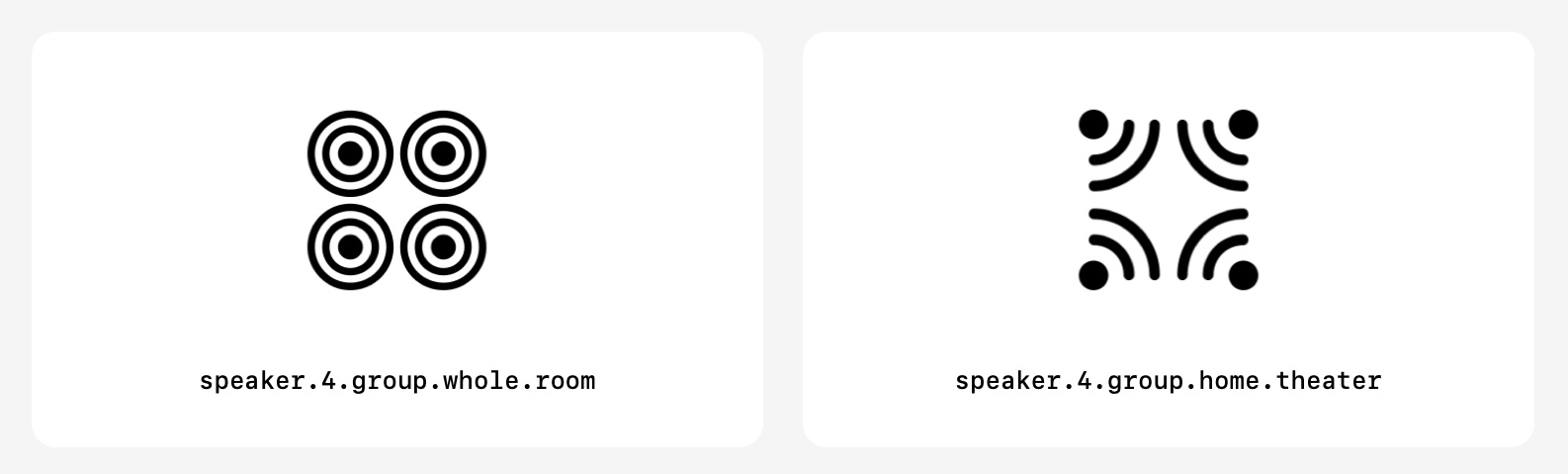
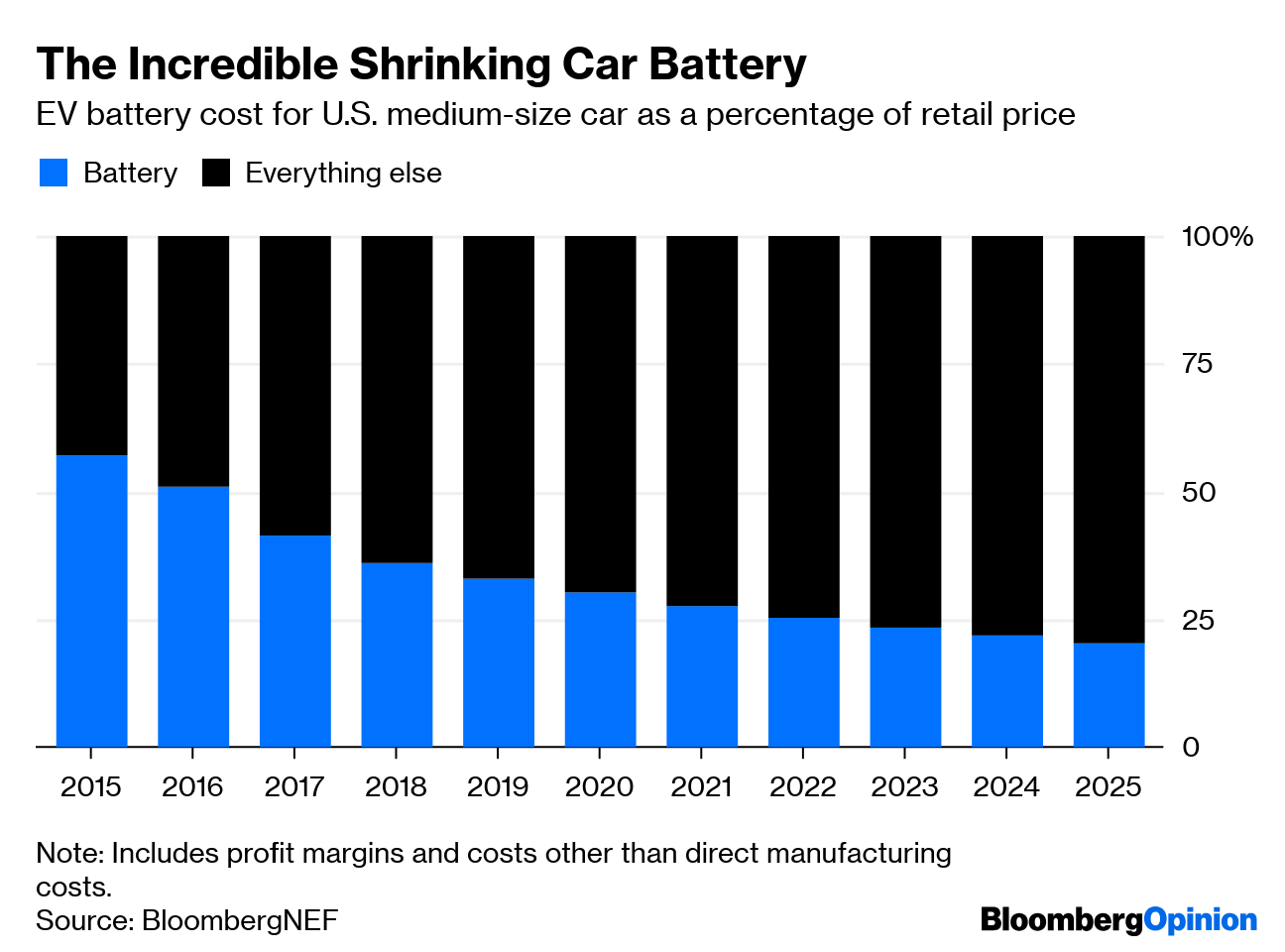
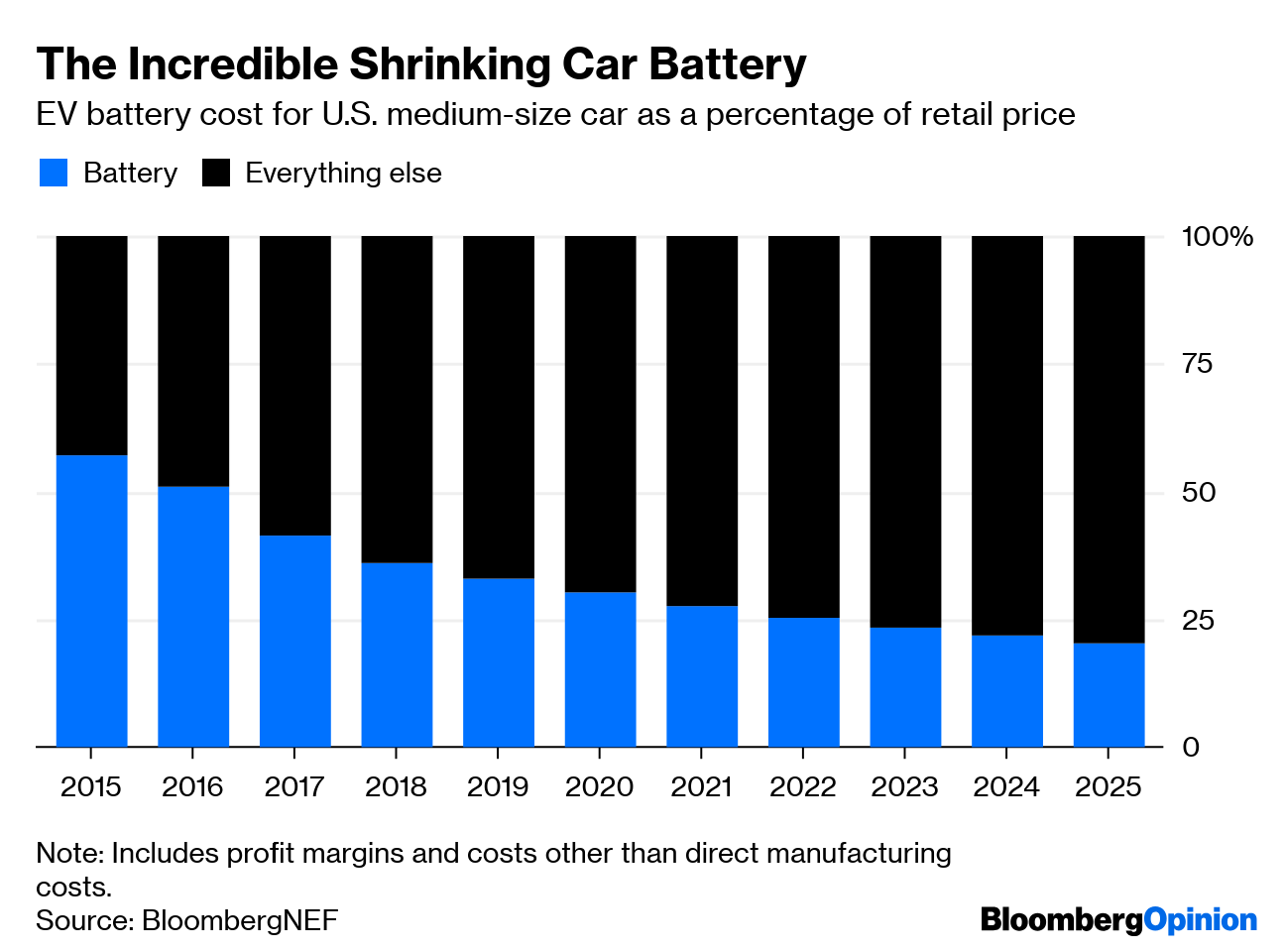

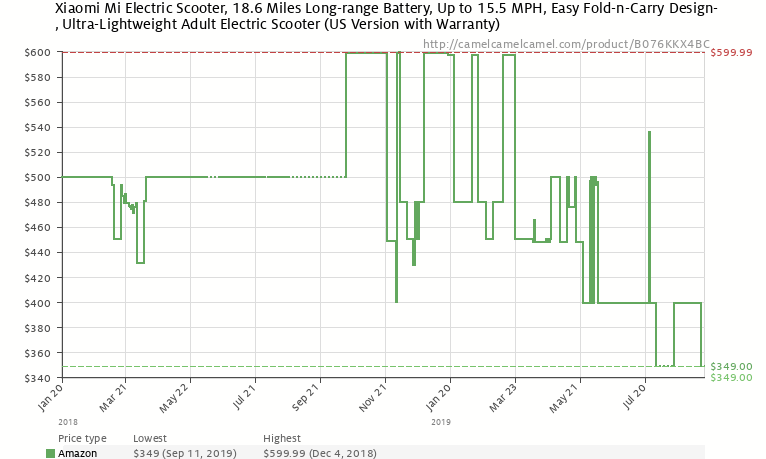
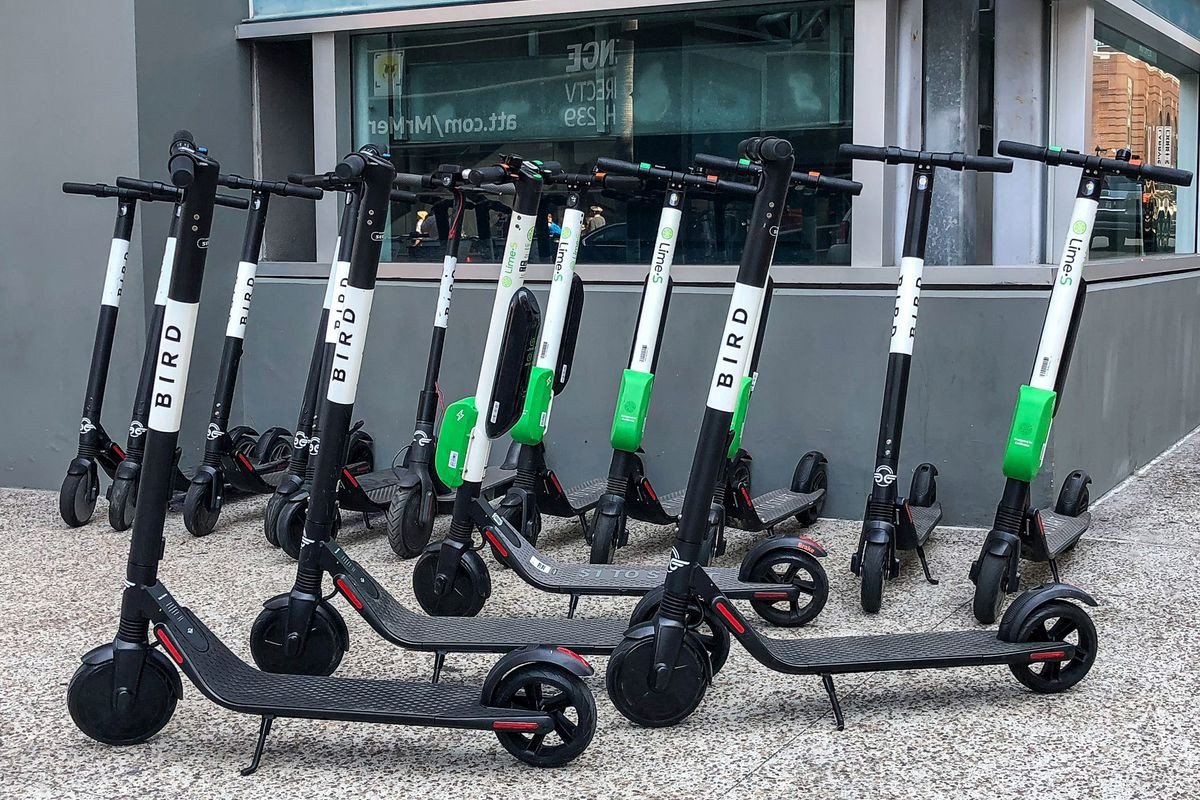
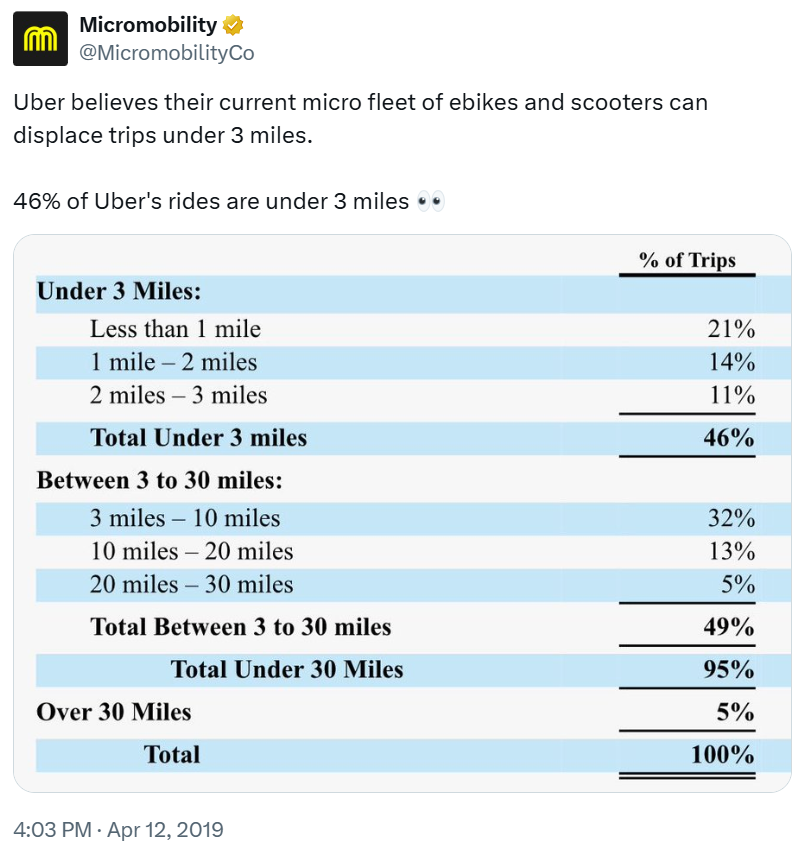
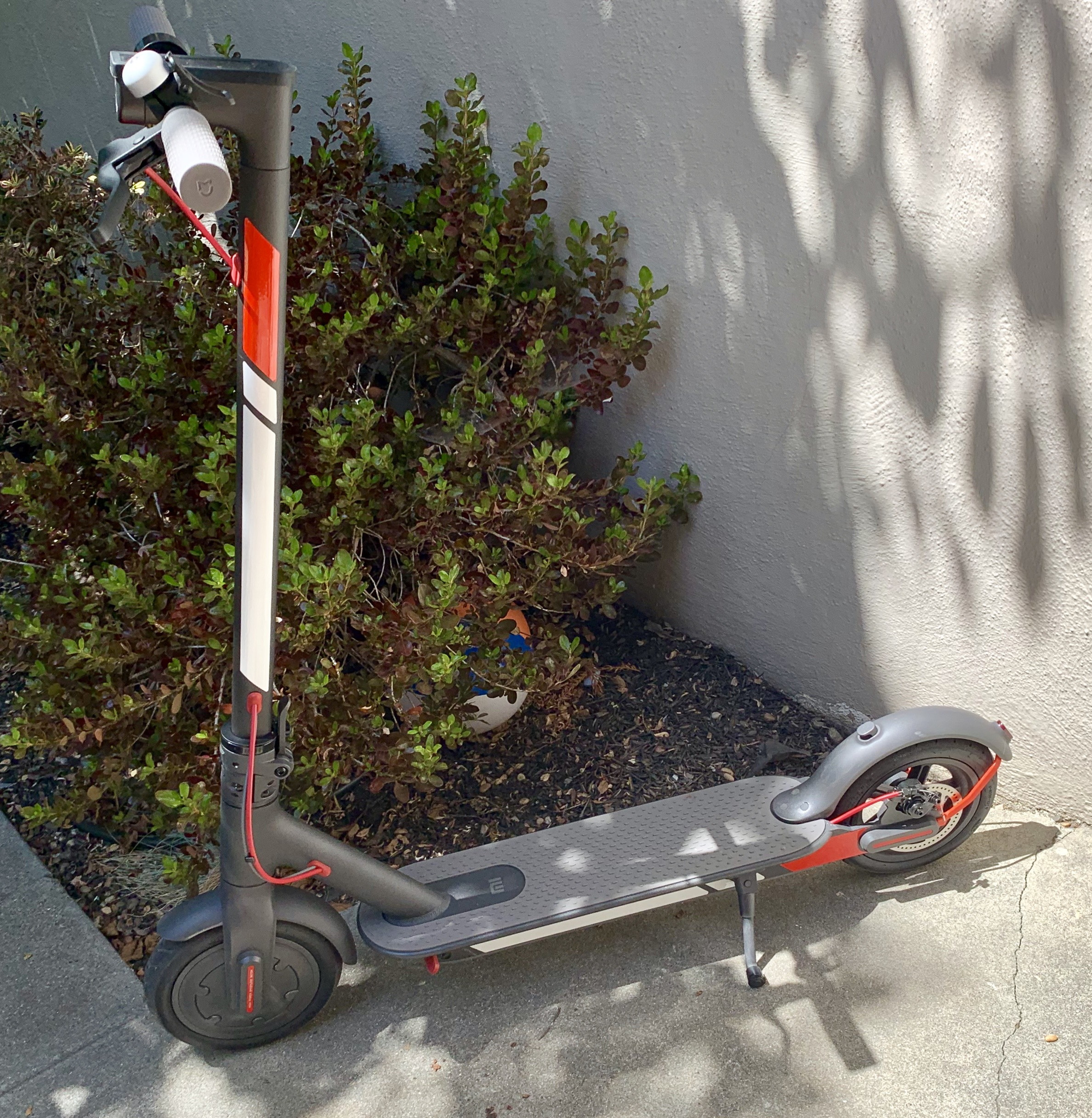
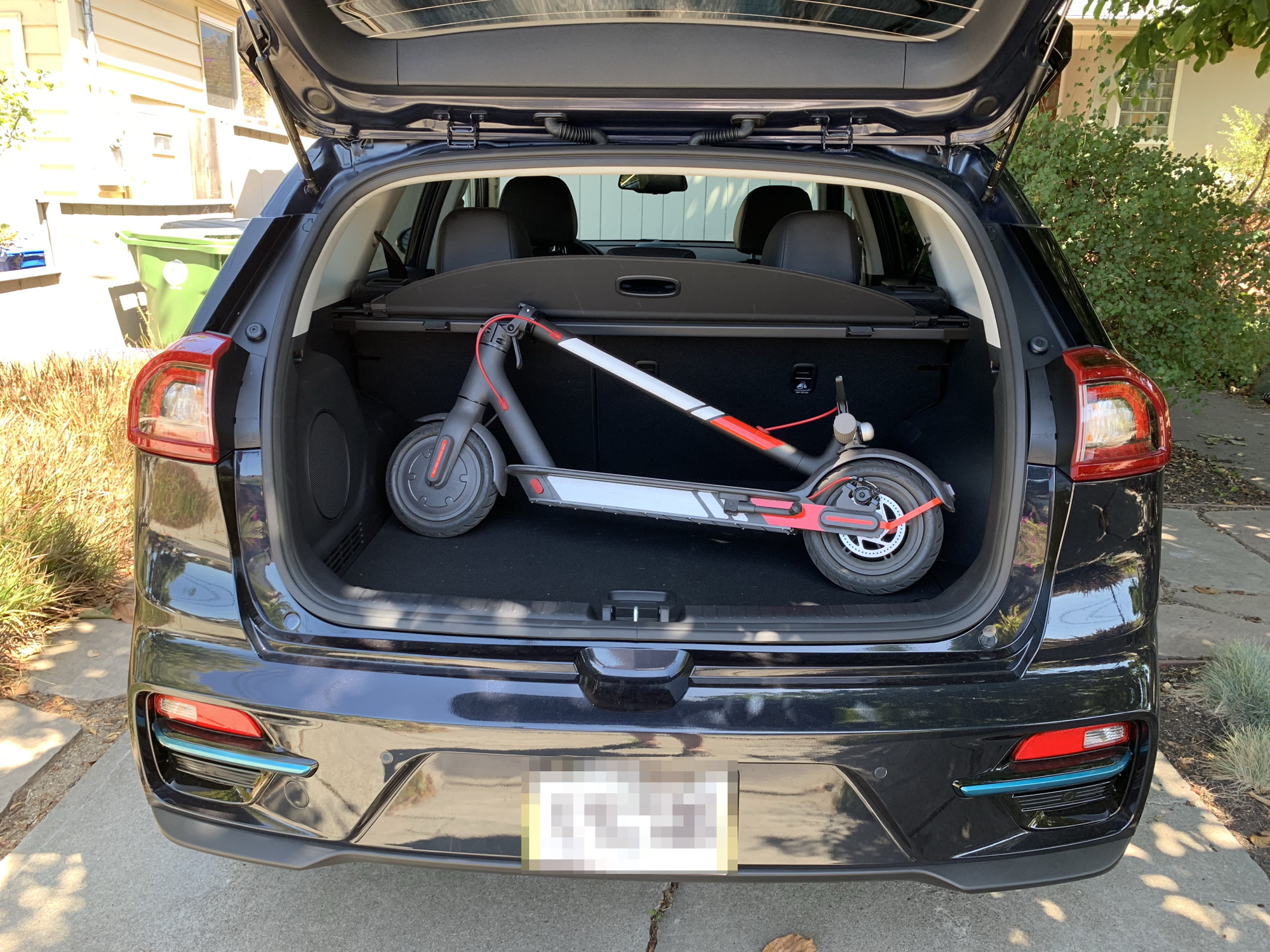
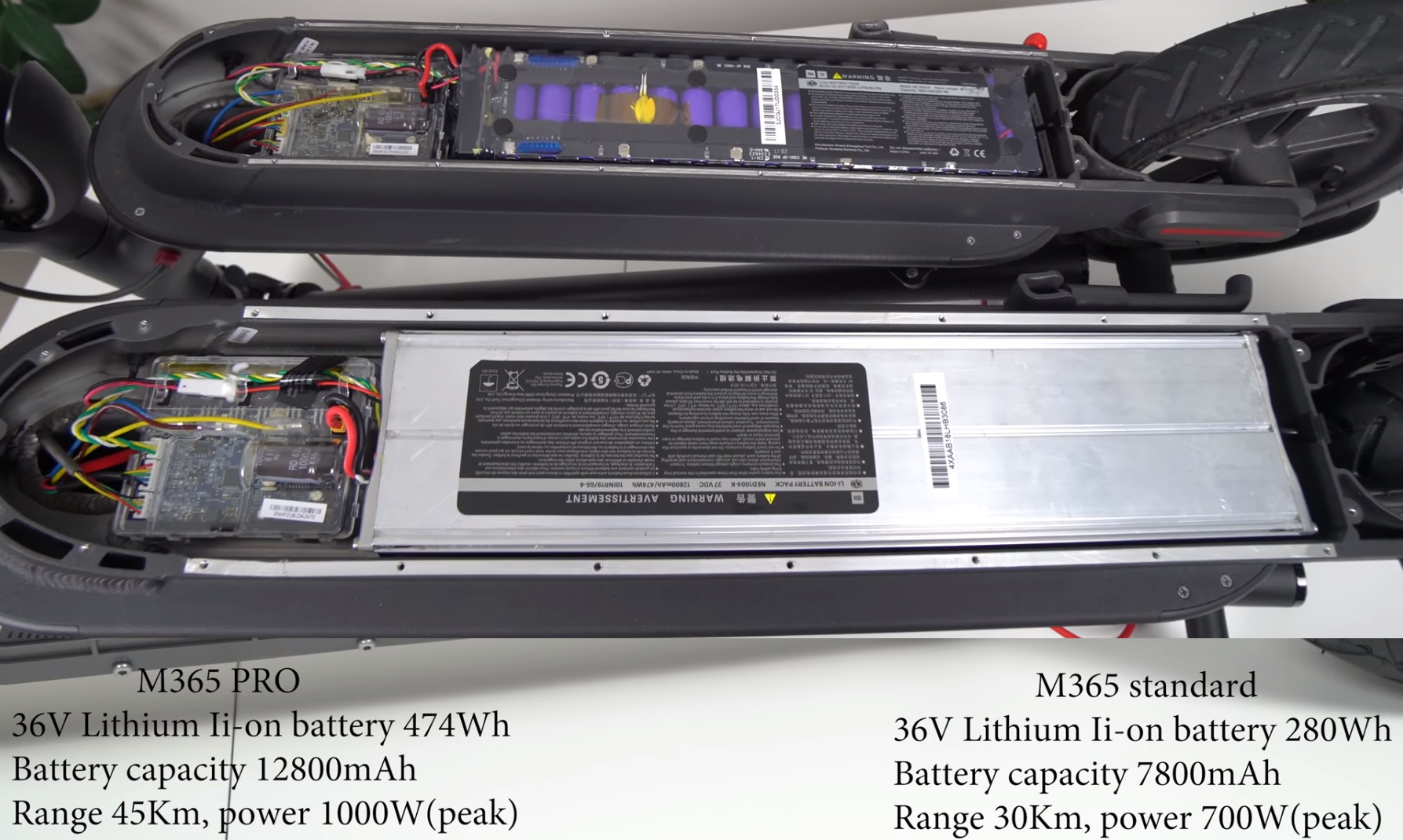










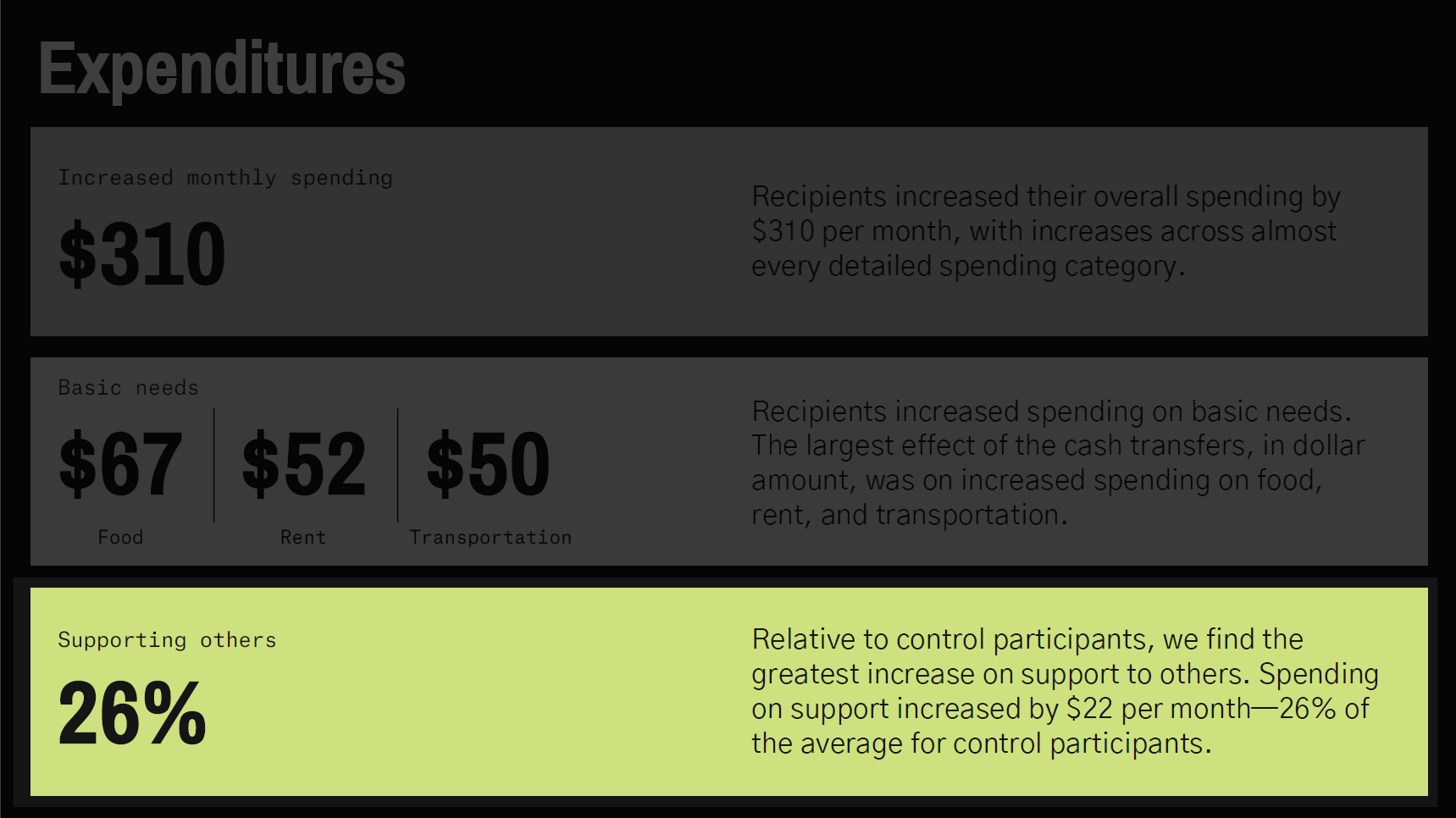

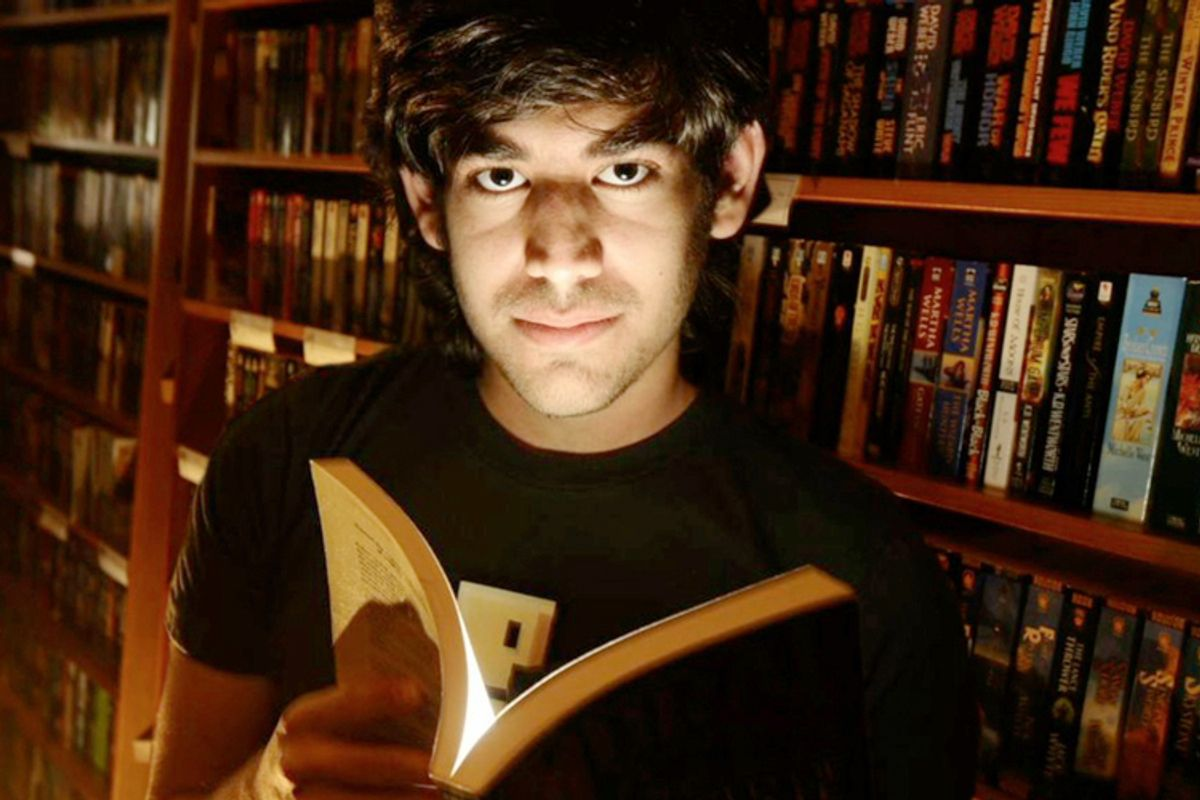




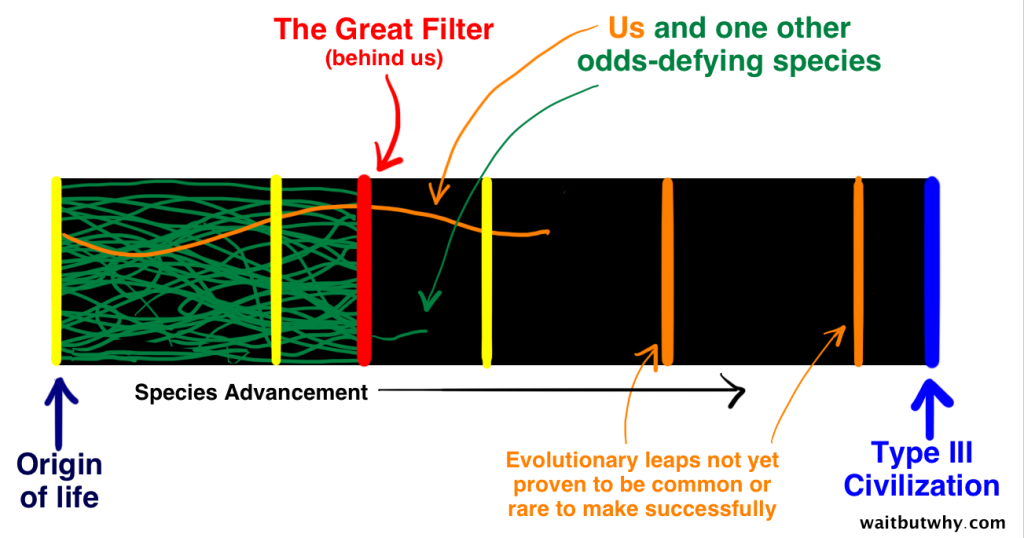
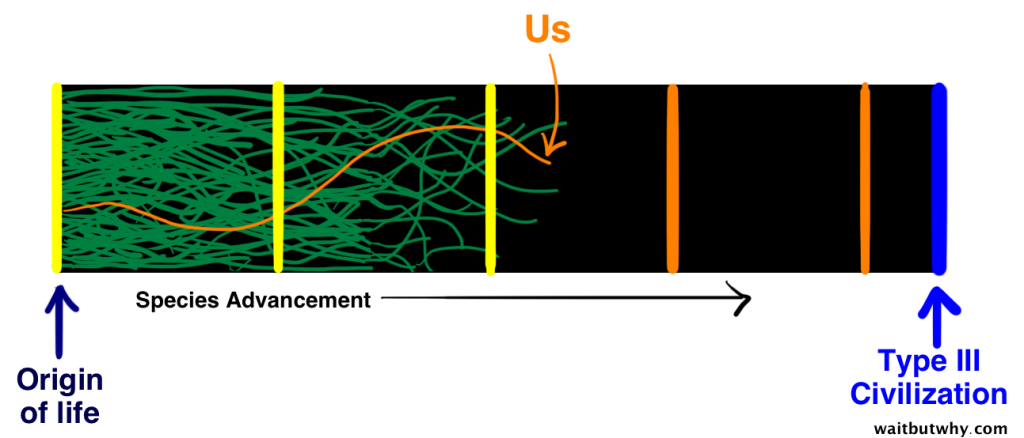
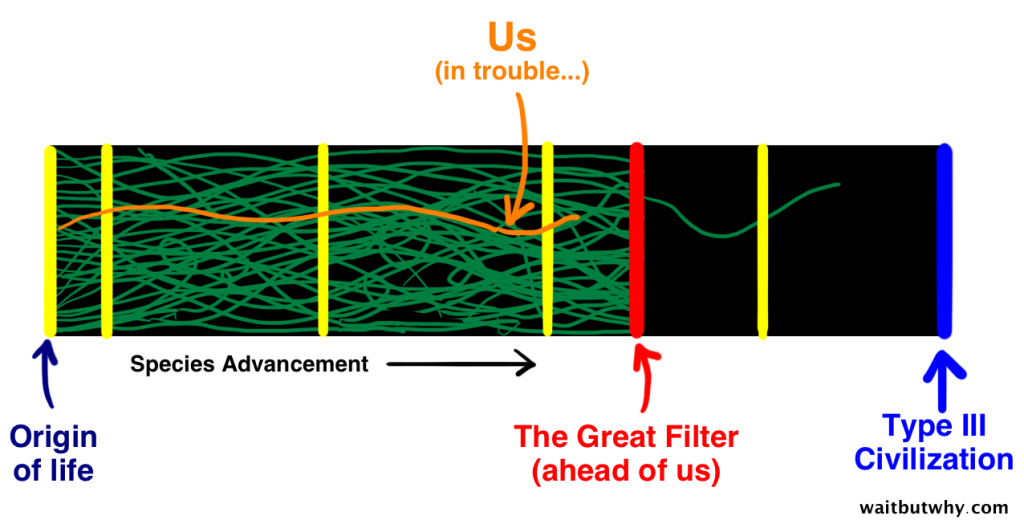


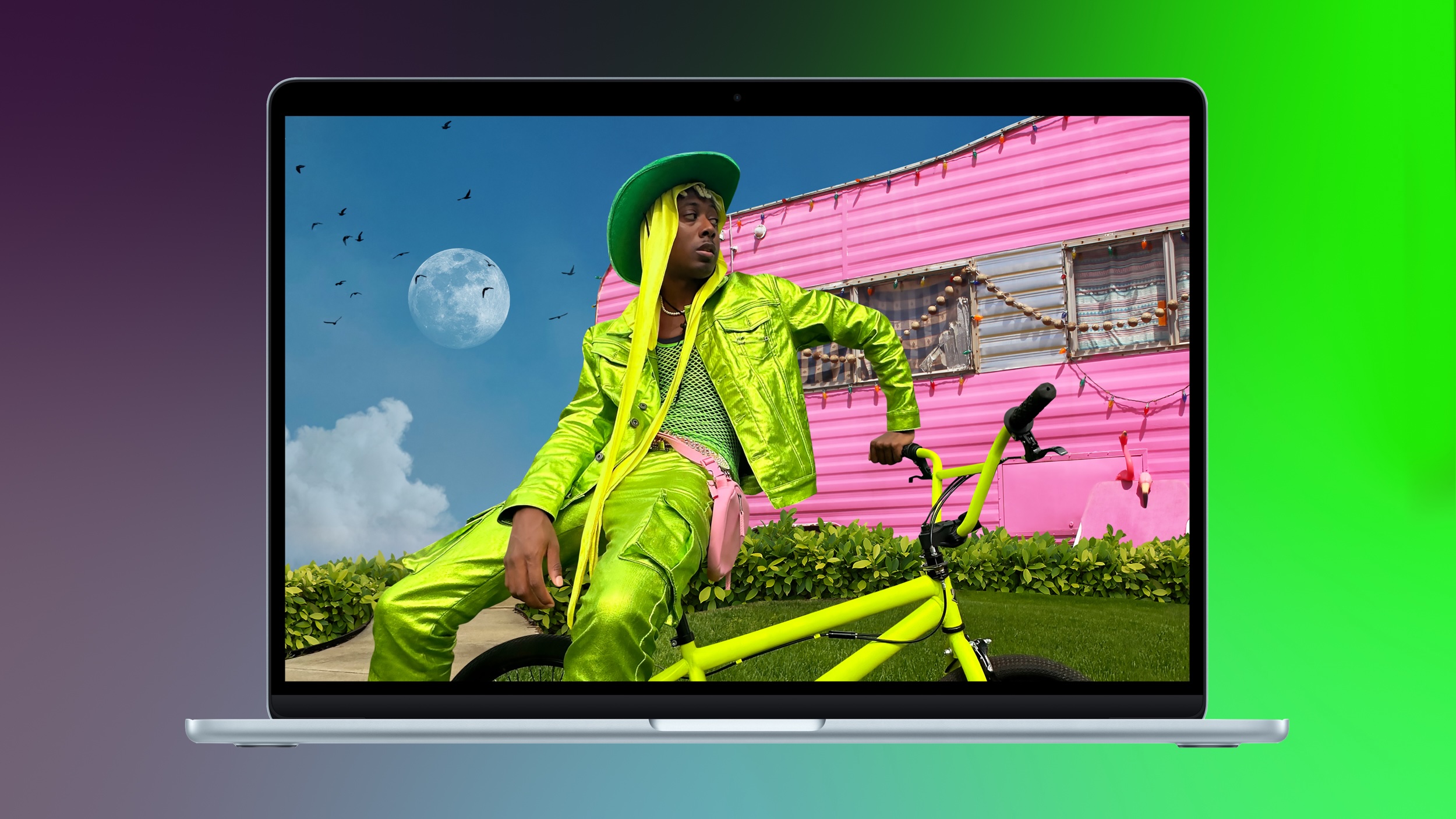 Note: MacRumors is an affiliate partner with some of these vendors. When you click a link and make a purchase, we may receive a small payment, which helps us keep the site running.
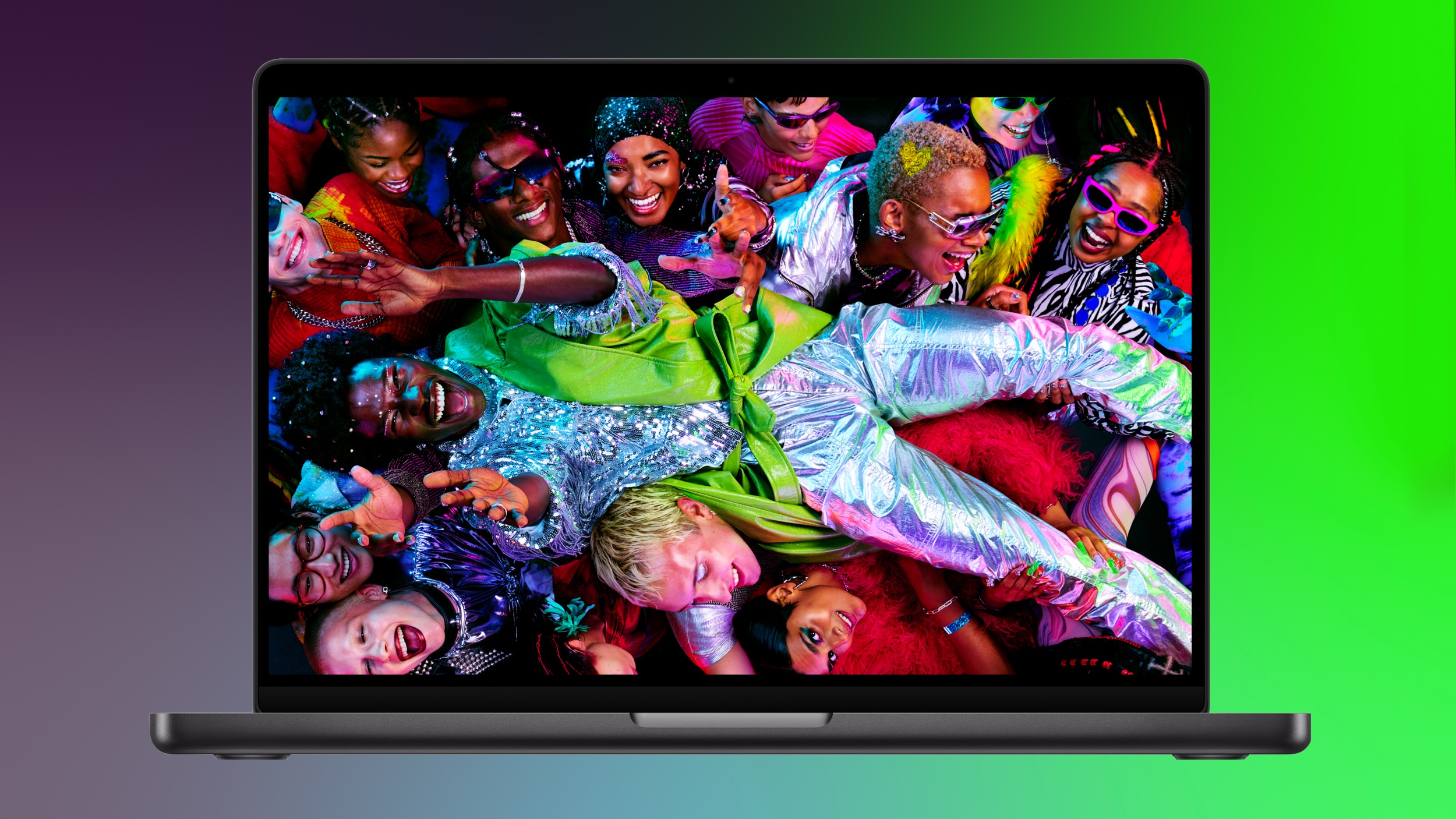


 Yesterday we reported that Apple tripled the number of iCloud Mail aliases users can create, from







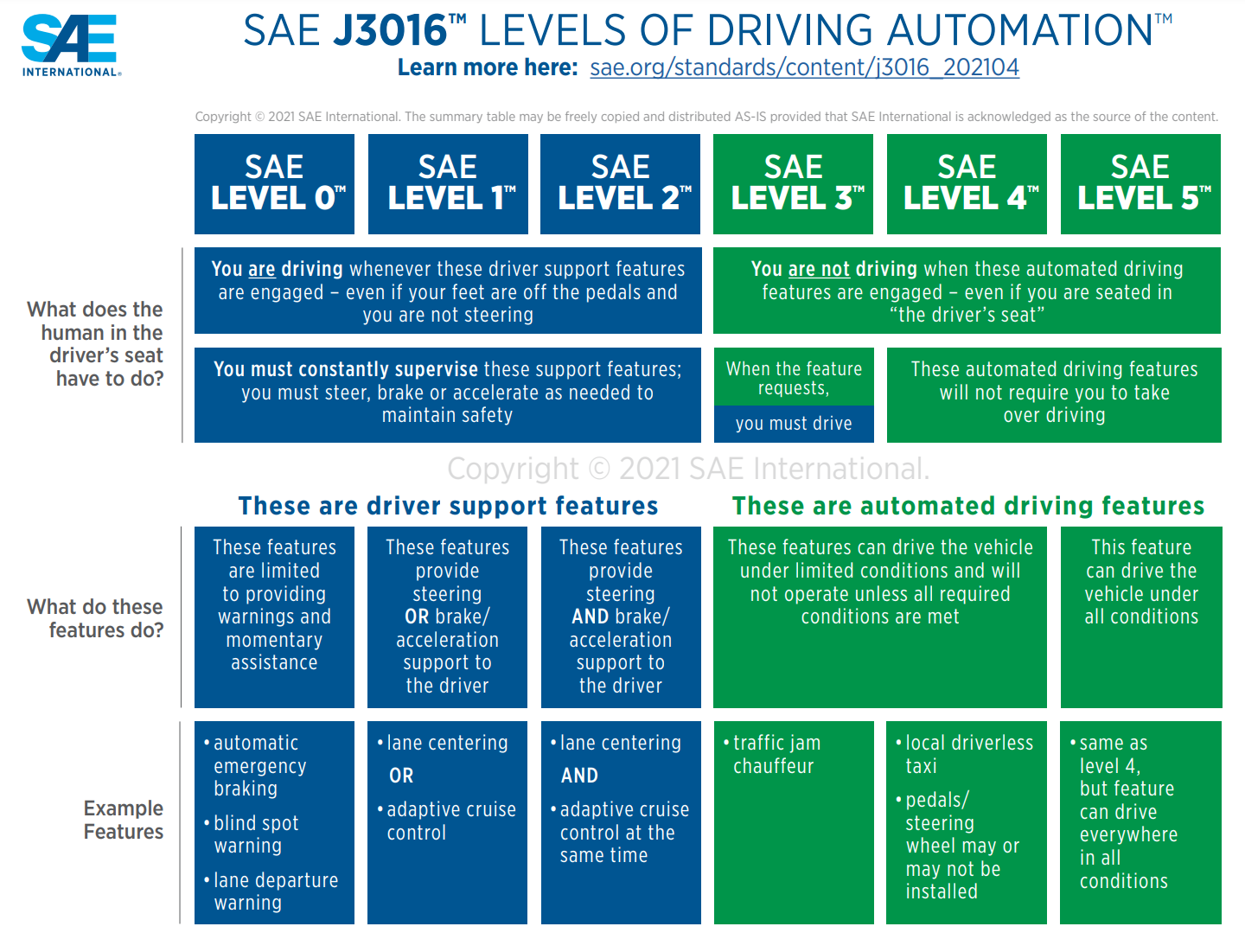

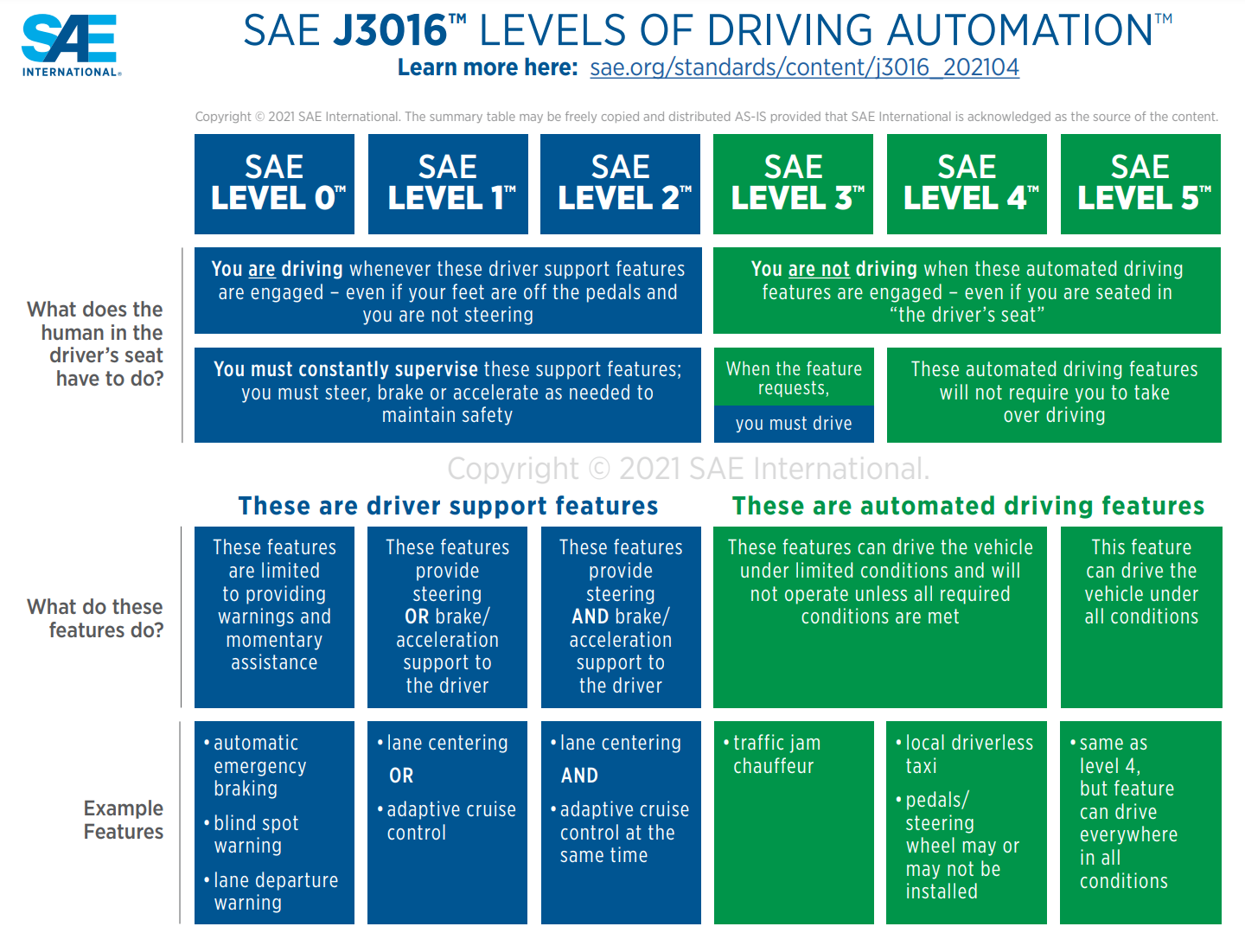






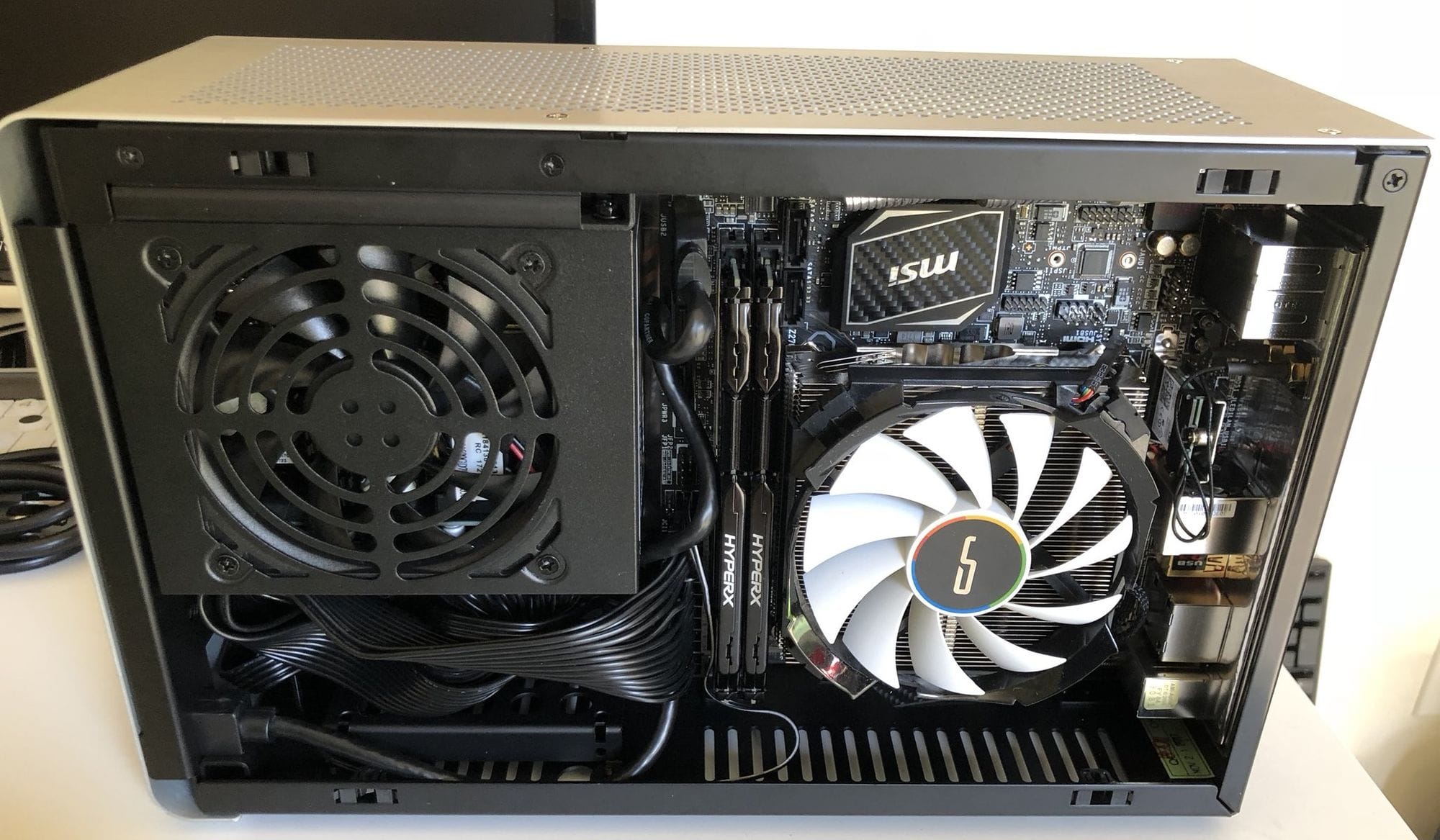
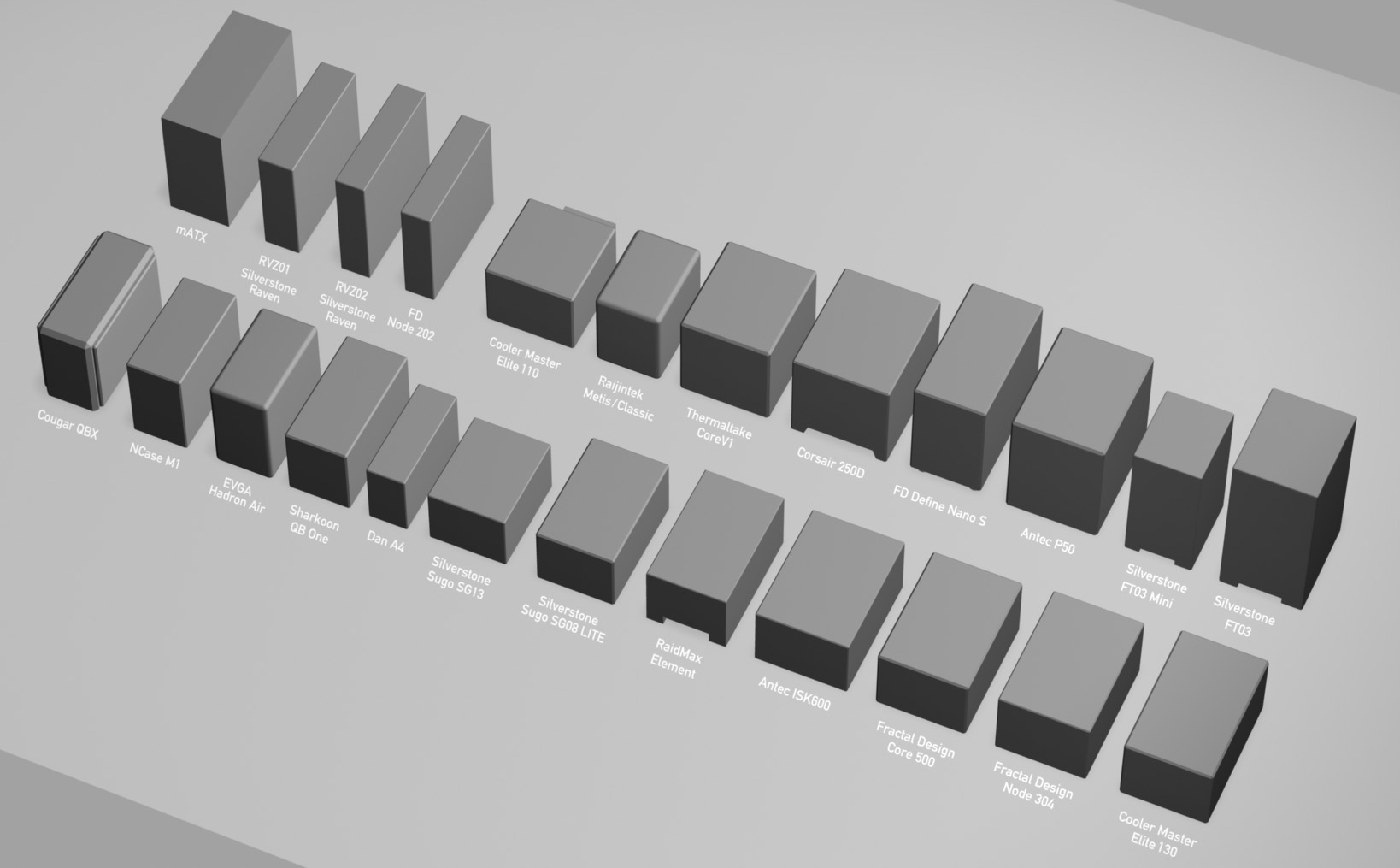
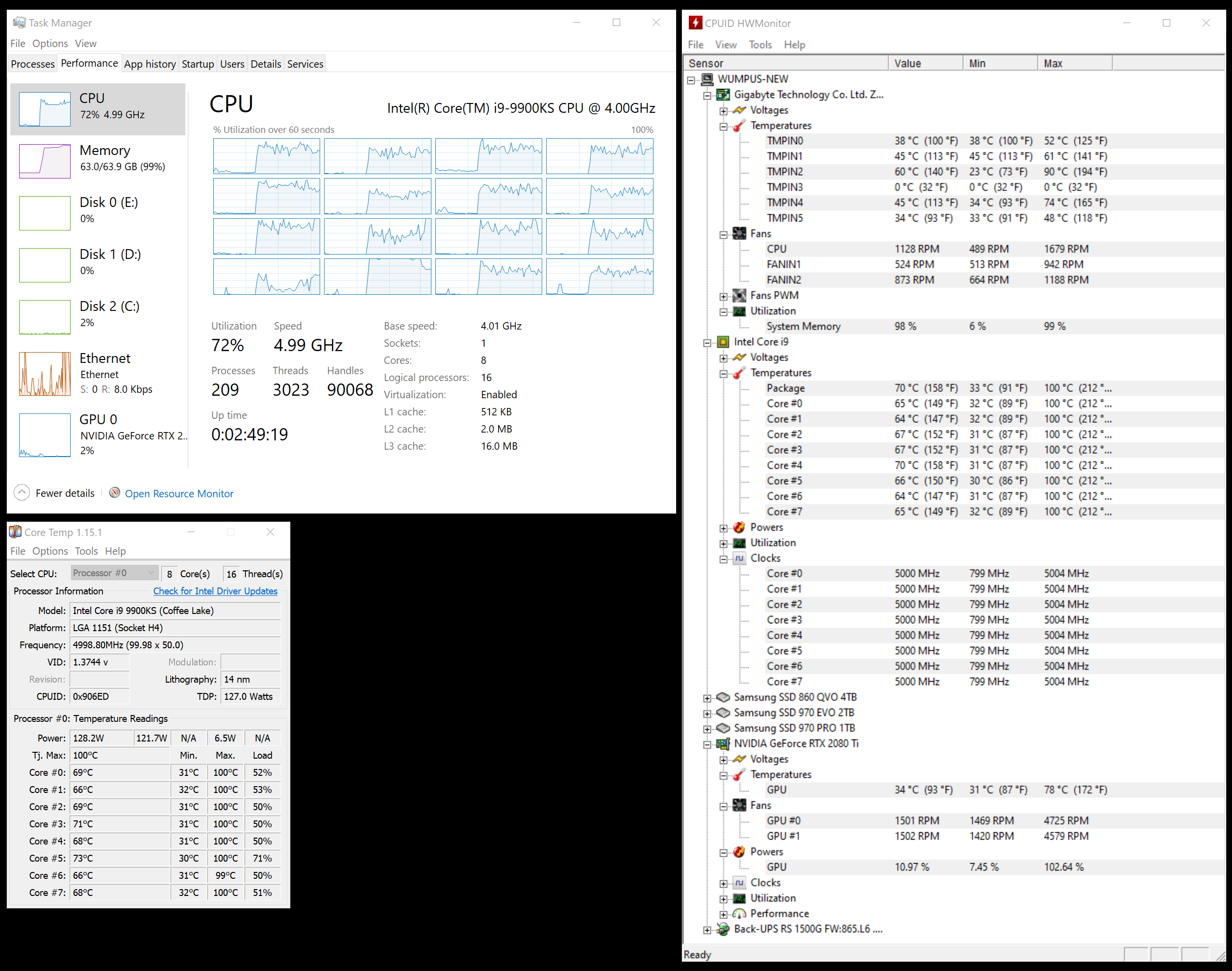
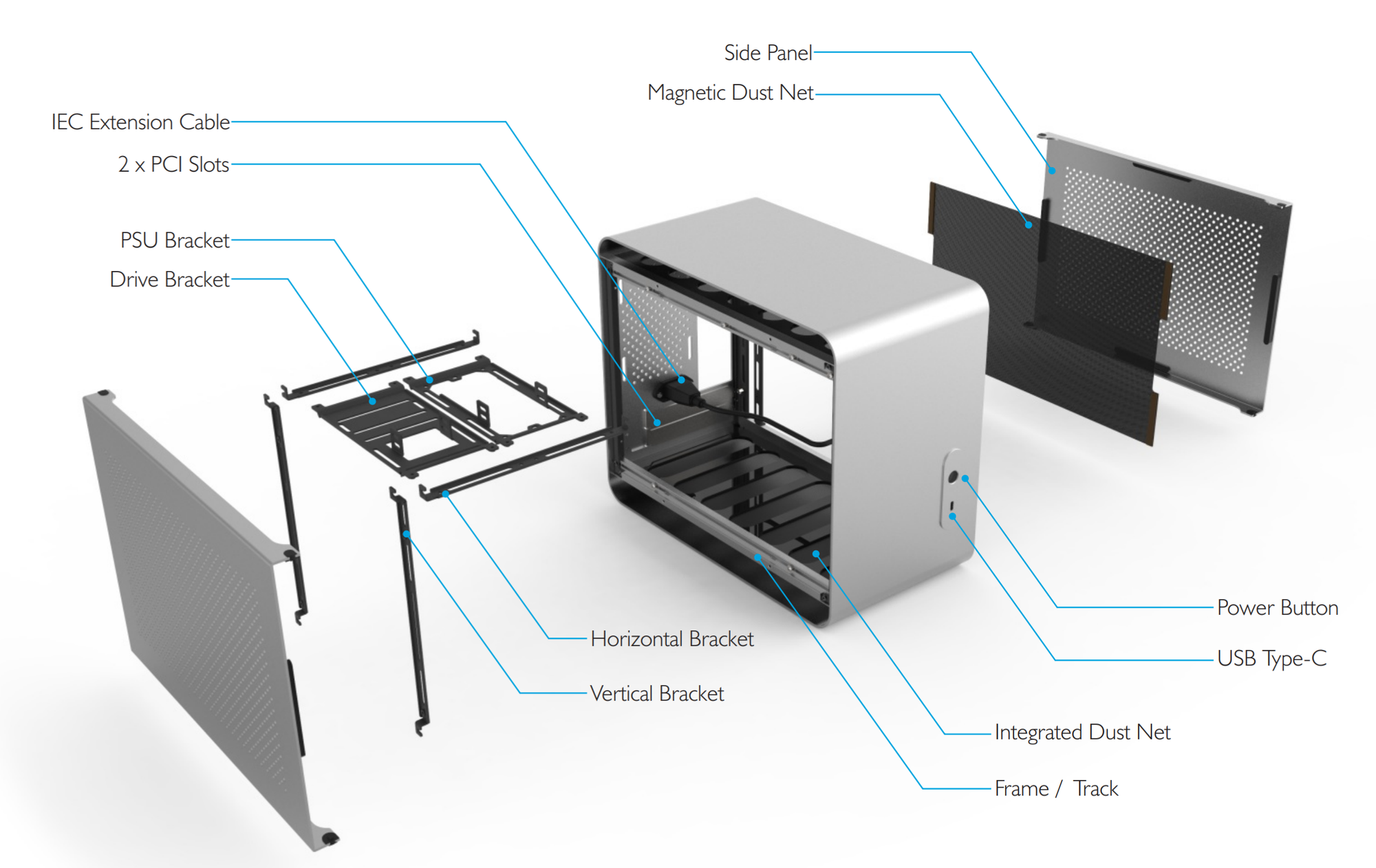
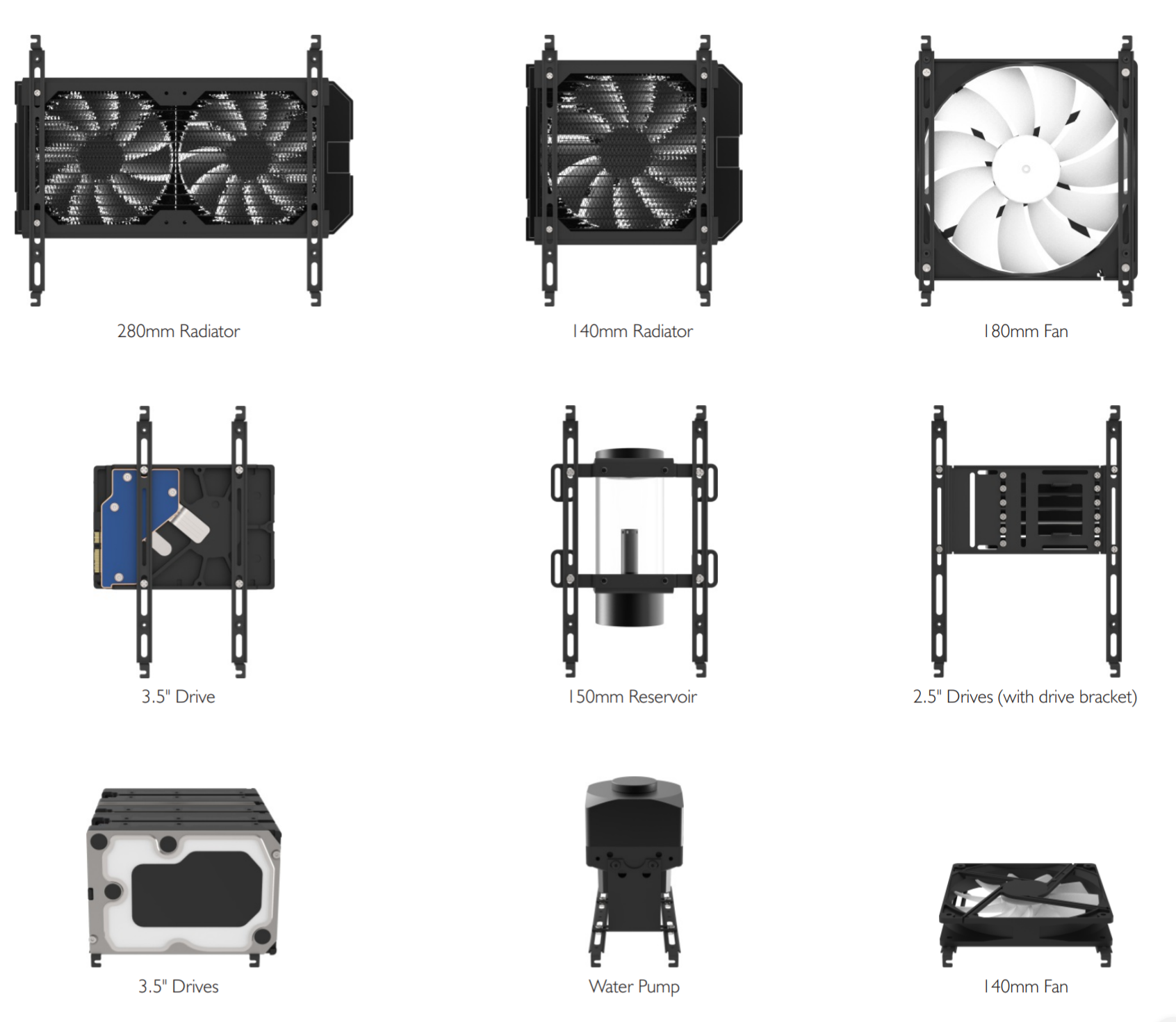
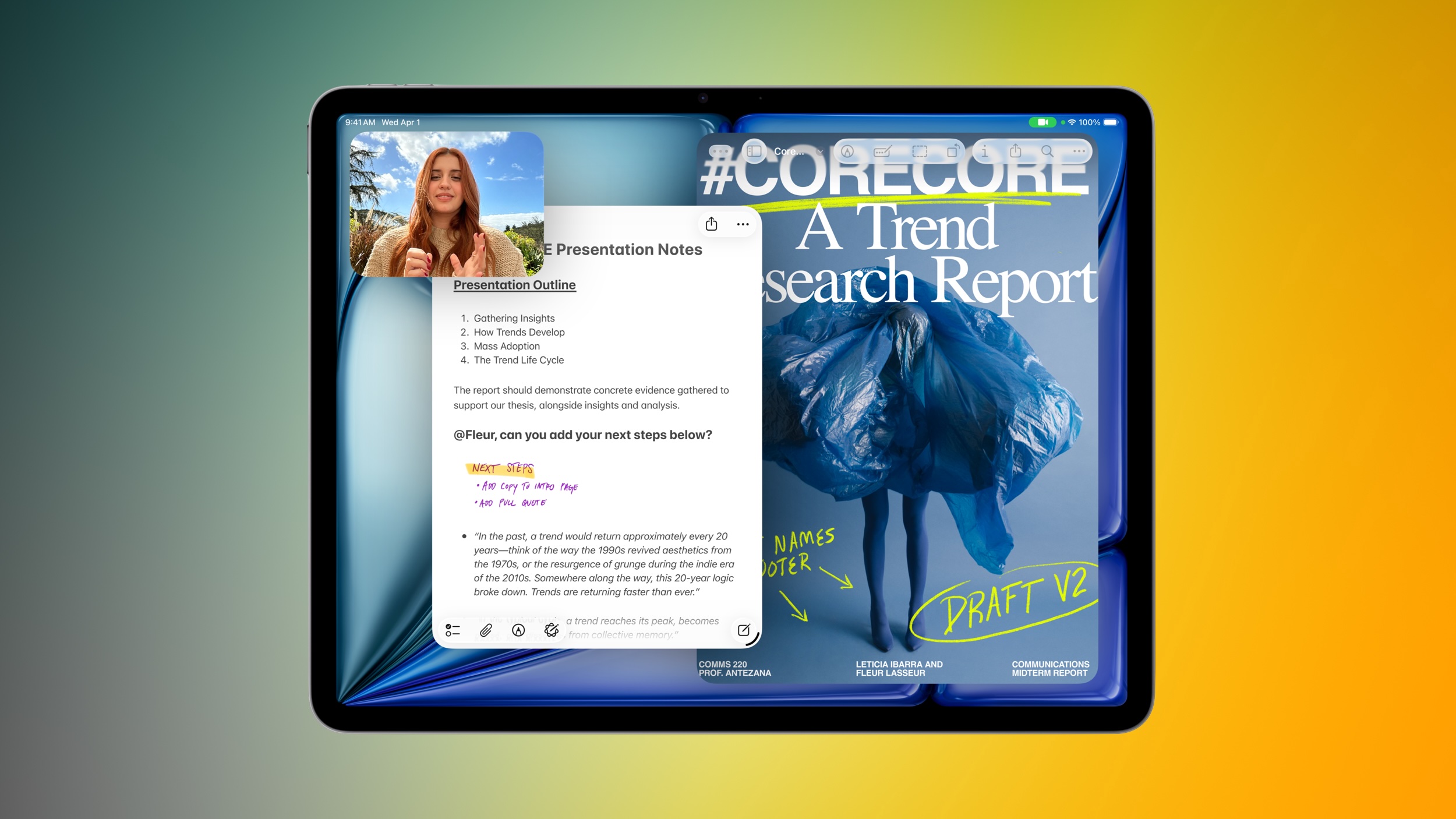 Note: MacRumors is an affiliate partner with some of these vendors. When you click a link and make a purchase, we may receive a small payment, which helps us keep the site running.





 Apple today announced that the all-new "Crossy Road" spinoff game "













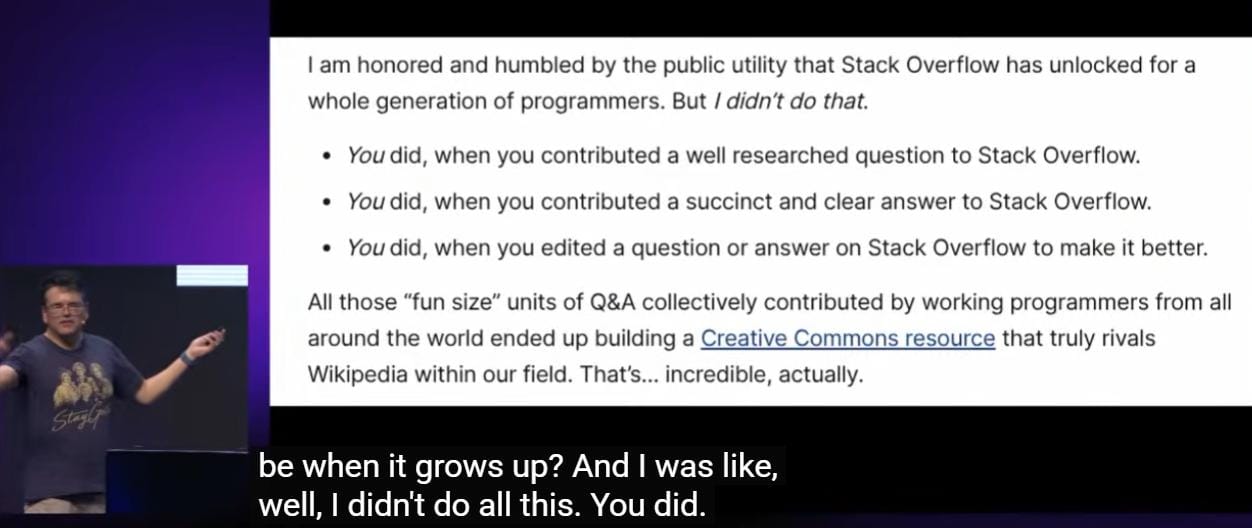



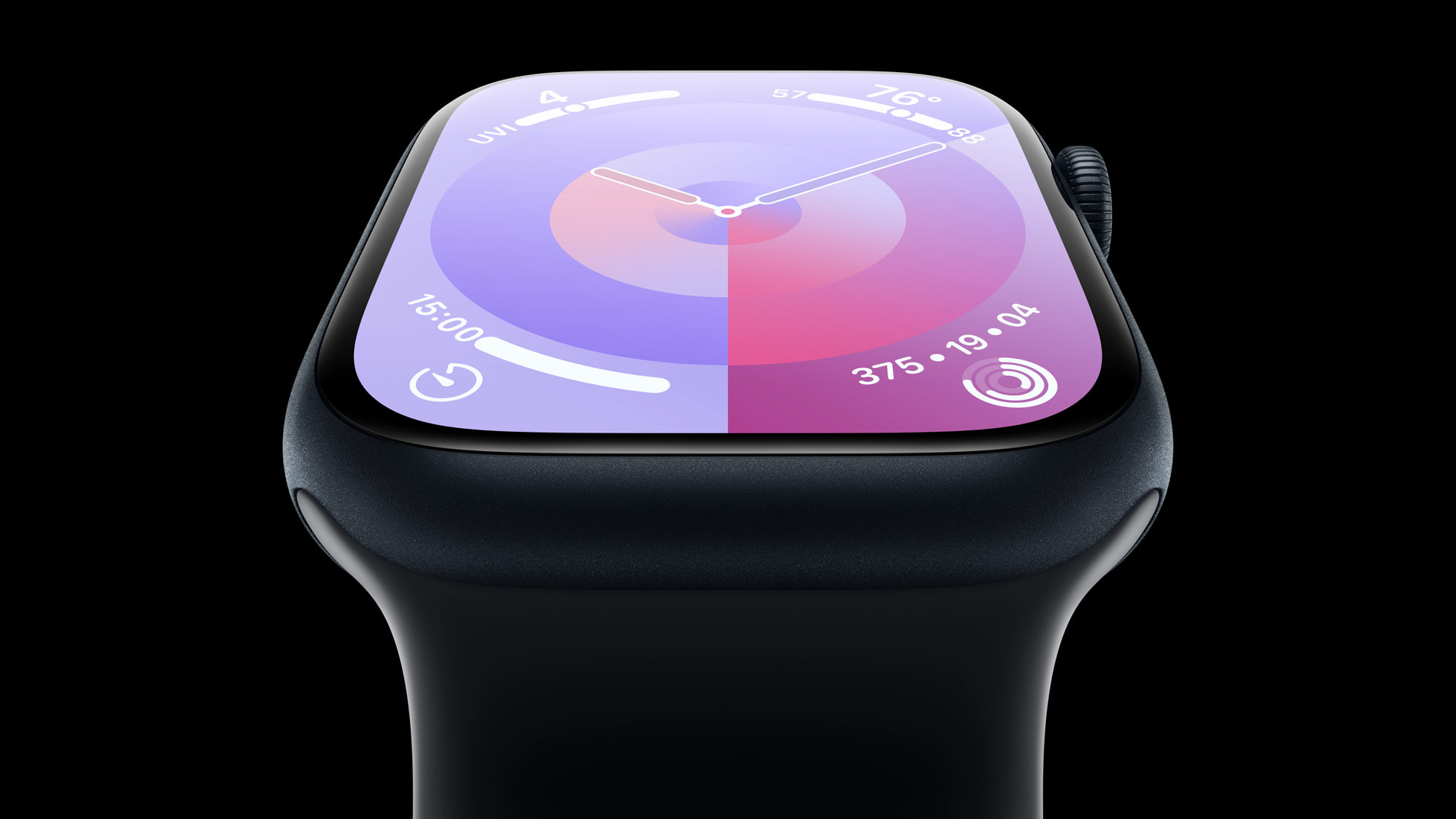




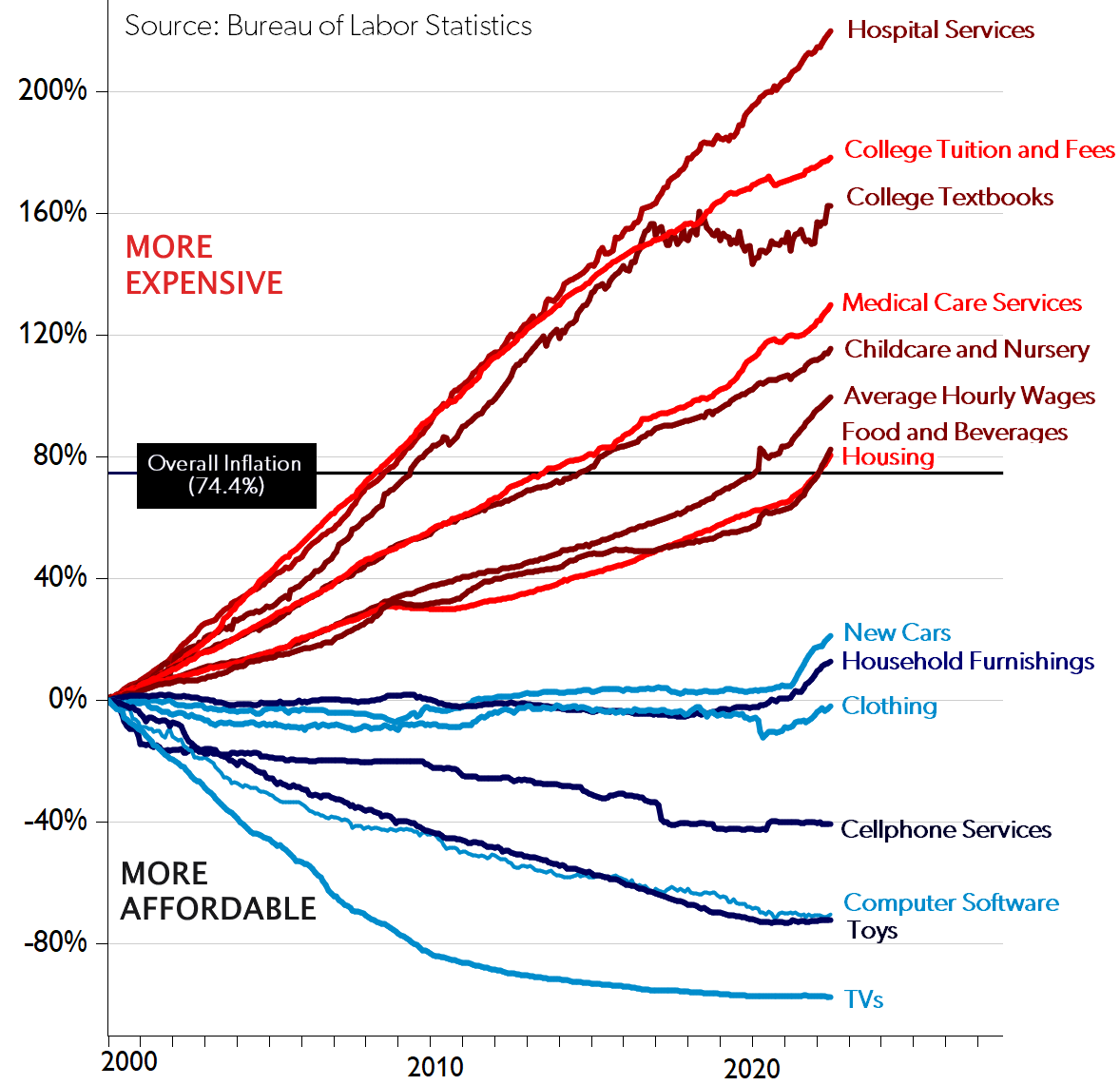
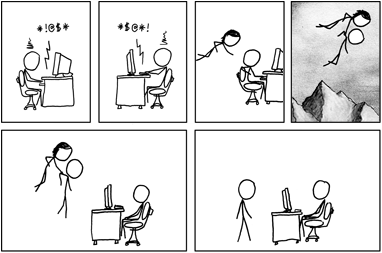
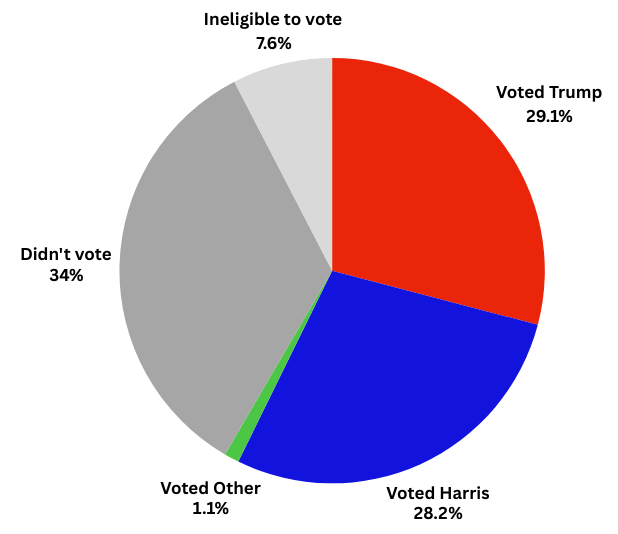
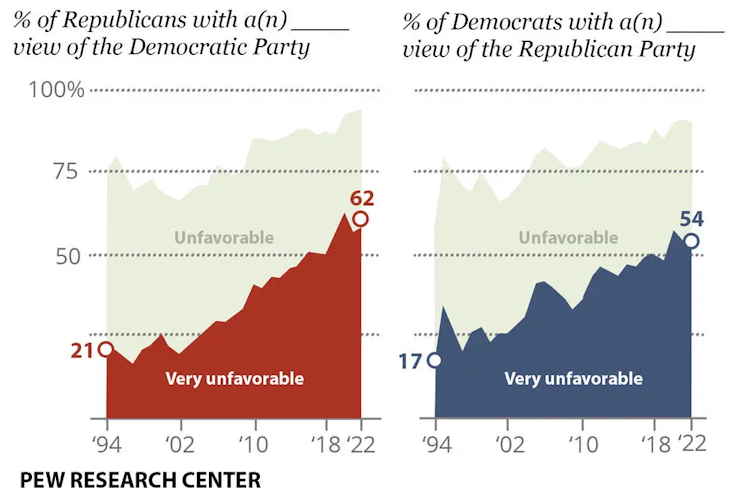






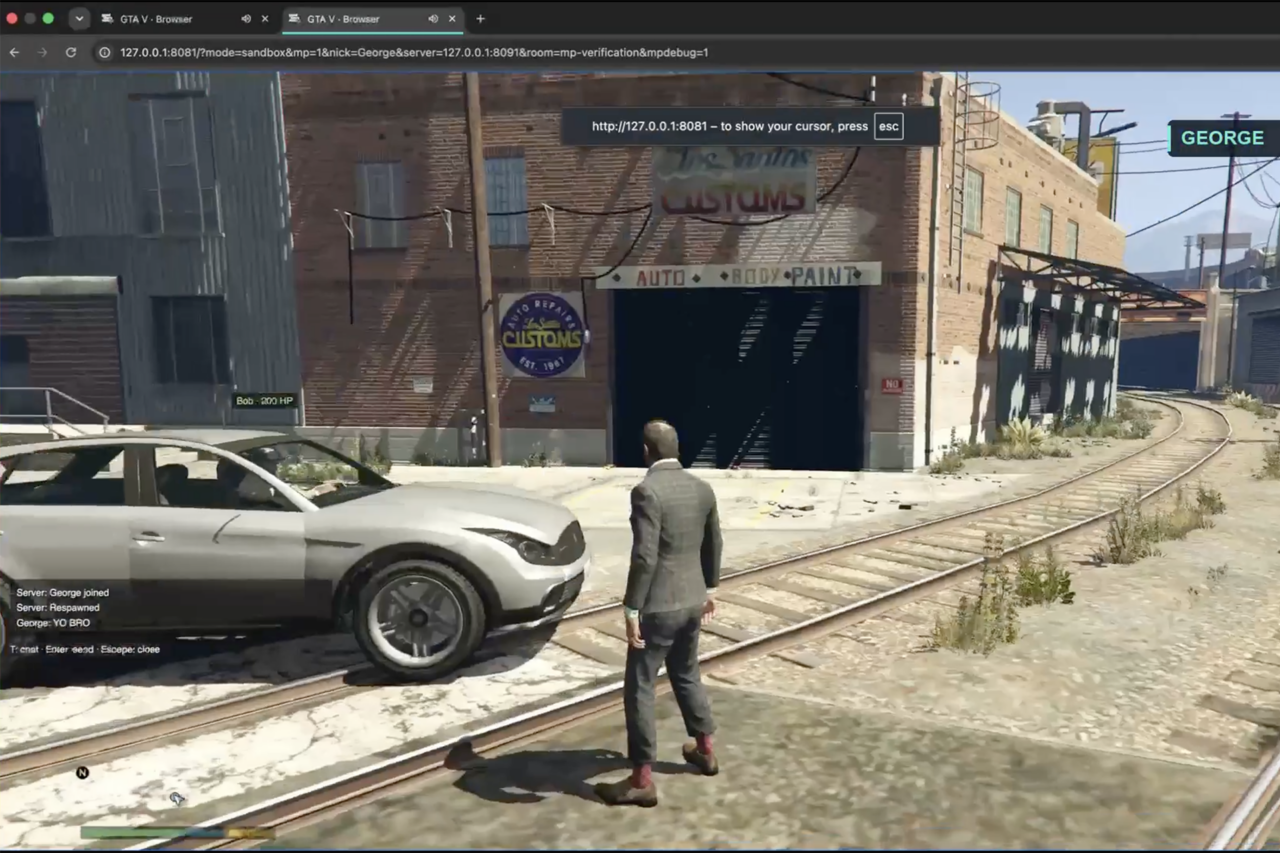






 Note: MacRumors is an affiliate partner with Amazon. When you click a link and make a purchase, we may receive a small payment, which helps us keep the site running.
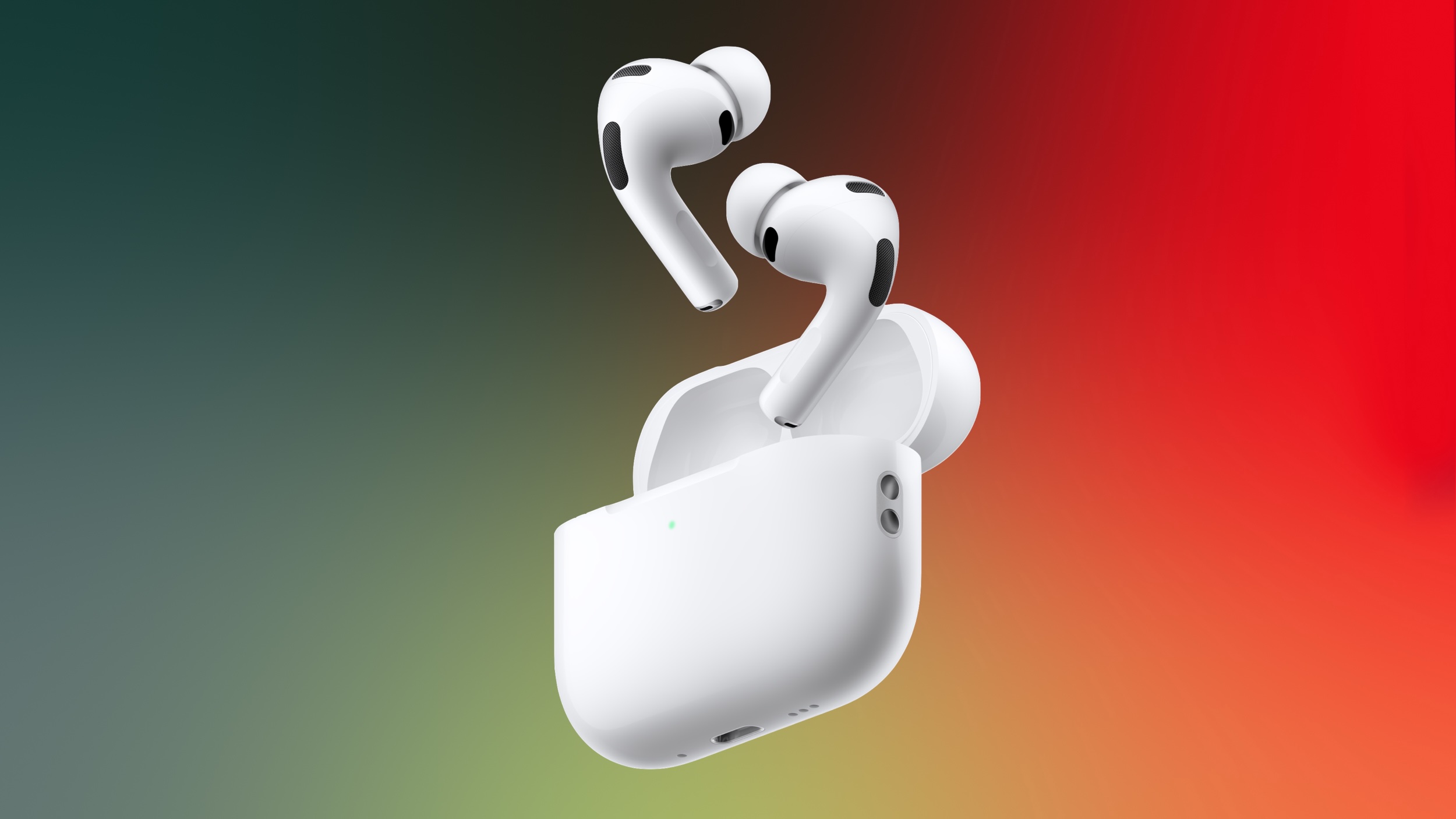
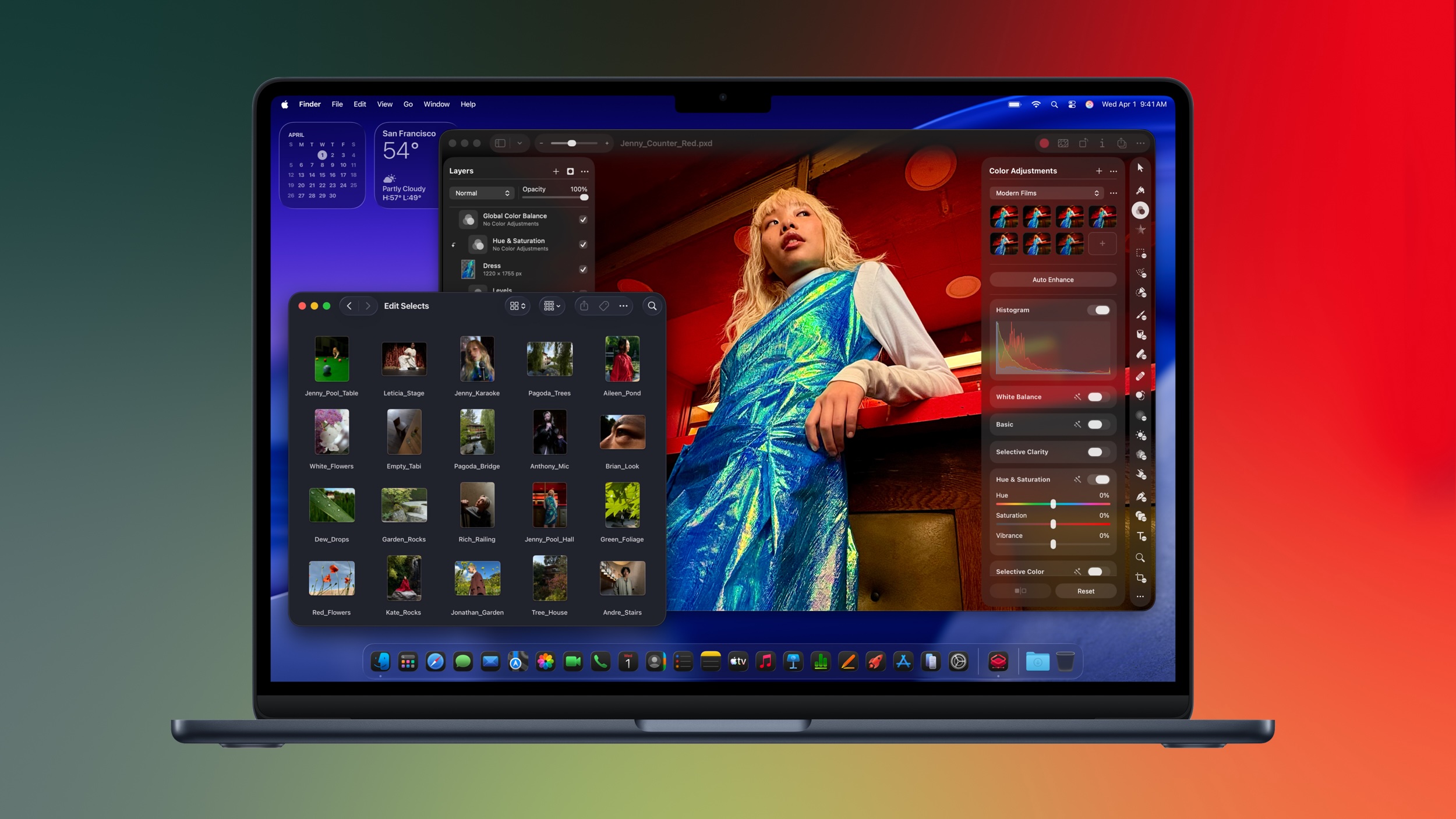
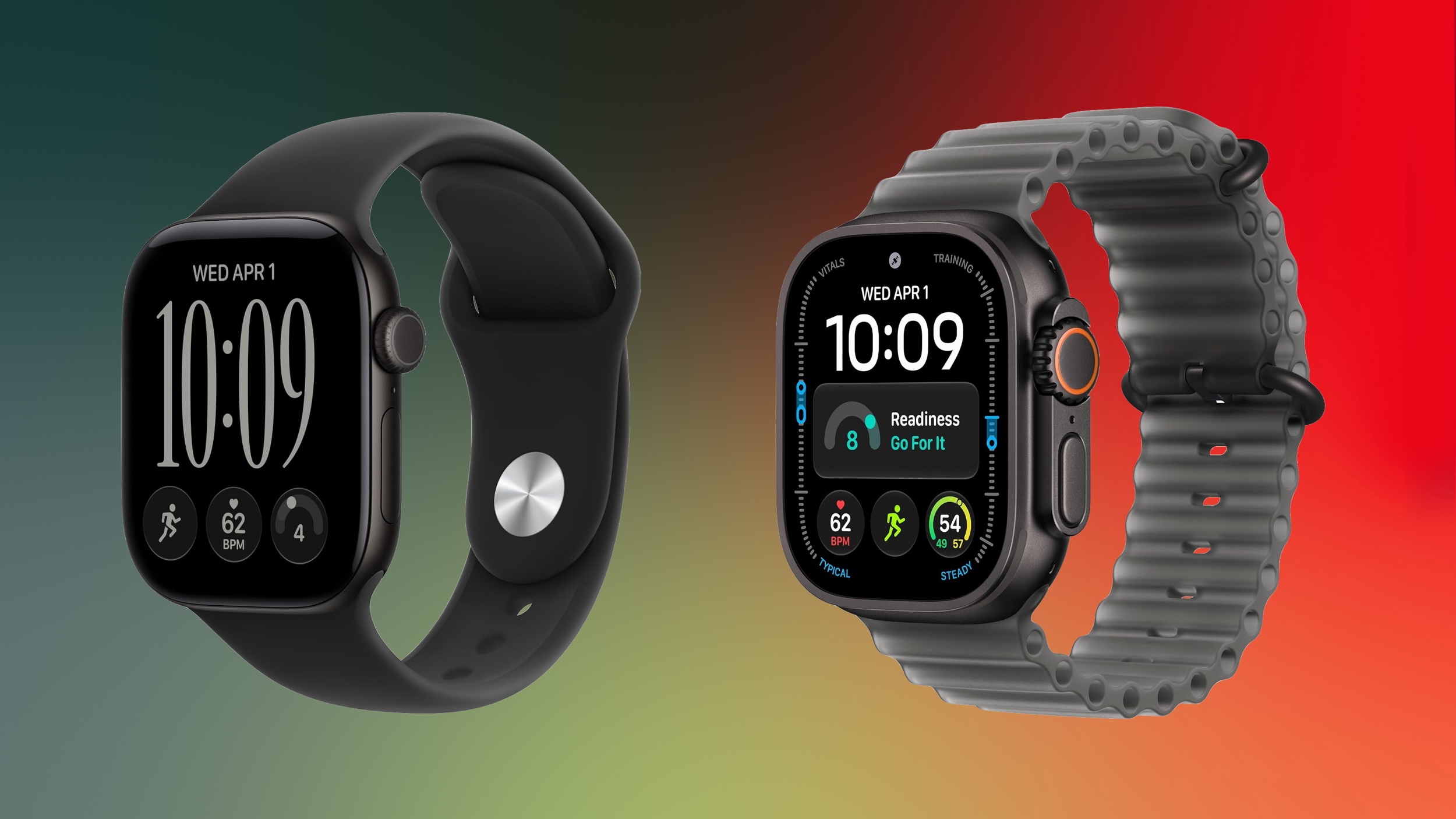
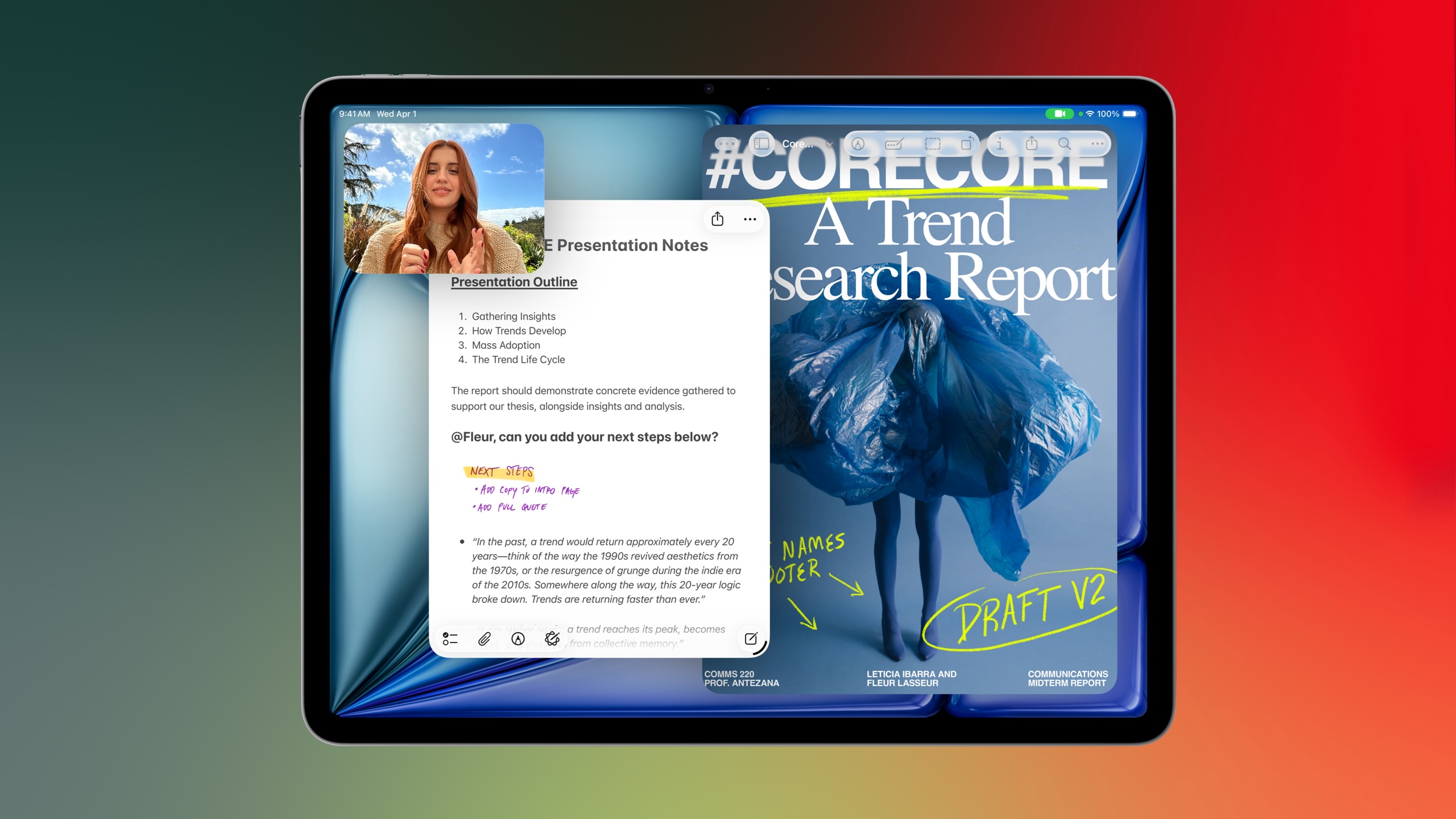












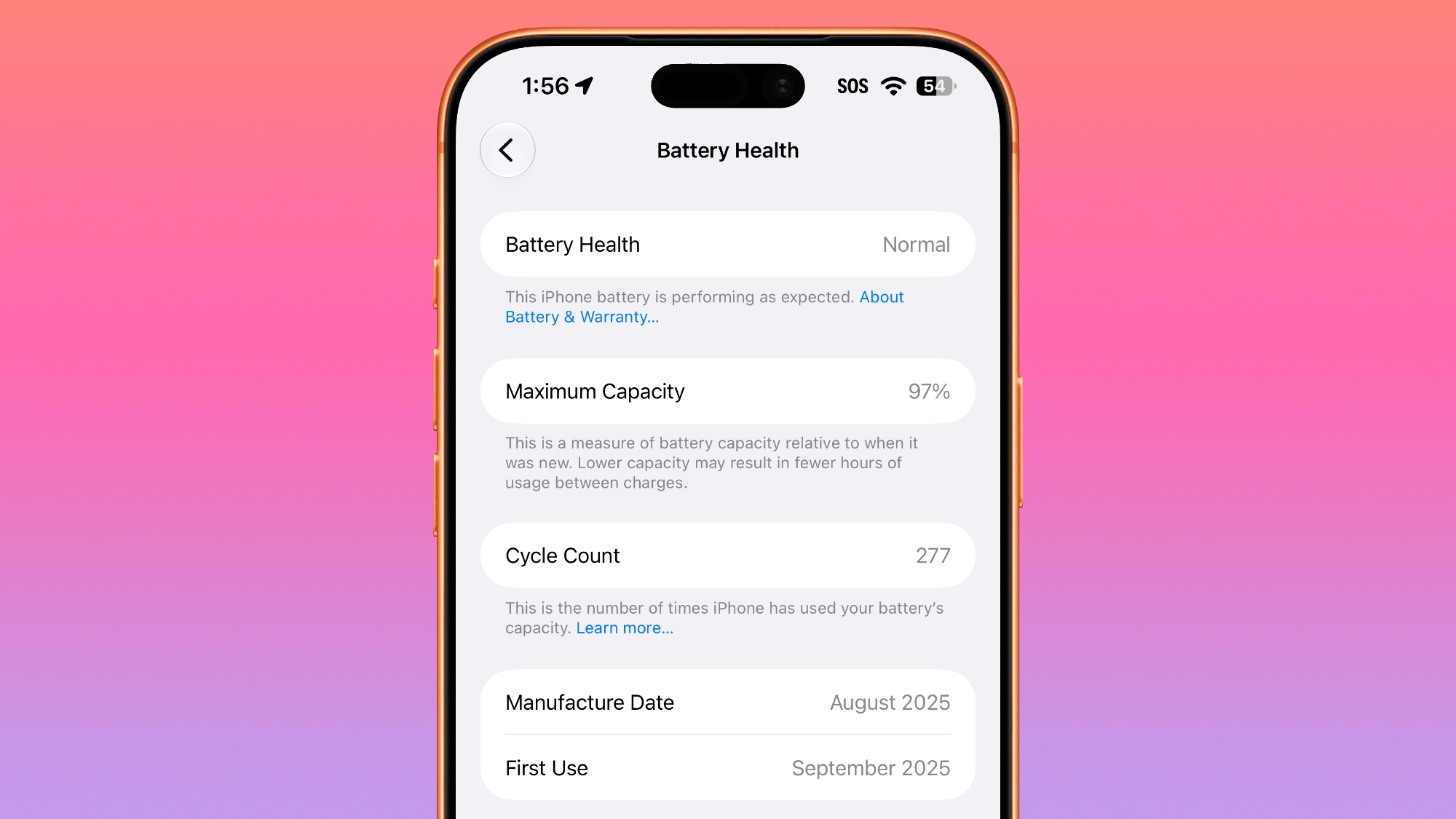











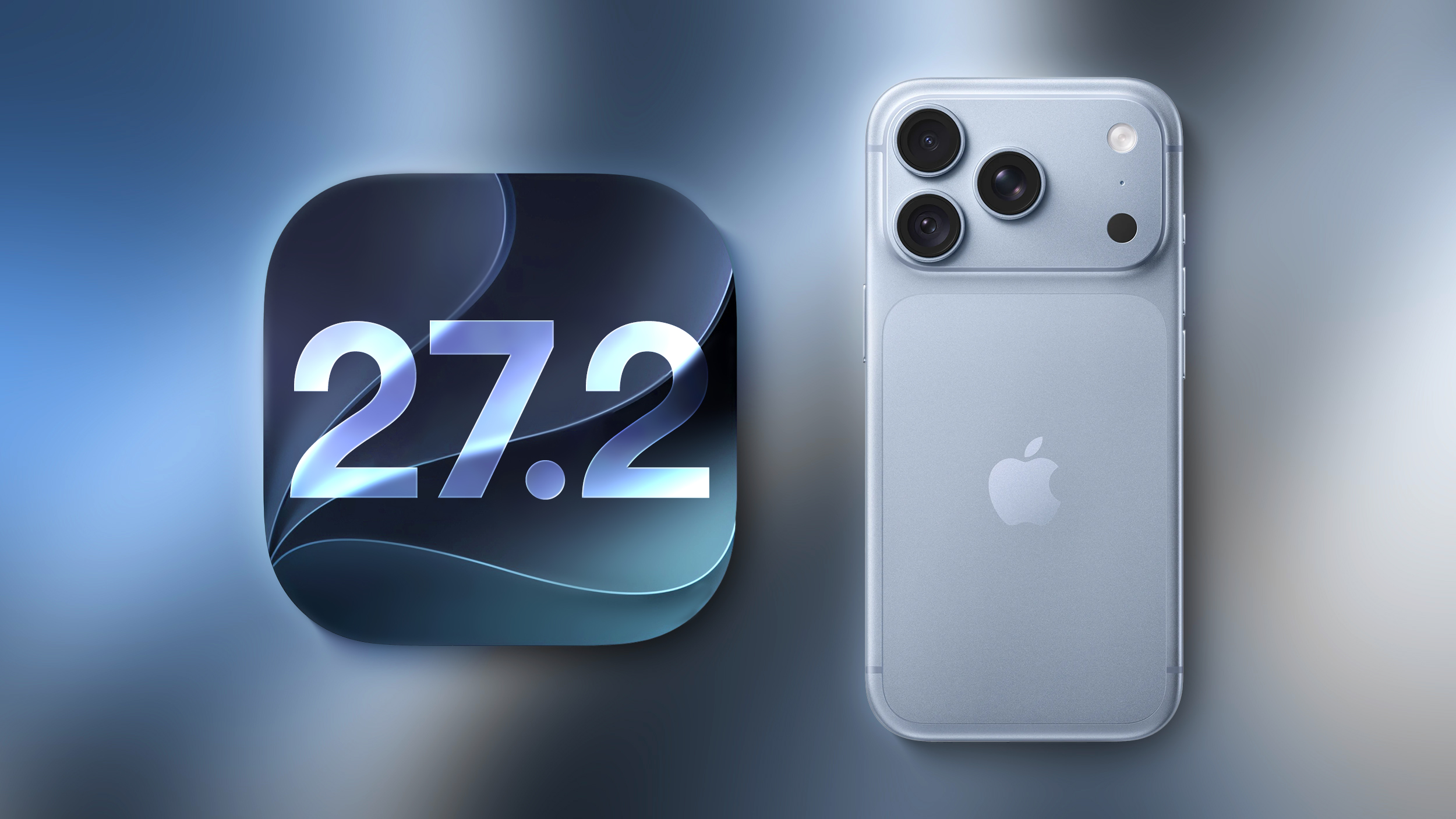


 Note: MacRumors is an affiliate partner with some of these vendors. When you click a link and make a purchase, we may receive a small payment, which helps us keep the site running.





![SAMSUNG Galaxy Watch 7 40mm LTE AI Smartwatch w/Energy Score, Wellness Tips, Heart Rate Tracking, Sleep Monitor, Fitness Tracker, 2024, Green [US Version, 1Yr Manufacturer Warranty]](https://lifehacker.com/imagery/product/046bZ1dt15GL49CUcOU8PHD/hero-image.fill.size_autoxauto.v1727413081.jpg)
![Samsung Galaxy Watch Ultra (2025) 47mm LTE Smartwatch, Titanium Casing, Advanced Sleep Coaching, Running Coach, Energy Score, Heart Rate Tracking, GPS, Titanium White [US Version, 2 Yr Warranty]](https://lifehacker.com/imagery/product/01kanvlr9HV9TYTEnQtlGot/hero-image.fill.size_autoxauto.v1767777203.jpg)







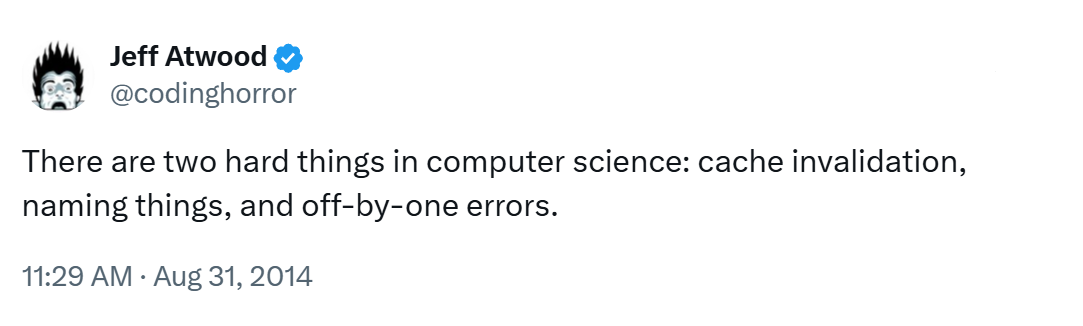



 Note: MacRumors is an affiliate partner with some of these vendors. When you click a link and make a purchase, we may receive a small payment, which helps us keep the site running.




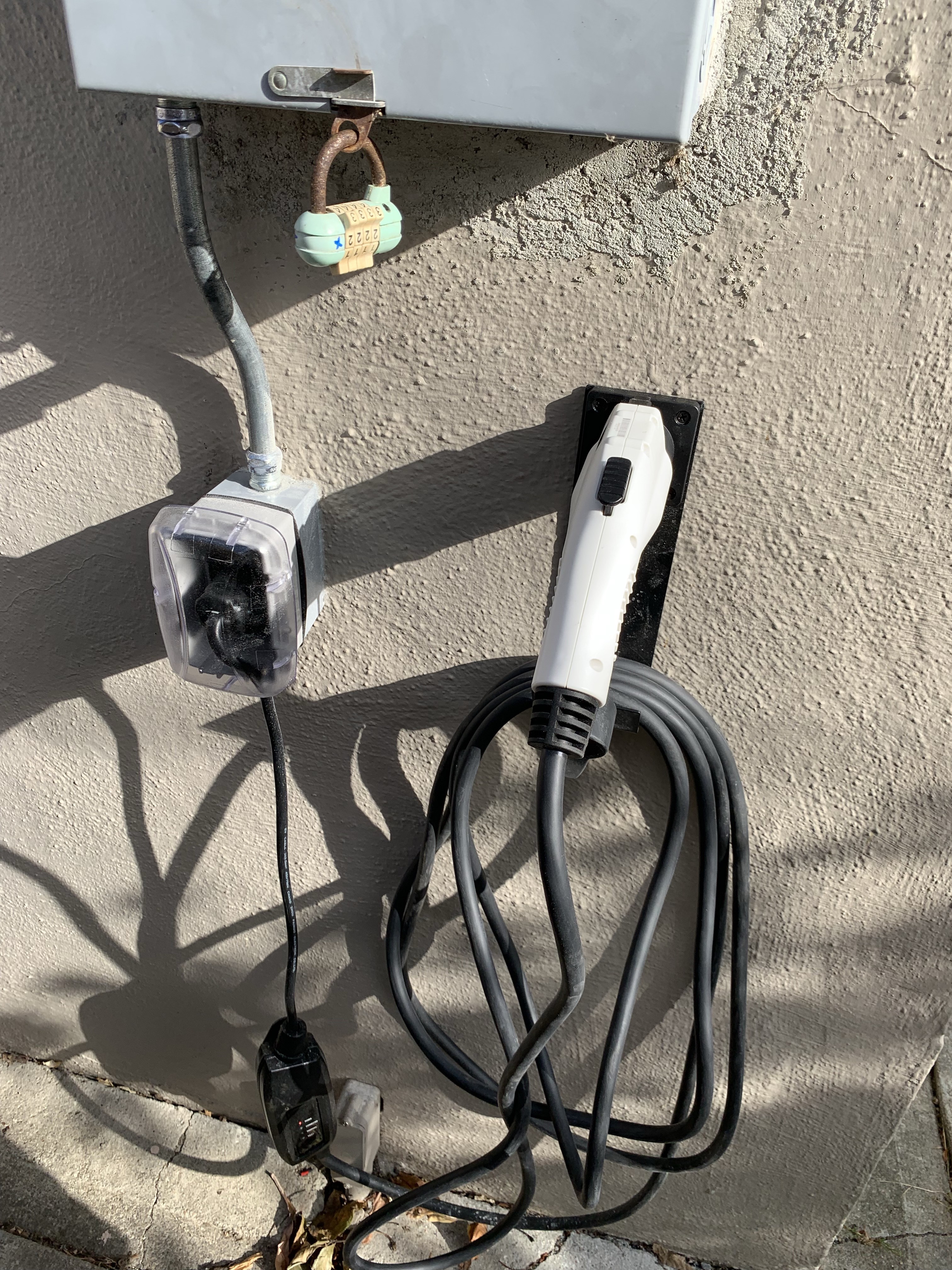








![Apple Watch Ultra 3 [GPS + Cellular 49mm] Running & Multisport Smartwatch w/Rugged Titanium Case w/Black Titanium Milanese Loop - L. Satellite Communications, Advanced Health & Fitness Tracking](https://lifehacker.com/imagery/product/05mEdlS68Ga4QwqJMJnYUts/hero-image.fill.size_autoxauto.v1785359192.jpg)


 Note: MacRumors is an affiliate partner with Amazon. When you click a link and make a purchase, we may receive a small payment, which helps us keep the site running.